News
Nana Dekye 1 builds ICT centre for Botowina

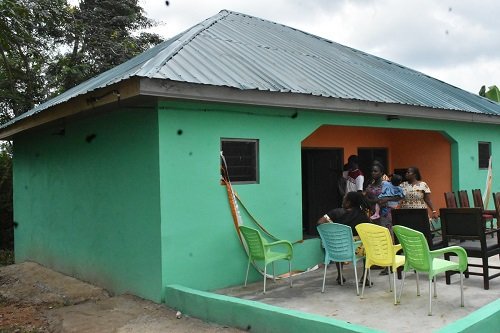
The ICT Centre at Abot
The Basic School pupils of Botowina also called Abot in the Mpohor District of the Western Region will now have the feel of the keyboard and mouse of a computer after studying Information and Communication Technology (ICT) for so many years without seeing computers physically.
This was made possible through the benevolence of the Guantoa Hen of the Shama Traditional Council in the Shama District of the Western Region. Guantoa Hen means “someone people approach for help in times of serious need.
The Chief of Botowina, Nana Kofi Dentu said individuals who had money should help to develop the less endowed areas for the development of the people.
He said the Guantoa Hen of Shama was spending money for the development of human resource in the Shama Traditional Area and beyond because he wanted the villages to be well developed.
He thanked Nana Kwamina Dekye I for the provision of the ICT Centre which would go a long way to assist the pupils in the study of ICT because the globe was all into ICT so it would brighten their horizon.
The Guantoa Hen, Nana Kwamina Dekye I said the whole world was now into ICT and people with less knowledge in ICT could not catch up with what was happening globally.
He said every serious and big time business thrived on ICT because it was easier to sit in Ghana and do business on the computer with another business partner in Europe, Dubai, United States of America than travelling to these countries.
He said he donated six desktop computers and 10 computer desks for the pupils to study ICT properly in order to write the ICT examination well.
He asked the pupils and teachers to take possession of the ICT Centre and utilise the facility well for others to come and use, adding “now you can see and feel the mouse, keyboard and cursor because you no longer study ICT in abstract”.
From Peter Gbambila-Botowina Aka Abot.



The Ghana Health Service (GHS) will undertake a nationwide Human Papillomavirus (HPV) vaccination exercise in schools from October to December 2026 to protect eligible girls against cervical cancer and other HPV related diseases.
The exercise, organised in collaboration with the Ghana Education Service (GES) and its partners through the School Health Education Programme (SHEP), will be conducted in two rounds.
The first round is scheduled for October 19 to 23, 2026, while the second will take place from November 30 to December 4, 2026.
In a press release dated October 19, the GHS explained that health workers would visit schools across the country to vaccinate eligible girls aged 9 to 14 who have not yet received the HPV vaccine.
The exercise forms part of efforts to raise awareness about the routine HPV vaccine, increase vaccination uptake and strengthen the country’s routine immunisation programme.
The GHS has called on school authorities, parents, guardians, teachers and community leaders to cooperate with health teams to ensure the successful implementation of the exercise.
The Service reaffirmed its commitment to protecting the health and well-being of Ghanaians, particularly children, through vaccination and other public health interventions.
By: Jacob Aggrey
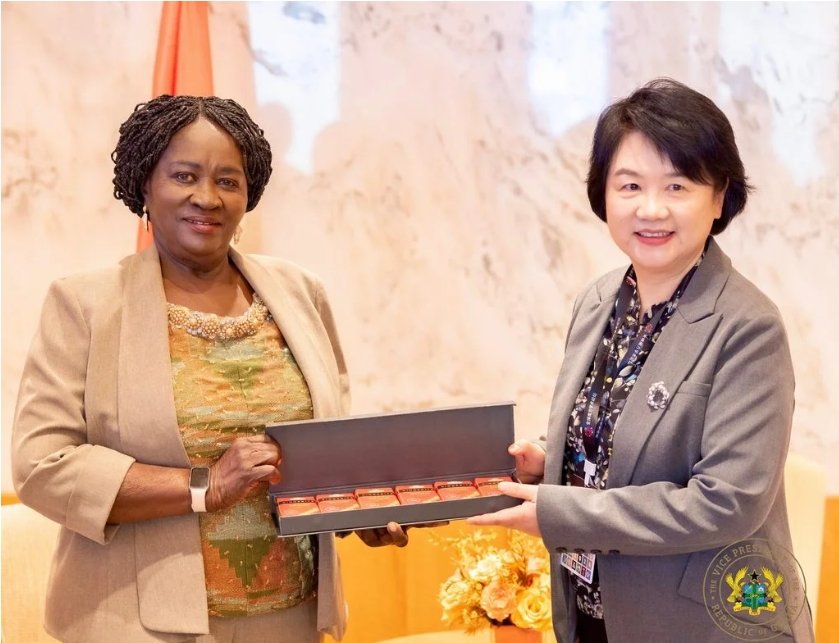
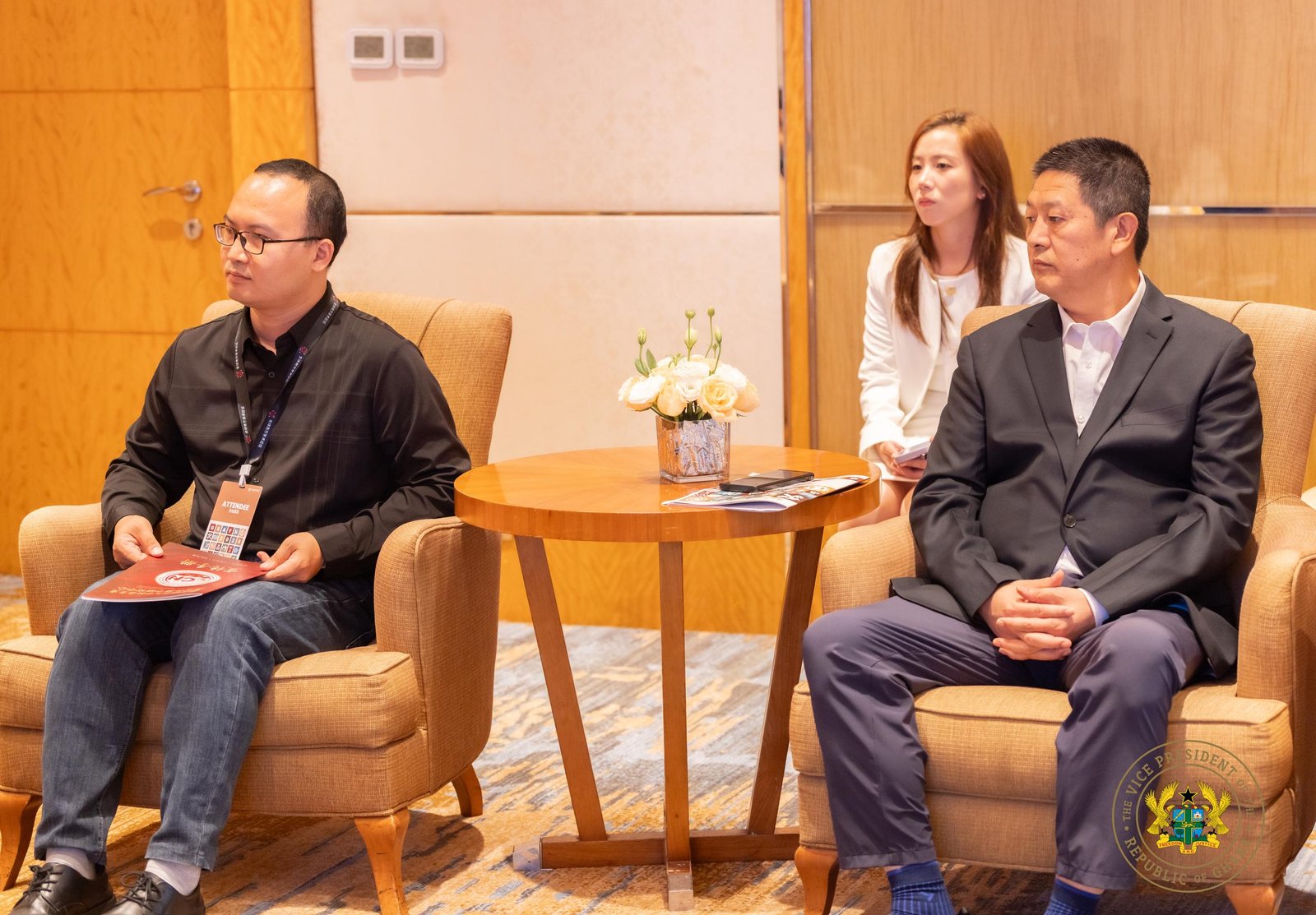
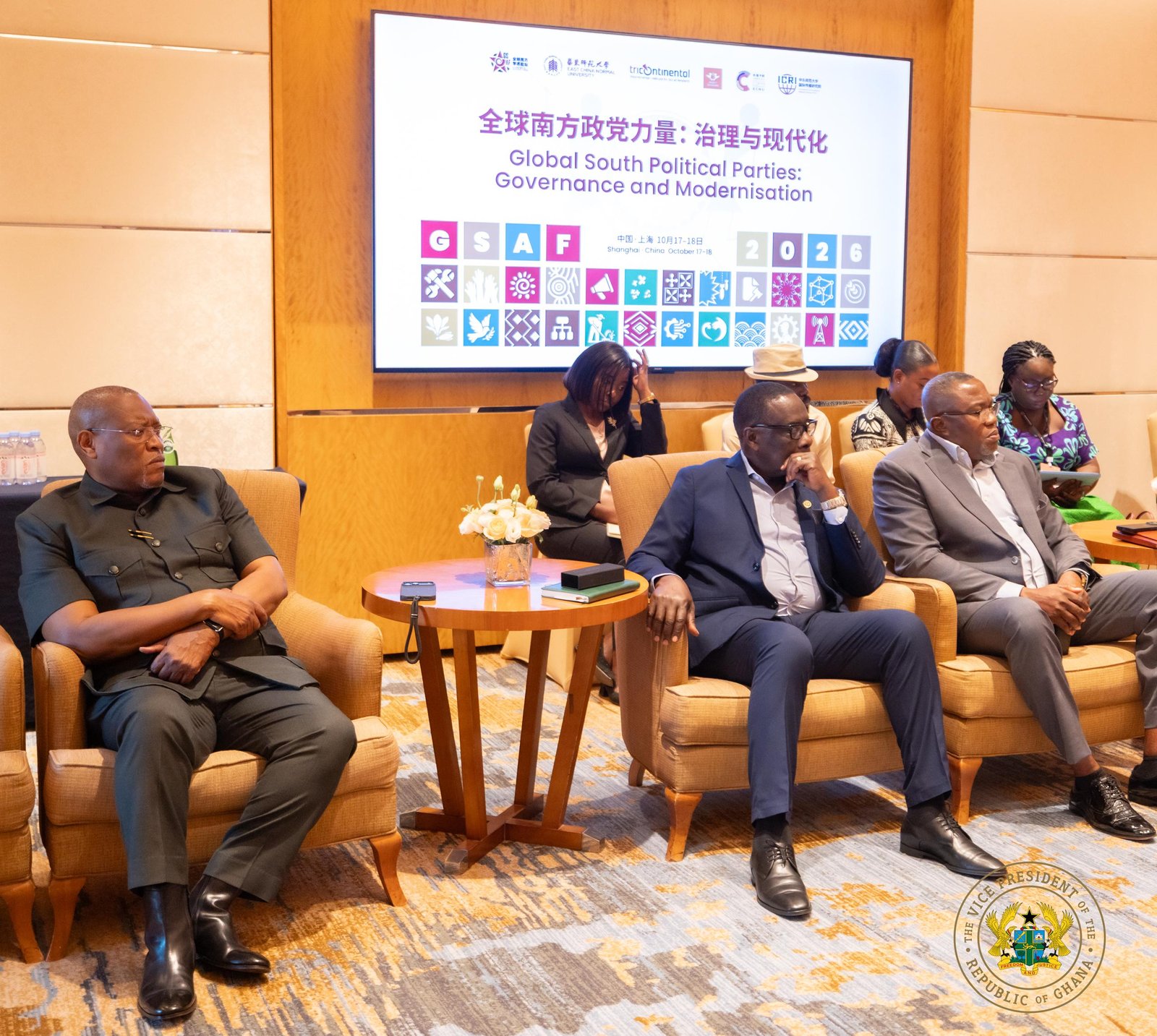
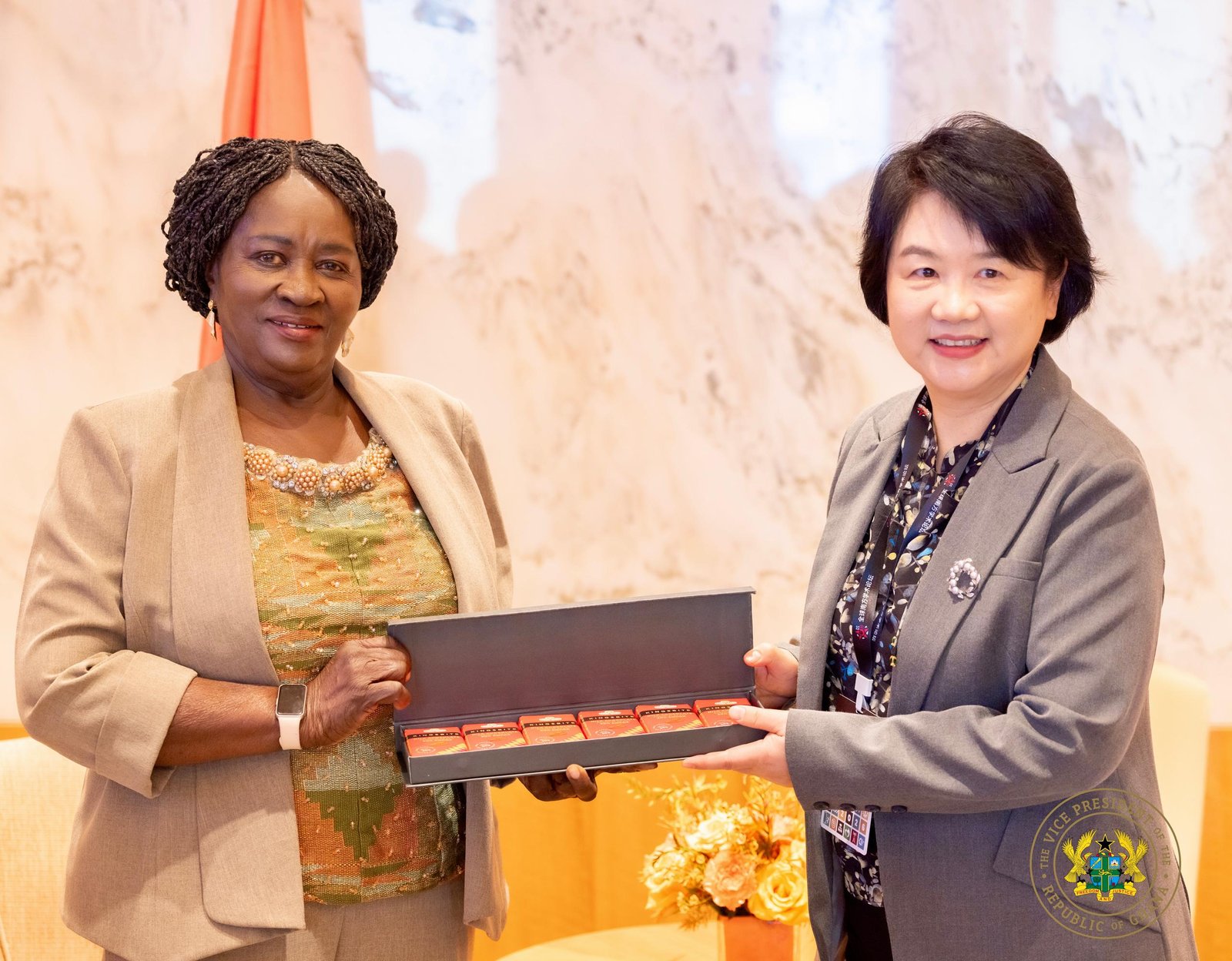
Vice President Professor Jane Naana Opoku-Agyemang has held high-level discussions with organisers of the 2026 Global South Academic Forum in Shanghai, seeking to draw lessons from China’s acclaimed rural revitalisation and poverty reduction drive.
The meeting, led by the Forum Chair, Professor Lu Xinyu, explored practical areas of cooperation and knowledge exchange between Ghana and China, with focus on community-driven development, fisheries and aquaculture, local governance, sports initiatives, and infrastructure development.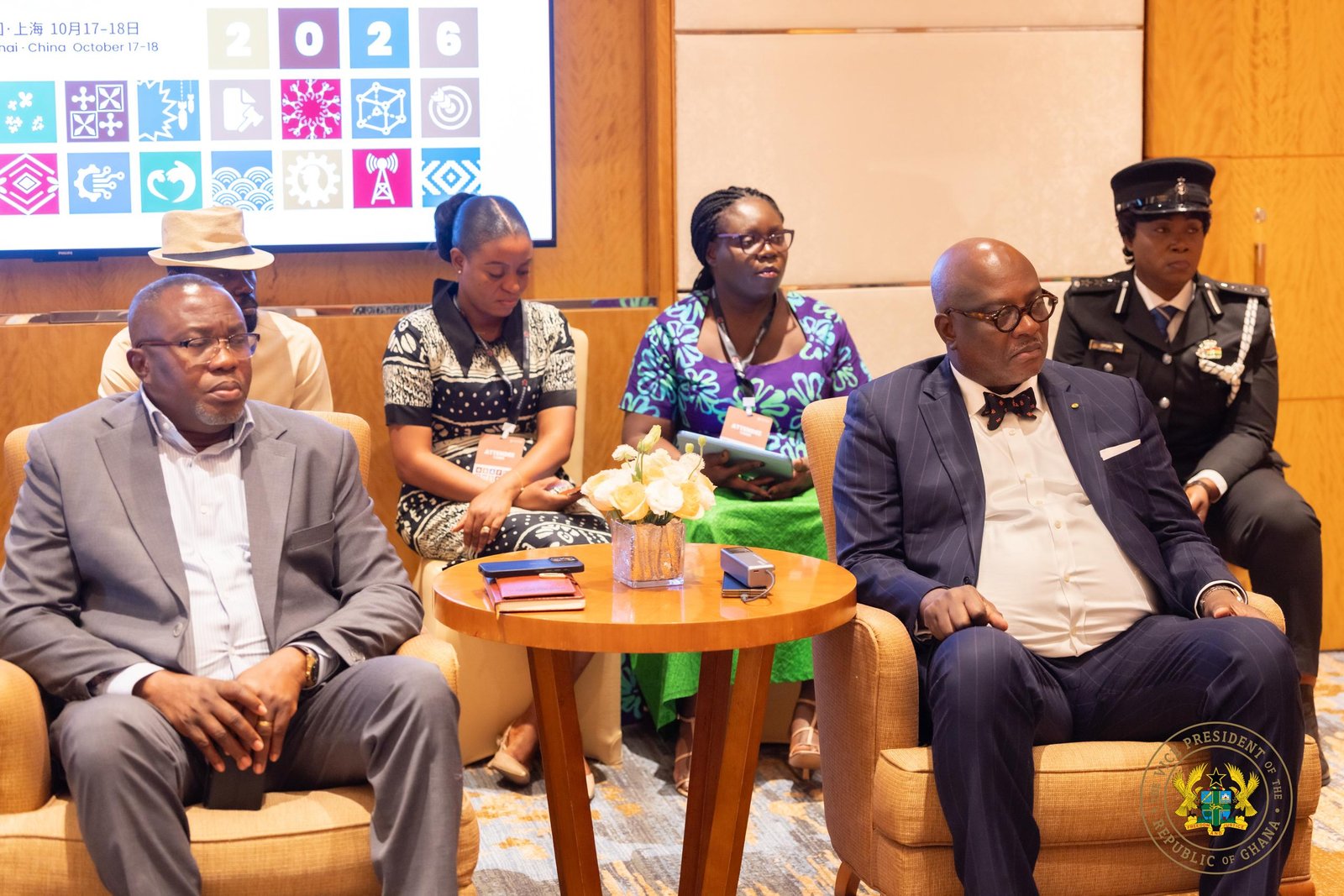
According to officials, the engagement is part of a broader effort by the Ghanaian government to study tested development models that can be adapted to the local context to promote inclusive growth, empower local communities, and improve livelihoods across the country.
China’s success in lifting over 800 million people out of poverty through targeted rural policies, investment in agriculture and local infrastructure has become a global reference point for developing nations.
The Vice President’s team says insights from the Forum will help inform policy direction, particularly in strengthening decentralised governance, boosting the fisheries and aquaculture sector, and investing in community-level infrastructure and youth sports development.
Professor Opoku-Agyemang is expected to continue engagements with academic and development institutions while in China.
By Edem Mensah-Tsotorme