Profile
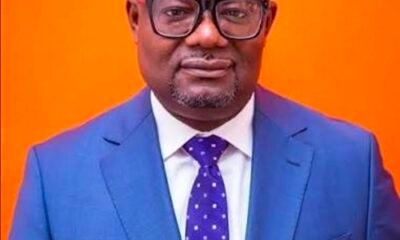
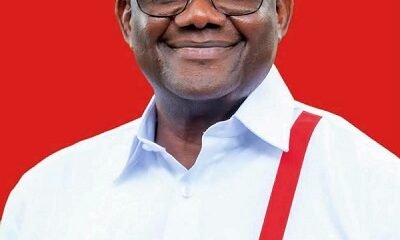
Nana Barimah Kofi Bio II driving innovation in Kobriso Akyem Abuakwa


Nana Barimah Kofi Bio II, is a visionary leader, a true developmental king whose relentless drive for innovation and sustainable growth, has reshaped the community of Kobriso Akyem Abuakwa in the Eastern Region.
For the past nine years, Nana Barimah Kofi Bio II has defined leadership with impact by taking upon himself to support the community and its environs under the Kyebi Kingdom in the Eastern Region.
This vision and passion to help the community to make life comfortable for the needy and underprivileged led to the establishment of the Kofi Bio Foundation.
The Kofi Bio Foundation, is a non-governmental organisation that was established in 2023 to support the less privileged and promote developmental works in Akyem Kobriso.
Nana Kofi Bio II rose to the throne as the Paramount Chief of Kobriso in Akyem Abuakwa after an installation ceremony supervised by the Osagyefuo Amoatia Ofori Panin, on October 3, 2016.
He took over from the late Nana Kwaku Bio I.
Known in private life as Mr Isaac Bempong, Nana Kweku Bio II is inspired by the thought of serving his community and fostering growth and development in Akyem Kobriso.
“I believe in kindness and being compassionate. I dedicate my life to making a positive impact in the community and its environs,” he told The Spectator in Accra on Monday.
Nana stated that the development is not just about economic growth but empowering people, bridging gaps and building resilient systems for the future.
Nana Bio II did not however have it all rosy growing up. He endured very difficult and harsh conditions and his parents, who had the going tough made him drop out of school at the Junior High School (JSS) stage at the LA government school in Akyem.
He later moved to Nigeria in 2002 to do business, but that did not go out well. This made him return to Accra in 2003 to sell polythene bags and he became a driver’s mate for about three years.
“I decided to come back home because it seems everything just didn’t go well with me. After that, I joined the older folks in my hometown to do farming and petty trading.”
However, my coming back home proved to be the masterstroke as I was nominated by the family to be king for the area.
Nana Bio II now describes himself as a farmer and a businessman who is doing so well and wants to give back to the society because he didn’t get that opportunity.
“My motive is to help people and communities since we can’t leave it all on the government. I have initiated some of the projects at Akwatia, Kade, Asamankese and Osenase” he told this Reporter.
Nana is personally paying for the school fees of a lot of people through the Kofi Bio Educational Trust Fund which has awarded scholarships to 10 brilliant but needy students in the community.
Currently, he is constructing an Information and Communication Technology (ICT) centre to empower the youth interested in ICT programmes.
In addition to that, Nana is currently building a three classroom block for the community to complement the few schools in the area.
Stretching his philanthropic work to other sectors, the Nana Kofi BIO Foundation donated furniture and other logistics to the Commander-in-Chief of the Akwatia Police Station.
Also to his credit is a market place constructed at Kobriso to help women trade with ease.
At the Osenase Health Centre in the Eastern Region for instance, the foundation paid hospital bills for patients and also constructed washrooms for staff of the health centre.
For tourism, the Pram Water Falls in Kobriso will serve as a tourist site to create a source of income to the community and also train the youth to become guides to support the project.
For his future aspirations, Nana Kofi Bio promises to redevelop roads in Kobriso so that people can travel easily, adding that Kobriso will be a landmark area of world tourism, because of its rich culture and tourist sites.
Born in Kade to Mr Emmanuel Amoah and Hannah Atiriwaa, Nana Bio II is the fifth among six siblings. After a hard day’s work, Barimah Kofi Bio II prefers to take a walk and tell stories to children.
By Linda Abrefi Wadie

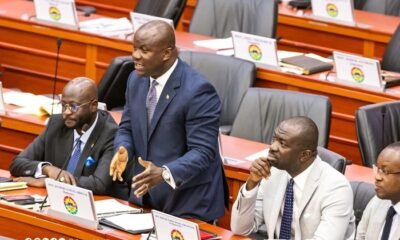





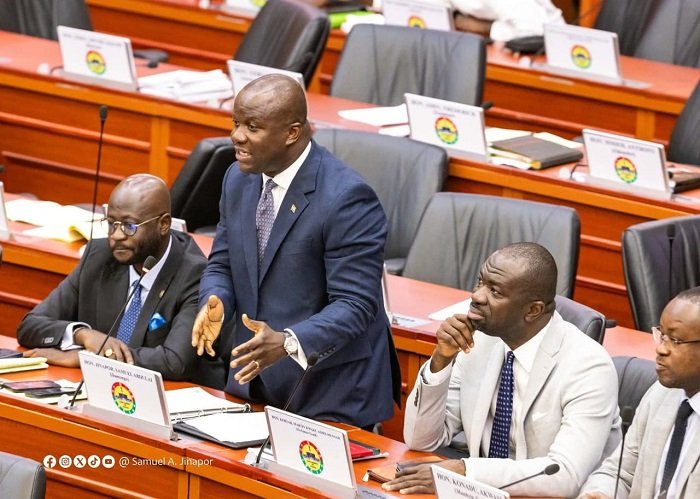
The Member of Parliament for Damongo and former Minister for Lands and Natural Resources, Samuel Abu Jinapor, has called for stronger environmental legislation to enable African countries to fully benefit from nature-based solutions while building climate resilience, creating jobs and promoting sustainable economic growth.
He said although several African countries, including Ghana, had made significant progress in developing policies to protect the environment and promote carbon markets, stronger legal backing was needed to ensure their long-term implementation and attract greater investment.
Mr. Jinapor made the call during a panel discussion at a public lecture organised by the Research and Innovation Directorate (RID) of the University of Ghana and the Africa Centre for Nature-Based Climate Action (AC4NCA) to commemorate the 2026 Day of Scientific Renaissance of Africa (DSRA) at the Cedi Conference Centre of the university on Tuesday.
Speaking on the theme, “Africa at a Crossroads: Can Nature-Based Solutions Deliver Climate Resilience, Jobs, Equity and Justice?”, Mr. Jinapor stressed that research should not remain in academic journals but must influence public policy and national development.
He said research should also be linked to business and financing so that scientific discoveries could be transformed into practical solutions that improved livelihoods and generated economic value.
According to him, governments across Africa must demonstrate political commitment by establishing policies and regulatory systems that would enable their countries to benefit from the growing global market for nature-based solutions.
Mr. Jinapor said Ghana had already taken important steps by developing a national framework for carbon trading, creating opportunities for communities to benefit financially from environmental conservation.
He disclosed that the country had successfully distributed about five million dollars through a benefit-sharing arrangement under its carbon market programme to support local communities and researchers.
The former Lands and Natural Resources Minister also highlighted Ghana’s achievements in responsible forest management, noting that the country was among the first in the world, alongside Indonesia, to issue Forest Law Enforcement, Governance and Trade (FLEGT) licences for legally sourced timber exported to international markets.
He said successive governments had continued to strengthen environmental policies and expand certified forest resources to meet international standards.
Contributing to the discussion, the Regional Director for West and Central Africa of the International Union for Conservation of Nature (IUCN), Mr. Balla Moussa Sidibé, said Africa’s future depended on protecting and restoring nature rather than exploiting it for short-term economic gains.
He described climate change as one of the continent’s biggest development challenges, affecting agriculture, food security, water resources, livelihoods and economic growth.
According to him, forests, wetlands, mangroves and healthy soils were strategic natural assets capable of reducing climate risks, improving food security and creating sustainable jobs if properly managed.
Mr. Sidibé cited the Congo Basin as one of the world’s most important ecosystems because of its role in storing carbon, conserving biodiversity and regulating rainfall, saying its protection was critical not only for Africa but for the global climate.
He called for increased investment in ecosystem restoration, sustainable agriculture, ecotourism and other green sectors to create employment opportunities, particularly for young people.
Other panelists called for stronger collaboration among universities, governments and research institutions across Africa, arguing that countries facing similar environmental challenges should share knowledge and expertise instead of working in isolation.
They also stressed the need for trust, transparency and fairness in research partnerships to ensure the benefits of collaboration were shared equitably.
Touching on Monday’s floods in parts of Accra, the panelists said years of wetland destruction and poor land-use planning had significantly worsened flooding in the capital.
They explained that wetlands such as the Densu Delta and Sakumo Ramsar sites naturally absorb floodwaters and protect biodiversity but had come under increasing pressure from encroachment and degradation.
The Director of the Research and Innovation Directorate of the University of Ghana, Professor David Dodoo-Arhin, said the Day of Scientific Renaissance of Africa had become an important platform for promoting research, innovation and partnerships that addressed Africa’s development challenges.
He urged government, industry and academia to deepen collaboration to ensure research produced practical solutions that improved livelihoods and supported sustainable development.
He urged African governments to invest more in nature-based solutions, strengthen environmental laws and translate research into practical policies capable of building climate-resilient, inclusive and sustainable economies for future generations.
By: Jacob Aggrey
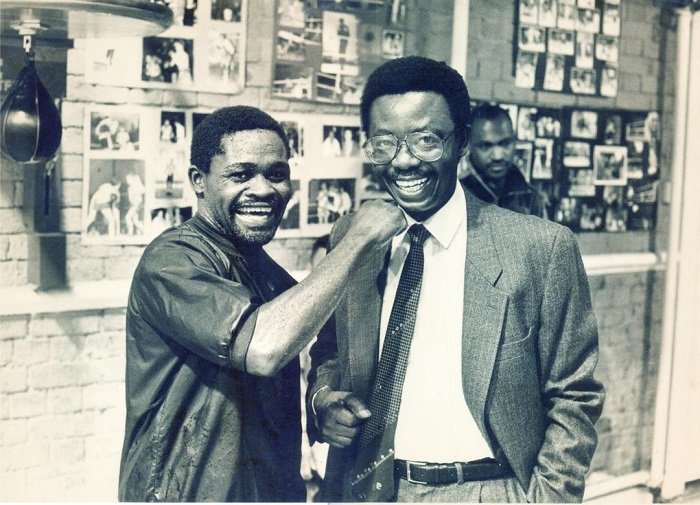
When discussions arise about people who have shaped Ghana boxing, the names of world champions like Azumah Nelson, Ike Quartey, Joshua Clottey, Joseph Agbeko and Isaac Dogbe often dominate the conservation,
Yet behind these celebrated boxers, stands a man whose contribution to the sport has been profound, enduring and largely selfless. This man is Ambassador Ray Quarcoo.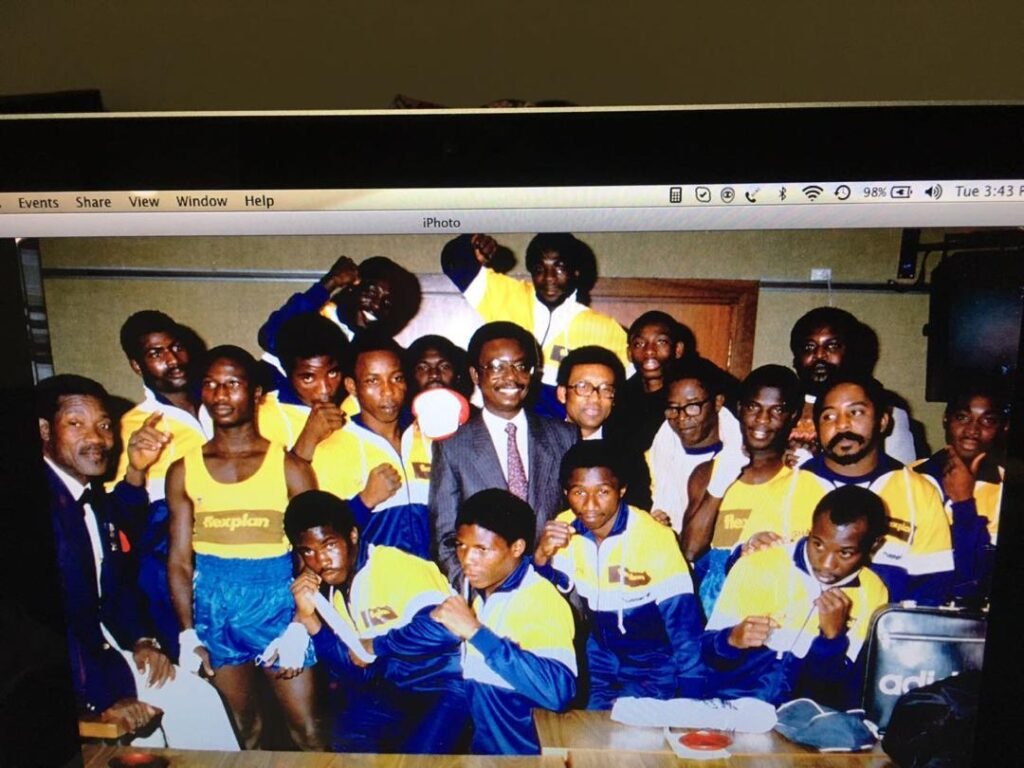
A businessman, sports administrator, philanthropist and mentor, Ambassador Quarcoo has dedicated much of his life to the development of sports in Ghana, particularly boxing.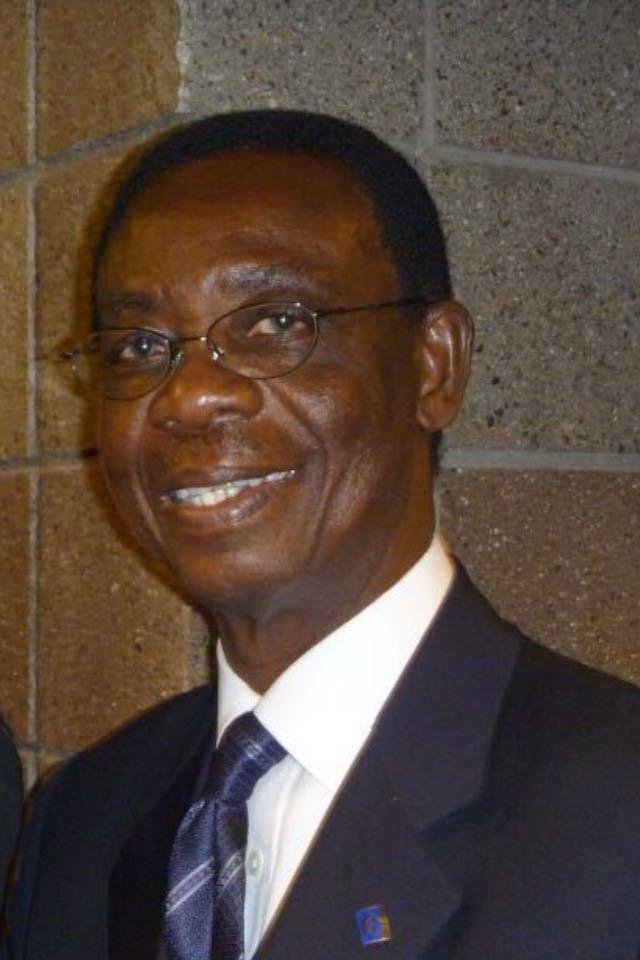
His contribution spans several decades and cuts across athlete development, administration, infrastructure, international relations and sports journalism.
He has spent decades working quietly behind the scenes, identifying talent, mentoring young athletes, building institutions and investing his personal resources to ensure that Ghana’s rich boxing tradition remains alive
Today, his legacy remains firmly woven into the fabric of Ghana sports, particularly boxing, where his influence has helped shape generations of champions and inspired countless young athletes.
Though he has stepped away from active sports administration, Ambassador Quarcoo remains deeply interested in the progress of Ghana sports.
His passion for sports is rooted in a lifetime of service and sacrifice. As President of the Ghana Amateur Boxing Federation (GABF) on two separate occasions and later Vice-President of the Ghana Boxing Authority (GBA), he played a central role in strengthening the structures of boxing administration in the country.
Under his leadership, the GABF introduced international exchange programmes with countries such as Britain, the United States and Azerbaijan, giving Ghanaian boxers valuable international exposure.
His influence extended beyond Ghana as an executive member of the International Boxing Association (IBA), formerly AIBA, while he also served as a management member of the Black Stars.
However, it is his role as a mentor and benefactor that has earned him the admiration of generations of athletes.
Former WBA welterweight world champion Ike “Bazooka” Quartey describes him as one of the most influential figures in the lives of many Ghanaian boxers.
According to Quartey, Ambassador Quarcoo paid the school fees of Joshua and Emmanuel Clottey and provided them with accommodation because he believed they possessed the qualities required to become world champions.
His conviction was that young athletes needed both education and discipline to succeed on the world stage.
The investment paid off as Joshua Clottey eventually rose to become an IBF Welterweight World Champion and one of Ghana’s most respected boxing figures.
Veteran sports broadcaster Nathaniel Attoh recalls witnessing Joshua Clottey’s deep appreciation for Ambassador Quarcoo.
Following his world title triumph, Clottey personally visited Ambassador Quarcoo to thank him for the support, guidance and opportunities he had received during his formative years.
The Clottey brothers were only part of a long list of athletes whose careers were positively impacted by Ambassador Quarcoo.
His keen eye for talent led him to identify and support several promising boxers long before they became stars.
Among them were former WBO world champion Isaac Dogboe, Olympian Norris Thompson and British-Ghanaian boxing sensation Joshua Buatsi.
Attoh recalls a memorable telephone conversation in which Ambassador Quarcoo confidently predicted that two young boxers he had discovered would one day become world beaters. Those young athletes were Isaac Dogboe and Joshua Buatsi.
Today, Dogboe has established himself as a former world champion, while Buatsi has become one of the most accomplished boxers of his generation.
One of the defining moments of Ambassador Quarcoo’s administrative career came ahead of the London 2012 Olympic Games.
Despite facing criticism and opposition, he stood firmly behind Isaac Dogboe because he recognised the young boxer’s exceptional potential.
According to Attoh, his decision came at considerable personal cost, yet he remained unwavering in his conviction that Dogboe would justify his faith.
His willingness to place principle above personal interest remains one of the many examples of his commitment to athlete development.
Former Black Bombers captain and assistant national coach Kwame Asante recalls how Ambassador Quarcoo sponsored Ghanaian boxing contingents to international competitions and helped facilitate opportunities for coaches and athletes to further their training abroad.
Asante himself benefited from Ambassador Quarcoo’s intervention when he pursued advanced coaching education in Germany. According to him, Ambassador Quarcoo’s passion for boxing was unmatched.
“He was always present wherever boxing was taking place, whether locally or internationally, he supported the sport wholeheartedly,” Asante stated.
His love for grassroots boxing became legendary. Many remember how he regularly travelled across Accra on weekends simply to watch juvenile boxing contests, particularly at the famous Wato Club. Young boxers eagerly anticipated his visits because they came not only with encouragement but often practical assistance and mentorship.
His contribution to boxing infrastructure is equally significant. Ambassador Quarcoo facilitated and financed the establishment of several boxing clubs and gyms in Bukom, including the Black Panther and Panix gyms. These facilities became important breeding grounds for young talents and contributed significantly to Ghana’s boxing success story.
Beyond boxing, Ambassador Quarcoo has also been a steadfast supporter of sports journalism. As a Lifetime Patron of the Sports Writers Association of Ghana (SWAG), he has supported journalists and contributed immensely to preserving Ghana’s sporting history.
His efforts have earned him numerous honours, including recognition from the Ghana Olympic Committee for supporting Ghana’s participation in the Olympic Games and various awards from sporting bodies in appreciation of his service.
Yet those who know him best insist that his greatest achievement lies not in the awards he has received but in the lives he has transformed.
Until his appointment as Goodwill Sports, Ambassador in 2011, he has held several sports administrative positions in the country including the following, President Ghana Boxing Federation 2010-2014, First Vice Chairman Ghana Boxing Authority, Vice Chairman Ghana Black Stars Welfare Committee 1991-1993, Life Patron, Ghana Olympic Committee, Life patron sports writers association of Ghana, Executive Committee Member African Boxing confederation and Patron-African Confederation of Handball.
Ambassador Emmanuel Ray Quarcoo was also in 2013 was appointed as Honorary Consul General of Haiti to Ghana with Exequatur on 25th October 2013.
By Esinam Jemima Kuatsinui