Editorial
Media, FDA must not relent in fight against secondhand smoking

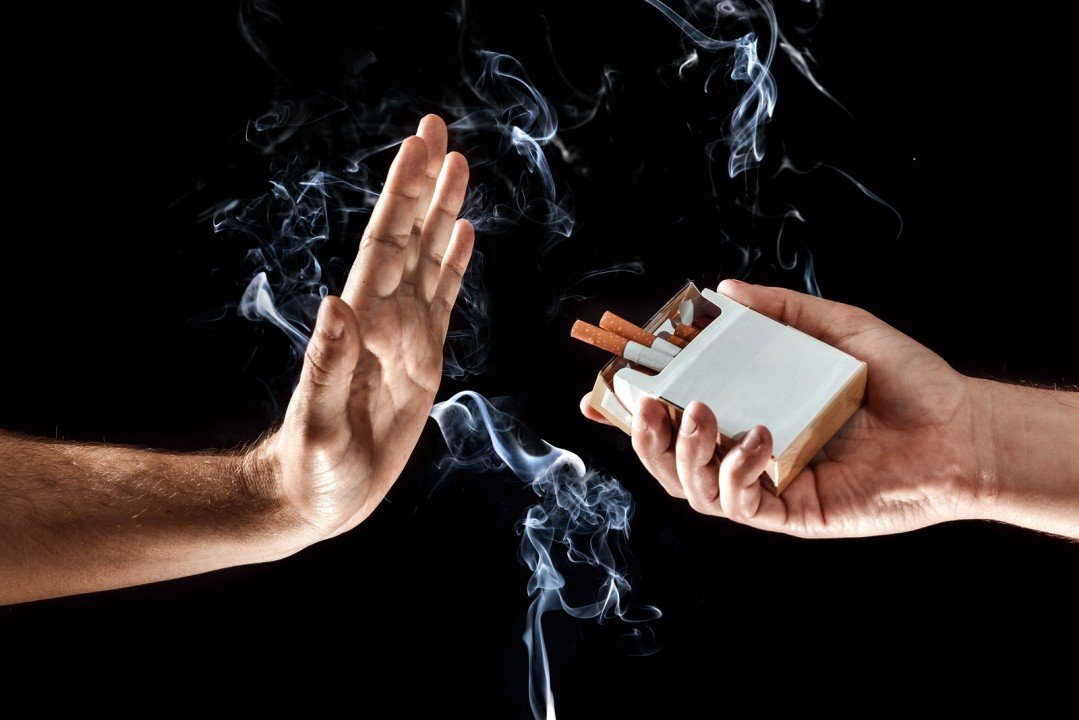
Secondhand smoke poses grave danger to the health of non smokers
Dear Editor,
As I walk through public spaces, I’m reminded of the lingering threat of secondhand smoke.
Despite the progress in anti-smoking campaigns, innocent bystanders continue to suffer from the harmful effects of secondhand smoking.
The facts are alarming.
Secondhand smoke contains over 7,000 chemicals, 70 of which are carcinogenic.
Tobacco use in Ghana is said to result in over 6,700 deaths annually with related illness accounting for 3 per cent deaths in the country.
These includes cancers, cardiovascular diseases and respiratory conditions.
According to the Centre for Disease Control Prevention, a 100 per cent smoke-free and tobacco-free environment is the most comprehensive approach to ensure health and safety.
Children are particularly vulnerable, with increased risk of asthma, bronchitis, and sudden infant death syndrome (SIDS).
Pregnant women exposed to secondhand smoke face higher risks of miscarriage, stillbirth, and low birth weight.
To protect public health, there should be stricter enforcement of smoke-free laws initiated by the Food and Drugs Authority (FDA) in public spaces.
Smoking at these public places such as pubs, restaurants, work places, supermarkets, children’s playground and hospitals should be discourage and culprit punished to serve as deterrent to others.
The media should also increase awareness campaigns highlighting secondhand smoke risks.
We must prioritise the health and well-being of nonsmokers to ensure a healthy environment by partnering the FDA to stop secondhand smoking.
It is a collective responsibility and we must all come on board to support the FDA to address this concern in the country.
Anita Nyarko-Yirenkyi,
Accra


Dear Editor,
I WRITE to draw the attention of NADMO and other related agencies to the recent prediction by the Ghana Meteorological Agency to expect a lot of rains this year, especially in the Southern sector of the country.
GMet issued the forecast to provide an early warning to protect lives and property.
Interestingly, the Southern sector happens to be one of the many trouble spots in the country when the rains start.
It predicted the season to start in March and continue until July or August with above-normal rainfall along the eastern coast and nearby inland areas, including Accra, Tema, Cape Coast, Saltpond, Asamankese, Akim Oda, Koforidua, and Kade.
Knowing the problems faced as a country, concerns have been raised in certain quarters about the aftermath flooding problems in low-lying areas.
These concerns are well placed because flooding has become an annual ritual associated with the season.
My appeal goes to NADMO as well as the district and metropolitan assemblies. They are responsible for activities before and after the season.
As we prepare, they must spearhead the campaign to desilt the drainages in order for water to flow freely.
The citizenry must also show some sense of responsibility by desisting from throwing rubbish into gutters to block the free flow of water.
Noah Musa,
Adabraka
Dear Editor,
I WOULD like to express my views on why some people abuse leaders on social media platforms.
In recent times, social media has become a powerful tool for communication and expression. Unfortunately, many people misuse this freedom by insulting and abusing leaders instead of engaging in constructive criticism.
One major reason for this behaviour is frustration. When citizens feel ignored, unemployed, or affected by poor policies, they sometimes turn their anger toward leaders online.
Another reason is anonymity. Social media allows users to hide behind fake names and profiles, which gives them the confidence to say things they would not dare say in public. This lack of accountability encourages abusive language and disrespectful comments.
Ignorance and misinformation also play a role. Some people abuse leaders based on false news or rumours without verifying facts. This leads to unnecessary attacks that can damage reputations and create tension in society.
While leaders should be held accountable, abuse and insults do not solve problems. Too many people are finding social media platforms as homes to hide and churn out untruths that goes a long way to damage the image and credibility of the victims.
Constructive criticism, dialogue, and lawful channels are better ways to express dissatisfaction. Citizens must remember that respect is essential for national unity and development.
I hope this letter will encourage people to use social media responsibly and promote respectful communication.
Eugene Ampiaw,
Takoradi