Editorial
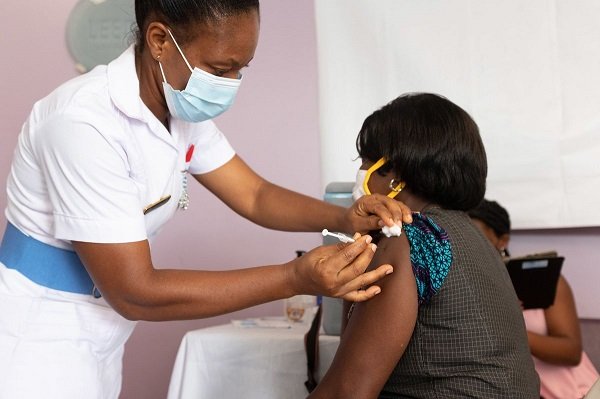
Make vaccination outlets visible

Dear Editor,
COVID-19 protocols have been eased and the wearing of nose masks is no longer mandatory, as President Akufo-Addo indicated in his last situational address to the nation.
While at it, he encouraged citizens to avail themselves of vaccination for Ghana to attain the 20 million target by July 2022, as the existing number of vaccinated persons was somewhat unsatisfactory.
Apart from apathy on the part of some Ghanaians, I believe limited information on where citizens could voluntarily go and take COVID-19 jab also accounts for the low figure recorded.
It is against this backdrop that I suggest the Ghana Health Service should consider a ‘mobile or door-to-door’ vaccination programme to enable more people take the jab, just as it does to polio vaccination for children.
Following increased public education on the safety and efficacy of the COVID-19 vaccine, I believe many Ghanaians are now willing to take the vaccine; therefore, health authorities must make the vaccination outlets more visible to the public.
Although I may not be too conversant with operations in the health sector, I believe it would not be out of place for the authorities to send mobile vaccination vans to communities or establish more centres closer to residents so they could conveniently take the jab, and in the long run help the country attain its intended vaccination target.
James Gakpo,
Tema, Community 4.

Dear Editor,
I wish to draw the attention of the relevant authorities to the poor state of the railway crossing area of the Neoplan Station, near Kwame Nkrumah Circle in Accra, which is increasingly disrupting the smooth flow of traffic.
The damaged section of the road has become a major inconvenience to motorists, as vehicles are forced to slow down considerably when approaching the crossing to avoid damaging their tyres, wheels and suspension systems.
This situation causes unnecessary delays, particularly during peak hours when traffic volumes are high.
The crossing is an important route for commuters and commercial drivers who use the Circle area to connect to other parts of the capital.
The deteriorating road surface therefore affects not only individual motorists but also the general movement of vehicles through this busy transport hub.
Beyond the inconvenience, the situation could increase the risk of minor accidents as drivers brake suddenly or attempt to manoeuvre around damaged portions of the road.
I respectfully appeal to the Department of Urban Roads, the Accra Metropolitan Assembly and other relevant agencies to inspect the affected section and undertake urgent repairs to restore the smooth movement of traffic.
Timely intervention will reduce delays, improve road safety and make commuting through the Circle area more convenient.
Yours faithfully,
Concerned Citizen
SKIP THE QUEUE, TAP THE NEWS
You can now read the Ghanaian Times and The Spectator newspapers from the comfort of your device via TimesNewsPlus.
Join our WhatsApp Channel: https://whatsapp.com/channel/0029VbBElzjInlqHhl1aTU27
Dear Editor,
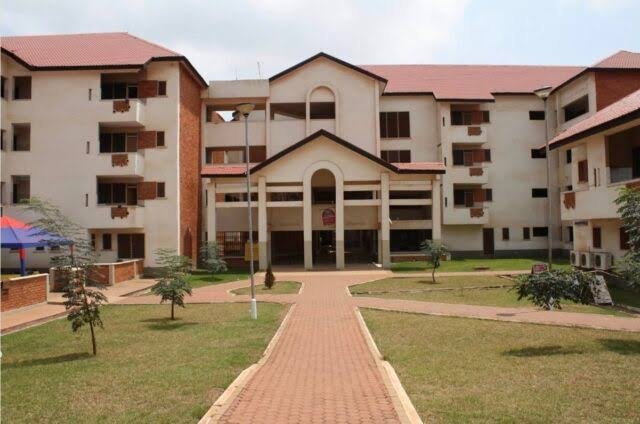
I wish to draw the attention of the authorities and the general public to the increasing cost of hostel accommodation, particularly for students in tertiary institutions.
The high cost of hostels has become a serious challenge for many students and their parents.
In some areas, hostel fees have increased significantly, making it difficult for students from low- and middle-income families to secure decent accommodation.
Apart from the hostel fees, students also have to pay for transportation, food, learning materials and other academic needs.
The rising cost of accommodation therefore puts additional financial pressure on families and, in some cases, forces students to live in overcrowded or poorly maintained facilities.
I believe hostel owners and relevant authorities must work together to ensure that accommodation remains affordable while maintaining acceptable standards.
Tertiary institutions should also consider expanding student accommodation and encouraging affordable private hostel projects.
The government and local authorities could further support the development of low-cost student accommodation through appropriate policies and incentives.
I therefore appeal to the Ministry of Education, tertiary institutions and other stakeholders to treat the issue as a matter of urgency.
Affordable and decent accommodation is essential to creating a conducive environment for students to study and succeed.
This has in a way also empowered the private people in the accommodation sector to take undue advantage of the situation to charge exorbitant rates for their services.
Kwame Ampiaw,
Accra
SKIP THE QUEUE, TAP THE NEWS
You can now read the Ghanaian Times and The Spectator newspapers from the comfort of your device via TimesNewsPlus.
Join our WhatsApp Channel: https://whatsapp.com/channel/0029VbBElzjInlqHhl1aTU27