News
‘Lucky Trip’ TV series launched in Accra

- /home/u249204778/domains/spectator.com.gh/public_html/wp-content/plugins/mvp-social-buttons/mvp-social-buttons.php on line 27
https://spectator.com.gh/wp-content/uploads/2023/09/A-session-of-guests-at-the-function.jpg&description=‘Lucky Trip’ TV series launched in Accra', 'pinterestShare', 'width=750,height=350'); return false;" title="Pin This Post">
- Share
- Tweet /home/u249204778/domains/spectator.com.gh/public_html/wp-content/plugins/mvp-social-buttons/mvp-social-buttons.php on line 72
https://spectator.com.gh/wp-content/uploads/2023/09/A-session-of-guests-at-the-function.jpg&description=‘Lucky Trip’ TV series launched in Accra', 'pinterestShare', 'width=750,height=350'); return false;" title="Pin This Post">
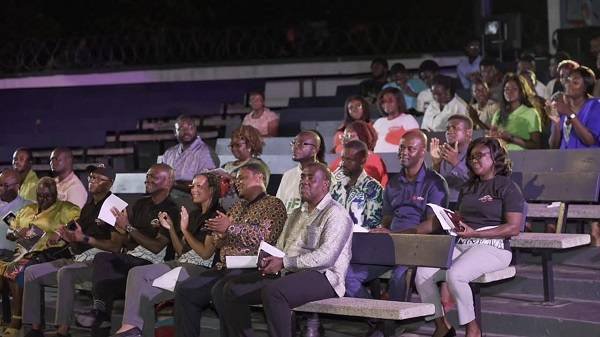
A session of guests at the function
A television (TV) project aimed at instilling social and behavioural change in young people through significant members of society was launched over the weekend.
Dubbed ‘Lucky Trip’, it was developed by Sacrefilms Multimedia in collaboration with the Ghana Health Service (GHS), the United States Agency for International Development (USAID) and CFAO Motors.
The third season will include personalities such as Elikem Kumordzie, James Gardiner, Efe Grace, Roselyn Ngissah and Fiifi Coleman, among others.”
Mrs Mabel Asafo, Deputy Director, Health Promotion Division, GHS, said that the TV show was in accordance with the GHS objective to promote healthy behaviours, lifestyles, and comprehensive activities that target the very fabric of the nation’s health.
She said that the GHS was committed to utilising more innovative methods to promote healthy living, and make the TV show ‘Lucky Trip’ so important.
“We aim to make healthy living attractive and, dare I say, ‘trendy’ by leveraging the influence of prominent Ghanaians who are celebrities but role models for our youth,” she explained.
Mrs Asafo added that Sacrefilms understood the importance of the mandate of the GHS hence the partnership with them.
“They understand that storytelling has the power to shape perceptions and alter behaviours. Through their creative prowess, we can amplify our message, engage the masses, and ignite conversations that transcend screens and resonate deeply within our communities,” she stated.
The acting Health Office Director of the USAID, Mr Stephen Dzisi said the TV programme would combine education and entertainment to effect behavioural change.
“The episodes will shed light on vital topics like adolescent health, family planning, nutrition, gender equity, disability inclusion and how we are adapting to life with COVID-19,” he said.
Mr Dzisi added that as part of his outfits commitment to ensuring healthy living in Ghana, it has collaborated with the GHS on various progammes such as ‘You Only Live Once’, ‘Good Life among others” and would further collaborate with GHS in the future.
“These examples of edutainment give us 360 degrees, sound messaging on television, online, radio, and are paired with interpersonal communication at the community level. We take great pride in our collaboration with the GHS and Ghanaian influencers, to make this show a reality,” he said.
The Chief of Party for Accelerating Social and Behaviour Change (ASBC) Activity, Mr Joshua Kweku Ofori in his remarks said the TV programme was not only an embodiment of entertainment but also the potential for tangible change within the society.
“Our journey with ‘Lucky Trip’ Season 3 is a testament to the incredible partnership we’ve established with the GHS.
The synergy between our organisations underscores our shared commitment to driving positive behaviour change for the betterment of Ghana’s citizens,” he said.
By Jessel Lartey Therson-Cofie


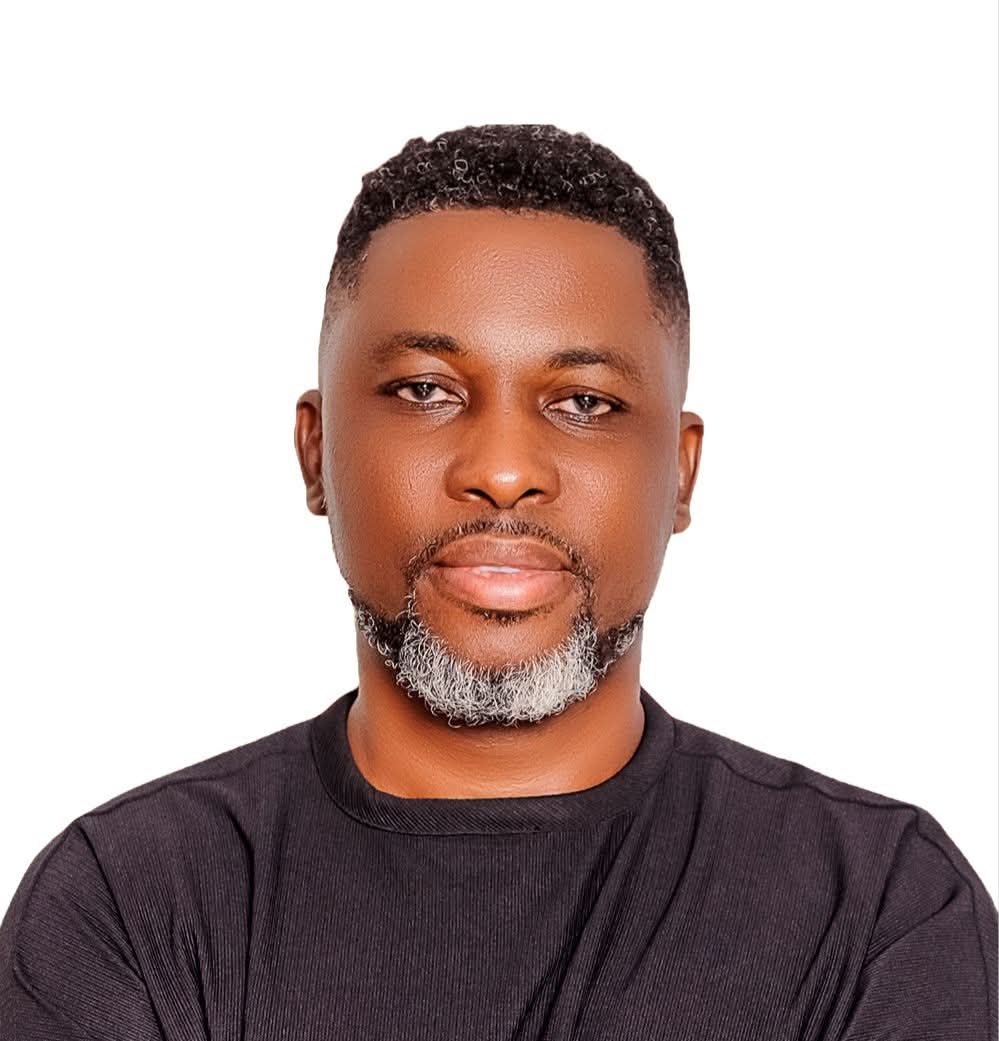
Member of Parliament for Gomoa Central, Kwame Asare Obeng, popularly known as A Plus, has detailed the steps he took to alert state institutions about a land dispute he feared could turn violent.
This comes after the recent violence linked to the Gomoa land dispute a few days ago.
Speaking on Joy News on September 3, 2026, in Accra, A Plus rejected suggestions that the government failed to act on his warning, insisting that the Ministry of Interior took the necessary steps after receiving his letter.
According to him, shortly after becoming the Member of Parliament for Gomoa Central, he wrote to the Lands Commission to seek clarity on the boundaries between Gomoa Central and Effutu.
He explained that his decision was aimed at preventing possible confrontations over administrative and traditional boundaries.
The Lands Commission, he noted, later provided him with a comprehensive report outlining the boundaries of the Gomoa and Effutu lands.
A Plus further disclosed that he wrote to the Ministry of Local Government to seek clarification on where the Gomoa Central District begins and ends.
After receiving responses from the two institutions, he wrote to the Ministry of Interior, raising concerns about an area he described as being deep within Gomoa Central but where votes cast during elections were counted as part of another constituency.
He questioned why an area that, according to the reports he received, falls within Gomoa Central was being linked to Effutu for electoral purposes.
The Gomoa Central MP also raised concerns about the location and naming of a police headquarters in the area.
According to him, the Ghana Police Service established a police station in the disputed area and named it the Effutu North District Police Headquarters.
He argued that although the police station was important for maintaining security, its name could create the impression that the disputed land belonged to Effutu.
“The Lands Commission has also given us a report that indicates that this place is not Effutu. So how can you come and put Effutu North Police Station inside Gomoa Central?” he questioned.
A Plus maintained that the police station should be renamed the Gomoa Akronkwanta Police Station to avoid further tension over the dispute.
He stressed that he followed due process by engaging the relevant state institutions and providing them with all the information he had gathered.
According to him, the Ministry of Interior also conducted its own investigations and subsequently wrote to the Ghana Police Service regarding the matter.
The police later invited chiefs connected to the dispute for discussions, he explained, but expressed concern that nearly a year later, there had been no known outcome.
“We have not heard anything,” he stated.
A Plus maintained that the relevant institutions acted after his warning but indicated that the matter remained unresolved following the police engagement with the chiefs.
By: Jacob Aggrey
Over 650 Basic Education Certificate Examination (BECE) graduates in the Suhum Municipality have received support ahead of their transition to Senior High School (SHS).
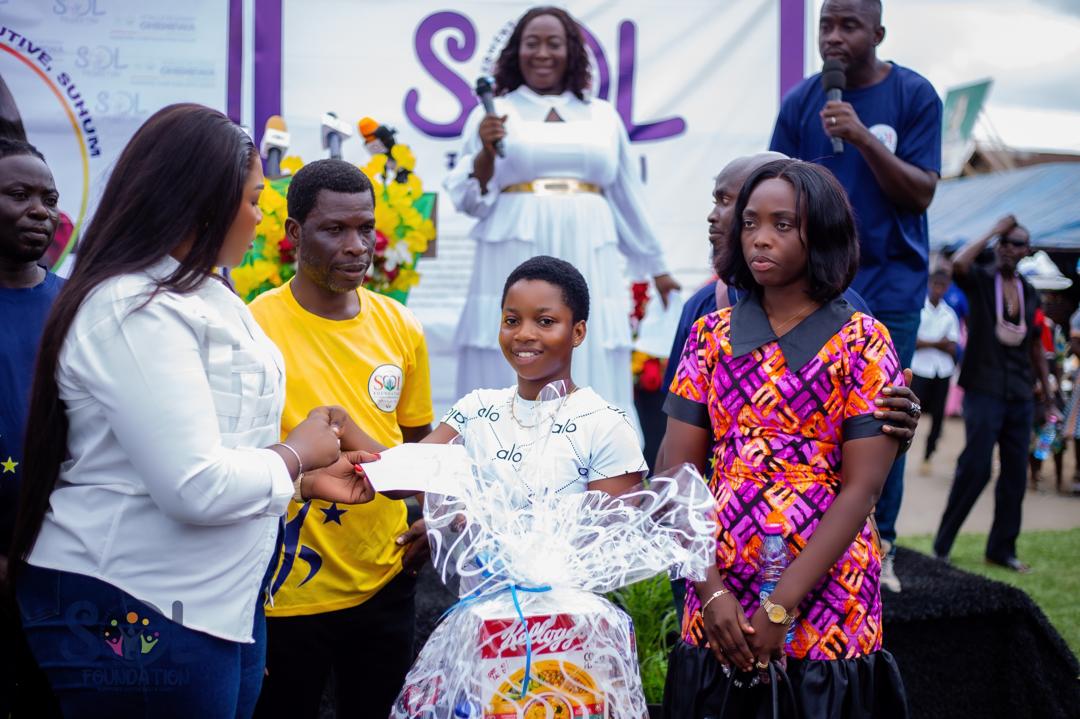
The Municipal Chief Executive (MCE) for Suhum, Lydia Sarah Ohenewaa led the initiative on Friday, September 4, at the Suhum Main Station, where beneficiaries were given trunks, mattresses and buckets to aid their preparation for boarding school.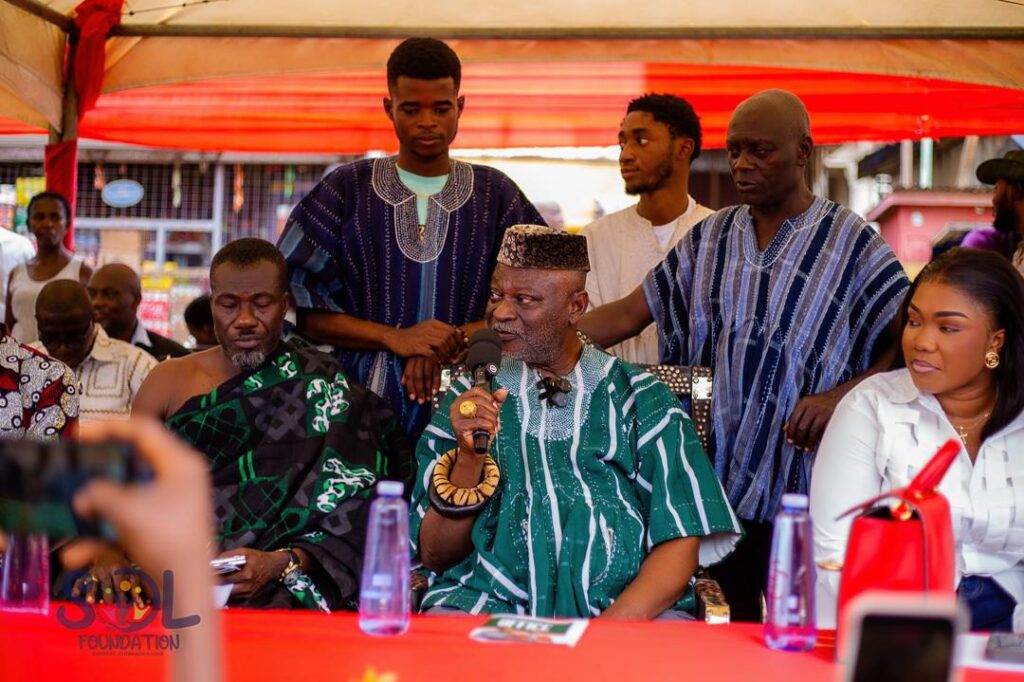
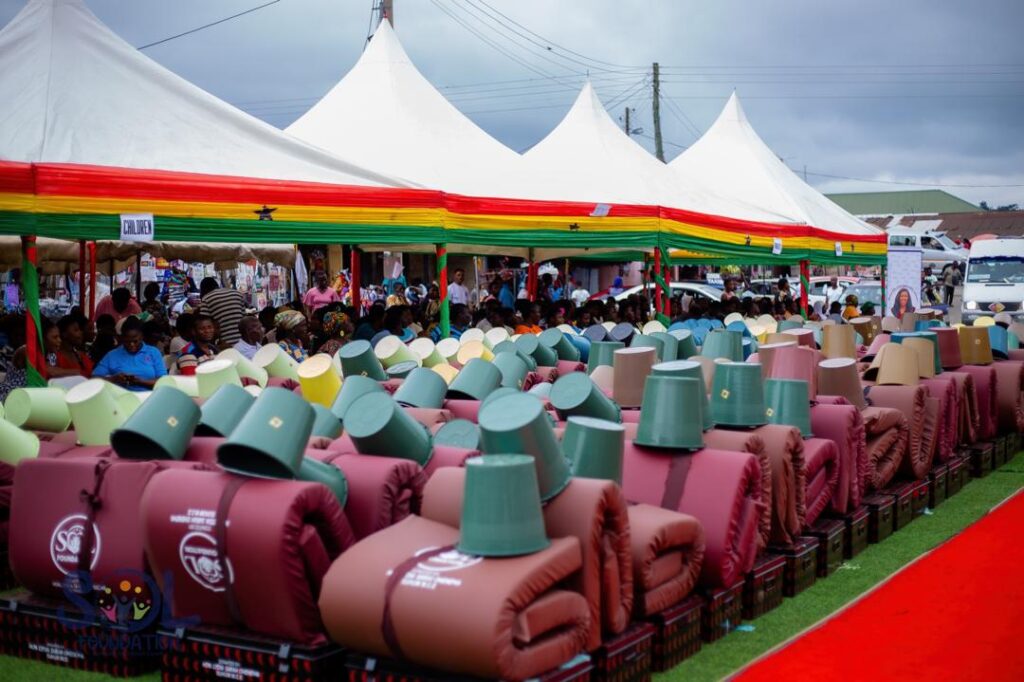
Outstanding BECE candidates were also rewarded with hampers and cash prizes.
Addressing students, parents and community members, the MCE urged the graduates to stay focused on their education and work hard to achieve their goals.
She appealed to individuals, corporate bodies and philanthropic organisations to support students from less privileged backgrounds who face challenges continuing their education.
The intervention was undertaken in partnership with the SOL Foundation, an organization dedicated to supporting vulnerable and less privileged members of society.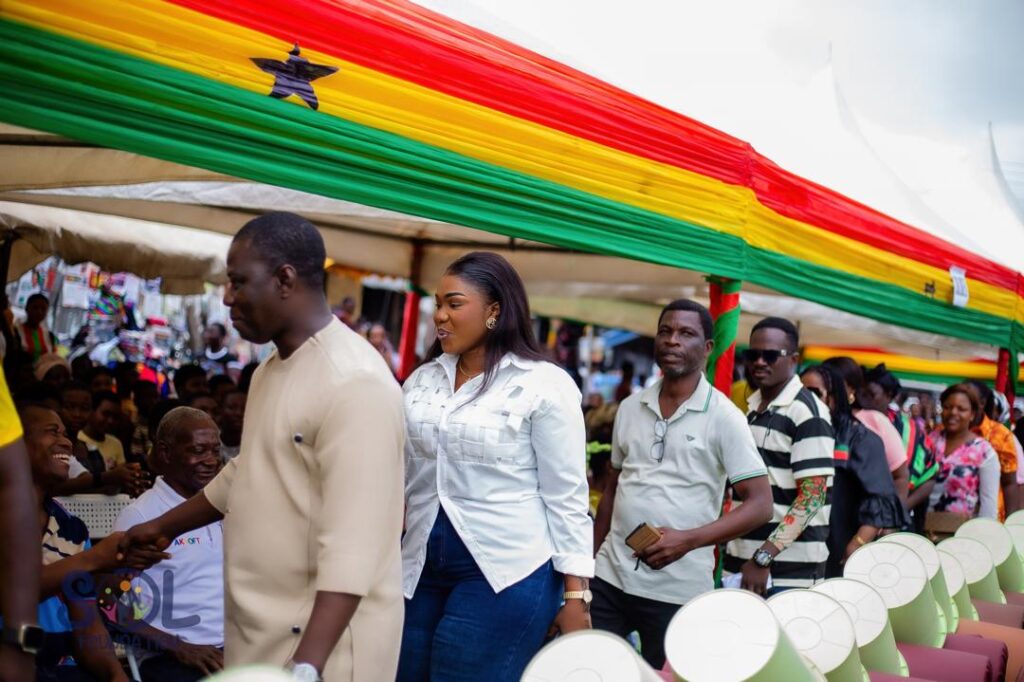
The event brought together students, parents, education stakeholders and community members to celebrate academic excellence and support learners in need.
The gesture is expected to ease the financial burden on parents and motivate the beneficiaries to strive for academic excellence.
The MCE and the SOL Foundation reaffirmed their commitment to initiatives that promote education and support disadvantaged groups.
By Edem Mensah-Tsotorme