Entertainment
Lost art: COVID-19’s devastating impact on Ghana’s arts


The role of artists is to express themselves and tell a certain truth about their society in their work.
Art does, and always will, offer insights into who we are and what we are experiencing, as individuals and as a society as a whole.
But art is a money-making venture, and with the world effectively at a standstill, gallerists, dealers, and the artists they represent are essentially operating without one of their greatest sales tools, that is the human connection.
With the COVID-19 pandemic in place, the conventional process of communicating an artist’s vision and enticing collectors, institutions, and gallery goers to buy into it both figuratively and literally has been dormant.

In an interview, Mr. Philip Opuni, a fine artist at the Kumasi Cultural Centre in the Ashanti Region, said the pandemic had shuttered his business
“The principal effect, of course, is not being able to be present physically in front of a piece of work,” he said.
He again said that, visiting the museums, galleries, and having studio visits with artists and interacting with artwork personally was integral to the industry, especially during traumatic moments.
He said that, moments like the one we are in now, ie rising unemployment, instability, and uncertainty, could have an effect. “Many are less concerned with starting or building collections than they are with securing the basic necessities in order to survive.”
“I am not worried about the negative impact of COVID-19 on art, I am, however, worried of the people who count on a functioning art industry to make ends meet and whose livelihood is dependent on museums, galleries being open, on shows being guarded, maintenance being performed, art works being shipped, and sales being made,” he added.
One Mr. Harrison also said, artists were concerned with how long this pandemic was going to last, especially as social distancing was a serious impediment to the process of production.
He said, mass job losses, venue closures and most significantly, the threat of contracting the disease were factors that the art industry wasn’t prepared to face. “The economic hardship might have similarities, but the effect on how we look at art, and how we function as an art community has fundamentally changed,” Mr. Harrison explained.
Ms. Philomina Awudu, an artist at the Tamale Cultural Centre said, the pandemic was changing the way we valued art, which is the biggest question we do not have an answer to.
There is a world where by looking only digitally at art, I can imagine lasting effects on the perception and taste of art. One can ask: Will artwork that is virtual dictate our taste?
“Will it determine the trajectory of the art of the future?”, she asked.
She said, the outbreak of COVID-19 had also led to deeper introspection. Artists, by and large, were required to hit the pause bottom, which revealed a sense of clarity that perhaps wouldn’t have been apparent if the industry continued business as usual.
Reporters, political pundits, health experts, and commentators are all spewing facts and figures, debating over the right course of action to take to move the nation forward. Artists, on the other hand, have the ability to offer a different kind of vision of the future.
Ms Philomina said, “Art is the soul of any civilised society, and I love my part in it; but I am no expert in the business of art, only creating mine, but the current state of the art world, like that weekend at various cultural centres in the country, is cloudy.”
From Geoffrey Buta, Kumasi.


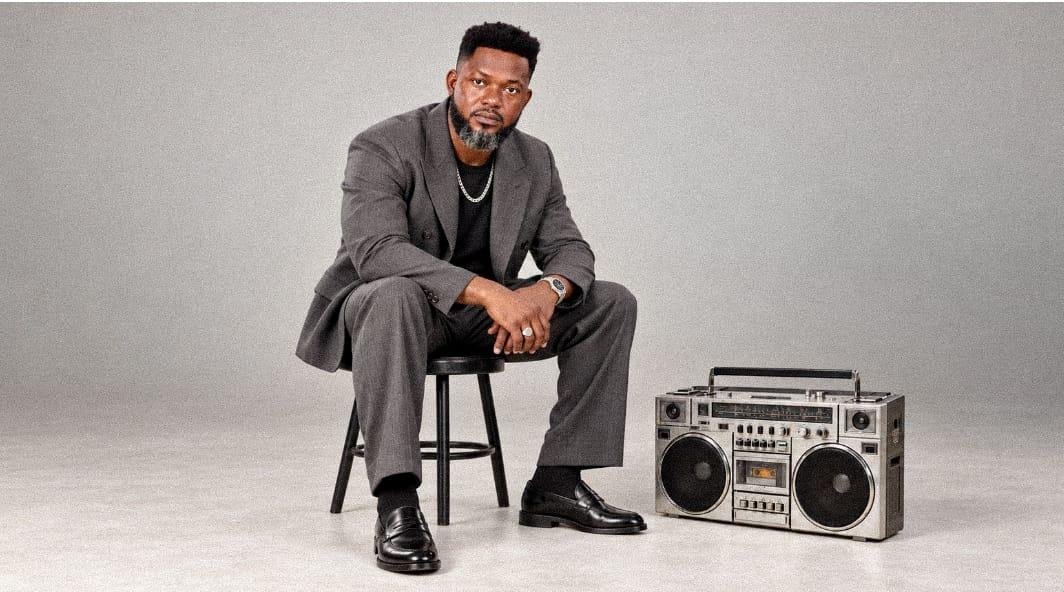
Ghanaian musician Sparqlyn is set to release another big hit.
His latest release, ‘Rosina,’ features Germany-based Ghanaian musician, video director, and sound engineer TEENO (known privately as Eric Kwame Tamakloe).
TEENO’s project ‘Signs’ was recently accepted by the Grammys for official consideration in the ‘Album of the Year’ category. Now, ‘Rosina’ is making serious waves across the airwaves.
Coming shortly after the impressive reception to his previous single ‘Fameko,’ ‘Rosina’ is already receiving strong attention from music lovers and radio listeners.
This new song carries an infectious Afrobeats and Hiplife feel while maintaining the romantic direction that characterised ‘Fameko,’ Sparqlyn’s 2026 Highlife collaboration with Ziya.
‘Fameko’ marked an important moment in Sparqlyn’s musical journey, with the love-themed highlife record receiving positive reactions from music lovers and media platforms following its June 2026 release.
The song became one of the highlights of his 2026 output, ranking high on multiple charts.
‘Fameko’ has also bagged Sparqlyn two top nominations: “Highlife Song of the Year” and “Artist of the Year” at the 2026 Stars Awards.
The combination of a romantic storyline, Afrobeats rhythm, and Hiplife influence give the song a sound that fits comfortably into the current Ghanaian music landscape.
The timing of the song’s release could also prove significant for the award-winning artiste. Sparqlyn recently secured two nominations at the 2026 Ghana Youth Empowerment Awards, where he is in contention for Youth Empowerment Advocate of the Year and Outstanding Youth Personality of the Year.
With ‘Fameko’ having established strong momentum earlier in the year and ‘Rosina’ now beginning to enjoy significant airplay, Sparqlyn appears to be ending another eventful chapter of his musical career on a high note.
SKIP THE QUEUE, TAP THE NEWS

You can now read the Ghanaian Times and The Spectator newspapers from the comfort of your device via TimesNewsPlus.
Join our WhatsApp Channel: https://whatsapp.com/channel/0029VbBElzjInlqHhl1aTU27

Ghanaian highlife and Afrobeats singer Kuami Eugene Marfo known in showbiz circles as Kuami Eugene has urged fellow musicians and entertainers to use their influence on social media and other platforms to champion causes that positively impact society.
The award-winning artiste made the call during a UNICEF Ghana birth registration advocacy campaign in Bepoase in the Ayensuano District of the Eastern Region, where he joined officials from UNICEF Ghana and the Births and Deaths Registry to raise awareness about the importance of registering children at birth.
He explained that artistes wield significant influence and should leverage platforms such as TikTok, Facebook and Instagram to amplify important social initiatives and encourage behavioural change.
The musician, who has partnered UNICEF Ghana on several child-focused campaigns, said he had a special interest in issues affecting children and was committed to supporting efforts that improved their welfare and future opportunities.
He noted that birth registration was critical because it established a child’s legal identity and ensured recognition as a Ghanaian citizen.
The advocacy drive forms part of UNICEF Ghana’s efforts to improve birth registration rates across the country through community engagements, public education and collaboration with traditional authorities.
The musician said he remained focused on creating quality music while continuing to support social causes that contribute to national development, particularly initiatives aimed at improving the lives of children. –GNA
SKIP THE QUEUE, TAP THE NEWS
You can now read the Ghanaian Times and The Spectator newspapers from the comfort of your device via TimesNewsPlus.
Join our WhatsApp Channel: https://whatsapp.com/channel/0029VbBElzjInlqHhl1aTU27