News
Lesotho PM resigns amid ex-wife’s murder case

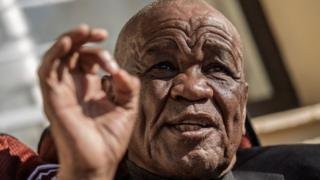
Thomas Thabane has formally stepped down as prime minister of Lesotho following months of pressure after he was named as a suspect in the murder of his ex-wife.
The 80-year-old’s current wife, with whom he was living at the time of the murder, was charged in connection with the killing in February.
The pair have denied any involvement.
Finance Minister Moeketsi Majoro is expected to be sworn in as Mr Thabane’s replacement.
“The time to retire from the great theatre of action, take leave from public life and office has finally arrived,” Mr Thabane said on national television on Tuesday announcing his resignation.
He said he was stepping down because of his age, adding: “I am no longer as energetic as I used to be.”
He made no reference to the murder case but thanked his wife and “entire family for their unwavering support to me as prime minister”.
He also made reference to the fractious nature of politics in the country, saying that some had tried to take advantage when he announced, in January, that he would be stepping down.
Lesotho has been plagued by political instability this year – he lost his majority in parliament last week when the coalition backing him fell apart and a new government is expected to be installed on Friday.
Gunmen shot and killed Lipolelo Thabane on June 14, 2017 – two days before Mr Thabane was sworn in as prime minister.
While returning home, she was ambushed, shot several times at close range and died on the side of a dirt road. She was 58.
At the time, Lipolelo was going through a bitter divorce with Mr Thabane and had been living apart from her husband since 2012.
He had moved in with a new woman, Maesaiah Thabane, sometime between 2012 and 2017.
Mr Thabane appeared in court in February for acting in “common purpose” but he hasn’t been formally charged yet.
Mr Thabane, 80, is one of Africa’s oldest leaders and has spent most of his working life as a politician.
No stranger to political rivalry, Mr Thabane once fled to South Africa, alleging a coup plot by the military and had to be escorted back to Lesotho by the police.
In the February court case, his lawyer argued that his position as prime minister granted him immunity from prosecution. -BBC


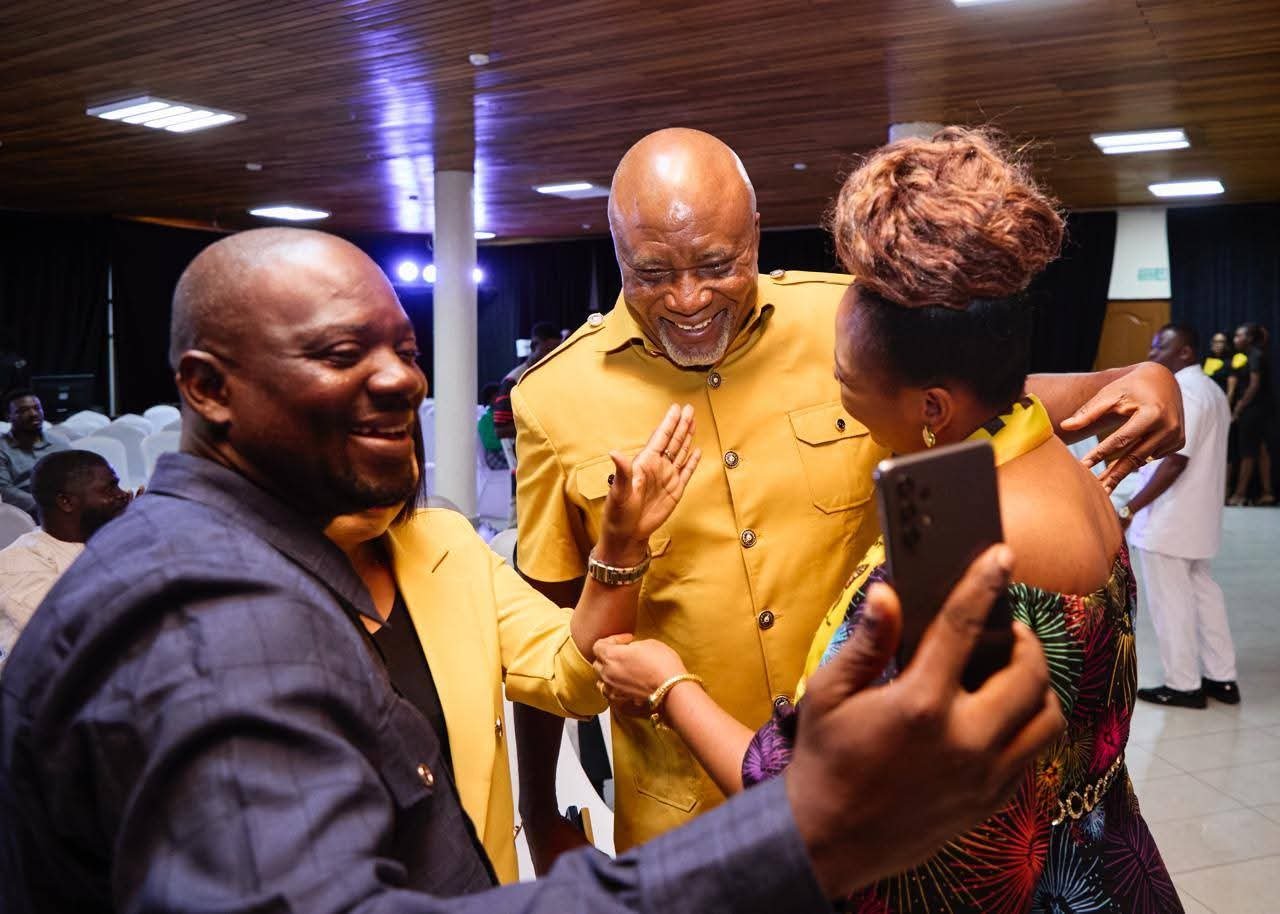
A leading member of the newly rebranded United Party, also known as UP, Hopeson Adorye, has called on Ghanaians who feel dejected or oppressed in politics to join the new party, describing it as a better political home for all.
He made these remarks at the launch and rebranding of the Movement for Change into the United Party (UP) at the Coconut Grove Hotel in Accra on Thursday, October 16.
Mr. Adorye explained that the party was fully ready to serve as an alternative political force to address Ghana’s challenges.
He noted that the UP leadership was focused and determined to change the country’s political structure and bring meaningful transformation.
He stated that the party’s vision was to build a united Ghana, stressing that without unity, the nation could not make real progress.
According to him, the mission of the UP was to create a prosperous country where every citizen could provide for themselves and their families.
Mr. Adorye emphasised that the new party was not formed to destroy any existing political organization but to contest and win elections to bring about the needed change.
He expressed confidence that many Ghanaians from different political backgrounds, including those dissatisfied with their current parties, would join UP+ because of its values and inclusive ideology.
He added that the party was building its structures from the grassroots and hoped to complete them by the end of the year as part of efforts to strengthen its national presence.
The Founder of the United Party (UP), Alan Kwadwo Kyerematen, also addressed the gathering and reflected on the transformation of the Movement for Change into the UP+.
He explained that the rebranding marked a new phase of political renewal, symbolized by the monarch butterfly in the party’s logo, which represents transformation, resilience, and endurance.
Mr. Kyerematen noted that the colors of the party yellow, black, and white stood for Ghana’s gold resources, the black star of Africa, and purity, respectively.
He stated that the UP stands for ethical leadership, integrity, and unity, adding that many of its members entered politics to serve the nation, not for personal gain.
He revealed that the party’s Great Transformational Plan (GTP), which has received global recognition, would guide the UP+ government when elected.
“The plan is designed to stabilize the economy, reduce the national debt, and promote industrial growth through ten strategic anchor industries” he added.
He explained that the health policy would emphasize preventive care, community-based services, and the inclusion of traditional and herbal medicine, which many Ghanaians rely on.
Mr. Kyerematen further stated that the UP would promote a strong Pan African agenda, explaining that Ghana’s prosperity must be tied to the wellbeing of the entire continent.
He noted that the party believes in Ghana first, and its policies were anchored on uniting the country and restoring hope in national development.
By: Jacob Aggrey
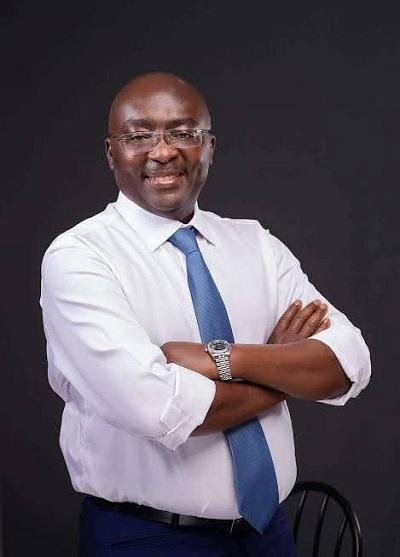
Flagbearer hopeful of the New Patriotic Party, Dr. Mahamudu Bawumia, has appealed to the rank and file of the party to rally behind him as he prepares to lead the party in the 2028 elections.
Addressing delegates in Sene East during his campaign tour, he highlighted key contributions to the party.
He revealed that at the behest of former president, Nana Addo Dankwa Akufo-Addo, he left his job at the Bank of Ghana to work for the NPP.
According to him, many asked him to rescind the decision. However, because of his loyalty to the party, he resigned from the bank to be their running mate.
He added that at the African Development Bank, he resigned in 2012 just to serve the party at the highest level.
“I defended the party in 2012. We lost, but I stayed in Ghana to put pressure on John Dramani Mahama and the NDC,” he added.
He is therefore urging the party to choose continuity and to back his leadership.
By: Jacob Aggrey

 Profile6 days ago
Albert Litela Obidiaba: The artist who wove Ghana’s soul into the King’s Baton
- News6 days ago
Daddy Lumba’s wife, children run to court to injunct December 6 funeral arrangements
 News1 week ago
President Mahama to meet Auditor-General, Chief Justice and Attorney-General over misuse of public funds