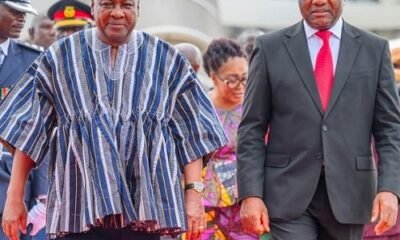
Fashion
Kente Cloth: All you need to know about Ghana’s gift to the world

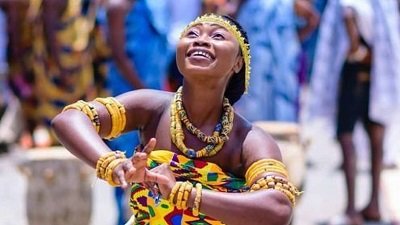
Kente fabric is a handwoven craft and requires a lot of skill, creativity and dedication. Here’s all to know about the famous fabric.
What is Kente?
Kente is a ceremonial cloth hand-woven on a horizontal treadle loom. It comes in strips measuring about 4 inches wide and sewn together into larger pieces of cloth. It comes in a variety of colours and different designs.
The word “Kente” comes from the word “kenten”, which means basket.
Kente is more than a clothing item, it is a visual representation of history philosophy, ethics, oral literature religious beliefs and political thought.
What tradition says about Kente
According to tradition kente is reserved for a special occasion, it is not meant to be used for common places or daily activities or as ordinary wear.
It can also be used as a special gift item or clothing item used for rites of passage such a child naming, puberty rites invitations, graduations, marriage ceremony, soul washing, burial and ancestral remembrance ceremonies.
Kente is used not only for its beauty but also for its symbolic significance
Origin of Kente
The origin of Kente cloth is explained partly with a legend and partly with historical account, coming from two important towns in Asante Region of Ghana, namely Bonwire and Adawomase.
A legend has it that a man named Ota Karaban and his friend Kwaku Ameyaw from the town of Bonwire (now the leading Kente weaving centre in Ashanti) learned the art of weaving by observing a spider weaving its web. Taking a cue from the spider, they wove a strip of raffia fabric and later improved upon their skill.
They reported their discovery to their chief Nana Bobie, who in turn reported it to the Asantehene (The Ashanti Chief) at that time. The Asantehene adopted it as a royal cloth and encouraged its development as a cloth of prestige reserved for special occasions
Names and meanings
Each of the cloth has a name and a meaning. These names and meanings are derived from historical events, individual achievements, proverbs, philosophical concepts, oral literature, moral values, social code of conduct, human behaviour, and certain attributes of plant and animals life.
Current significance of Kente
Kente has achieved tremendous international recognition and has become one of the tangible manifestations of an ever-growing sense of Pan Africanism.
Kente is more widely recognized as one of the shinning strands which make up the colourful cultural fabric of our global village.
pulse.com


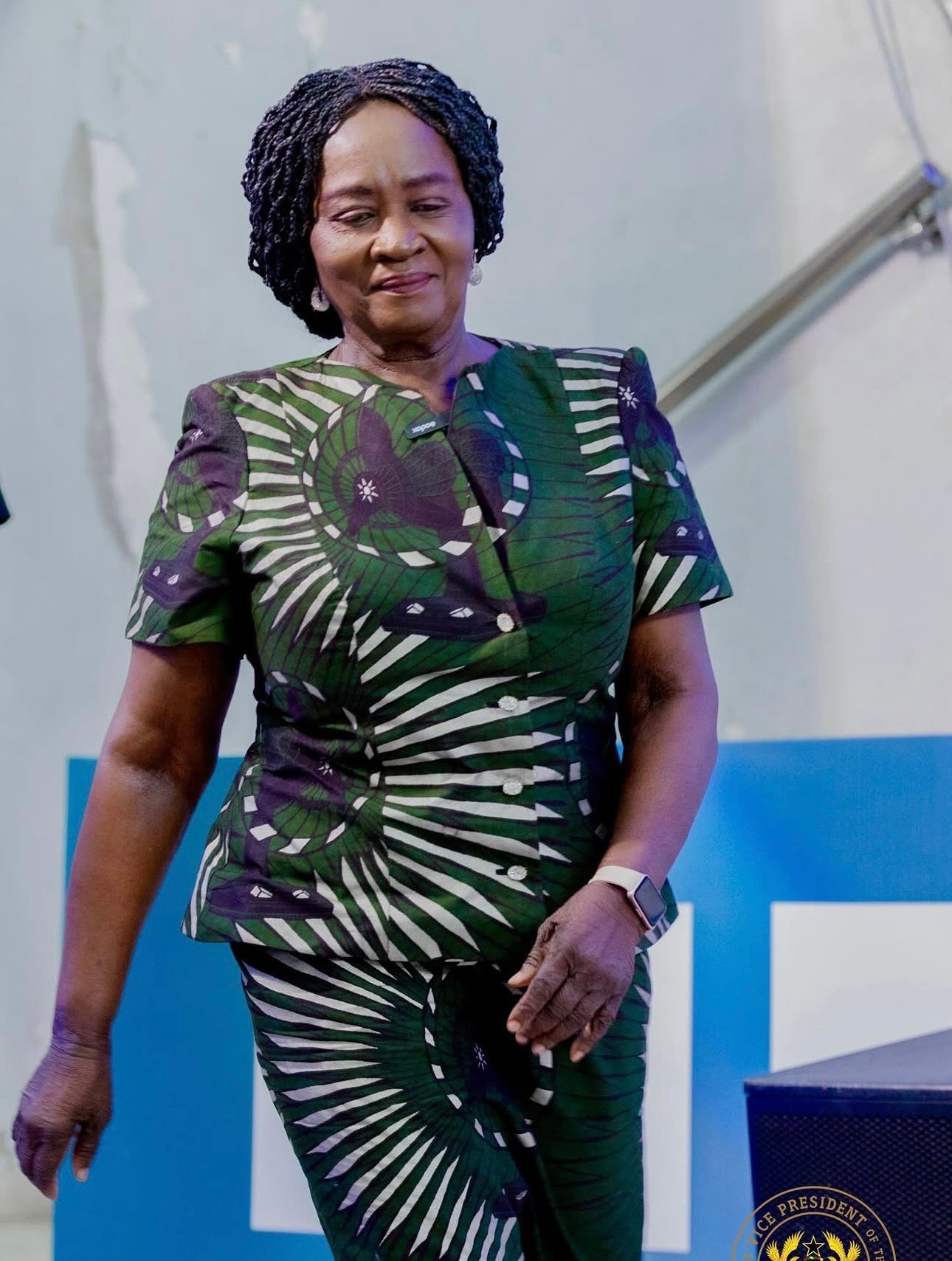
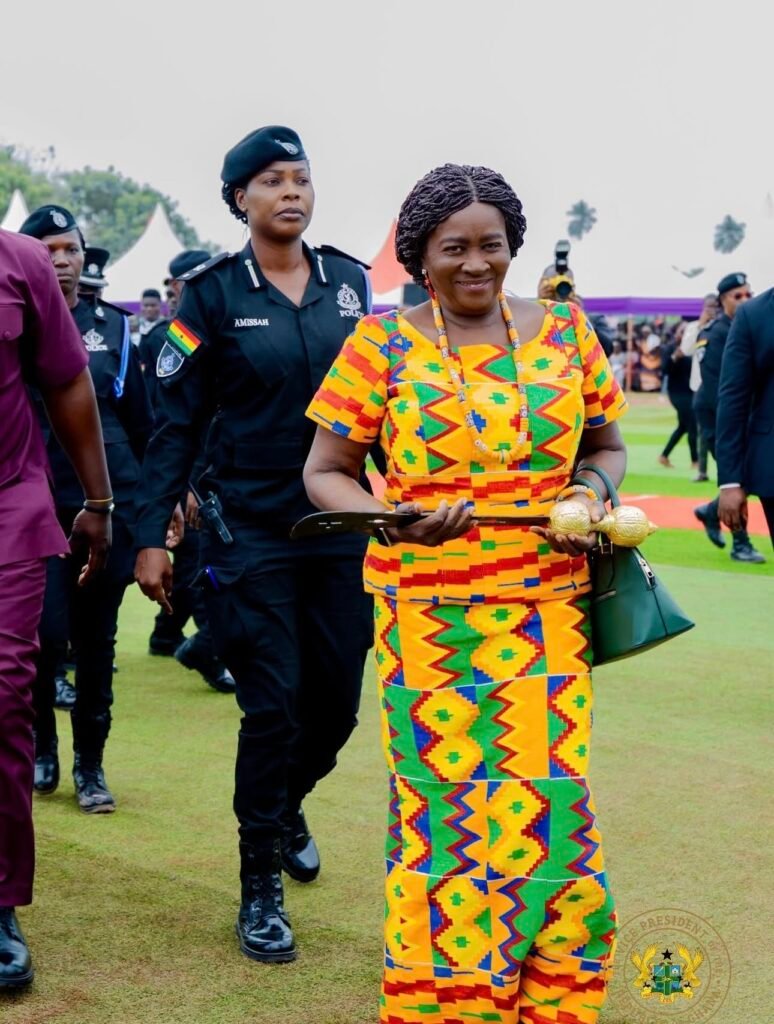
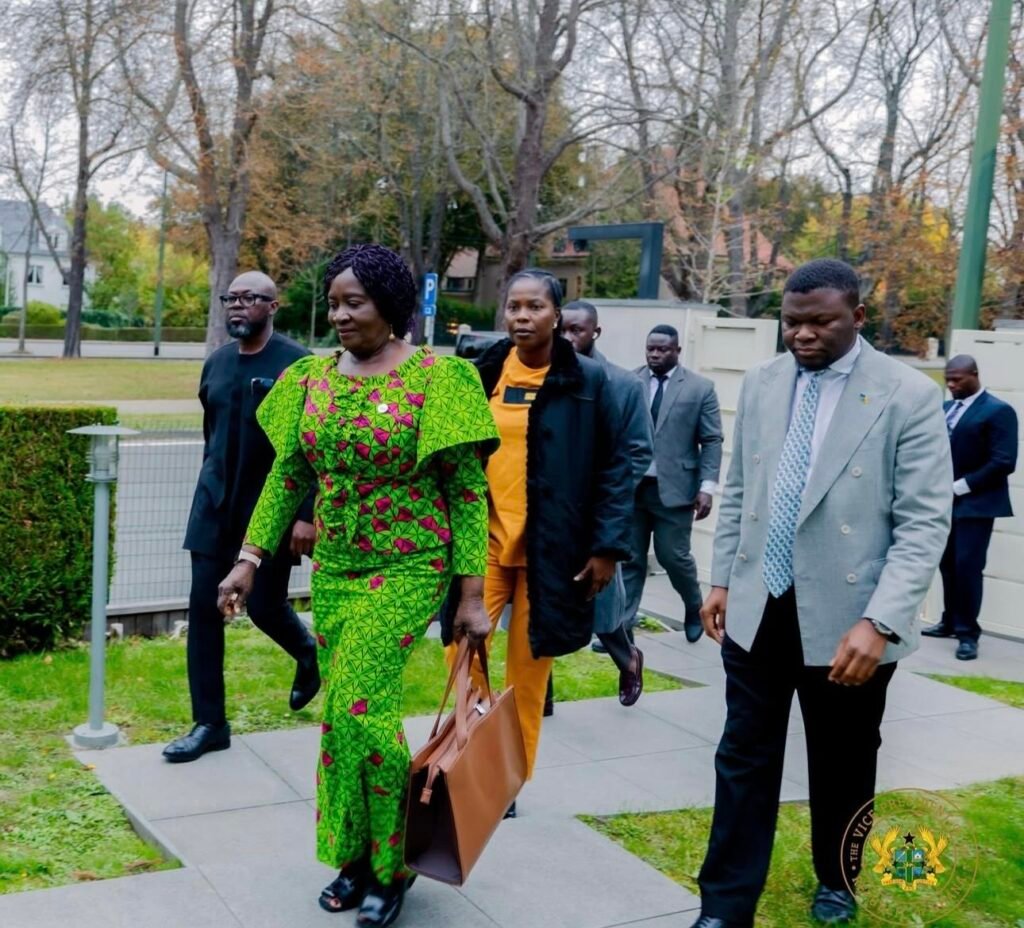
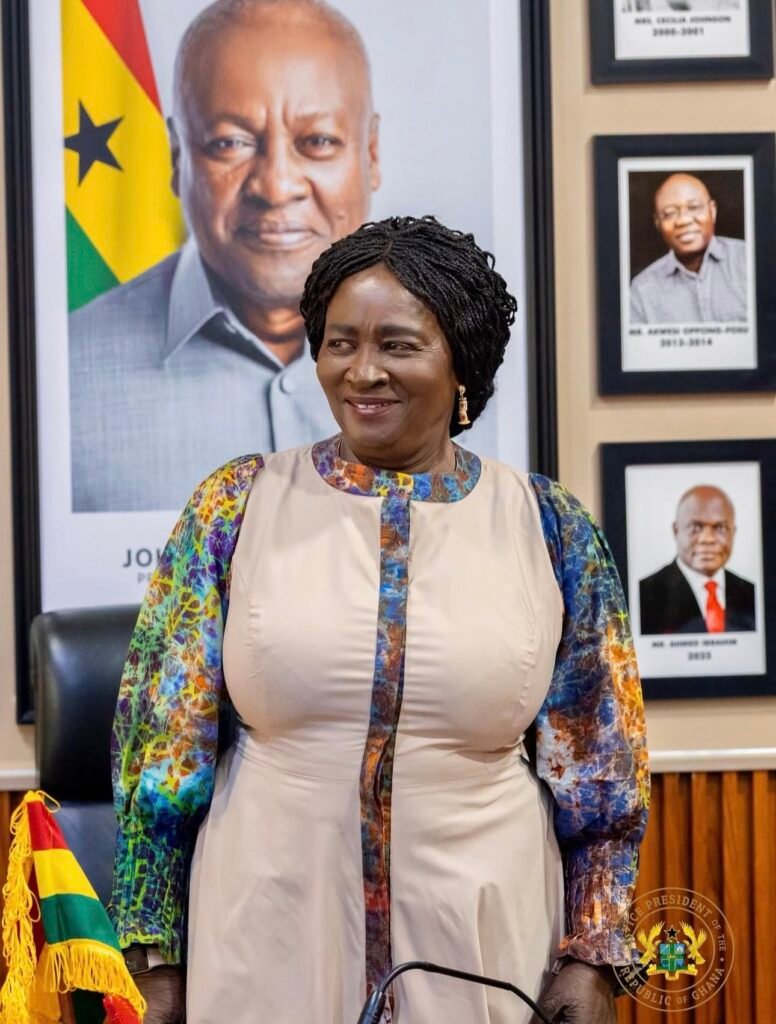
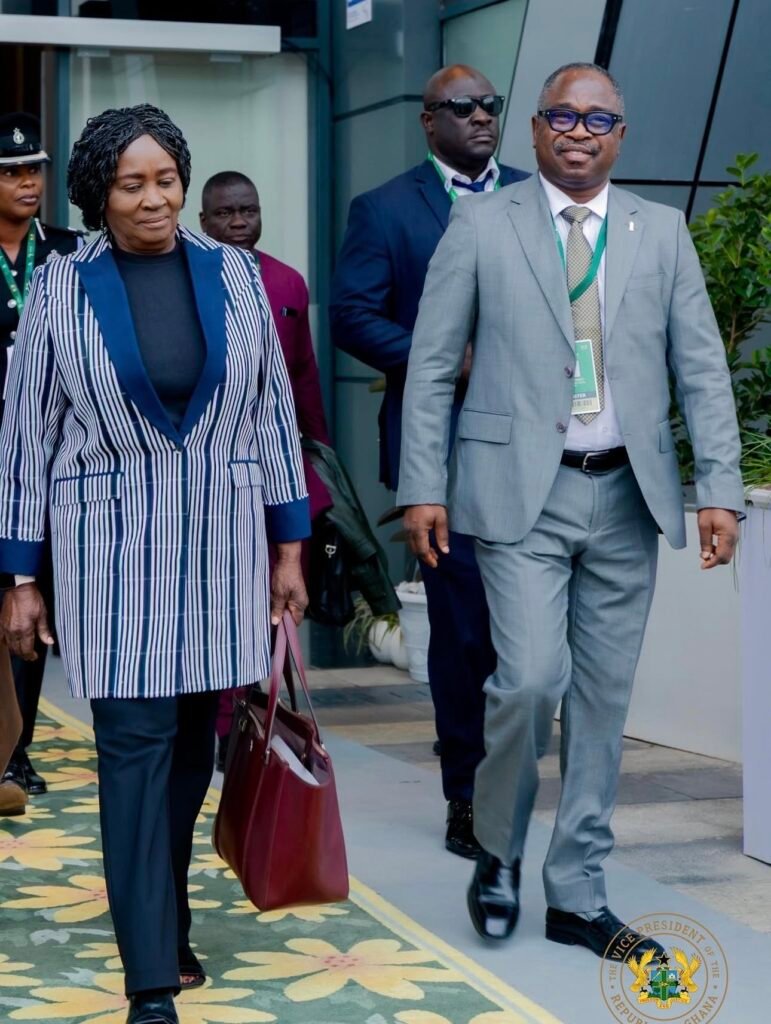
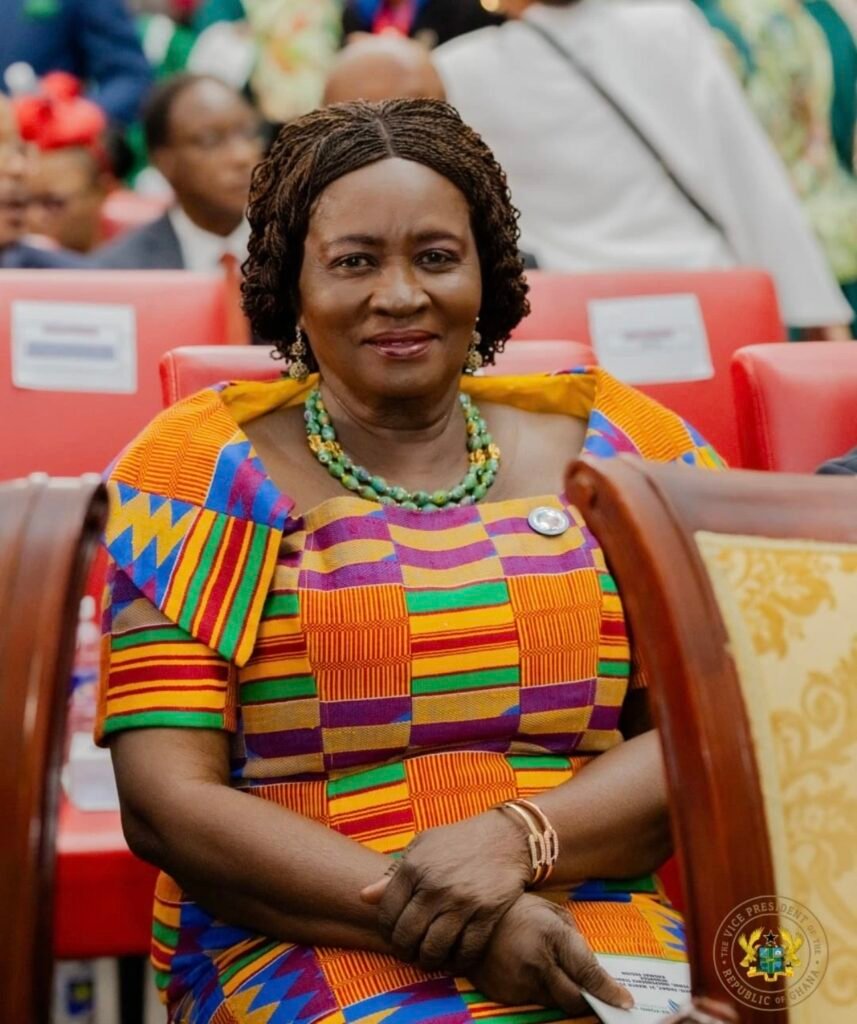
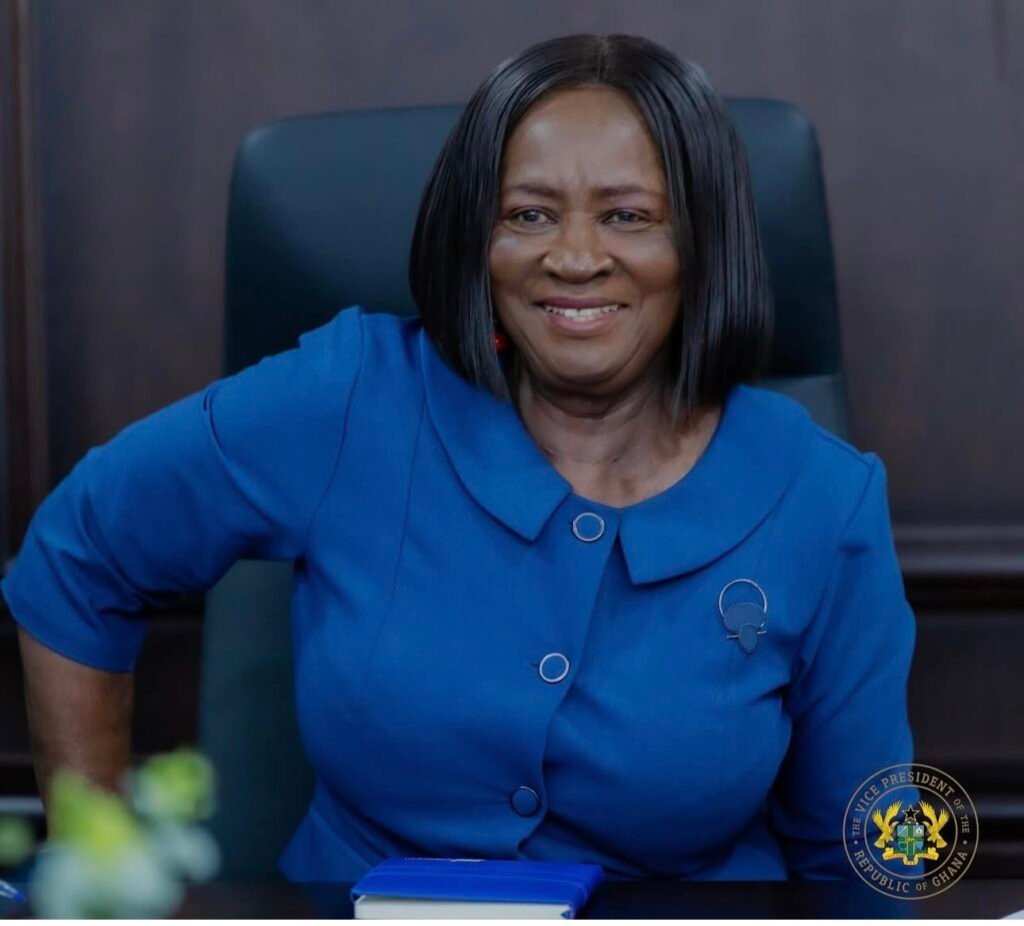
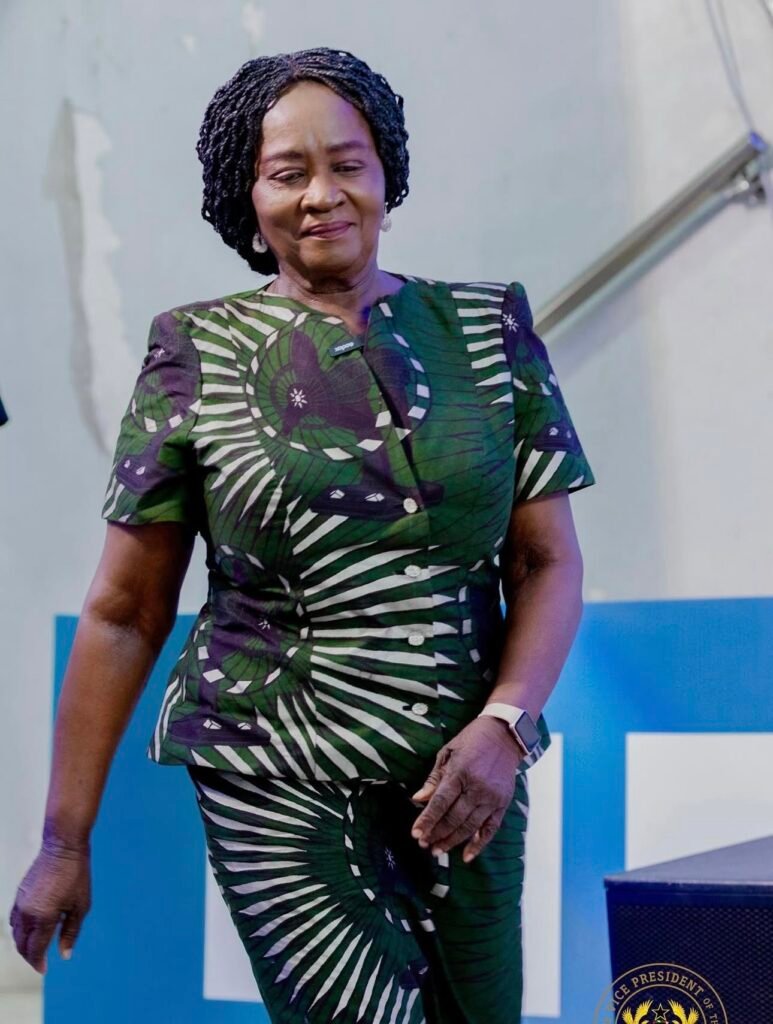
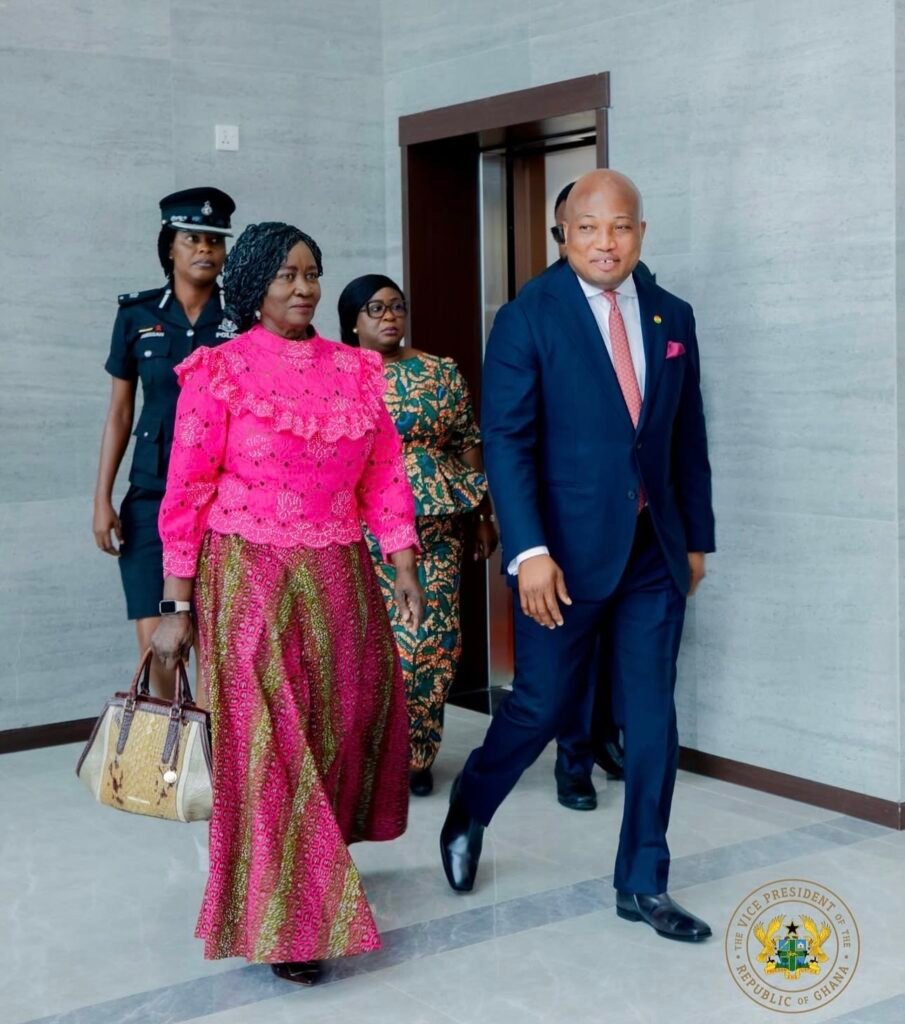
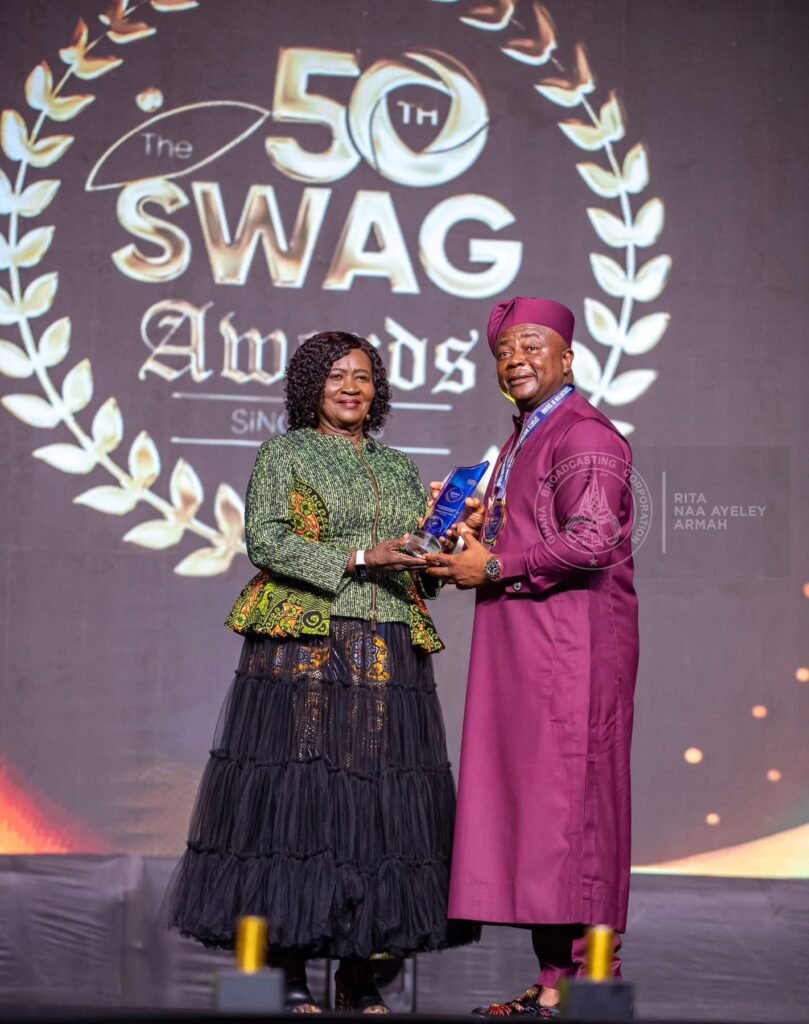
IN the grand halls of Ghana’s political stage, Vice President Jane Naana Opoku Agyemang has redefined what it means to dress for leadership.
Her fashion is not mere adornment, it is a deliberate statement of heritage, authority, and modern elegance.
At her swearing-in ceremony, she captivated the nation in an outfit designed by Ghanaian fashion icon Joyce Ababio. The ensemble was more than fabric; it was a tapestry of creativity, national pride, and symbolism.
By choosing a local designer, she underscored her commitment to Ghanaian artistry and the power of Made-in-Ghana fashion.
Her style identity blends regal African prints with tailored sophistication — flowing Kente-inspired gowns, structured jackets, and carefully chosen accessories to create a balance between authority and femininity.
Each outfit speaks a language of cultural pride, reminding the world that leadership can be both powerful and beautifully Ghanaian.
For young women watching, her fashion is aspirational. It says you can lead with intellect and grace, and you can wear your culture proudly.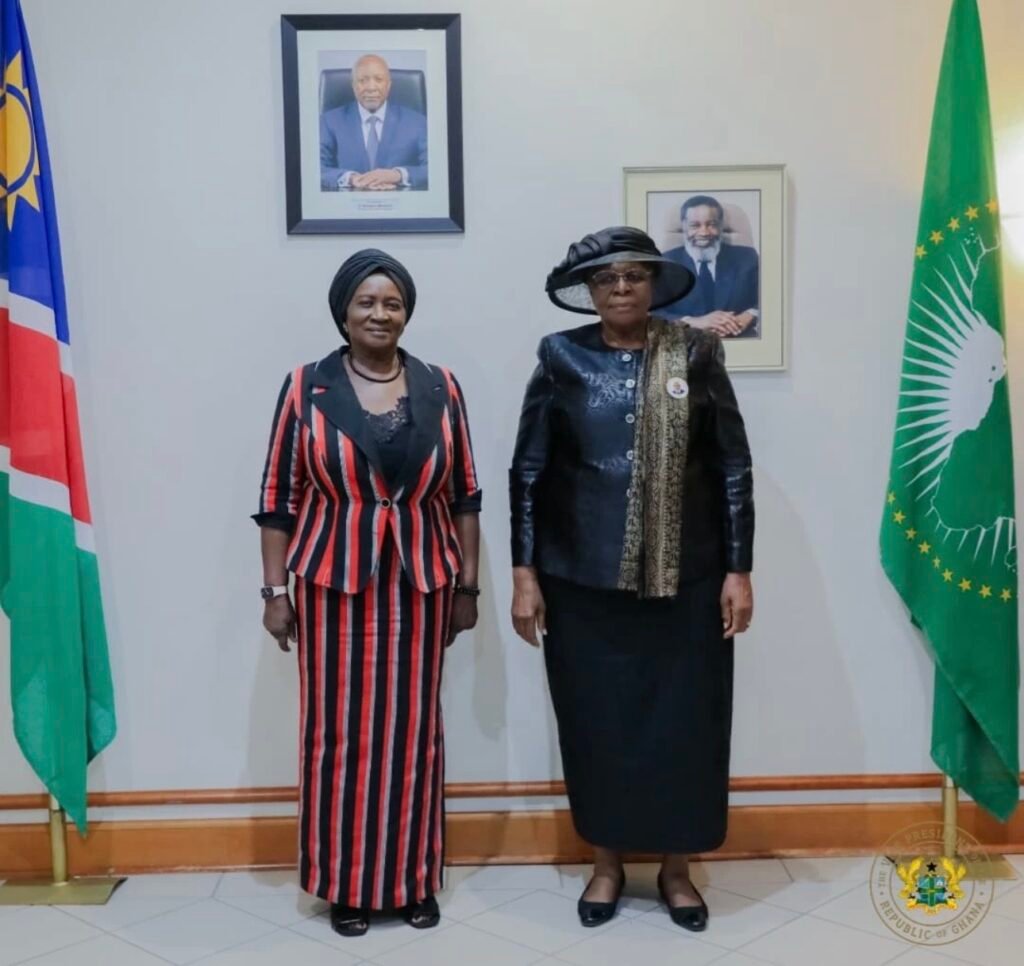
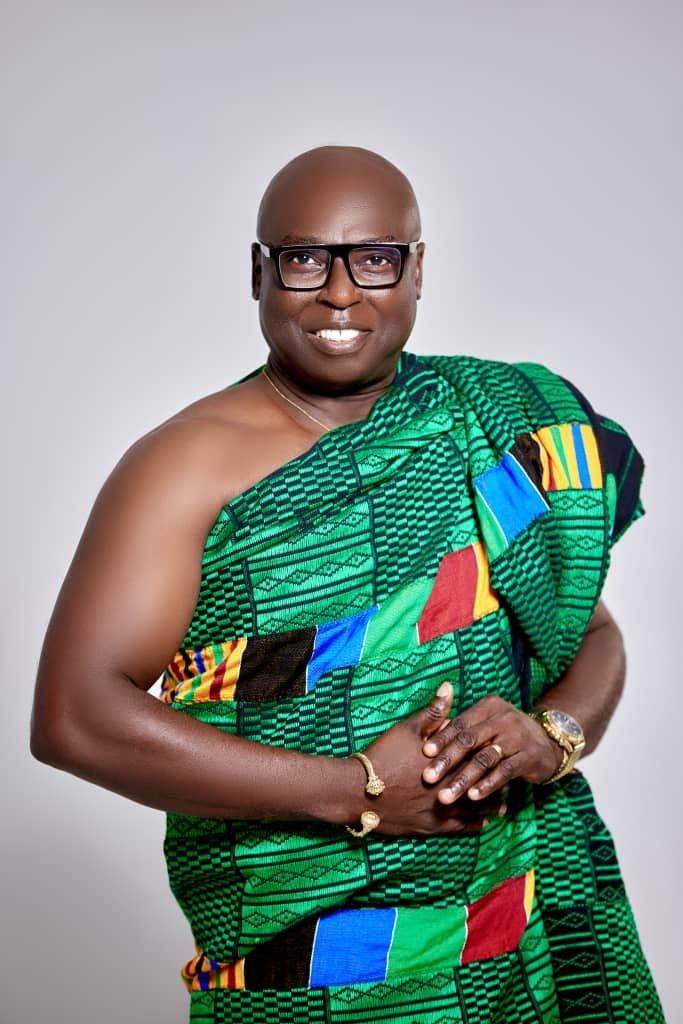
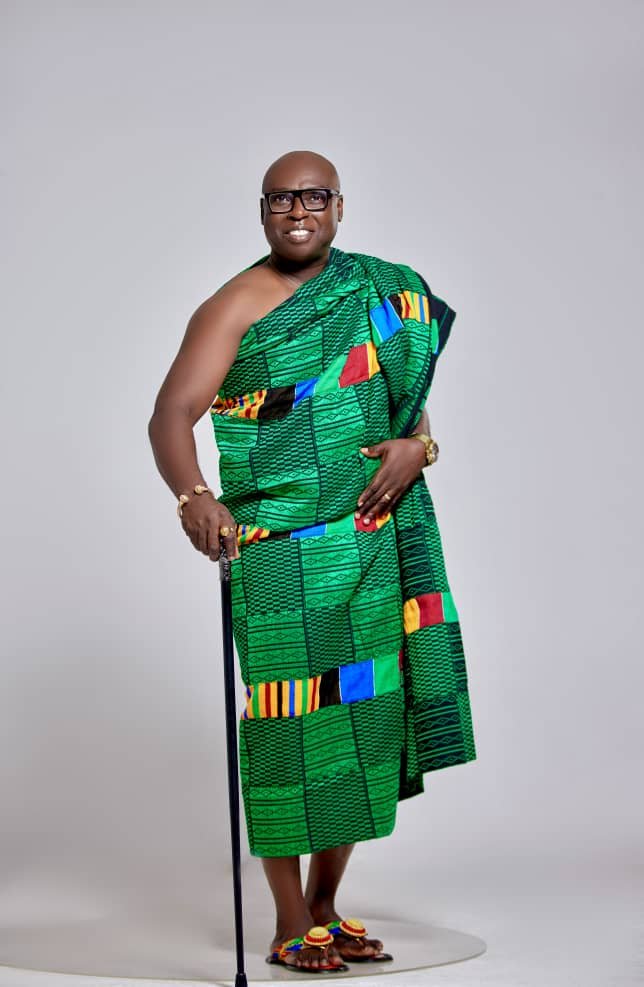
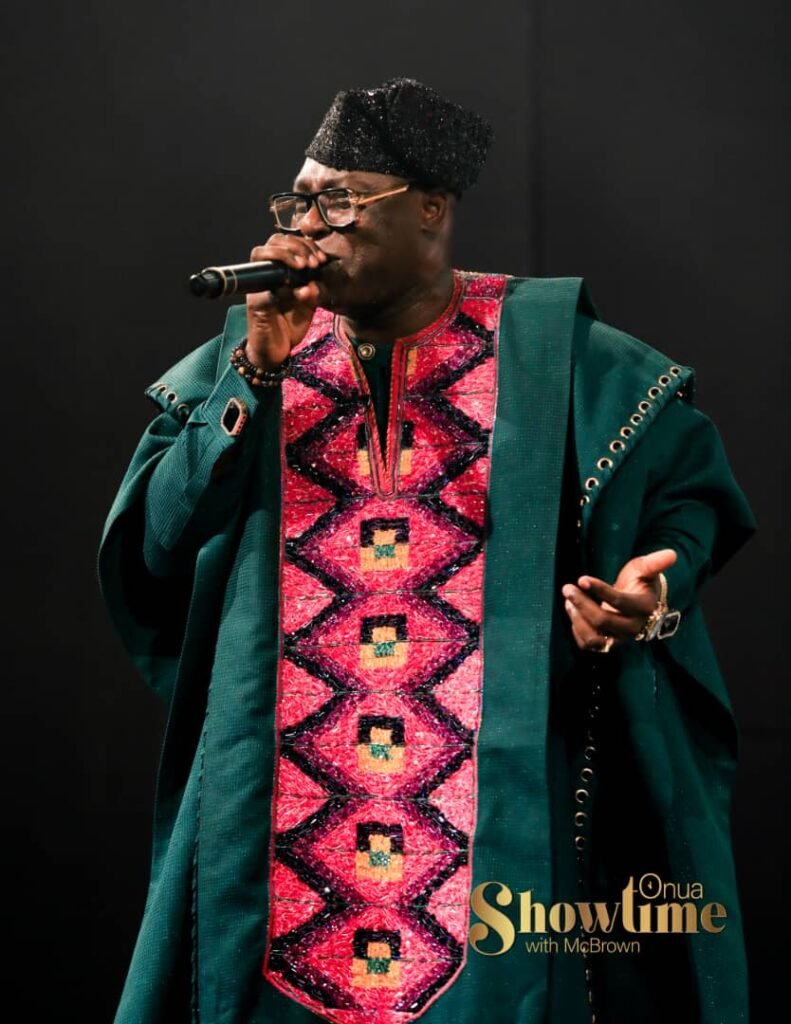
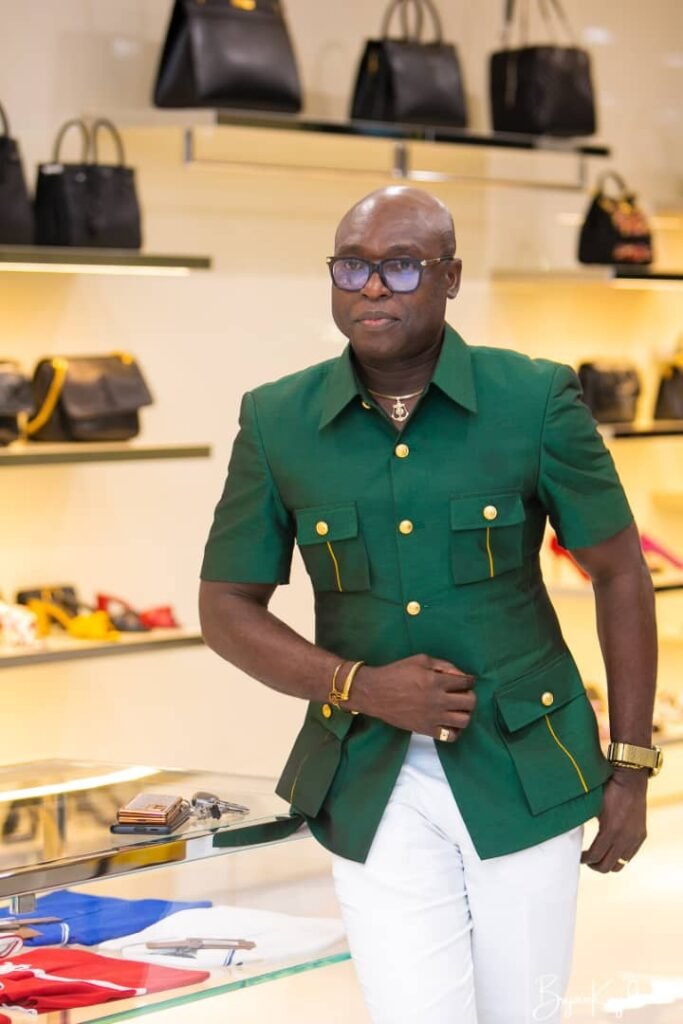
When it comes to fashion, gospel artiste, Assistant Commissioner of Police (ACP), Kofi Sarpong, leaves no stone unturned to turn up well.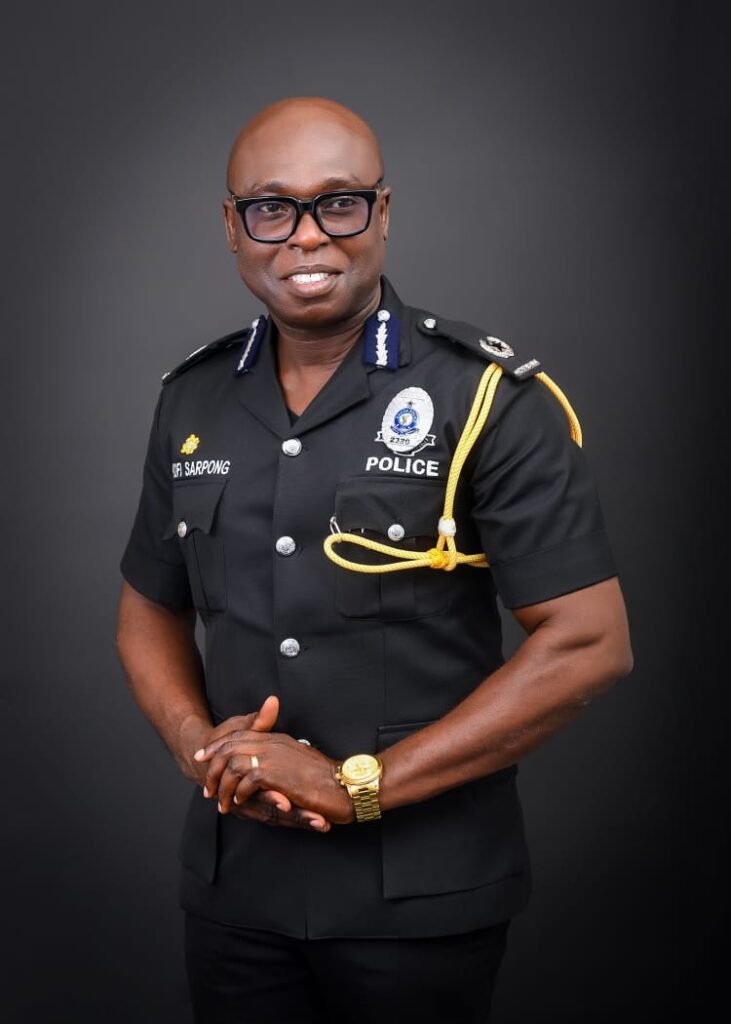
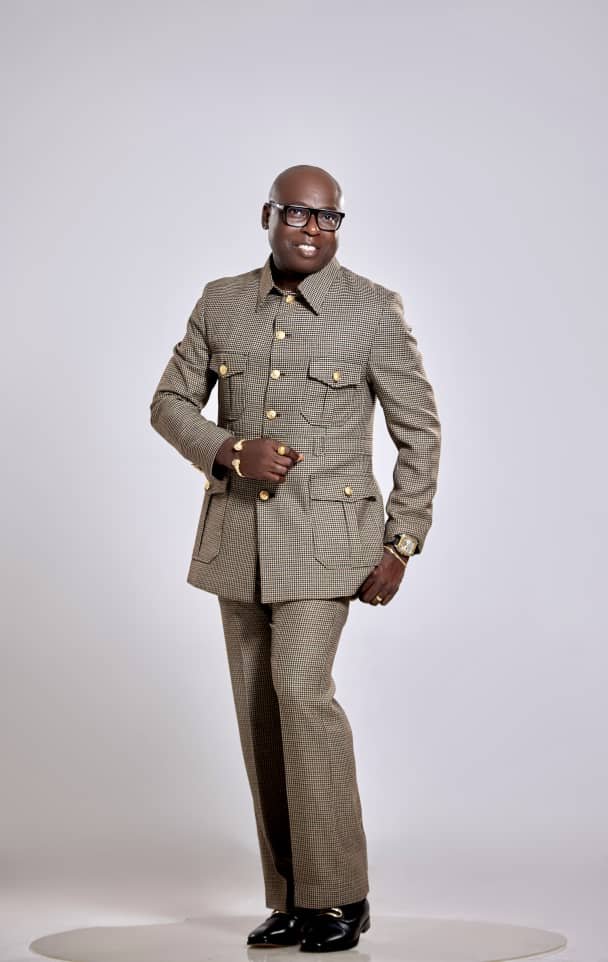
Recognised for his impeccable designs and style, he has become a fashion icon, blending sophistication with modern flair.
The ‘Miracle’ hitmaker steps out with bold colour choices, refined details and confidence that turns clothing into statement.
However, being vibrant in the industry over ten years, his fashion sense has always been the topic of the day.
His fashion sense are always on point.





By Linda Abrefi Wadie

 News6 days ago
CSP Catherine Gagakuma: The Firm, Fair, Fearless Officer in Charge at Awutu Camp Prison
- News1 week ago
Ghana Zambian Relations: President Mahama calls for economic reset and deeper cooperation
- News1 week ago
God has revealed Ghana’s next president, names Wontumi as NPP chairman- Nigel Gaisie