Sports
Journey well, Uncle Ebo

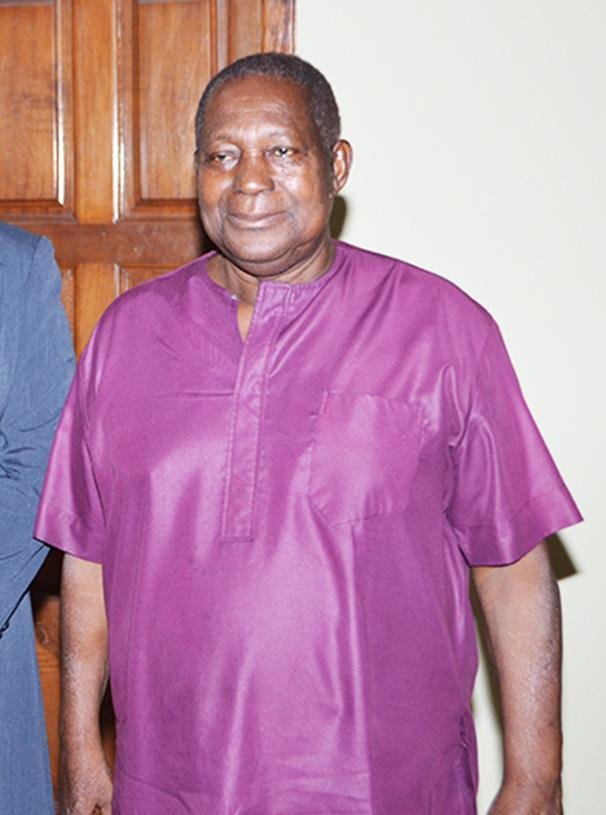
“I am a man for several seasons. I was born virtually on a cocoa farm, raised in a rural setting and became cosmopolitan, once spending 13 and a half years living in Her Majesty’s Great Britain. That is not all the contradictions surrounding my personality.”
The above was how Mr Kobina Ebo Quansah would describe himself when he meets you for the first time and wants to engage you.
On other occasions, he describes himself as a ‘Rebel with a course.’
In my developmental period as a Sports Journalist, he hardly called me by my name. He would look at me and just say ‘Hey my friend, my friend without history, how are you?
I often referred to him as ‘Ebusua’ due to his affinity with Mysterious Ebusua Dwarfs, then a formidable Premier League club.
Such is the quality, selfless, friendly, good-humoured and experienced member of Ghana’s inky fraternity that would be interred today at the Ekumfi Ekrawfo Methodist Cemetery.
Uncle Ebo died on June 26, 2025 after a short illness and although he’s no more, his works and legacy would continue to shape the profession and guide the young and upcoming journalists aiming to make it to the very top.
Beyond his uninviting look, when he sat behind a computer at the Design Section of the New Times Corporation (NTC), writing some of his hardcore stories cutting across the various sectors, especially sports, Uncle Ebo’s mood can swing immediately if you happen to be one of his buddies.
Despite the good relationship I had with him, Uncle Ebo was bothered about the choice of teams I support.
On one free day, he sent for me; when I entered his office, he offered me a sit.
“Hey my friend, my friend without history,” I have a big problem with you; today you must explain to me why you support Accra Great Olympics and Manchester City, two teams without history.
When I smiled, he snapped “No don’t laugh, I must understand why you support two teams without history.”
For Uncle Ebo, as ‘Accra boy’, my choices should have been Hearts of Oak and Manchester United, the latter being his favourite club in the English Premier League.
Many years after these conversation, I met Uncle Ebo and after some pleasantries’, he told me “my friend, you now have history and continue to carve more history for yourself,” referencing the change in fortunes of the two Manchester clubs.
It was one of the funny moments shared with this man who taught his subordinates to be fearless and selfless.
Today, he is no more but his memories would linger on. He stood for justice, he wrote and spoke against corruption. Fare thee well Uncle Ebo till we meet again.

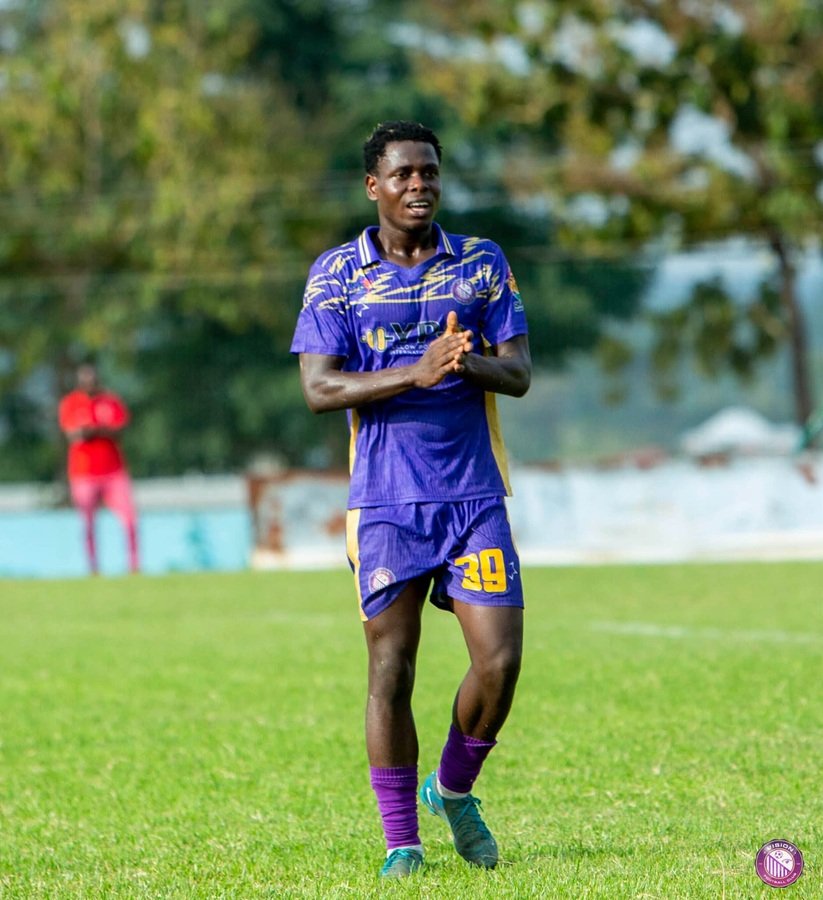
Accra Hearts of Oak will aim to assume the top spot of the Ghana Premier League (GPL) when they travel to Tema to face Vision FC at the Nii Adjei Kraku Sports Complex today.
Perched at the second spot and trailing leaders Medeama with three points, the Phobians would need to snatch the maximum points and a superior goal aggregate to have a taste of the top spot, at least for a day.
It will be a game full of fireworks considering Hearts’ impressive performance on the road against Vision’s strength at home.
The Matchday 6 games would also witness a Saturday clash between Heart of Lions and Berekum Chelsea FC at the Kpando Stadium.
Asante Kotoko’s home clash against Young Apostles will headline tomorrow’s games as they aim to bounce back after the previous week’s defeat in Swedru.
At the Nsenkyire Sports Arena, FC Samartex will test Medeama SC’s character when they clash in what could affect their respective positions on the table after the round seven matches.
After the giant-killing feat over Asante Kotoko, Swedru All Blacks will lock horns with Karela United at the Swedru Stadium just as Basake Holy Stars engage Bechem United at the AAK II Sports Arena,
Fireworks is anticipated at the Debibi Presby Park in the Bono region where Debibi United FC look poised to face Gold Stars.
At the Nana Agyemang Badu I Park, Aduana FC will welcome FC Ashantigold in a clash that will see fans applaud afternoon.
By Andrew Nortey
SKIP THE QUEUE, TAP THE NEWS
You can now read the Ghanaian Times and The Spectator newspapers from the comfort of your device via TimesNewsPlus.
Join our WhatsApp Channel: https://whatsapp.com/channel/0029VbBElzjInlqHhl1aTU27
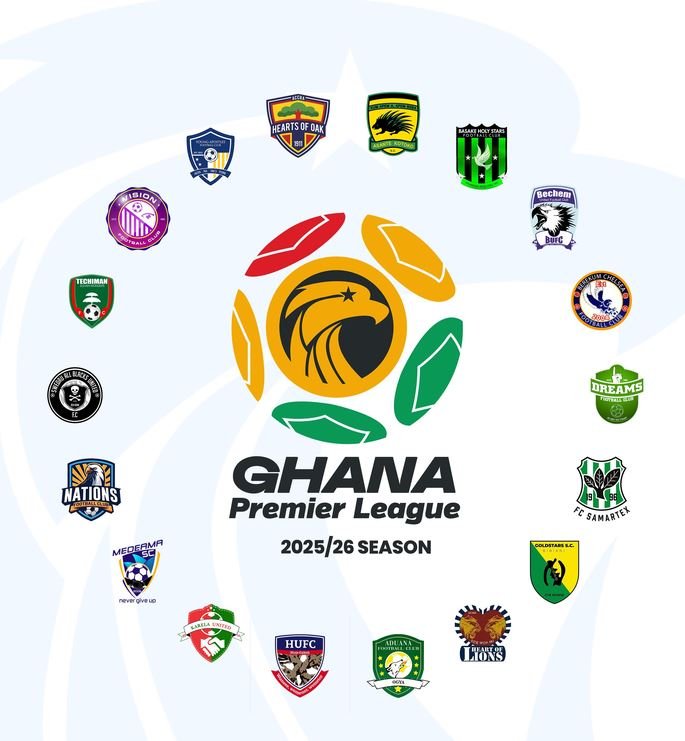
Over two decades ago, I made a statement that if I was given the sole responsibility to come out with the league fixtures for the season, I could give some advantage to some clubs and make winning the league difficult for other clubs. People laughed it off.
To them, it didn’t make sense because in a league in which all clubs play each other twice, things will ‘balance out,’ and the best club will win. I disagree, and I will explain.
In recent times, it seems Kumasi Asante Kotoko has more difficult first five games in the league than arch rivals Accra Hearts of Oak. Debatable?
This is exactly one of the ways to make it difficult for a club to win the league (if a club is marginally better than the others). How can making the first matches in the league difficult for a club lead to a disadvantage for the club?
A. The club starts on a poor note and may struggle to catch up
Imagine a club playing its first five matches against its most difficult opponents. If the club draws all five matches, it will end up with five points. A rival club that plays its easiest matches in the first five games could end up with 15 points.
It will not be easy for the club with five points to catch up with the club with 15 points because other factors will come in.
B. Psychological ‘boost’ for the winning club and possible stress/’depression’ for the seemingly struggling club
The team that is winning gets a boost. They appear to be better. Their players get confident. Their strikers may be leading on the Goal King chart. Their goalkeeper(s) will be having more clean sheets – finishing matches without conceding goals.
This will be opposite for the team that played more difficult matches. The supporters may be demanding more from the players, putting them under more pressure.
Some of the players may ‘crack’ under the pressure. New players are especially more difficult to settle down. They may end up on the bench for subsequent matches and may struggle to recover and come back into the first team.
C. The coach may be sacked or may resign/leave under pressure
The coach of the club that plays more difficult matches will come under pressure. The coach is likely going to be judged by the points accrued and the position of the club on the league table, not by the quality of opposition faced.
The pressure will come from the bosses and the supporters. The coach may end up being sacked or resigning/leaving under pressure.
D. Players more likely to get injured in tough matches
The club that plays more difficult matches is likely to record more injuries of its players early in the season. Some players may miss the whole season through injuries.
On the other hand, the club that plays easier matches earlier in the season will have the luxury to substitute and rest players when they are comfortably leading in matches.
Players may not have to exert themselves so much, reducing the risk of injuries.
E. Supporters abandon the team that is not winning and may not go to the stadium to give home support
If a club is not winning, its supporters may not pay money to go to the stadium to watch matches. In fact, they may not even go to the stadium if they are asked to go and watch matches for free.
This will not only have financial consequences for the club, an almost empty stadium takes away the home advantage from the ‘intimidation’ of supporters.
The above are all reasons why the first games in the league can give an advantage or a disadvantage to clubs.
Once this it accepted, it means there must be fairness in coming up with the league fixtures if we want the best club(s) to emerge as winners who can represent the country and not disgrace the country internationally.
A transparent way of coming up with the league fixtures is needed (like how balloting is done for knockout competitions).
This way, clubs and individuals cannot complain that someone or some people decided to favour some clubs through the league fixtures.
By Dr. (Med) Kofi Effah
SKIP THE QUEUE, TAP THE NEWS
You can now read the Ghanaian Times and The Spectator newspapers from the comfort of your device via TimesNewsPlus.
Join our WhatsApp Channel: https://whatsapp.com/channel/0029VbBElzjInlqHhl1aTU27