Sports
IOC approves Tokyo Olympics weightlifting qualifying extension

The International Olympic Committee (IOC) has approved the International Weightlifting Federation’s (IWF) revised Olympic Games Tokyo 2020 qualifying system.
With the COVID-19 pandemic and postponement of Tokyo 2020, the IWF have revised the qualifying system for the Olympic Games next year. The new period will run from October 1 2020 to April 30, 2021 and allow for further qualification.
It will also allow replacement events for those cancelled to be held during this period.
All results and rankings achieved by weightlifters during the qualifying events prior to the suspension of qualifying will be retained.
“The IWF is deeply conscious of the efforts made by weightlifters and those who support them to pursue their Olympic dreams at Tokyo 2020,” said IWF Acting President Ursula Papandrea.
“Preserving their progress was a vital step for us, as was ensuring a similar range of opportunities to those being provided before the pandemic halted the Olympic Qualification System for weightlifting.”
Even if athletes have secured enough points to qualify, they will be required to compete at least one more time during this new period.
The original qualifying schedule was split into three six-month phases and was expected to end on April 30 this year. Athletes were required to have competed in at least six competitions over this 18-month period.
Additionally, entry in at least one IWF World Championships or continental championships is compulsory. All five continental championships that were scheduled in the first half of this year were already postponed.
A total of 56 men and 56 women will qualify on the basis of world ranking points with a further 35 men and 35 women to qualify on continental ranking points.
Meanwhile, three men and three women will be granted host country qualifying status and four men and four women will receive tripartite commission invitations. – Tokyo 2020


By Enoch Ntiamoah Siaw
Ghana football is facing a difficult moment as the Black Stars fight to avoid missing another Africa Cup of Nations (AFCON) tournament. In the same vein, the Black Queens preparing for a major test in their bid to qualify for the 2027 FIFA Women’s World Cup in Brazil.
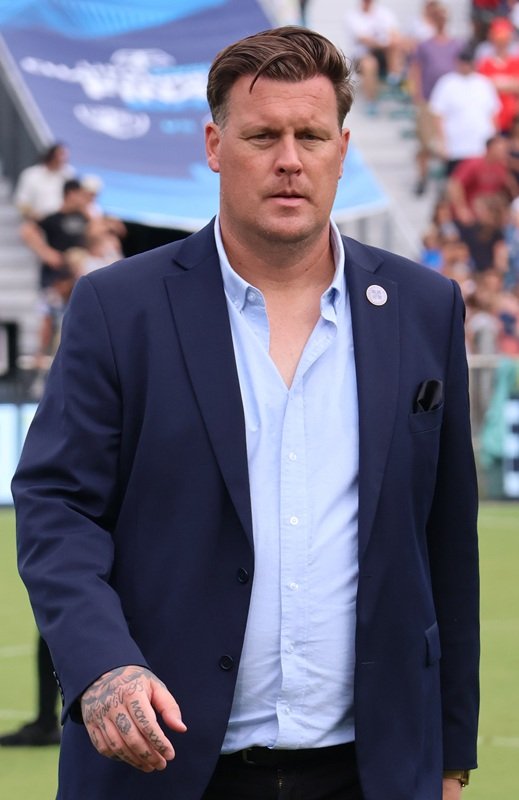
But at a time when both teams need serious attention, the Ghana Football Association (GFA) has appointed the Black Queens Head Coach, Kim Lars Björkegren, to lead the Black Stars on an interim basis for their crucial November AFCON qualifiers against Somalia.
The Swedish coach will work with Ibrahim Tanko and Godwin Attram as assistant coaches, while former Black Stars goalkeeper Fatawu Dauda will handle the goalkeepers.
The decision has sparked debate among football followers, with some questioning why the Black Queens coach should take charge of the Black Stars when the women’s team also have an important tournament ahead.
Others believe the GFA has made the right decision by using a coach who already understands Ghanaian football and can work with experienced assistants to help the Black Stars recover.
For a country still disappointed by the Black Stars failure to qualify for the 2025 AFCON in Morocco, the pressure is growing.
Ghana’s 2027 AFCON qualifying campaign has started badly with defeats to Côte d’Ivoire and The Gambia, leaving the team without a point in Group C.
The Black Stars lost 2-0 to Côte d’Ivoire before suffering a 4-2 defeat to The Gambia at the Accra Sports Stadium. The results led to the departure of Carlos Queiroz and the search for a new technical direction.
The November matches against Somalia now offer Ghana a chance to recover. Another poor performance, however, could make the road to qualification even more difficult.
Some sports observers believe Björkegren should have been allowed to concentrate on the Black Queens, leaving Tanko and Attram to lead the Black Stars in the two matches against Somalia.
Their concern is that the women’s team could lose valuable attention at a time when it needs careful preparation for the World Cup play offs.
The Black Queens will take part in the preliminary stage of the FIFA Women’s World Cup 2027 play-off tournament in Morocco from November 28 to December 5.
Ghana will face Ecuador, Uzbekistan and Papua New Guinea as it seeks to move closer to securing a place at the World Cup in Brazil.
The team has already taken an important step by beating Côte d’Ivoire in the continental play off to secure a place in the intercontinental tournament.
However, the Queens still have a difficult task ahead and their preparation will be important if they are to achieve their World Cup dream.
Those who disagree with the criticism of Björkegren’s appointment argue that the coach can manage the temporary assignment with the support of Tanko and Attram.
They believe his experience with the national teams could help the Black Stars while the existing technical structure could help maintain preparations for the Black Queens.
The GFA has defended its decision. Its Communications Director, Henry Asante Twum, has explained that the appointment was made after considering the coaches already working within Ghana’s football system and the need to find an interim solution.
The association has also said both national teams will receive the technical and operational support needed to prepare for their respective competitions.
The big question is whether the arrangements will work in practice especially if both teams need the coach’s attention at the same time.
Beyond the coaching debate, another question continues to trouble Ghanaian football lovers; are the Black Stars struggling because of the players, the coaches or problems within the football system?
The two opening defeats exposed weaknesses in the team’s defence, organisation and ability to respond when matches become difficult.
These problems cannot automatically be blamed on one coach. The players must also accept responsibility for their performances on the pitch.
At the same time, frequent changes in technical leadership can make it difficult for a team to develop a clear playing style and build confidence.
When coaches are changed repeatedly, new technical teams often have limited time to understand the players, introduce their ideas and prepare for important matches.
Tanko’s experience in Ghana football and Attram’s involvement in the national team setup could help the Black Stars during this difficult period but their work will ultimately be judged by the team’s performances against Somalia.
The players too must turn their individual ability into strong team performances. Ghana cannot depend on reputation alone to secure qualification.
The GFA must also examine whether its approach to coaching appointments and long term planning is helping the national teams achieve their goals.
The current situation is a test of the GFA’s ability to manage two important national assignments at the same time.
The Black Stars need to recover from their poor start and keep their AFCON hopes alive. The Black Queens, meanwhile, need proper preparation to continue their journey towards the 2027 Women’s World Cup.
The women’s team should not be treated as less important simply because the Black Stars attract greater public attention.
Björkegren’s work with the Black Queens, including Ghana’s bronze medal finish at the 2024 Women’s Africa Cup of Nations has helped build expectations around the team.
Their progress into the World Cup play offs has given supporters another reason to believe they can reach the global competition.
The GFA must therefore make sure the temporary appointment does not affect the Queens’ training, tactical preparation or analysis of their opponents.
In the end, the success of the decision will depend on results. The Black Stars must earn the points needed to revive their qualification hopes, while the Black Queens must prepare well for their matches in Morocco.
Ghana’s football problems may not be caused by players or coaches alone. They may also reflect the need for more stable technical leadership, better preparation and stronger planning by football administrators.
For now, the GFA has made its choice. The coming matches will show whether the decision was the right one or whether the country has taken a risk at a time when both national teams have so much to play for.
SKIP THE QUEUE, TAP THE NEWS
Read Daily News

You can now read the Ghanaian Times and The Spectator newspapers from the comfort of your device via TimesNewsPlus.
Buy Maps
Join our WhatsApp Channel: https://whatsapp.com/channel/0029VbBElzjInlqHhl1aTU27
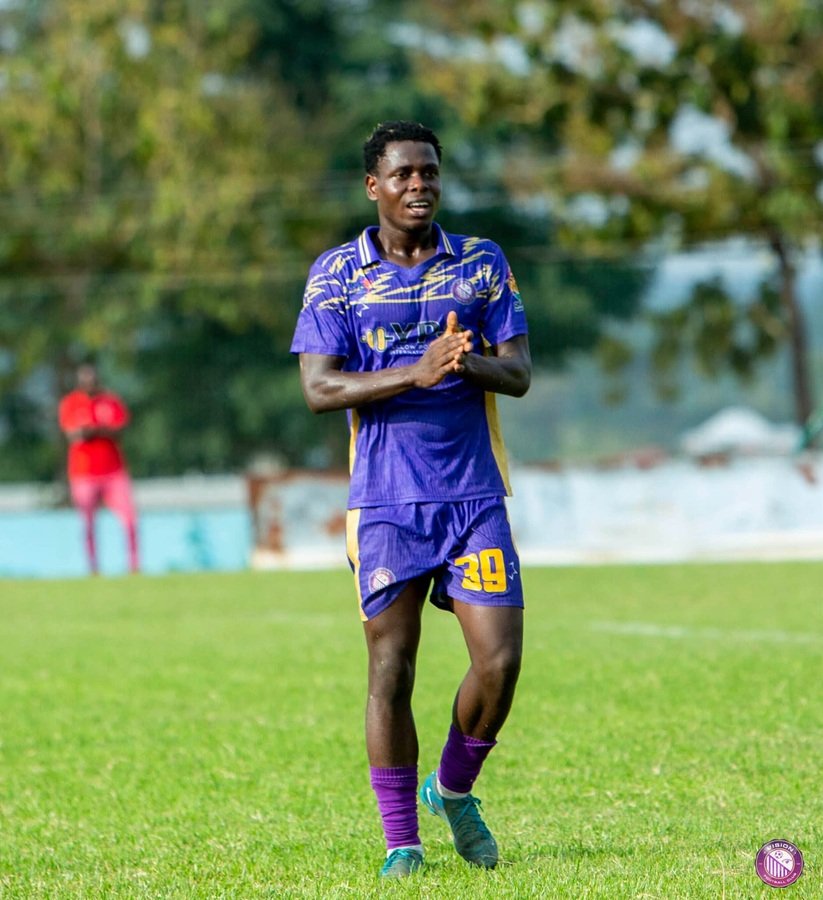
Accra Hearts of Oak will aim to assume the top spot of the Ghana Premier League (GPL) when they travel to Tema to face Vision FC at the Nii Adjei Kraku Sports Complex today.
Perched at the second spot and trailing leaders Medeama with three points, the Phobians would need to snatch the maximum points and a superior goal aggregate to have a taste of the top spot, at least for a day.
It will be a game full of fireworks considering Hearts’ impressive performance on the road against Vision’s strength at home.
The Matchday 6 games would also witness a Saturday clash between Heart of Lions and Berekum Chelsea FC at the Kpando Stadium.
Asante Kotoko’s home clash against Young Apostles will headline tomorrow’s games as they aim to bounce back after the previous week’s defeat in Swedru.
At the Nsenkyire Sports Arena, FC Samartex will test Medeama SC’s character when they clash in what could affect their respective positions on the table after the round seven matches.
After the giant-killing feat over Asante Kotoko, Swedru All Blacks will lock horns with Karela United at the Swedru Stadium just as Basake Holy Stars engage Bechem United at the AAK II Sports Arena,
Fireworks is anticipated at the Debibi Presby Park in the Bono region where Debibi United FC look poised to face Gold Stars.
At the Nana Agyemang Badu I Park, Aduana FC will welcome FC Ashantigold in a clash that will see fans applaud afternoon.
By Andrew Nortey
SKIP THE QUEUE, TAP THE NEWS
You can now read the Ghanaian Times and The Spectator newspapers from the comfort of your device via TimesNewsPlus.
Join our WhatsApp Channel: https://whatsapp.com/channel/0029VbBElzjInlqHhl1aTU27