Sports
Ease, but with caution

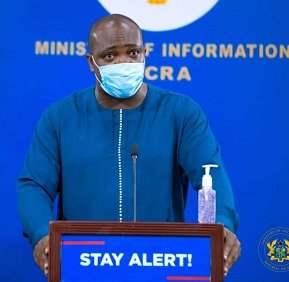
The easing of restrictions over the coronavirus (COVID-19) pandemic may be coming to many as pleasant news, especially for the 15 non-contact sports disciplines but obviously not for the others; football, chiefly.
Tension and anxiety preceded Sunday’s announcement of the restriction review by the President, Nana Addo Dankwa Akufo-Addo as individuals and organizations waited for the next move as people get fed up with days, weeks and months of inactivity.
Of the ‘hottest’ breed of athletes yearning to know their fate was footballers and their ‘football people’ who are the worse hit by the pandemic as far as the diseases’ impact on sports was concerned.
But football, an epitome of a team event, was ‘swerved’ and has to wait until June 31 when the current restriction expires.
Sadly or otherwise, a few, branded as non-contact sports, notably athletics, badminton, golf, table tennis, tennis, power lifting, weight lifting, cycling, draughts, para sports (individual non contact para sport), rowing and canoeing, baseball and soft ball, horse racing, squash as well as swimming, got the nod.
A few concerns have, however, been expressed over some of the disciplines labeled as non-contact sports because of their nature, especially with golf and tennis but with a strict adherence of the safety protocols, those concerns can be addressed.
But can the ‘football people’ make any case for themselves considering the challenges and logistical issues they are likely to face?
The response will surely be unenthusiastic and very unconstructive considering their financial plight and would prefer to wait.
Obviously, a typical football game to be played behind closed-doors but aired on television could require close to 100 or more people in the stadium made up of players, technical and management team members of both teams, a few media persons, ball boys, television crew, match officials and other match day staff.
These persons must have undergone mandatory testing to ensure that no infected person gets to the arena while also ensuring that every protocol was observed to the latter.
Sometimes, it seem very simple but figures from the Ministry of Youth and Sports (MoYS) as well as the National Sports Authority (NSA) bring to the fore the heavy toll it will have on the clubs financially.
Clearly, it explains why Alhaji Karim Gruzah and his King Faisal side plus a few of the bottom clubs will be the first to commend government for the decision not to restart football now and ultimately call for the cancellation of the season.
Obviously, an annulment can save their season as they are threatened by relegation.
Yet, the reality of recording almost nothing from the gates but have to spend so much on protocols for a single game makes their claims very indisputable.
Heartily, the call to restart now or not has been a debate among the ‘football people’, sending a clear signal that the decision was for the good of all.
Of course the German Bundesliga has started and within a fortnight, about four games have been cleared.
In another two weeks, the La Liga and English Premier League (EPL) will also be restarted.
Instead of waiting for the June 31 deadline, the FA and stakeholders could be finding ways on how to go about their season when the restriction was partially eased for them.
A fine idea will be to liaise with health authorities to begin mass testing for Premier League and by extension Division One League (DOL) players, referees and their assistants, technical and management team members etc from the second or third week of the month.
In this case, teams can start training few days after the restrictions have been eased for football, otherwise the FA must listen to Aduana Stars skipper Yahaya Mohammed’s call to cancel the season and start afresh in August to synchronise with the European calendar.
By Andrew Nortey


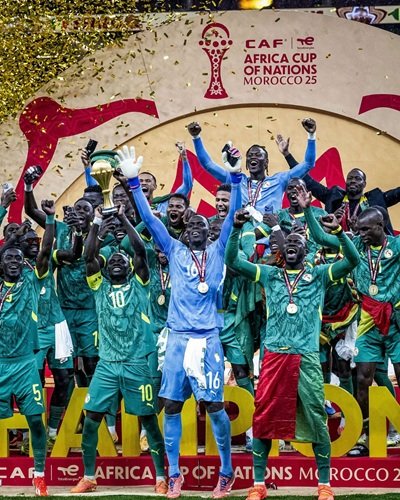
The Court of Arbitration for Sport (CAS) has upheld the appeal by the Senegalese Football Federation (FSF) against the Confederation of African Football (CAF) and the Royal Moroccan Football Federation (FRMF) concerning the final of the Africa Cup of Nations Morocco 2025 (AFCON 2025).
The decision rendered by the CAF Appeal Board has been set aside and the decision by the CAF Disciplinary Board reinstated. Consequently, the result obtained at the end of the AFCON 2025 final is confirmed — 1-0 for Senegal.
The FSF had appealed to CAS against a decision of the CAF Appeal Board declaring that the Senegal national team forfeited the AFCON 2025 final and recording the Moroccan national team as the winners.
In their appeal, the FSF argued that the decision of the Referee, Mr Jean-Jacques Ngambo Ndala, to resume the match at the 109th minute (90+19) during the final and to allow it to be concluded with a sporting result could not be reviewed, pursuant to the ‘field of play’ doctrine.
The FRMF argued, on the contrary, that the Referee’s decision did not fall under the ‘field of play’ doctrine, as it cannot be applicable to the disciplinary consequences of the Senegalese team’s behaviour.
The FRMF alleged that, by leaving the pitch temporarily, the Senegalese team breached Articles 82 and 84 of the AFCON Regulations, which should have led the Referee to bring the match to an early conclusion. The FRMF also argued that the Referee erred in law and that his decision was arbitrary.
After examining the arguments raised by the parties, the Arbitral Panel considered that the Referee’s decision to resume the match or to stop it fell definitively within his sole authority. By blowing his whistle to restart play, the Referee considered that the conditions for resuming the match had been met both teams were on the pitch again, and both expressed their willingness to resume.
In the Panel’s view, there is no doubt that the effects of the Referee’s decision were limited to the pitch. As such, the Panel considers that the Referee’s decision was covered by the ‘field of play’ doctrine.
Since Articles 82 and 84 of the AFCON Regulations are intended solely to determine the outcome of a match when a team’s conduct leads the referee to call off the game permanently, they are therefore not applicable in this case. In conclusion, the Panel considers that in resuming the match, the Referee did not err in law.
The Panel acknowledged that the Referee had to make a decision in an atmosphere of extreme tension. However, these circumstances do not justify describing the decision as “arbitrary”. On the contrary, the Referee’s judgment did not appear to have been affected by factors external to the game.
Regarding the disciplinary aspects of the case, the Panel noted that the FSF, the FSF coach Mr Pape Thiaw, and certain players had already been sanctioned by CAF following separate disciplinary proceedings.
Consequently, the appeal by the FSF was upheld. This was a unanimous decision by the CAS Panel.
The appeal by the FSF was registered by CAS on 25 March 2026. It sought to set aside the CAF decision declaring that the Senegal national team forfeited the AFCON 2025 final and recording the Moroccan national team as the winners of the match by 3-0. The appeal requested that CAS declare the FSF winners of AFCON 2025.
An in-person hearing took place behind closed doors at CAS headquarters, in Lausanne, on Thursday 8 October 2026.
By Edem Mensah-Tsotorme
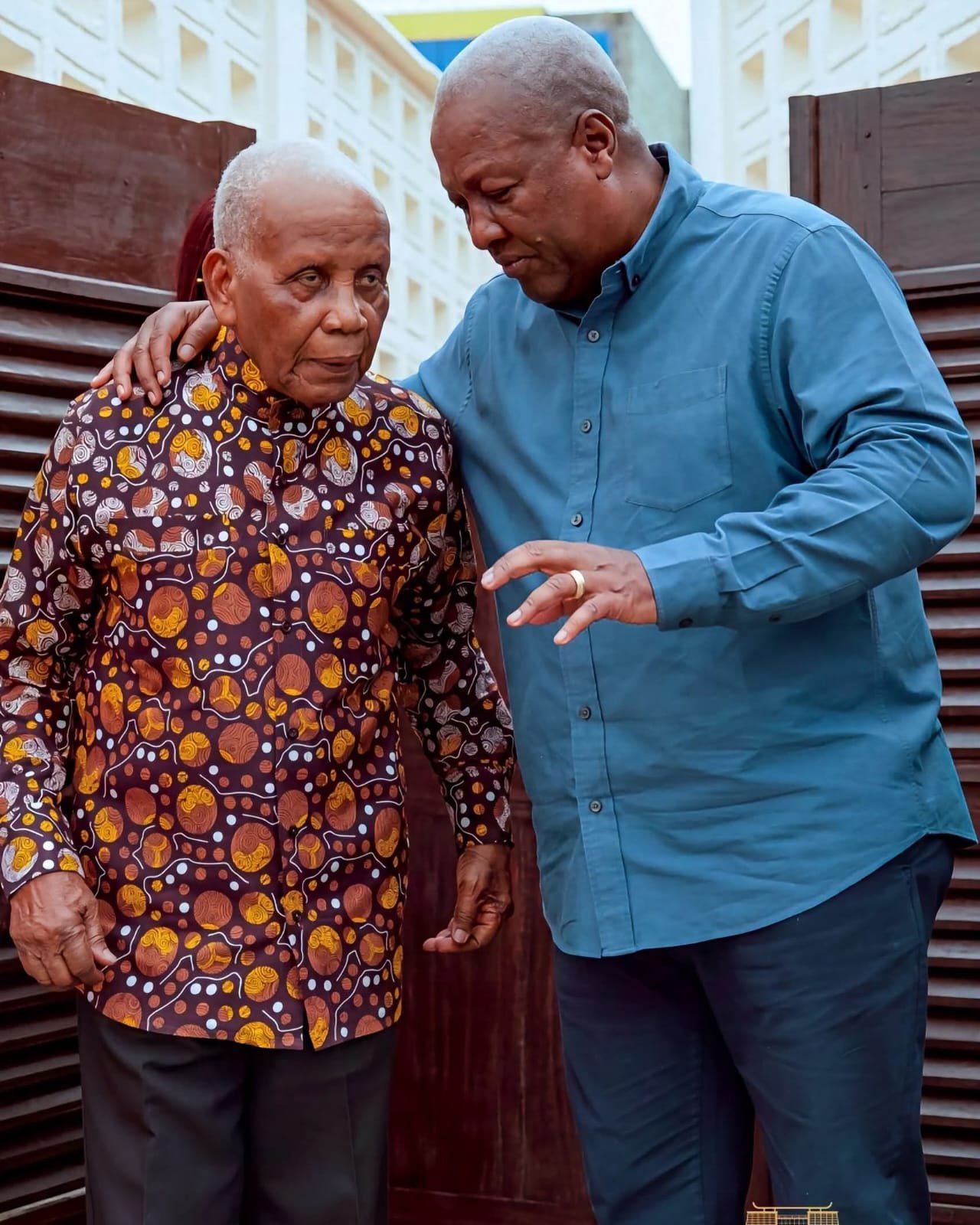
President John Dramani Mahama has paid a courtesy visit to veteran Ghanaian photographer and filmmaker, Dr Chris Hesse, in recognition of his invaluable contribution to the preservation of Ghana’s historical and cultural heritage.
Dr Hesse is renowned for documenting the life and presidency of Ghana’s first President, Dr Kwame Nkrumah.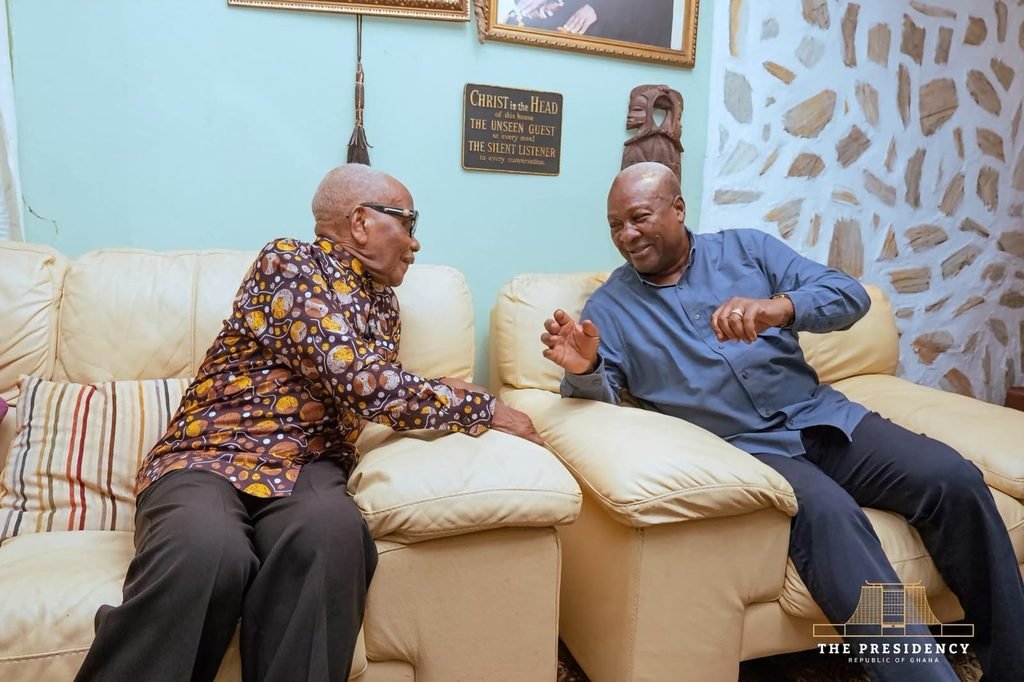
The visit, which took place at Dr Hesse’s residence at South La Estate Square, gave the President the opportunity to interact with the celebrated photographer and acknowledge his remarkable role in documenting some of the most significant moments in Ghana’s political and cultural history.
During the visit, President Mahama recounted his longstanding relationship with Dr Hesse, whom he affectionately described as Uncle Chris, and recalled his immense contribution to preserving Ghana’s historical film archives.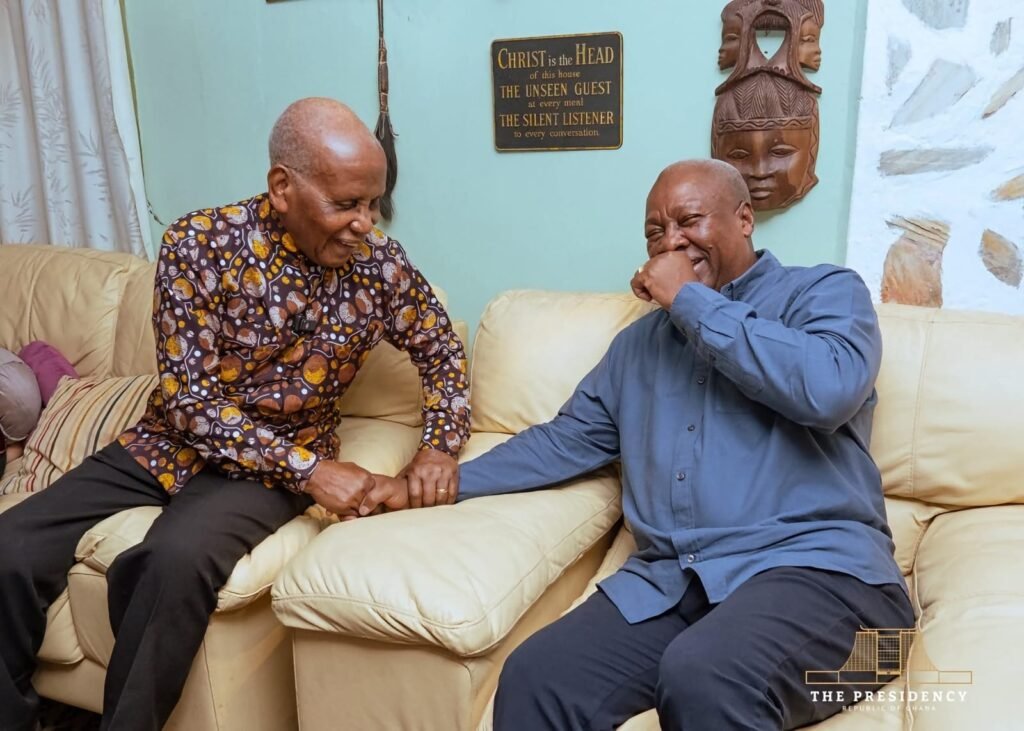
The President disclosed that he became more closely acquainted with Dr Hesse during his tenure as Deputy Minister for Communications, when the veteran filmmaker drew his attention to the deteriorating state of historical film materials held at the Information Services Department.
He explained that several reels of archival footage had suffered extensive deterioration due to age and poor storage conditions, particularly following the transfer of the Ghana Film Industry to private operators, whose modernisation efforts did not adequately prioritise preservation.
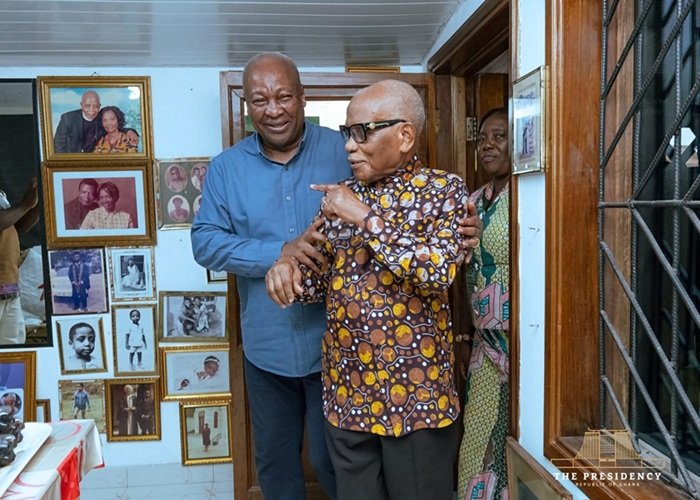
President Mahama recalled that through Dr Hesse’s intervention, efforts were made to retrieve and preserve some of the materials, including film copies that had been kept at the Rank Xerox laboratory in London.
He further recounted how government intervened to settle outstanding payments to prevent the destruction of the preserved materials, although the footage was eventually returned to Ghana and deposited at the Ghanaian Embassy in London after subsequent payments were discontinued.
According to the President, Dr Hesse subsequently took on the responsibility of ensuring that the historical footage was retrieved and digitised to safeguard it for future generations.
President Mahama expressed appreciation for the veteran photographer’s dedication, noting that some of the historical footage from Ghana’s early post-independence era, now accessible on social media and other platforms, is a result of Dr Hesse’s painstaking preservation efforts.
He described the work as an important contribution to national memory and the preservation of Ghana’s history, particularly the legacy of Dr Kwame Nkrumah.
The President was accompanied by the Deputy Minister for Tourism, Culture and Creative Arts, Yussif Issaka Jajah, who led officials from the Ministry and its agencies in representing the Sector Minister, Hon. Abla Dzifa Gomashie, who is currently out of the country.
The visit underscored the importance of recognising individuals whose dedication and professional contributions have helped preserve Ghana’s historical records, cultural identity and national heritage for present and future generations.
Other officials present included the Chief Executive Officer of the Ghana Tourism Authority, Maame Efua Houadjeto; the Executive Director of the Kwame Nkrumah Memorial Park, Dr Collins Rawlings Nunyonnam; the Executive Director of the National Film Authority, Kafui Danku; the Director of Culture and Creative Arts at the Ministry, Divine Kwame Owusu-Ansah; the Chairman of the National Film Authority Board, Mr Ivan Quashigah; and the Director of Human Resources at the Ministry, Mr Otto Langmagne, among other officials.
By Edem Mensah-Tsotorme

 News1 week ago
Fiifi Boafo questions Health Minister over Korle-Bu patient who paid GH¢77,561 but had no bed
- News1 week ago
Côte d’Ivoire introduces mandatory online registration for travellers from African countries
- News6 days ago
Council of State member calls for investment in cultural heritage preservation