Sports
Integrating School Sports and Colts Football: Ghana’s Untapped Goldmine for Youth Development

- /home/u249204778/domains/spectator.com.gh/public_html/wp-content/plugins/mvp-social-buttons/mvp-social-buttons.php on line 27
https://spectator.com.gh/wp-content/uploads/2025/10/Development-of-youth-football-has-become-central-in-the-operations-of-the-Ghana-Football-Association-with-the-organisation-of-regional-U-19-competitions-in-both-boys-and-girls-categories-1000x600.jpg&description=Integrating School Sports and Colts Football: Ghana’s Untapped Goldmine for Youth Development', 'pinterestShare', 'width=750,height=350'); return false;" title="Pin This Post">
- Share
- Tweet /home/u249204778/domains/spectator.com.gh/public_html/wp-content/plugins/mvp-social-buttons/mvp-social-buttons.php on line 72
https://spectator.com.gh/wp-content/uploads/2025/10/Development-of-youth-football-has-become-central-in-the-operations-of-the-Ghana-Football-Association-with-the-organisation-of-regional-U-19-competitions-in-both-boys-and-girls-categories-1000x600.jpg&description=Integrating School Sports and Colts Football: Ghana’s Untapped Goldmine for Youth Development', 'pinterestShare', 'width=750,height=350'); return false;" title="Pin This Post">
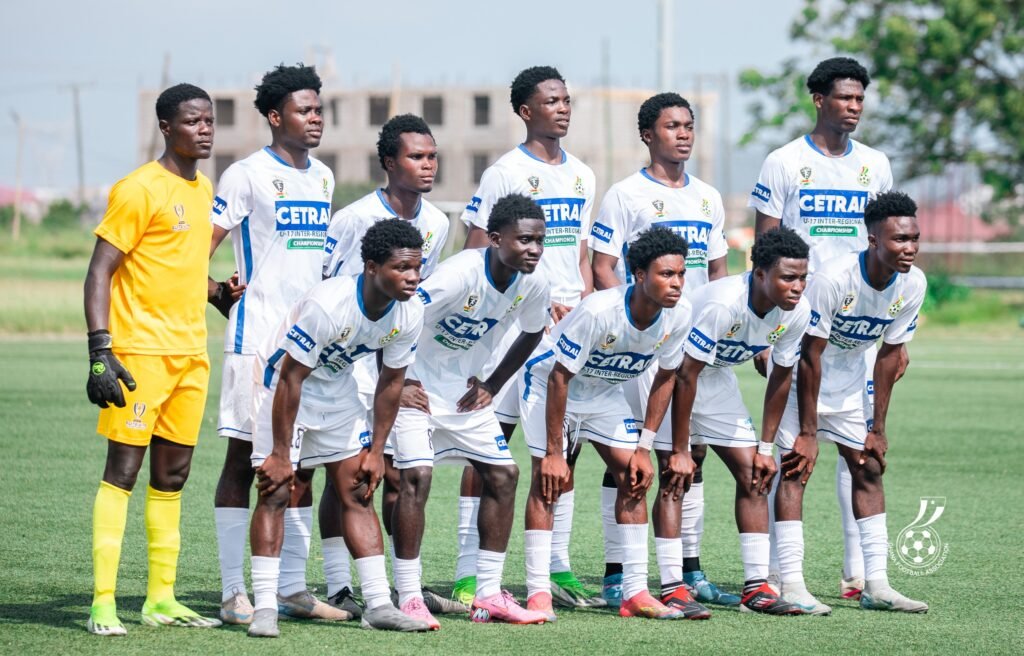
From Nima to the manicured fields of Achimota, the game has always been the heartbeat of communities. Yet, behind the Black Stars’ celebrated victories lies a troubling reality — the disconnect between school sports and colts football, two powerful engines of youth development that have for too long operated in isolation.
Experts argue that bridging this gap could be the single most transformative step for Ghana’s sporting future.
Why Integration Is Necessary
For decades, schools and colts clubs have functioned as parallel systems of talent development.
Schools, governed by the Ghana Education Service (GES), emphasise discipline, structure, and education. Colts football, regulated by the Ghana Football Association (GFA), thrives on raw passion, community pride, and early exposure to competitive football.
Unfortunately, these systems rarely intersect. This has led to duplication of efforts, missed talent, and players slipping through the cracks after graduation.
“Some of our finest footballers — Abedi Pele, Michael Essien, Asamoah Gyan — all passed through colts football. But many others who shone brightly in inter-school competitions never found their way into structured football after school,” says Mr. Yaw Ampofo-Ankrah, a veteran sports journalist.
Integration would ensure a clear pathway from school competitions to colts leagues, and eventually to professional academies and national teams.
Implications of Integration
The move would not be without challenges. For one, it requires strong cooperation between government agencies and football authorities. The Ministry of Youth and Sports, GES, and the GFA would need to design a unified structure where:
- Schools provide academic discipline and facilities
- Colts clubs supply competitive training and community support
- Both feed into a centralised database that tracks players from childhood
Such an approach would mean that every promising 12-year-old in a village in the Upper East Region could be monitored and developed just as effectively as a boy in Accra.
Benefits for Student-Athletes, Schools, and Communities
For Students:
Integration guarantees a dual focus — education and sports. Talented youngsters will not have to choose between school and football. They gain access to better coaching, nutrition, mentorship, and career guidance.
A boy who might otherwise drop out after JHS for football can now pursue SHS and still play in structured competitions.
For Schools:
Schools can once again become true hubs of talent. Just as Mfantsipim was known for producing national leaders, it could also be recognised for producing Black Stars players.
Strong sports programmes can attract sponsorships, enhance school prestige, and instil discipline and teamwork in students.
For Communities:
Colts football has always been the pride of Ghana’s towns and villages. Integration will deepen this pride, as local heroes transition smoothly from community pitches to national recognition.
Communities will also benefit economically from tournaments, merchandise, and sponsorships.
Benefits for the Nation
The advantages stretch beyond football. Ghana’s sporting economy could grow significantly, creating jobs in coaching, physiotherapy, sports science, media, and merchandising.
Countries like Germany and Spain revolutionised their football fortunes by revamping their youth systems — integrating schools, clubs, and federations. Ghana could do the same.
“If we want to win the World Cup one day, we must fix the pipeline,” says former Black Stars coach Kwesi Appiah.
Moreover, football remains a unifying force. At a time when political and social divisions often dominate, a strong youth sports system could strengthen national identity and pride.
Suggestions for Successful Integration
- Unified Policy Framework: The Ministry of Youth and Sports, GES, and GFA should draft a policy mandating collaboration at district, regional, and national levels.
- Central Database: Every school and colts player should be registered in a digital system, ensuring no talent goes unnoticed.
- Capacity Building: PE teachers and colts coaches must undergo joint training to harmonise coaching standards.
- Shared Competitions: Instead of separate inter-school and colts tournaments, Ghana should host integrated district and regional championships.
- Funding and Sponsorship: Corporate Ghana should be incentivized to invest in youth football as part of CSR projects.
- Partnerships with Academies: Renowned academies like Right to Dream should link their scouting systems with schools and colts clubs.
Roadmap to Integration
Short Term (1–2 years):
- Form a national task force to design integration policies.
- Pilot programmes in selected districts.
- Build the first prototype of a national talent database.
Medium Term (3–5 years):
- Roll out nationwide integrated competitions.
- Train 2,000 PE teachers and colts coaches together.
- Secure partnerships with local businesses for funding.
Long Term (5–10 years):
- Establish regional youth academies linked to both schools and colts.
- Mandate every professional club to run youth teams tied to schools.
- Aim for Ghana to consistently reach the semi-finals of youth World Cups.
Conclusion
Ghana’s football story is one of raw talent, burning passion, and global recognition — but passion alone is not enough. Without a structured pathway linking schools and colts football, the country risks wasting its greatest resource: its youth.
The integration of these two systems is not just about producing the next Abedi Pele or Asamoah Gyan. It is about creating opportunities for thousands of young people, strengthening communities, boosting the economy, and uniting the nation under one flag.
The roadmap is clear. What remains is political will, institutional cooperation, and community support to make it happen.
If Ghana gets this right, the dream of lifting a World Cup trophy may no longer be a distant hope — but an achievable reality.
By Cletus Nyarkoh Atuahene (Fada Cann)
Join our WhatsApp Channel now!
https://whatsapp.com/channel/0029VbBElzjInlqHhl1aTU27


With the World Cup fever gradually dying down, attention would switch to other equally important competitions from now to the latter parts of the year.
Barely a week after the global football showpiece that saw Spain upstaged Argentina as World Champions, over 70 countries gathered in Glasgow, Scotland for the Commonwealth Games that is attracting hundreds of athletes from the Commonwealth community.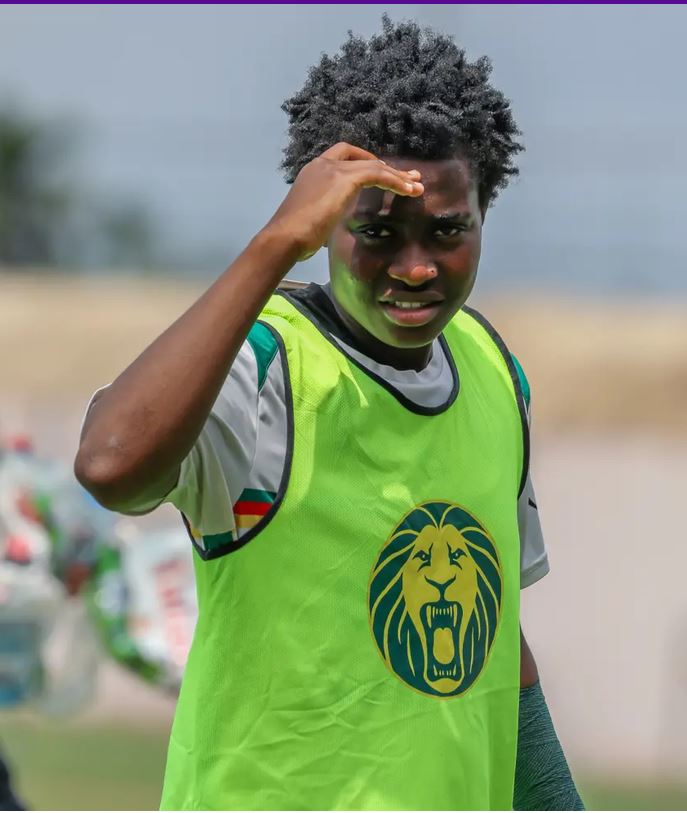
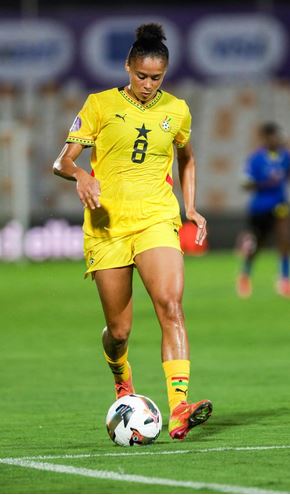
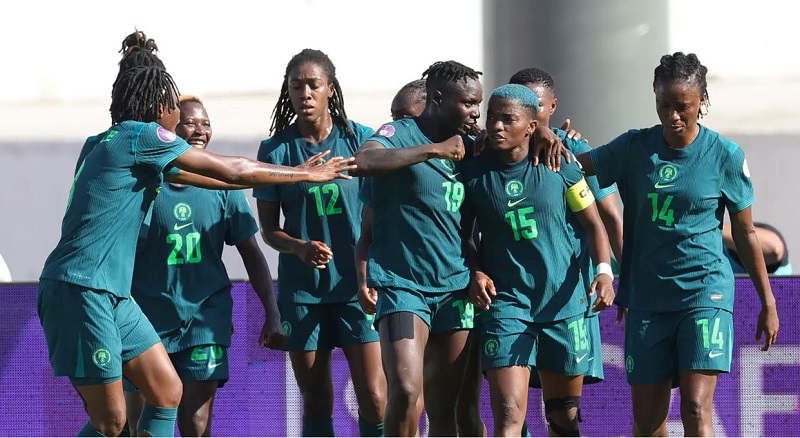
Equally, 16 top female national teams in Africa would commence competition for the bragging rights as African champions when the delayed Women’s Africa Cup of Nations 2026 kicks off in Morocco tomorrow.
The Super Falcons of Nigeria are usually considered favourites for this showpiece, having shown the strength and character to dominate the game on the continent.
As defending champions, they come in strongly again, expected to face a more difficult sides like the Black Queens of Ghana, Zambia and Morocco who have been touted as possible teams to cause an upset.
Of the 16 qualified teams, nine featured at the previous edition held in 2024.
Botswana, the Democratic Republic of the Congo and Tunisia, who qualified in 2024, missed out this time, while Cape Verde and Malawi will make their first appearance in the tournament.
Today, The Spectator Sports takes a look at some of the teams expected to rub shoulders with the big guns in the female game.
Cameroon
After missing the previous edition, Cameroon returns to the CAF Women’s Africa Cup of Nations Morocco 2026 determined to re-establish themselves among Africa’s elite.
The Indomitable Lionesses, one of the continent’s most successful women’s national teams, secured a place at the expanded 16-team tournament after receiving a second chance through CAF’s revised qualification system.
Now, under newly appointed head coach Valentine Nguele and inspired by emerging midfield star Naomi Eto, Cameroon will be aiming not only to reclaim their place among Africa’s leading nations but also to secure qualification for the 2027 FIFA Women’s World Cup.
Cameroon boasts one of the richest histories in the Women’s Africa Cup of Nations.
The Indomitable Lionesses have reached the final on three occasions—in 2004, 2014 and 2016—but are still searching for their first continental title.
Their consistency has also been reflected in three third-place finishes in 2002, 2012 and 2018, giving Cameroon six podium finishes overall.
Only Nigeria and South Africa have accumulated more top-three finishes in the history of the competition, underlining Cameroon’s long-standing status among Africa’s leading women’s football nations.
Zambia
After finishing third in 2022 and falling short of expectations at the 2024 edition, Zambia head to the TotalEnergies CAF Women’s Africa Cup of Nations Morocco 2026 determined to establish themselves among Africa’s elite.
With one of the continent’s most feared attacking units and new head coach Nora Häuptle at the helm, the Copper Queens will be aiming to lift the Women’s AFCON trophy for the first time.
Barbra Banda remains one of the biggest names in African women’s football.
The Orlando Pride striker has established herself among the leading forwards in the National Women’s Soccer League (NWSL) and returns to international competition after recovering from a hip injury suffered late last year.
Powerful, direct and clinical in front of goal, Banda will once again spearhead Zambia’s attack as the Copper Queens pursue their first continental title.
Burkina Faso
Burkina Faso (Stallions Ladies) return to the competition determined to make history after missing the 2024 edition. Encouraged by an impressive qualifying campaign, the Stallions Ladies head to Morocco aiming to progress beyond the group stage for the first time.
Burkina Faso secured qualification with convincing victories over Burundi and Togo.
The Stallions Ladies defeated Burundi 5-1 on aggregate, following a commanding 4-1 first-leg victory before completing the job with a 1-0 win in the return fixture.
They carried that momentum into the final qualifying round against Togo, winning 2-0 in the first leg before sealing qualification with another 1-0 victory to complete a 3-0 aggregate success.
Nigeria
Reigning champions Nigerias head to Morocco 2026 looking to extend their remarkable record in the competition. With 10 continental titles to their name, the Super Falcons remain the most successful team in the tournament’s history..
Led by Captain Rasheedat Ajibade and head coach Justine Madugu, Nigeria once again begin the competition among the favourites.
Nigeria secured qualification to Morocco 2026 by defeating Benin 3-1 on aggregate in the second round of qualifying.
Having received a bye in the opening round, the Super Falcons took control of the tie with a 2-0 away victory in Cotonou.
They completed the job in Abeokuta, drawing 1-1 in the second leg after Ashleigh Plumptre opened the scoring before Benin equalised through Yasmine Djibril.
The result ensured another successful qualification campaign for the reigning African champions.
Cote d’Ivoire
After a 12-year absence from Africa’s biggest women’s football competition, Côte d’Ivoire returns to the TotalEnergies CAF Women’s Africa Cup of Nations aiming to re-establish themselves among the continent’s leading nations.
The Elephants secured an unexpected route back to the finals following the expansion of the tournament from 12 to 16 teams.
Now guided by experienced French coach Reynald Pedros and inspired by prolific striker Habibou Ouedraogo, Côte d’Ivoire believe they have the talent to challenge Africa’s established powers once again.
The Elephants were knocked out in the final qualifying round after a fiercely contested tie against Senegal. Neither side managed to score across the two legs, with Senegal eventually prevailing 5-4 on penalties to deny the Ivorians automatic qualification.
Following the expansion of the Women’s AFCON from 12 to 16 participating teams, CAF allocated the additional places based on the FIFA Women’s World Ranking.
⚽ Group A: Morocco, Algeria, Senegal, Kenya,
⚽ Group B: South Africa, Ivory Coast, Burkina Faso, Tanzania
⚽ Group C: Nigeria, Zambia, Egypt, Malawi
⚽ Group D: Ghana, Cameroon, Mali, Cape Verde
By Andrew Nortey
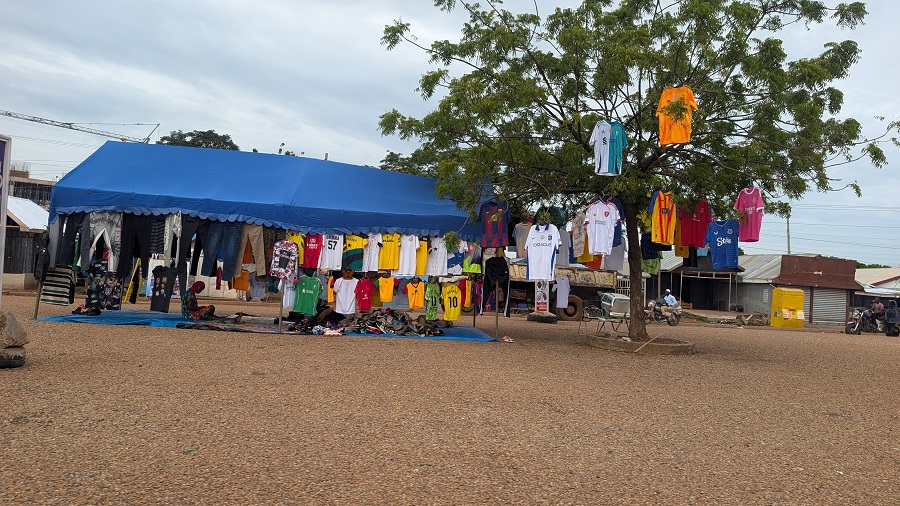
Days before the Black Stars exit from the World Cup, the national team jersey was the hottest item in Ghana and markets in Tamale.
Today, they swings on trees, while song hang motionless in frontage of shops and roadside stalls, due to Ghana’s painful exit from the championship.
The excitement that once gripped football fans across the country has suddenly given way to disappointment, leaving hundreds of traders with unsold Black Stars jerseys that many had hoped would ‘disappear’ before the tournament ended.
From the Central Market to Aboabo, Lamashegu, the hospital road pavement and other busy commercial centres in Tamale, retailers who had enjoyed brisk business during Ghana’s World Cup campaign now sit quietly beside stacks of jerseys, waiting for buyers who may never come.
“Business was booming when the Black Stars was in the tournament,” said Ibrahim Abdulai, a jersey dealer in Tamale.
“Every match day brought more customers. Some people even bought different jerseys after every match because they believed Ghana would go far.”
According to him, demand rose so sharply that prices nearly tripled as optimism swept across the country.
“A jersey that was selling for GH¢90 suddenly jumped to between GH¢200 and GH¢500 depending on the quality. The authentic replica jersey was the most sought-after and customers were willing to pay almost any price for them,” he explained.
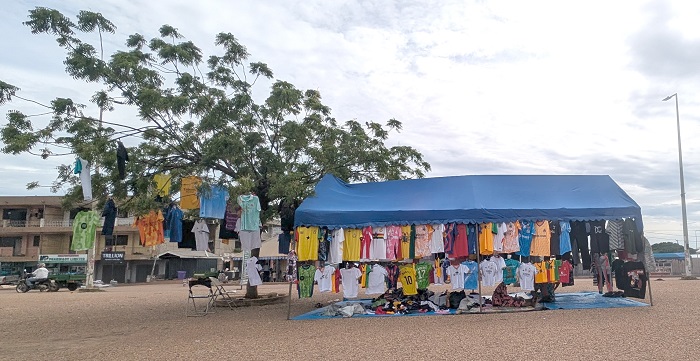
The majority flooding the local markets were replicas of varying quality, imported quickly from Togo to meet growing demand.
For many buyers, authenticity didn’t matter, it was the show of support for the national team.
Some male fans were compelled to buy different customised jerseys for their girlfriends. A man spent GH¢1,850 on jerseys just to wow his girlfriend; so did many men. We hardly saw ladies buying the jerseys.
“I bought four different jerseys,” admitted 31-year-old football enthusiast, Richard.
“I wanted a different one for every important match. Football is about passion. When Ghana was progressing, everybody wanted to be part of the excitement.”
The World Cup frenzy created a temporary economic boom that extended beyond jersey sellers.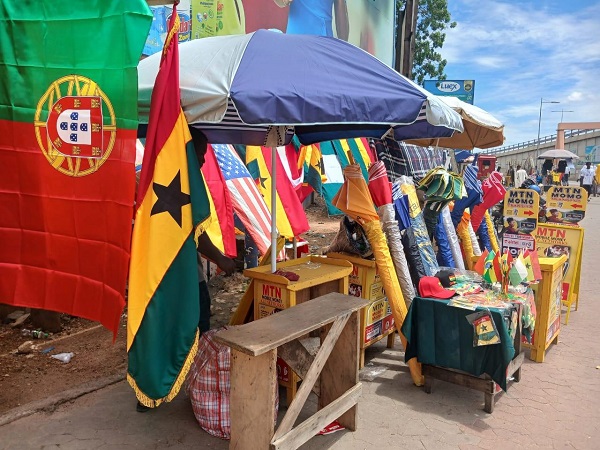
Young entrepreneurs offering on-the-spot customisation services worked tirelessly printing names, favourite players’ numbers and personalised messages on jerseys.
Street vendors, mobile hawkers, printers, embroidery operators and small retail businesses all benefited from the surge in demand.
“It wasn’t only the sellers making money,” explained Abdul Karim, who is specialised in jersey customisation.
“People wanted their own names or their favourite players’ names printed immediately. We worked from morning until late at night because the demand was overwhelming,” he added.
For many young people, the tournament provided short-term employment and a valuable source of income.
However, Ghana’s elimination brought the booming business to an abrupt halt.
“Some customers have even returned asking if they could exchange or return the jerseys because Ghana is out,” one trader said with a smile.
“We told them that once you buy it, you own it,” he said.
Others simply walked past the stalls without stopping, something that would have been unimaginable just a few days earlier.
Many traders are now hoping the jerseys will still attract buyers beyond the tournament, arguing that supporting the national team should not depend solely on winning.
Football analysts say the fluctuating demand demonstrates how sporting success influences consumer behaviour and local economies.
As national pride grew during Ghana’s World Cup journey, so did spending.
Every game came with increased confidence, higher demand and rising prices.
But once the dream ended, so did much of the commercial excitement.
The phenomenon reflects what has been witnessed in many football-loving nations around the world.
During successful international tournaments, national team merchandise often experiences unprecedented demand, creating opportunities for retailers, manufacturers and informal sector businesses. Yet the momentum can disappear almost overnight when a team is eliminated.
Karim noted that the unsold jerseys remind us that football brings people together.
“When Ghana was playing, everyone wore the colours with pride. The business may have slowed down, but our support for the Black Stars remains.”
As the World Cup continues without Ghana, the once highly sought-after jerseys remain suspended from tree branches to shop entrances and market stalls across Tamale, a symbol of hopes that soared with every victory but faded with the final whistle.
For now, the jerseys are still hanging.
Perhaps not for another World Cup match, but for another moment when the nation once again rallies behind the Black Stars, and the red, gold and green return to the streets with the same passion that briefly transformed football into business.
From Geoffrey Buta, Tamale