News
Include entrepreneurship in JHS, SHS academic curricula …Nhyiaeso MP advocates

- /home/u249204778/domains/spectator.com.gh/public_html/wp-content/plugins/mvp-social-buttons/mvp-social-buttons.php on line 27
https://spectator.com.gh/wp-content/uploads/2025/06/Dr-Stephen-Amoah-1000x600.jpg&description= Include entrepreneurship in JHS, SHS academic curricula …Nhyiaeso MP advocates', 'pinterestShare', 'width=750,height=350'); return false;" title="Pin This Post">
- Share
- Tweet /home/u249204778/domains/spectator.com.gh/public_html/wp-content/plugins/mvp-social-buttons/mvp-social-buttons.php on line 72
https://spectator.com.gh/wp-content/uploads/2025/06/Dr-Stephen-Amoah-1000x600.jpg&description= Include entrepreneurship in JHS, SHS academic curricula …Nhyiaeso MP advocates', 'pinterestShare', 'width=750,height=350'); return false;" title="Pin This Post">
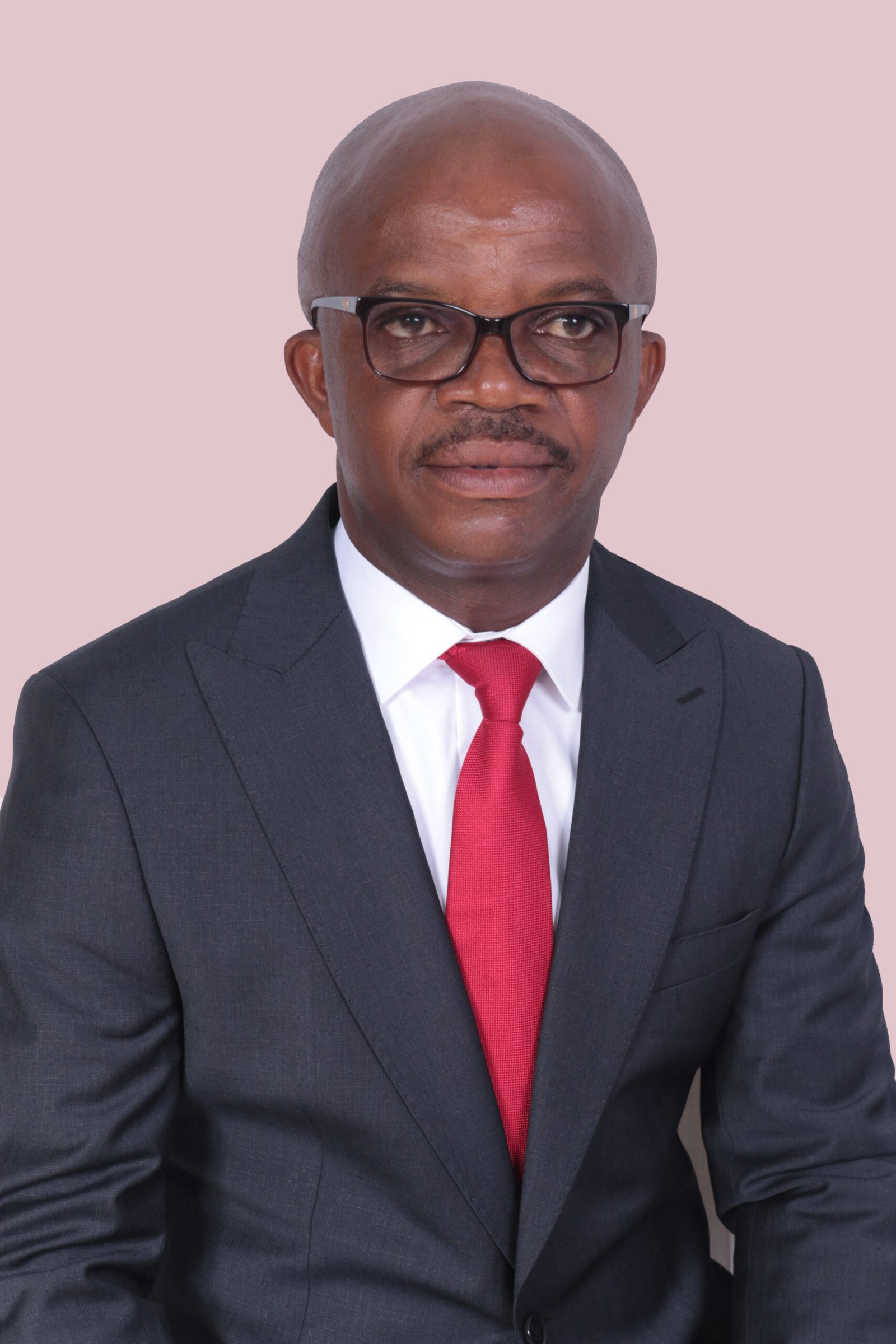
Dr Stephen Amoah, Member of Parliament (MP) for Nhyiaeso, has advocated the urgent need to include entrepreneurship as a core subject in the Junior High School (JHS) academic curricula and as an elective course in the Senior High School (SHS) curricula, respectively.
The legislator was of the firm conviction that if entrepreneurship was fully integrated into the country’s education system, it would ignite students’ interest in the course and create their own businesses after school.
That way, he said, it would minimise youth unemployment in the country and lift the pressure on the government to always find avenues to recruit graduates into the public sector.
Dr Stephen Amoah made the remarks in a statement read on the floor of Parliament on Tuesday.
Entrepreneurship is the ability to set up a new business and develop one’s own business with the intention of making a profit, instead of relying on existing and flourishing businesses.
The Nhyiaeso lawmaker was of the belief that if entrepreneurship was given the needed national attention, it would stimulate socio-economic growth and stability.
“The job market in Ghana is congested therefore putting most of the youth in undesirable situations including insecurity, armed robbery, teenage pregnancy and sexually transmitted diseases,” he noted.
According to the Data Institute of Statistical, Social and Economic Research, only 10 per cent of Ghanaian graduates secure jobs within a year of graduation.
The way to deal with graduate unemployment, according to the legislator, was by integrating entrepreneurship as a key policy intervention.
The Ghana Statistical Service also said graduate job-hunting during the period of graduation has always been a laborious experience, leading to stressful conditions.
The Ghana Education Sector Report said about 109,874 graduated annually from the universities, however, only 10 per cent secure regular job within a year of graduation.
Dr Amoah noted that Ghana, being a developing nation, endowed with many natural resources must leverage on her resources to create jobs for the teeming youth to contribute their quota to national development. –GNA


The Ghana Football Association (GFA), through its Technical Directorate, will organize a one-day workshop for Ghana Premier League coaches ahead of the 2026/27 season.
The virtual session will bring together head coaches of all Premier League clubs for an engagement aimed at strengthening technical standards, enhancing professionalism, and ensuring a common understanding of key issues ahead of the new campaign.
It will be led by GFA Technical Director, Dr. Joseph Kwame Mintah, together with members of the Technical Directorate.
The workshop will provide a platform for coaches to engage the directorate on matters relating to their roles and responsibilities, with focus on key technical and administrative areas to ensure the smooth running of the competition.
Particular attention will be paid to the conduct and responsibilities of team officials, with emphasis on discipline, professionalism and adherence to competition regulations.
The exercise is expected to equip participants with relevant guidance and practical information as clubs finalize preparations for the new season.
The 2026/27 Ghana Premier League will kick off on Saturday, September 5, 2026, when Vision FC host Young Apostles at the Nii Adjei Kraku II Sports Complex in Tema New Town.
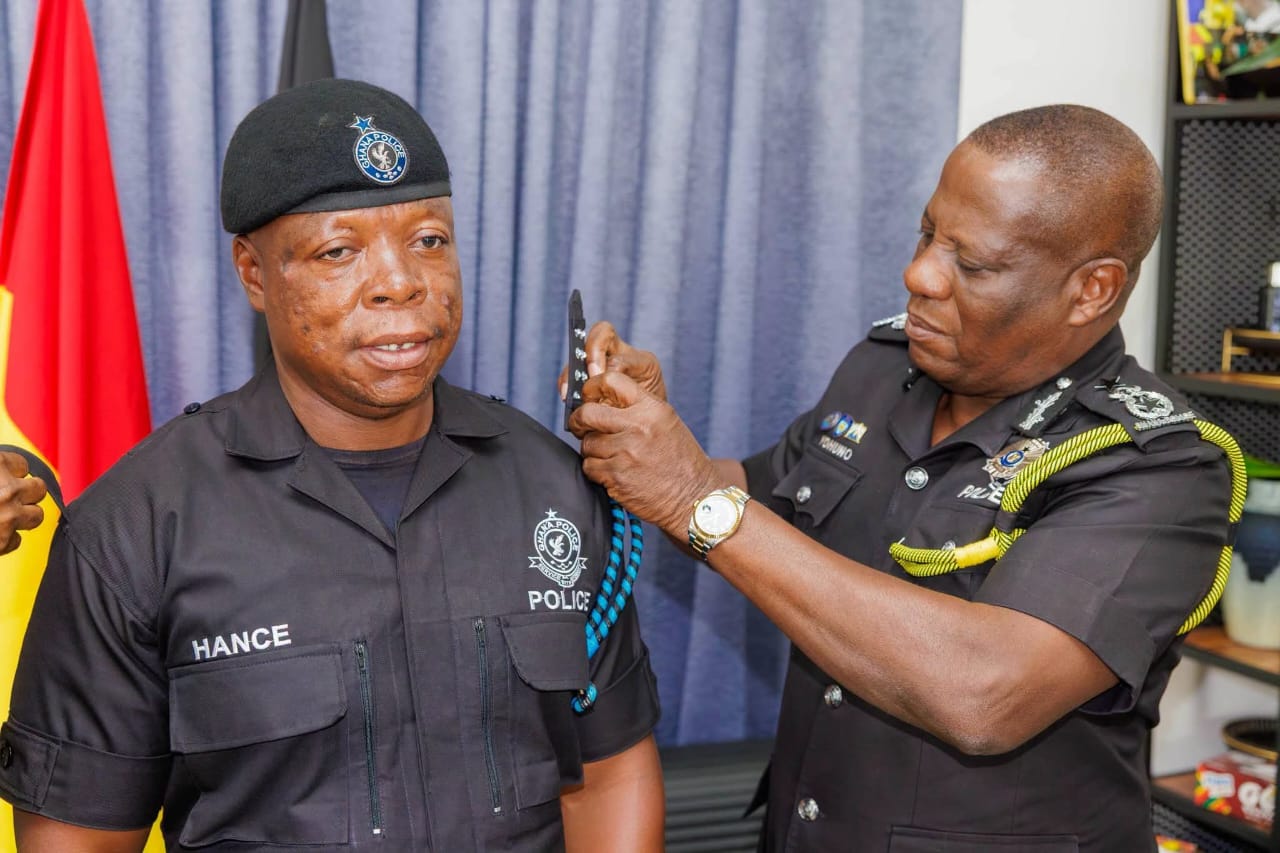
The Inspector-General of Police (IGP), Mr. Christian Tetteh Yohuno, on Monday’s, August 31, 2026, decorated Inspector Hance Atubra of the Tarkwa Divisional Headquarters with his new rank of Chief Inspector.
The decoration ceremony took place at the National Police Headquarters in Accra.
Chief Inspector Atubra was promoted in recognition of his bravery and exceptional efforts in saving lives and protecting property during a fire outbreak at Aboso in the Western Region on August 26, 2026.
The IGP commended him for his courage, quick response and dedication to duty, noting that his actions exemplify the professionalism and service expected of police officers.
By Edem Mensah-Tsotorme