News
HPV vaccination campaign: UNICEF partners CSOs to reach out-of-school girls


The United Nations Children’s Fund (UNICEF) is partnering with six Civil Society Organisations (CSOs) to reach girls aged nine to 14 who are out of school as it rolls out the HPV Vaccination Campaign.
The collaboration featuring Theatre for Social Change, Curious Minds Ghana, DAWAH Academy, Muslim Women in Teaching (MUSWIT), The Light Foundation, and Meta Foundation will mobilise communities to boost vaccine uptake among girls often missed by mainstream health initiatives.
Activities will include grassroots sensitisation, outreach, and mobilisation to close the information and access gap between in-school and out-of-school girls.
Ghana now joins more than 140 countries that have integrated the HPV vaccine into routine immunisation programmes, a key step in the fight against cervical cancer, the fourth most common cancer among women globally.
Sub-Saharan Africa carries the highest burden, with over 70 per cent of cases detected at late stages, leading to poor treatment outcomes.
Speaking at the annual MUSWIT conference in Kumasi, UNICEF Social and Behaviour Change Specialist, Madam Charity Nikoi, stressed the need to reach out-of-school girls with the same urgency as those in school.
She urged parents and guardians to ensure eligible girls take the vaccine before exposure to the virus, noting that it is most effective at an early age.
The campaign aims to reduce cervical cancer incidence, improve women’s health outcomes, and ensure no eligible girl-whether in school or not-is left unprotected against HPV. -GNA









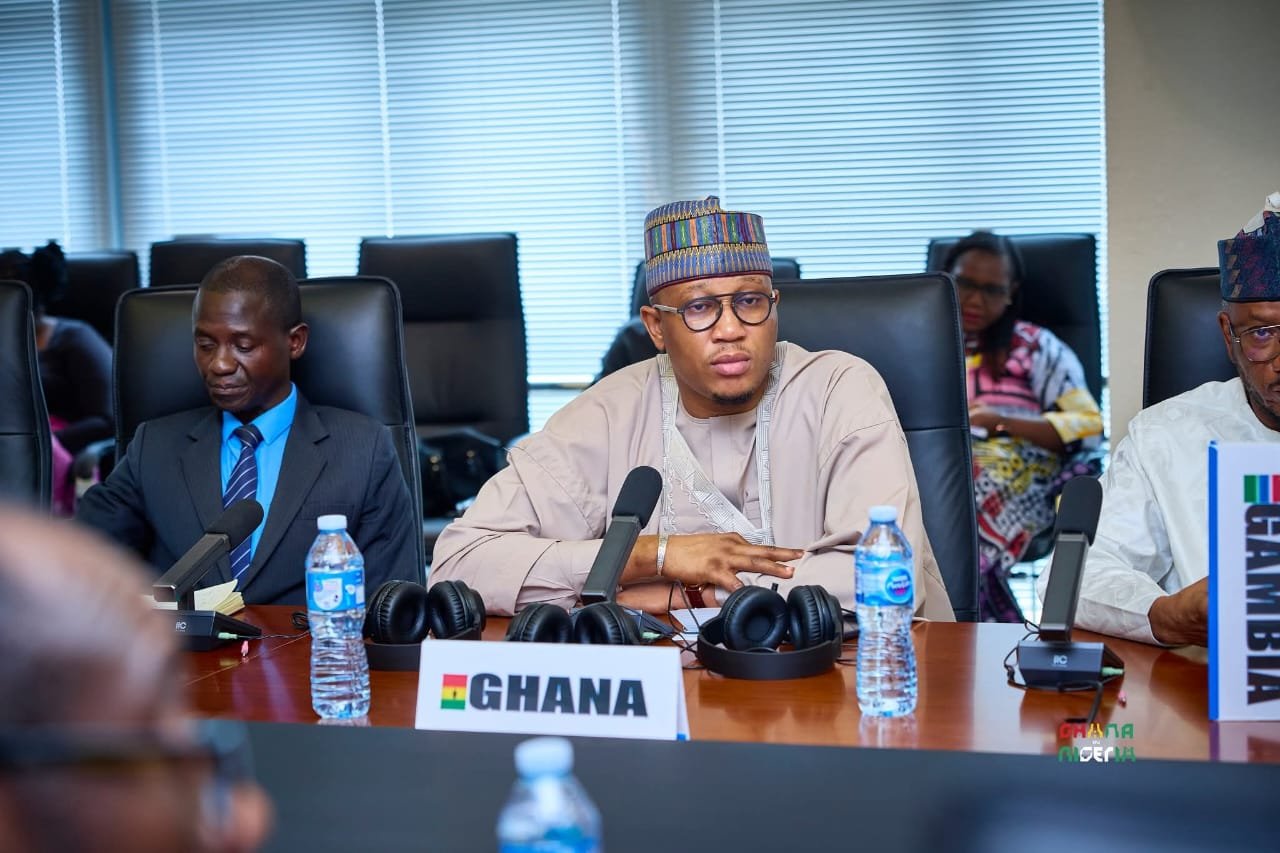
The Ghana High Commission in Abuja, Nigeria, is appealing to the public to help trace the relatives or next of kin of Apia Solomon, a Ghanaian national believed to be from Osu, Accra.
According to a public announcement by the High Commission, Mr. Solomon, born on March 6, 1960, in Accra, died on July 5, 2021, from cardiopulmonary failure.
He worked as a temporary civilian staff member at the National Defence College in Nigeria. His remains are currently being kept at the Nigerian Air Force Hospital morgue in Abuja, pending burial arrangements.
The High Commission says efforts to locate his relatives have so far been unsuccessful and is urging anyone with information about his family, friends or next of kin to come forward.
Anyone with relevant information is encouraged to contact the Ghana High Commission in Abuja.
By: Jacob Aggrey
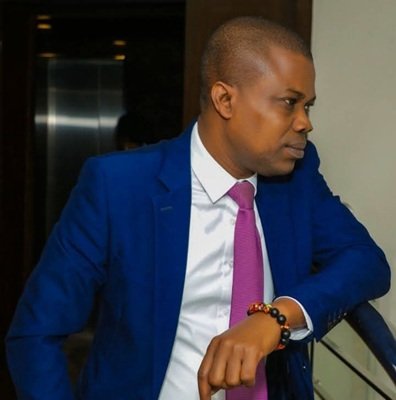
Security consultant Richard Kumadoe has blamed what he describes as flawed recruitment and incomplete background checks for some of the problems facing the Bureau of National Intelligence (BNI).
He has called on the leadership of the BNI to review the backgrounds of officers recruited during specific periods, particularly those who entered the agency under recent recruitment processes.
Speaking on the issue on TV3 yesterday, Mr Kumadoe alleged that some individuals were recruited into the intelligence agency without proper background checks and completed vetting.
“Certain categories of persons were dumped into the BNI, whose backgrounds were not checked, and whose vettings were not completed,” he stated.
He said some of the officers linked to the concerns appeared to have been recruited within the same period, making it necessary for the agency to examine the recruitment records and backgrounds of those who joined during that time.
Mr Kumadoe argued that the problems could be addressed by ensuring that recruitment procedures were properly followed and that all applicants underwent the required checks before being employed.
According to him, when the selection process is flawed, it can lead to problems within the institution.
He blamed the politicisation of security institutions, arguing that appointing people without the necessary intelligence experience and allowing political interests to influence recruitment could undermine their operations.
“When you have a selection procedure that was flawed because you politicised the place, brought in people to come and head the place when they have no business being there, they don’t know anything about being a BNI officer, they are not intelligence officers, and you flood the place with politicians and political artists, then you circumvent the standard procedure and you are going to have some of these problems,” he said.
Mr Kumadoe, however, defended the current leadership of the BNI, arguing that efforts to address longstanding problems within security institutions could bring such issues to light.
He said the leadership should be assessed in the context of the steps it is taking to improve the agency’s operations and uphold professional standards.
Drawing on his own experience in the intelligence field, he said the opportunity to serve under experienced officers had helped him develop the skills and integrity needed to contribute to national security.
By: Jacob Aggrey