News
How nutrition shapes learning: The brain-nutrition link in Ghana

- /home/u249204778/domains/spectator.com.gh/public_html/wp-content/plugins/mvp-social-buttons/mvp-social-buttons.php on line 27
https://spectator.com.gh/wp-content/uploads/2026/04/Most-childrens-diet-lack-sufficient-nutrients.jpg&description=How nutrition shapes learning: The brain-nutrition link in Ghana', 'pinterestShare', 'width=750,height=350'); return false;" title="Pin This Post">
- Share
- Tweet /home/u249204778/domains/spectator.com.gh/public_html/wp-content/plugins/mvp-social-buttons/mvp-social-buttons.php on line 72
https://spectator.com.gh/wp-content/uploads/2026/04/Most-childrens-diet-lack-sufficient-nutrients.jpg&description=How nutrition shapes learning: The brain-nutrition link in Ghana', 'pinterestShare', 'width=750,height=350'); return false;" title="Pin This Post">
When we talk about child nutrition in Ghana, we often talk about physical growth, weight, and height.
But nutrition does something else that we rarely discuss. It shapes how a child’s brain develops.
The food a child receives in the first two years of life does not just determine how big they grow.
It determines how well they think, how fast they learn, and how fully they become the people they are capable of being.
The period from birth to age two is a time of rapid brain development. During this window, the brain forms connections that support learning, memory, language, vision and coordination.
Without the right nutrients, this development can be permanently affected. Key micronutrients such as iron, zinc, and iodine are especially critical during this period.
Iron supports oxygen transport to the brain, zinc is essential for neural signaling and memory, and iodine is vital for the production of thyroid hormones that regulate brain development.
Deficiencies in any of these nutrients during the first 1,000 days can cause irreversible cognitive harm.
Breastfeeding plays a critical role. Breast milk provides essential fatty acids, antibodies, and other compounds that support brain and eye development.
After six months, children need diverse, nutrient-rich complementary foods to sustain this growth.
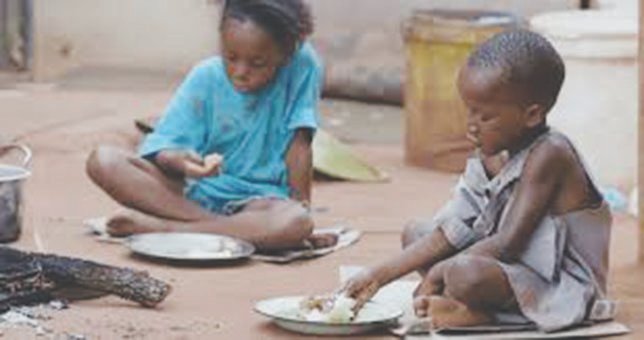
However, in many parts of Ghana, children’s diets lack sufficient diversity. Meals may fill the stomach but fail to provide the nutrients needed for optimal brain development.
Research in rural Ghana shows that children who were not adequately breastfed or who received low-diversity complementary foods are more likely to experience delays in cognitive development, language skills, and motor development.
These are not abstract findings. They describe real children in real communities across Ghana today.
Poor early nutrition leads to suboptimal brain development, which negatively affects a child’s educational performance and economic productivity long into adulthood.
This is not just a health issue, it is a development issue. Ghana cannot achieve its economic ambitions if a significant portion of its next generation is entering school with cognitive deficits that were entirely preventable.
The cost of under nutrition is not only paid in hospitals. It is paid in classrooms, workplaces, and communities for generations.
Protecting children’s brain development requires investment in the first 1,000 days of life from conception to age two.
This means supporting exclusive breastfeeding, training health workers to counsel mothers on diverse complementary feeding, ensuring that nutrient-rich local foods are affordable and accessible, and integrating early child development with nutrition programmes.
Leaders in government, health, and communities must understand that feeding a child well is not a maternal responsibility alone. It is a collective, policy-driven obligation.
A well-nourished brain is the foundation of a well-developed nation.
Feature article by Women, Media and Change under its Nourish Ghana: Advocating for Increased Leadership to Combat Malnutrition project







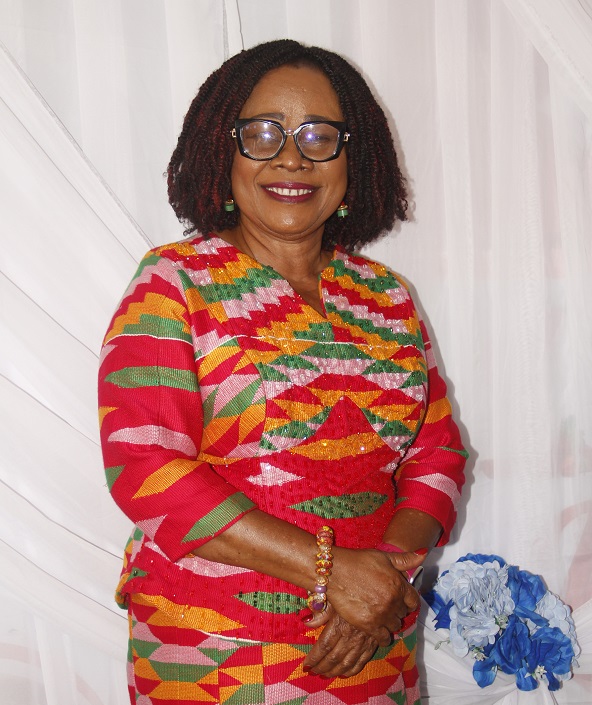
A nine-member board for the New Times Corporation (NTC), publishers of The Ghanaian Times and The Spectator newspapers was sworn into office on Thursday with a call to strengthen the governance of the Corporation.![Dr. Binka (seated second from right) with Dr Okpoti [right] the board and Management of NTC photos Okai Elizabeth.](https://spectator.com.gh/wp-content/uploads/2026/08/Dr.-Binka-seated-second-from-right-with-Dr-Okpoti-right-the-board-and-Management-of-NTC-photos-Okai-Elizabeth-1024x683.jpg)
The new NTC board is chaired by Dr Charity Binka and has Very Rev. Helena Amma Serwah Opoku-Sarkodie, Mr Tito Kojo Voegborlo Esq and Naana Aklerh Amenyah Kubi I as members. Read More
SKIP THE QUEUE, TAP THE NEWS
You can now read the Ghanaian Times and The Spectator newspapers from the comfort of your device via TimesNewsPlus.
Join our WhatsApp Channel: https://whatsapp.com/channel/0029VbBElzjInlqHhl1aTU27
Christians have been urged to demonstrate a living faith in Jesus Christ by allowing their confession of Him as Lord and Saviour to reflect in their daily lives.
According to the Kaneshie District Pastor of the Evangelical Presbyterian Church, Ghana (EPCG), Rev. Dzidzor Nathaniel Affram, a genuine Christian’s confession should go beyond words and be demonstrated through obedience to God, love for others and service to the Church.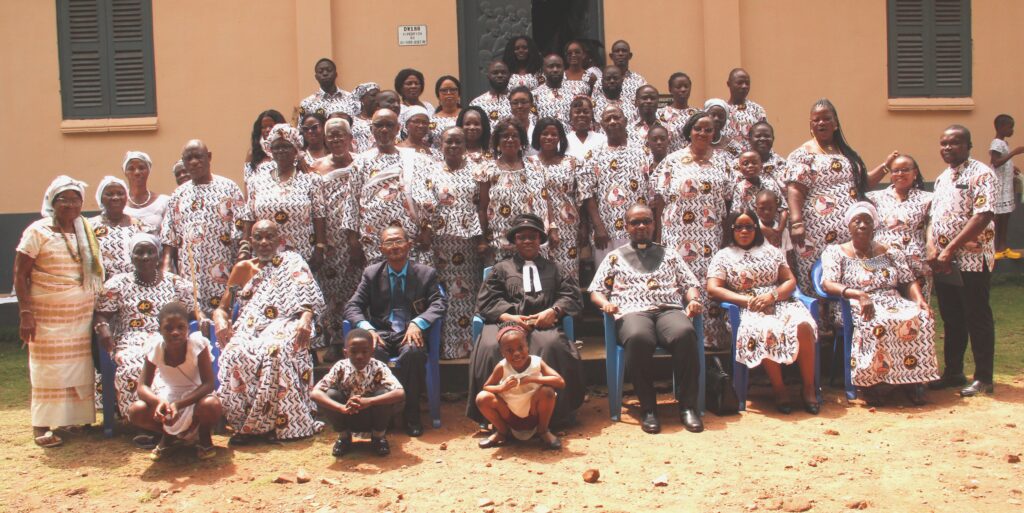
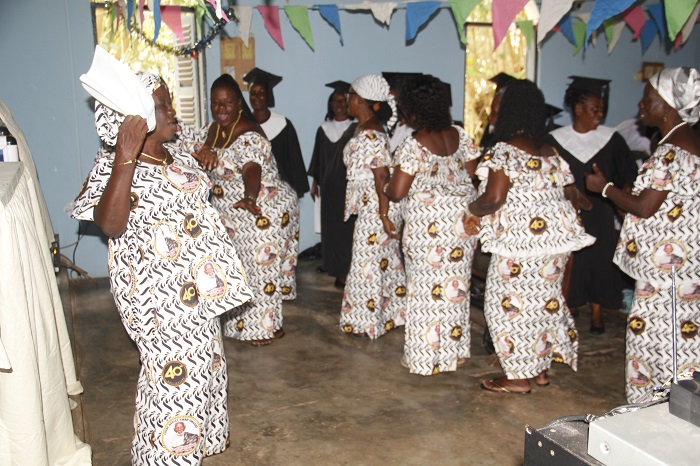
He made the call at the 40th anniversary remembrance service for the late Wesley Kwasi Kwadzo at the Evangelical Presbyterian Church, Ghana, Maranatha Congregation at Awudome Avenui in the Volta Region.
Speaking on the theme, “The Church Built on a Living Confession,” Rev. Affram said life would continually present challenges capable of testing Christians’ faith, making it necessary for believers to hold firmly to their confession that Jesus Christ is Lord.
He explained that accepting Jesus Christ as Lord and Saviour required Christians to live according to His teachings, stressing that their faith must be evident in their conduct.
“A living confession listens to God and not man,” he said, urging Christians to remain obedient to God even when faced with difficulties and pressures.
Rev. Affram further encouraged the congregation to care for vulnerable people and demonstrate concern for others, adding that such acts were practical expressions of Christian faith.
He also urged Christians to identify and use their God-given gifts to build the Church.
He said every member of the Church had a role to play and cautioned Christians against looking down on others because of their status or abilities.
The remembrance service brought together family members, friends, members of the congregation and sympathisers to commemorate the 40th anniversary of the late Wesley Kwasi Kwadzo.
By Lizzy Okai