Gender
Guzakuza WAW Ghana 2025 calls for gender equity in agribusiness

- /home/u249204778/domains/spectator.com.gh/public_html/wp-content/plugins/mvp-social-buttons/mvp-social-buttons.php on line 27
https://spectator.com.gh/wp-content/uploads/2025/09/A-section-of-women-at-the-event.png&description= Guzakuza WAW Ghana 2025 calls for gender equity in agribusiness', 'pinterestShare', 'width=750,height=350'); return false;" title="Pin This Post">
- Share
- Tweet /home/u249204778/domains/spectator.com.gh/public_html/wp-content/plugins/mvp-social-buttons/mvp-social-buttons.php on line 72
https://spectator.com.gh/wp-content/uploads/2025/09/A-section-of-women-at-the-event.png&description= Guzakuza WAW Ghana 2025 calls for gender equity in agribusiness', 'pinterestShare', 'width=750,height=350'); return false;" title="Pin This Post">
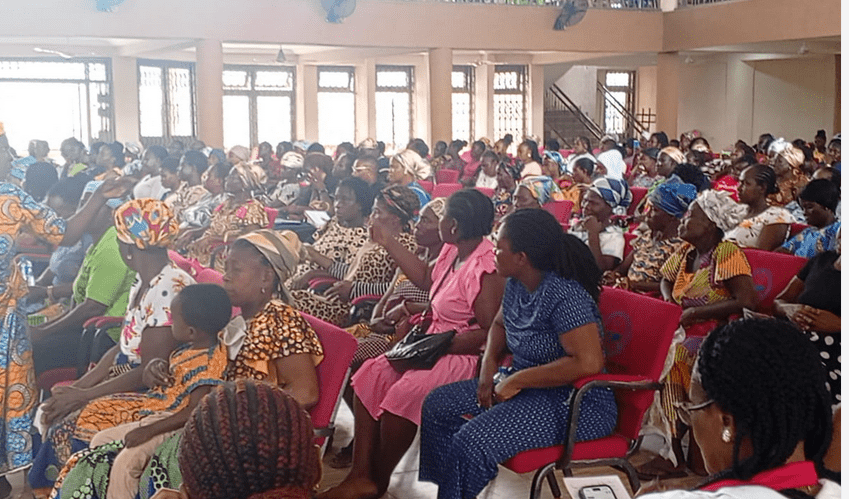
Stakeholders at the launch of Women in Agribusiness Week 2025, have urged bold action to address gender disparities in agriculture, stressing that women’s empowerment is critical to food security, rural development, and inclusive economic growth.
The Women in Agribusiness Week (WAW) Ghana 2025, organised by Guzakuza-a leading organisation committed to empowering women in agribusiness across Africa—was launched in Koforidua in the Eastern Region, bringing together policymakers, entrepreneurs, and advocates.
Addressing this year’s Women in Agribusiness Week theme: “Innovating for a Resilient Agribusiness: Finance, Technology and Market Access for Growth”, stakeholders took turns to highlight the need for innovation, equity, and investment to unlock the full potential of Ghanaian women in agribusiness.
Hajia Habiba Yusifu, Eastern Regional Director of Agriculture, described women as “the lifeline of rural and national economies,” but noted that they continue to face systemic barriers.
“For decades, African women have been trapped in poverty cycles due to unequal access to education, resources, and technology,” she said.
Adding, “Empowering women in agriculture is not only a moral imperative but also an economic necessity.”
She cited research indicating that closing the gender gap could significantly boost agricultural productivity, reduce hunger, and stimulate economic growth.
“We must provide women with equal access to land, finance, and modern technologies to enable them to become catalysts for innovation, productivity, and sustainable development,” she added.
Hajia Yusifu also called for increased representation of women in farmer cooperatives and decision-making platforms.
“Women’s voices must be heard and their perspectives considered when designing programmes that affect their livelihoods,” she said.
In a speech read on her behalf, Eastern Regional Minister, Mrs Rita Akosua Adjei Awatey, echoed the appeal, noting that women constitute 70 per cent of Ghana’s agricultural workforce but face challenges in scaling their businesses.
“Access to affordable credit and investment is vital for women to transition from subsistence farming to commercial agribusiness,” she said.
She highlighted government interventions under the Agriculture for Economic Transformation Agenda, including the Feed Ghana Programme and the Grains and Legumes Development Programme, which aim to enhance resilience and productivity.
“Our efforts in agriculture are not only about producing more food, but also about building resilience and ensuring that farmers, particularly women, can withstand climate change and market fluctuations,” she said.
Ms Vida Akuamoah Boateng, Project Officer at Guzakuza, said the conference provided a platform for product marketing, networking, and knowledge exchange.
“Industry experts add knowledge that enhances creativity, and through networking, women can support each other long after the event,” she said.
She acknowledged persistent challenges such as limited access to finance, land ownership, and fragile market access.
“That is why we organise exhibitions—to encourage women to add value to their produce and connect them with buyers,” she said.
She also emphasized the importance of agro-processing, noting, “We are still in the early stages of value addition. We encourage women to go into processing to make their products competitive locally and internationally.”
Mrs Perpetual Kyei, Executive Director of Guzakuza, said her organisation has built a pan-African ecosystem for women entrepreneurs in agribusiness.
“Our flagship Ignite programme has trained over 5,000 women from 36 countries since 2015,” she said. “We continue to connect alumni to collaborate and grow.”
Since 2015, Guzakuza has launched programmes such as Ignite, SheFarms, and the continental Women in Agribusiness Week (WAW Africa).
While WAW Africa 2025 will be hosted in Uganda, the Ghana edition marks the first national platform of its kind dedicated to women in agribusiness.
This year’s WAW Ghana was held in partnership with MTN Momo, Ghana Standards Authority, Ghana Export Promotion Authority, Environmental Protection Agency, Ministry of Trade, Agribusiness and Industry, and the Association of Ghana Industries.
Exhibitors showcased processed foods, packaged staples, cosmetics, and beverages produced by women-led enterprises.
Organisers said the programme rotates annually across Ghana to ensure broad participation.
A continental edition, WAW Africa, is scheduled for November, bringing together women entrepreneurs from across Africa to share innovations and expand market access. -GNA
Join our WhatsApp Channel now!
https://whatsapp.com/channel/0029VbBElzjInlqHhl1aTU2


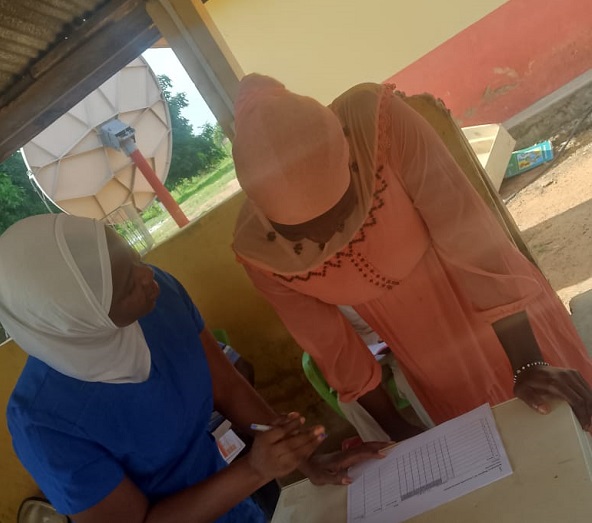
Across many rural communities, midwives continue to provide care in circumstances that tests their skills, patience and resilience.
They attend to women at all hours, manage emergencies, work with limited supplies and support mothers and newborns even when the resources available to them are far from adequate.
Their work may often go unnoticed, but for the mothers and babies whose lives they touch, the presence of a committed midwife can make all the difference.
At Jeffisi in the Sissala West District of the Upper West Region, demands of the job as a midwife meant that Hafisatu Sadik Gbanha does not close from work when she should.
Antenatal care (ANC) services at the facility officially ran from 8am to 2pm but labour and delivery cases could come at any time.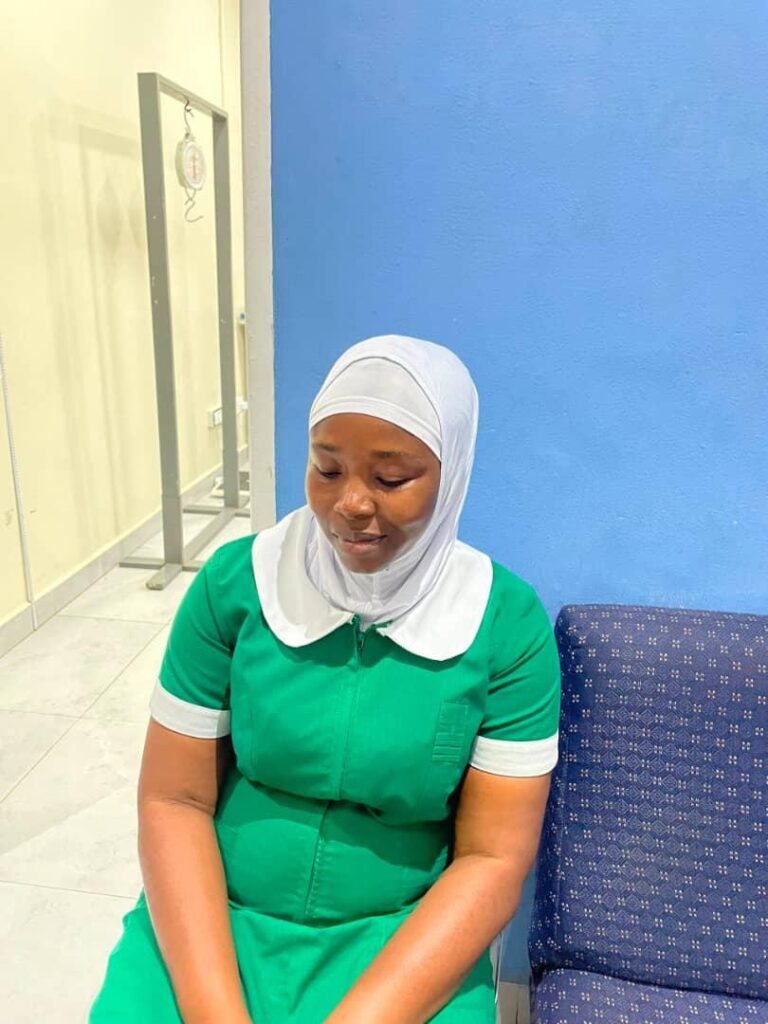
A woman in labour could arrive after the ANC session had ended, late in the evening or in the early hours of the morning, and Mrs Gbanha had to be ready to attend to her.
Sometimes, she works through the day and night, depending on the number of cases that comes to the facility.
“I used to live in the facility. ANC services start at 8am and end at 2pm. Labour and delivery cases were managed anytime they arrived. So I can work day and night alone depending on the number of cases that come to the facility,” she recalled.
Her experience gives an insight into the realities of maternal healthcare in rural Ghana, where midwives often have to work under demanding conditions while dealing with shortages of equipment, medicines and other basic supplies.
Mrs Gbanha identified lack of logistics, heavy workloads, overtime, stress and burnout among the major challenges she faces at Jeffisi.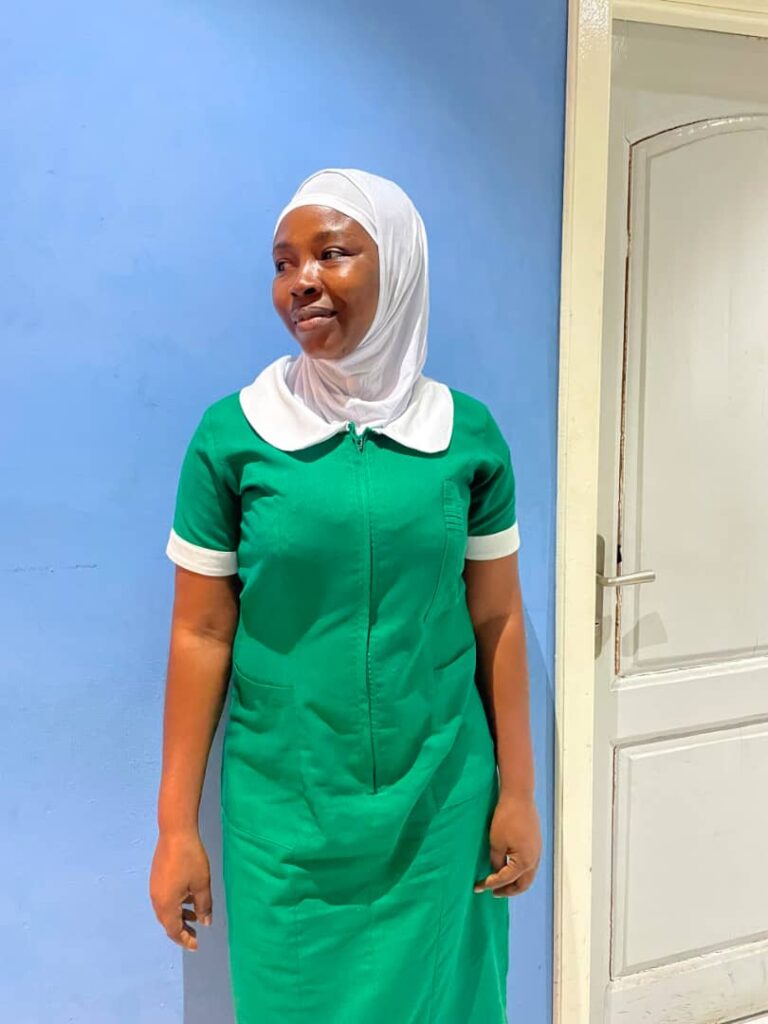
The situation, she said was made more difficult by poverty among some clients and poor road networks, particularly when women needed to be referred to higher-level facilities for further care.
At the facility, some essential items were unavailable, including a fetal Doppler, a standard delivery bed, gloves, basic life-support medicines and machines.
For a midwife handling a difficult delivery, the absence of such basic resources can turn an already challenging situation into a desperate one.
One particular delivery remains with Mrs Gbanha. It involved a woman carrying twins. One of the babies was presenting in a breech position while the other was presenting cephalically.
At the time, there were no gloves available. With the delivery needing immediate attention, Mrs Gbanha improvised by using rubber gloves.
Both babies were eventually delivered, although they had low birth weight. She recommended that the mother be referred for further management, but the woman declined.
Mrs Gbanha then initiated bonding, exclusive breastfeeding and kangaroo mother care for the babies. She also conducted home visits for two weeks to monitor the mother and her newborns. The twins are now two years old.
The experience, she said, reflects the difficult decisions rural midwives sometimes have to make when resources are limited and a patient needs care beyond what the facility can provide.
In such situations, early referral and reliable transportation to a higher-level facility are critical, yet arranging transportation and referrals can be a major challenge.
Mrs Gbanha said arranging referral could be very difficult citing poverty and poor road networks as major factors.
For women in rural communities, access to maternal healthcare can also be affected by factors outside the health facility.
Mrs Gbanha identified ignorance, lack of family support, including support from husbands, long distances and poor roads as some of the reasons women delay seeking antenatal and maternity care.
Such delays can have serious consequences when complications develop and urgent care is required. The consequences, she said, can include complications from disease conditions and, sometimes, loss of life.
Challenges
While much of the attention in maternal healthcare focuses on mothers and babies, the demands placed on the midwives providing such care is sometimes overlooked.
Rural midwives are faced with long working hours, heavy workloads, overtime and the pressure of dealing with emergencies which often takes a toll on them physically and emotionally.
This could lead to stress, depression and burnout, adding that rural midwives often receive little support.
Despite these difficulties, Mrs Gbanha said there are moments that make the work worthwhile.
She said seeing mothers and their babies healthy and happy remains one of her greatest sources of satisfaction while drawing strength from the trust that women place in her, particularly when former clients continue to call her by name for her services and assistance.
Those moments, she said, remind her why she chose the profession.
Way Forward
Mrs Gbanha urged government and policymakers to better understand the realities of working in rural communities and provide midwives with the resources and training they need.
“Rural midwives lack support and basic logistics and on-the-job training that will aid them carry out their duties,” she said.
She called for greater support for rural midwives, including basic logistics and regular on-the-job training.
By Esinam Jemima Kuatsinu
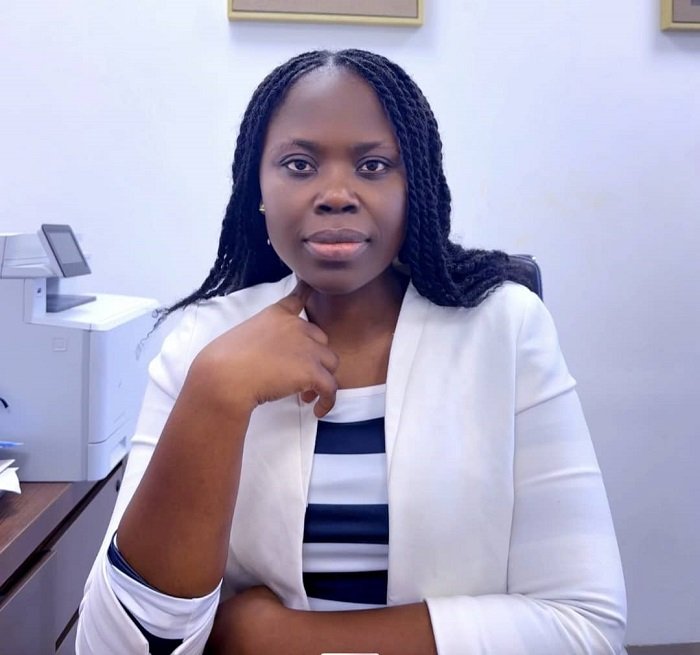
The Founder of The Raissa Child Protection Initiative (TRCPI), Ms Raissa Sambou, has called for intensified efforts to eliminate child labour across Africa, describing the practice as a serious violation of children’s rights and a major threat to their development and future.
She urged governments, individuals, civil society organisations, religious bodies, and traditional and religious leaders to work together to protect children from all forms of labour that deprive them of their childhood, education, and well-being.
Ms Sambou made the call on Thursday as the world marked the World Day Against Child Labour, an annual observance held on June 12 to raise awareness about child labour and mobilise action towards its elimination. This year’s commemoration was observed under the theme, “Red Card to Child Labour: Fair Play for Children, Decent Work for Adults.”
According to her, child labour continues to affect thousands of children across Ghana and other parts of Africa, exposing them to exploitation and denying them opportunities to reach their full potential.
“Child labour can affect the physical, emotional and psychological well-being of children. It interrupts their education, exposes them to abuse and exploitation, increases their risk of injuries and long-term health problems, and limits their chances of breaking the cycle of poverty,” she stated.
Ms Sambou further noted that children engaged in labour often suffer from low self-esteem, social exclusion and trauma, with many unable to acquire the skills and education needed to contribute meaningfully to national development.
She stressed that protecting children was a collective responsibility and called for stronger enforcement of child protection laws, increased public awareness, and greater investment in social protection programmes for vulnerable families.
Ms Sambou also identified poverty as one of the major drivers of child labour and warned that failure to address economic hardship would continue to expose children to exploitation and other forms of abuse.
She called on policymakers to strengthen interventions aimed at reducing poverty, improving access to quality education and supporting struggling households.
“We must not allow ignorance and poverty to thrive. When poverty is not adequately addressed, it fuels child labour and other crimes against children. Let the systems work effectively to shield every child from harm and give them the opportunity to learn, grow and succeed,” she added.
The World Day Against Child Labour was established by the International Labour Organisation in 2002 to focus global attention on the need to eradicate child labour and protect the rights and welfare of children worldwide.
By Esinam Jemima Kuatsinu