Nutrition
Groundnut soup with chicken

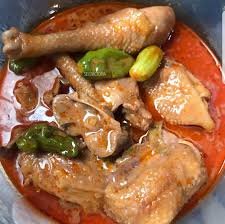
-2 tablespoonful of ginger
-1 pound of chicken
-2 large onions
-1 cup of groundnut paste
-Pepper
-Salt
-2 tablespoonful of tomato paste
-Garlic
Preparation
-Wash, clean and cut chicken into pieces
-Add salt, blend onion, garlic and ginger to the chicken and put it on fire to simmer.
– Mix groundnut paste with water and tomato paste and put it on fire for 10 minutes.
-Add groundnut paste when ready to chicken, add fresh tomatoes and pepper to cook slowly.
-Grind or blend tomatoes and pepper and add it to the soup
– Simmer until cooked.
– Season to taste Serve with konkonte, omotuo, fufu or banku etc.
By Linda Abrefi Wadie


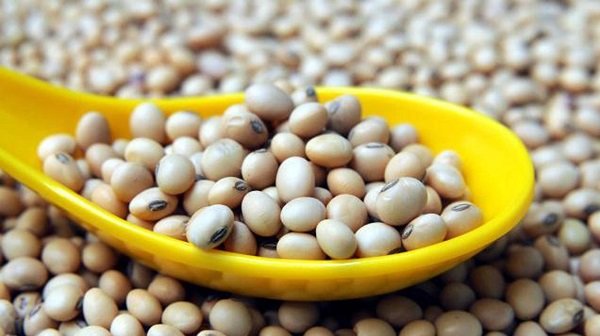
Soya beans is a highly nutritious plant-based food with several health benefits:
-Rich source of protein
-Contains all nine essential amino acids, making it a complete protein.
-Helpful for vegetarians and vegans as an alternative to animal protein.
-Supports muscle growth and repair.
– Heart Health
-Helps lower cholesterol levels
-Contains healthy unsaturated fats and fibre that support cardiovascular health
-Can be part of a heart-friendly diet
-Bone health
-Provides calcium (in fortified soy products), magnesium, and protein
-Soy isoflavones may help maintain bone density, especially in postmenopausal women
– May help manage menopausal symptoms
-Contains natural compounds called isoflavones (phytoestrogens)
-Some women experience reduced hot flashes and other menopausal symptoms with soy consumption
-Supports weight management
-High protein and fibre content can increase fullness and reduce hunger
-May help with maintaining a healthy weight
-Good for blood sugar control
-Has a low glycemic index
-Protein and fibre can help stabilise blood sugar levels

Ghana has nutrition policies. Ghana has nutrition targets. Ghana has nutrition programmes spread across multiple ministries and dozens of implementing partners.
What Ghana does not have is a single, empowered body responsible for leading, coordinating, and holding all this together. That is the gap a National Nutrition Council would fill, and stakeholders are calling for one now.
The case for a council
At a stakeholder engagement convened under the Nourish Ghana project in 2025, participants proposed the establishment of a National Nutrition Council to provide effective leadership and a governance framework for addressing malnutrition in Ghana. The meeting, which brought together policymakers, development partners, civil society organisations, and the media, highlighted a fundamental problem: nutrition responsibilities are fragmented across various ministries. Without a dedicated coordination body, efforts are duplicated, accountability is diffuse, and nutrition consistently loses out when budgets are tight.
The proposal echoes a model used in several countries that have made the fastest progress against malnutrition. Nigeria’s National Council on Nutrition, for example, recently pledged $107 million at the 2025 N4G Summit, a level of coordinated ambition that Ghana has struggled to match.
Ghana does have existing coordination structures worth acknowledging. The Scaling Up Nutrition Cross-Sectoral Planning Group (CSPG), established in 2012, was set up to harmonise planning, implementation, and monitoring of nutrition actions across sectors. It has produced real gains. But the challenge has been institutionalising those gains beyond project cycles, and analysts have called for an elevated national coordination body with presidential oversight to ensure genuine cross-sector accountability. A National Nutrition Council would go further, providing the dedicated financing and convening authority that the CSPG, as currently structured, does not have.
What a Council would do
A National Nutrition Council would provide political oversight and coordination across all sectors involved in nutrition, health, agriculture, education, social protection, and finance. It would track Ghana’s nutrition commitments, hold ministries accountable for delivery, and ensure that nutrition budgets are protected and spent effectively. Most importantly, it would give nutrition a permanent seat at the table where national development decisions are made.
The Time Is Now
Ghana made 10 commitments at the 2025 N4G Paris Summit. Translating those commitments into results requires a governance structure that does not currently exist. Establishing a National Nutrition Council is not a bureaucratic exercise. It is the institutional foundation without which Ghana’s nutrition ambitions will remain promises on paper. Leaders must act on this proposal without delay.
Feature article by Women, Media and Change under its Nourish Ghana: Advocating for Increased Leadership to Combat Malnutrition project