News
Govt to introduce new road maintenance trust fund to cater for better roads

The government is set to introduce a new Road Maintenance Trust Fund aimed at improving how roads are maintained across the country.
This was announced by the Finance Minister, Dr. Cassiel Ato Forson, during the presentation of the 2025 Mid-Year Budget Review in Parliament.
According to him, the new trust fund will replace the current Ghana Road Fund, as part of efforts to reorganize and refocus government’s approach to road maintenance.
Dr. Forson stated that the Minister for Roads and Highways will soon lay the road maintenance trust fund bill before Parliament for approval.
“The Road Maintenance Trust Fund will come with a new governance structure, a fairer formula for allocating funds, and greater transparency in how the road fund levy and other resources are used,” he explained.
He added that the government has identified 166 constituencies that are in dire need of road infrastructure.
To address this,he noted that the plan was to rehabilitate 10 kilometres of roads every year in each of these constituencies.
“This means about 5,000 kilometres of roads will be reconstructed over the next three years,” Dr. Forson said.
He underscored the importance of the initiative saying, it will improve road conditions, enhance transportation, and benefit both commuters and businesses across the country.
By Jacob Aggrey

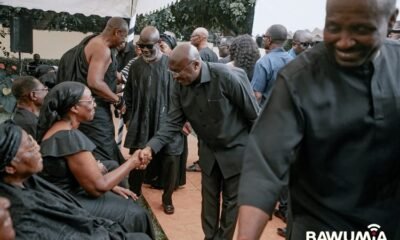





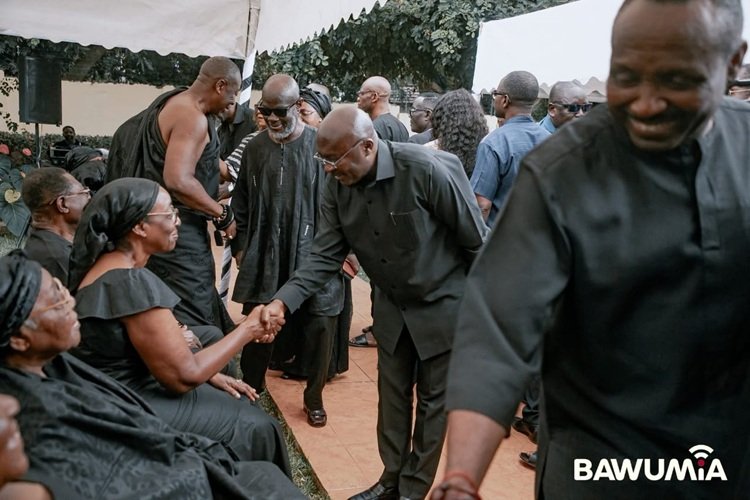
The flagbearer of the New Patriotic Party (NPP), Dr. Mahamudu Bawumia, today led the National Executives of the party to pay a condolence visit to the family of the late H.E. Samuel Odoi-Sykes.
Odoi-Sykes, former National Chairman of the NPP, was a distinguished lawyer, diplomat and statesman.
In a message after the visit, Dr. Bawumia said the leadership shared in the family’s grief and extended heartfelt sympathies during the difficult time.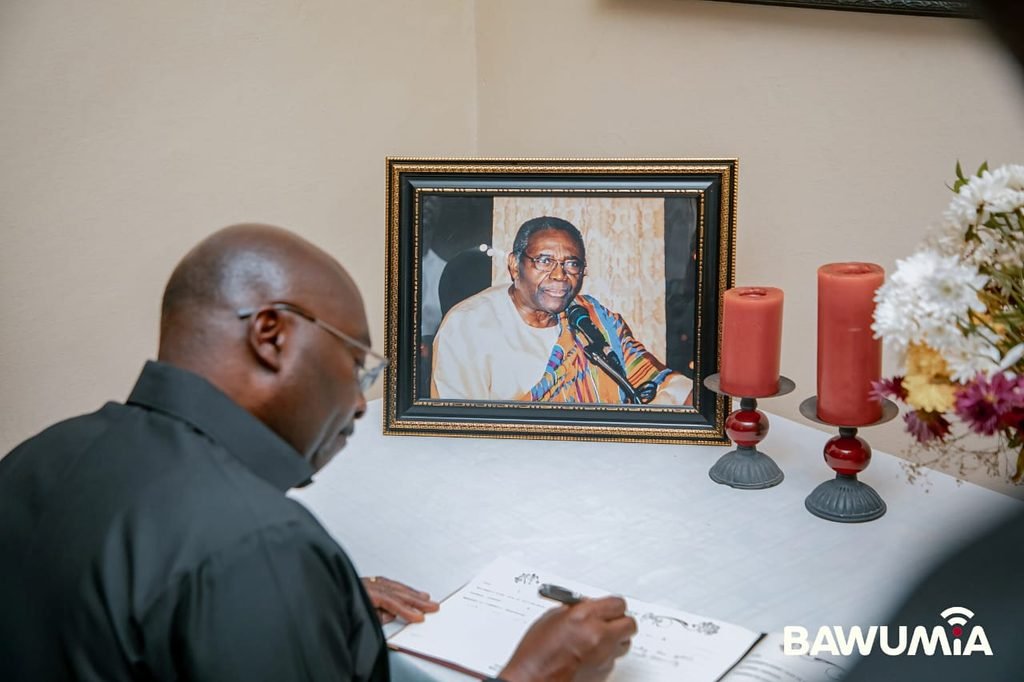
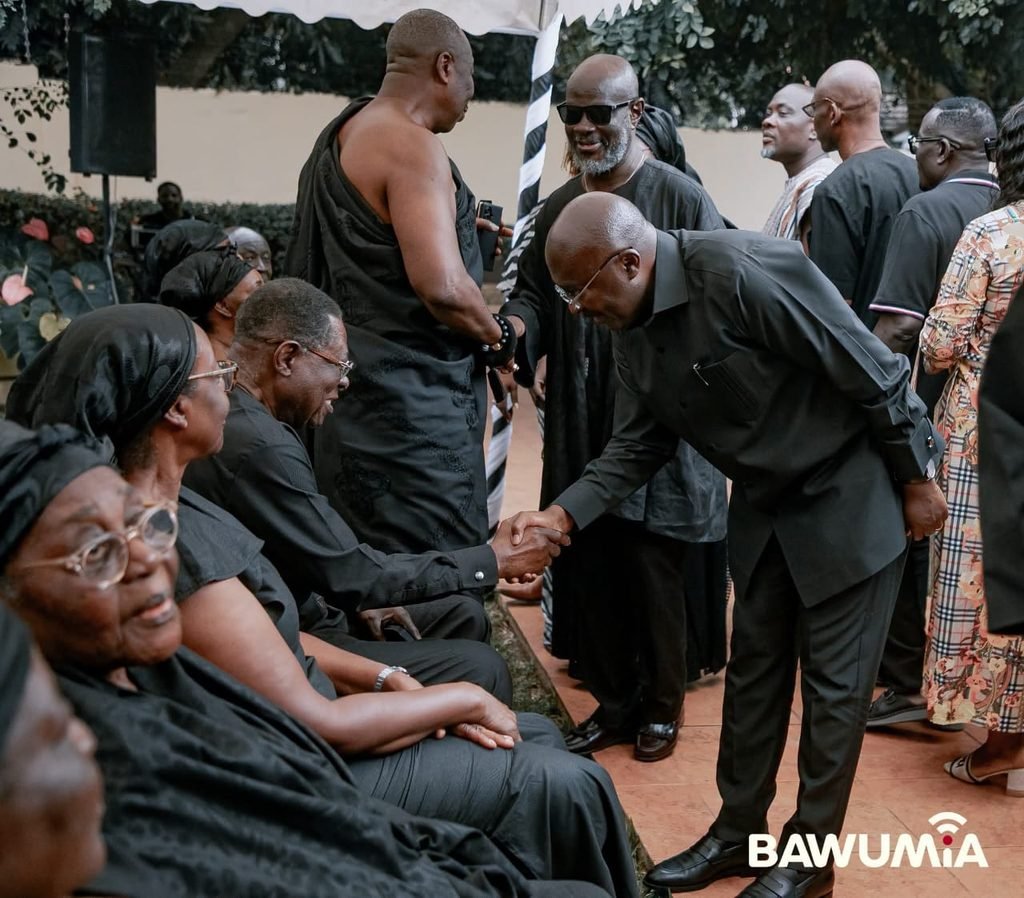
“H.E. Odoi-Sykes served our party with dedication and commitment, and his contributions will always be remembered,” he stated.
He prayed for comfort and strength for the bereaved family and for the soul of the late former Chairman to rest in eternal peace.
By Edem Mensah-Tsotorme
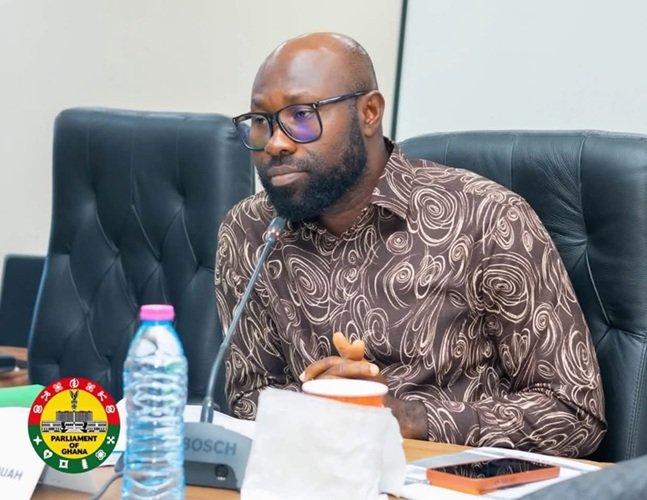
Suame Member of Parliament (MP) John Darko has denied any involvement in a post-court settlement between SIC Savings and Loans and Equity Savings and Loans, insisting that he had no part in any decision to compromise a court judgment in favour of SIC.
His position follows an interrogation by the Economic and Organised Crime Office (EOCO) on Tuesday, October 13, 2026, as part of its ongoing investigations into the affairs of the two financial institutions.
In a press release dated Wednesday, October 14, his lawyers, Darko, Keli-Delataa & Co, said he met EOCO investigators after receiving an invitation to assist with the investigations.
According to the firm, the questioning focused on his role as legal counsel for Equity during its court dispute with SIC over a matured investment that had not been paid. It also covered his membership of Equity’s board between 2015 and 2023.
The lawyers explained that their firm’s involvement was limited to the litigation and the recovery of part of the amounts awarded to SIC by the court.
They said the firm had no further involvement in any settlement reached between the two companies after the court proceedings.
The statement further indicated that the firm was unaware of Equity’s decision to sell land that had been attached by a court to secure the judgment to a third party, ECOSWISS.
It added that the firm had already stopped providing legal services to Equity because of unpaid legal fees before the events that followed the court judgment.
The lawyers maintained that Mr Darko had ceased to be a member of Equity’s board by September 2023 and was not involved in any decision to compromise the court judgment.
They rejected any suggestion that he participated in a scheme to deny SIC the benefits of the court awards.
“ Our client is committed to the ongoing investigations and stands ready to provide any further assistance to EOCO concerning his role and that of our firm in this SIC and Equity matter,” the statement said.
The firm commended EOCO’s investigators for their professionalism during the questioning and the courtesies extended to the MP.
It maintained that both Mr Darko and the firm acted ethically and professionally throughout their period of representing Equity.
The statement was signed by K. Keli-Delataa, Managing Partner of Darko, Keli-Delataa & Co.
EOCO’s investigations into the affairs of SIC Savings and Loans and Equity Savings and Loans remain ongoing.
By: Jacob Aggrey