News
Good reasons for getting married – part 3

- /home/u249204778/domains/spectator.com.gh/public_html/wp-content/plugins/mvp-social-buttons/mvp-social-buttons.php on line 27
Warning: Trying to access array offset on false in /home/u249204778/domains/spectator.com.gh/public_html/wp-content/plugins/mvp-social-buttons/mvp-social-buttons.php on line 27
&description=Good reasons for getting married – part 3', 'pinterestShare', 'width=750,height=350'); return false;" title="Pin This Post">
- Share
- Tweet /home/u249204778/domains/spectator.com.gh/public_html/wp-content/plugins/mvp-social-buttons/mvp-social-buttons.php on line 72
Warning: Trying to access array offset on false in /home/u249204778/domains/spectator.com.gh/public_html/wp-content/plugins/mvp-social-buttons/mvp-social-buttons.php on line 72
&description=Good reasons for getting married – part 3', 'pinterestShare', 'width=750,height=350'); return false;" title="Pin This Post">
7. Marry to create a new family unit.
A key purpose of marriage is to create a new family, the nuclear family. It should be based on love, respect, faith, and shared goals. For many people, getting married is the first step toward starting a family. Marriage provides a legal and social framework for raising children. It helps build financial stability. And, it offers lifelong emotional support and companionship.
The choice to marry and start a family is personal. It depends on your circumstances, values, and aspirations.
Here are some Scriptures that support the idea of marriage creating a new family unit:
• Genesis 2:24 – “Therefore, a man shall leave his father and his mother and hold fast to his wife, and they shall become one flesh.”
This verse highlights the importance of leaving one’s family of origin and cleaving to one’s spouse, forming a new family unit.
• Ephesians 5:31 – “Therefore a man shall leave his father and mother and hold fast to his wife, and the two shall become one flesh.”
The verse reiterates the concept of two individuals becoming one through marriage, forming a new family unit that supersedes previous familial relationships.
• Proverbs 18:22 – “He who finds a wife finds a good thing and obtains favor from the Lord.”
This verse suggests that finding a spouse and forming a new family unit can be a blessing from God.
• Malachi 2:15 – “Did He not make them one, with a portion of the Spirit in their union? And what was the one God seeking? Godly offspring. So guard yourselves in your spirit, and let none of you be faithless to the wife of your youth.”
This verse says marriage should produce godly offspring. Thus, forming a new family through marriage is part of God’s plan.
8. Marry to have and raise godly children.
Marriage is the best way to have children. It is both spiritual and legal. It provides a stable home to raise godly children and build a life together.
Marriage provides a strong foundation for raising godly children. When two people are committed to each other and to God, they can better nurture their children. Marrying someone with the same beliefs and values can create a more cohesive family. It can also give a stronger sense of purpose in raising children. Additionally, a strong marriage can support you as parents. It can help you navigate the ups and downs of parenthood. However, being married does not guarantee godly children. In rare cases, single or co-parents can raise faithful, spiritual children.
In conclusion, it’s up to you as parents to provide a loving, nurturing, and spiritual environment that fosters your children’s relationship with God.
Ask your marriage counsellor: What should we do if we haven’t had a child after 1 to 3 years of marriage?
To be continued …
Source: Excerpts from ‘Preparing for a Happy and Fulfilling Marriage’ Book by REV. COUNSELOR PRINCE OFFEI (Psychotherapist, Lecturer, and Marriage Therapist). https://counselorprinceass.wixsite. com/edu-counseling-psych
https://princeoffei22.wixsite. com/website-psychologist
https://princeoffei22.wixsite. com/website
COUNSELOR PRINCE & ASSOCIATES CONSULT (CPAC COUNSELLOR TRAINING INSTITUTE


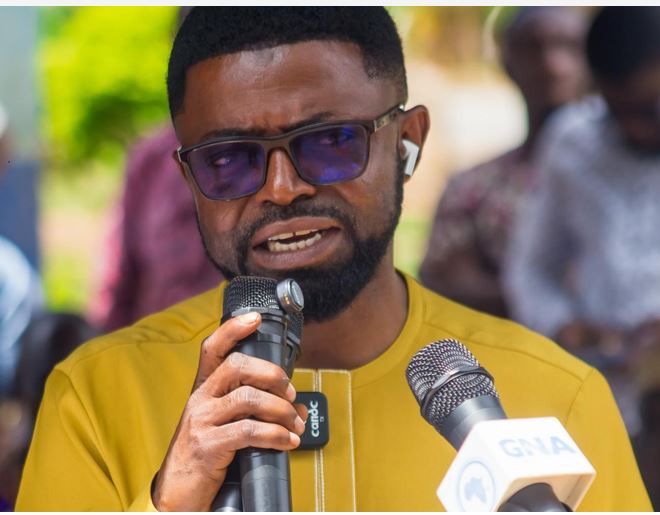
Mr Issahak Ibrahim, the Atwima Mponua District Chief Executive (DCE), has stressed the need to invest in initiatives that will encourage school children to read at all times.
He said a nation that invested in reading invested in its future, since a reading child was a potential future leader.
Speaking at the District Reading Festival for 32 schools in the district, at Nyinahin, he said reading strengthened literacy skills and inspired young leaders to unlock their full potentials while nurturing a lifelong love for learning, which leads to success.
Mr Ibrahim, therefore, enjoined teachers, parents, pupils and all stakeholders in the district to inspire every child to discover the limitless possibilities that begin with the act of reading in order to make it reflect the shared commitment to building a generation of confident readers, critical thinkers and lifelong learners in the society.
He pledged his commitment to support and empower more children and help them to achieve higher educational laurels in the area, while championing the cause of reading among children to achieve the related benefits.
“I remain committed to supporting educational initiatives that would empower our children with the knowledge and skills they needed to succeed in an ever-changing world,” he stated.
The festival was organised by the District Directorate of Education in conjunction with the ISMAT Foundation, a local educational non-governmental organisation (NGO) founded by the DCE, to support needy learners in the district and beyond.
The festival was under the theme: “Turn a page to begin a journey.”
The festival was aimed at encouraging and motivating the interest of pupils in reading and general learning.
All the 32 participating pupils from four zones within the district received school bags, exercise books, pens, pencils, erasers, mathematical sets and certificates.
Lawal Kwame from the Botrampa D/A Basic and Sadique Bamba from the Mpasatia African Faith Preparatory schools in the Nyinahin Zone, emerged first in the KG One and two classes, whilst Alice Fosu, Beatrice Sarfowaa and Priscilla Agyemang from the Adiembra Anglican Basic School also in the Nyinahin Zone, came first from Basic One to Basic Three classes respectively.
Ernest Duah from the Mampong Abebrese D/A and Blessing Sika from the Sreso Presby School in the Sreso Zone as well as Eric Osei Agyemang from Adiembra Anglican Basic School came first in the Upper Primary department.
Ms Ama Adwubi Asafu-Adjaye, the District Director of Education, commended the DCE for the programme, which was the first of its kind after the year 2022 one, which was supported by the USAID.
She said a Basic One boy called Obed Awuku from Mampong Abebrese D/A Basic School climbed from the district through a Regional contest, won and placed second at the national level in the year 2022 as one Salam Mohammed of the Otaakrom D/A Islamic Basic School, who also emerged as the 2024 winner in the district also placed fifth among the 16 regional participants even though they had a very short notice for preparation.
She said other achievements encouraged her and her management to make the programme an annual event in June and July as part of the activities on their academic calendar and a source of pride for the district.
She, therefore, encouraged the teachers to work harder to produce talented kids for higher achievements from the area. -GNA
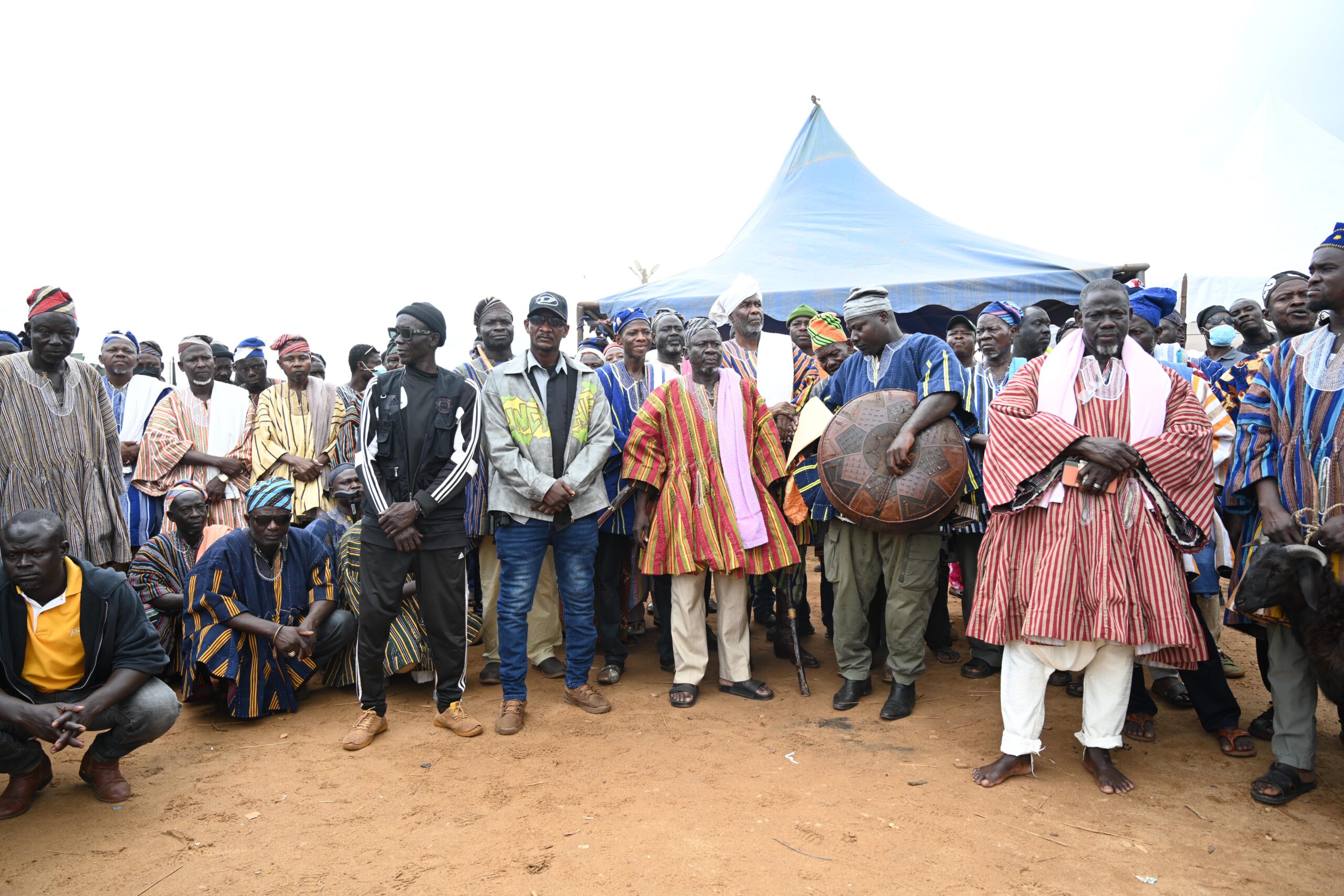
The forecourt of the Gbewaa Palace, was a mixture of rich tradition and emotional scenes as thousands of mourners concluded the three-day adua for the late Overlord of Dagbon, Ndan Yaa Naa Abukari II.
For the period, the Gbewaa Palace became the spiritual and cultural heartbeat of the Dagbon Kingdom as Islamic clerics, traditional rulers, politicians, security personnel and ordinary citizens united in prayer for the repose of the soul of the revered monarch.
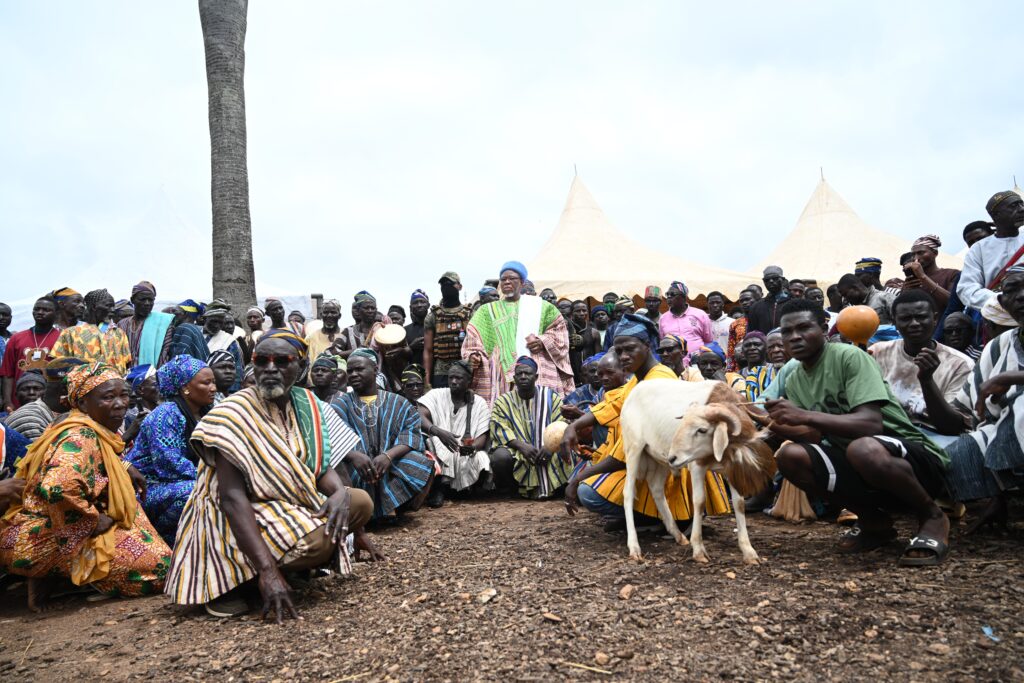
From dawn each day, streams of mourners, mostly dressed in traditional smocks and black attire, steadily filled the palace grounds and adjoining streets, transforming the royal seat into a sea of mourners.
Men, women, youth and children sat under canopies and open spaces while verses from the Holy Qur’an echoed across the palace, creating an atmosphere of reverence and reflection.
The air occasionally reverberated with ceremonial gunshots and traditional warrior displays, symbolising honour, bravery and the rich cultural heritage of the Dagbon Kingdom.
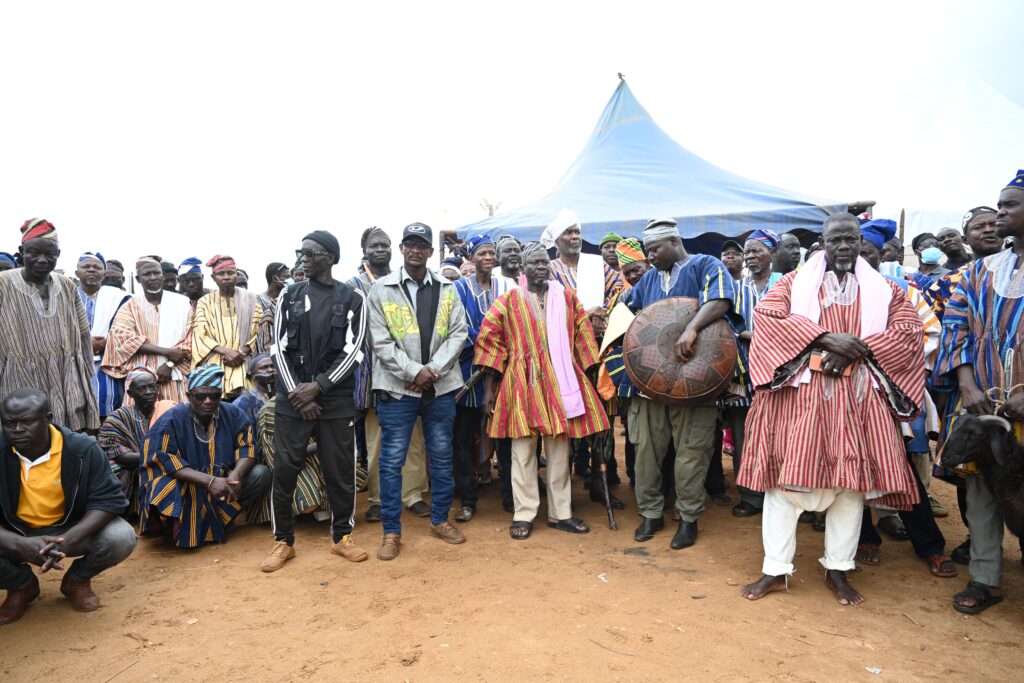
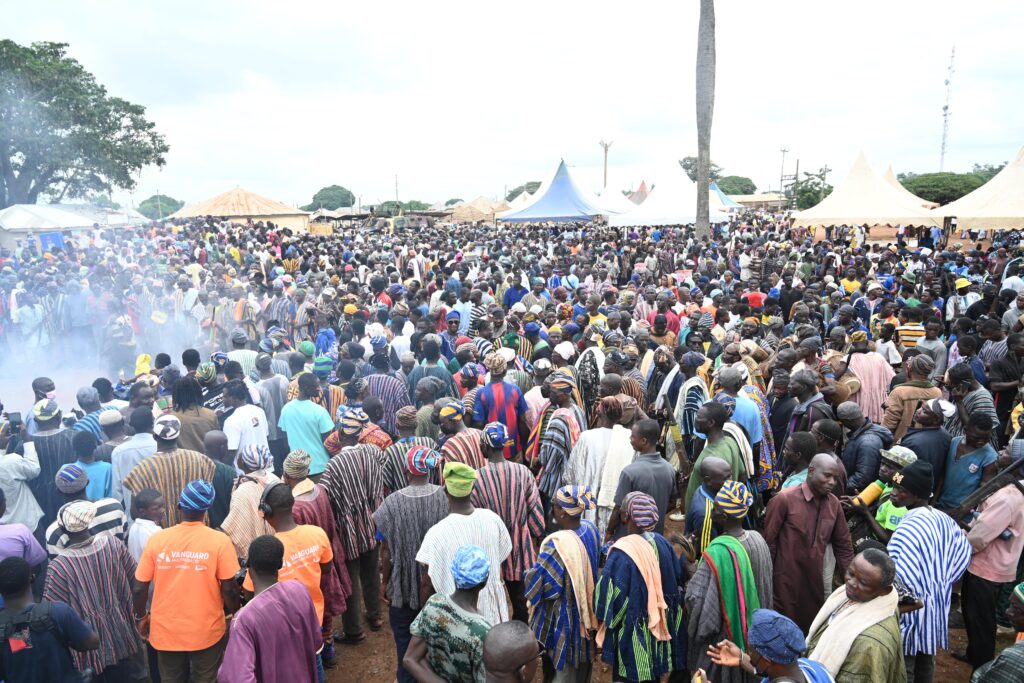
The adua, observed in accordance with Islamic tradition following the burial of the Yaa Naa, was attended by eminent Imams and Mallams who offered continuous prayers, seeking Allah’s mercy and eternal peace for the departed King.
Throughout the three-day observance, a steady flow of dignitaries visited the Gbewaa Palace to pay their respects and sign the book of condolence.
Among them were the Northern Regional Minister, Ali Adolf John Mburidiba; the Savannah Regional Minister, Salisu Be-Awuribe Issifu; and the National Chairman of the National Democratic Congress (NDC), Johnson Asiedu Nketia, who joined members of the royal family, traditional rulers and mourners in honouring the late Yaa Naa.
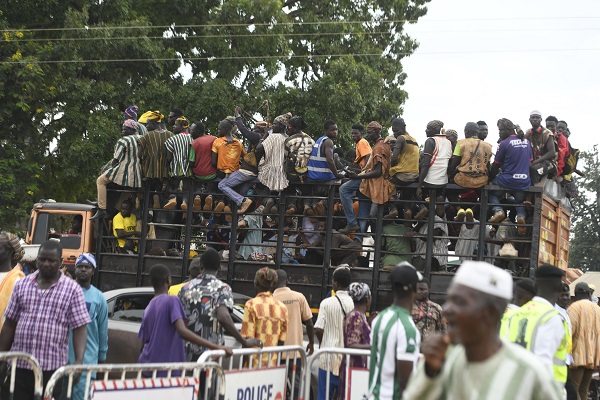
Security remained tight throughout the mourning period, with the Ghana Police Service deploying 450 personnel to ensure law and order.
The officers were stationed at strategic locations, including the Gbewaa Palace, major entry points into Yendi and other key installations, where they managed traffic, maintained public order and provided security for thousands of mourners and visiting dignitaries.
Beyond the official ceremonies, the event reflected the deep respect the people of Dagbon and Ghanaians at large had for the late monarch.
The conclusion of the three-day adua marks another important milestone in the funeral rites of the late Yaa Naa and signals the gradual transition towards the customary processes leading to the selection and enskinment of a new Overlord of the Dagbon Kingdom.
Although the formal three-day prayers have ended, mourning activities continue, with the seventh-day Islamic prayers expected to draw another large gathering of traditional authorities, government officials, religious leaders and well-wishers from across the country.
From: Geoffrey Buta, Yendi