News
Ghana To Host 2026 Africa Real Estate Festival, bridging investment, policy, and culture

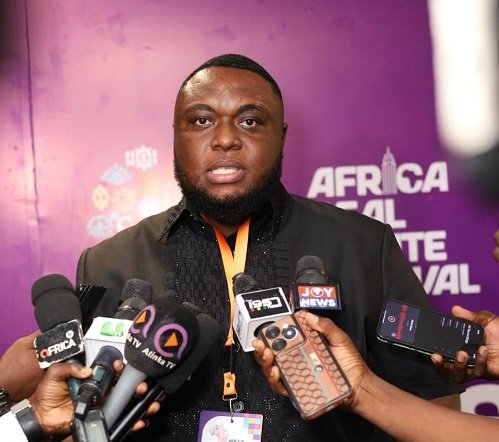
The Africa Real Estate Festival (AREF) is set to return in 2026 with an ambitious vision to redefine urban living across the continent.
Scheduled for April 18-19, 2026, in Accra, the festival will convene under the theme: “Innovation Meets Identity: Designing Africa’s Next Living Experience – Positioning Real Estate as More Than Just Property.”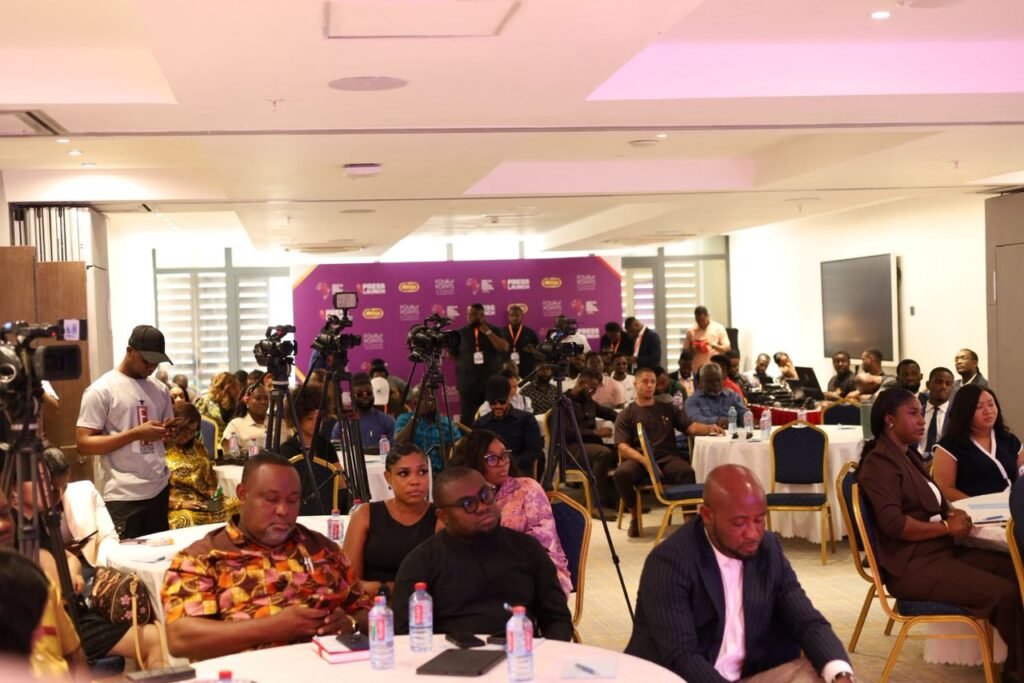
Speaking at the press launch in Accra on Friday, January 16, 2026, the Founder and Chief Executive Officer (CEO) of AREF, Desmond Oteng, described the festival as a movement rather than a one-off event, driven by the urgency of Africa’s rapid urbanisation.
“Africa is urbanising faster than any other continent. By 2050, over 1.4 billion Africans will live in cities, yet our real estate conversations still focus on buildings and prices instead of people, quality of life, and sustainability,” he said.
According to him, AREF seeks to reposition real estate as a catalyst for economic transformation, climate responsibility, cultural identity, youth empowerment, diaspora engagement, and inclusive urban growth.

The maiden festival will be held in Accra on April 18 and 19, 2026, and will convene policymakers, developers, investors, architects, planners, financial institutions, prop-tech innovators, and diaspora stakeholders from across Africa and the global African community.
Although hosted in Ghana, he stressed that AREF is a continental platform with plans to expand into other African countries.
“Our focus is intentional city building. Africa does not need more unplanned cities or gated silos. We need connected communities and functional urban ecosystems that work for people,” he noted.
The festival seeks to position real estate as a catalyst for cultural expression, technological innovation, and sustainable economic growth.
He went on to disclose that the event will bring together over 1,500 delegates, over 100 exhibitors from more than 30 countries, and over 50 renowned speakers, alongside significant government and diaspora representation.
International interest in AREF was underscored by the presence of Juliette Bynoe-Sutherland, High Commissioner of Barbados to Ghana, who announced Barbados’ participation in the festival. She described AREF as a practical bridge between diplomacy, investment, and sustainable development.
“Real estate today is no longer just about property ownership. It is about the full ecosystem, capital flows, lifestyle assets, and long-term value creation,” she said.
She highlighted Barbados’ experience, where real estate contributes about 18 percent of national GDP, supported by political stability, clear legal frameworks, progressive tax policies, and strong community education.
According to her, the Barbadian model offers valuable lessons for Ghana and other African coastal states, particularly in tourism-linked real estate, coastal conservation, health tourism, retirement living, and sustainable community planning.
The High Commissioner also revealed growing interest among Barbadians and Caribbean investors in Ghana, noting a sharp increase in travel and enquiries about property ownership following visits to the country.
From the government perspective, the Deputy Director of Diaspora Affairs Office of the President, Nana Kyere Agyemang, outlined Ghana’s evolving strategy to deepen diaspora participation in the real estate sector. He explained that the focus is shifting from informal remittances to structured investment and asset creation.
“Our objective is to move beyond remittances for consumption and toward remittances for asset building,” he said.
He identified three key priority areas: capital market integration through real estate investment trusts and diaspora bonds, improved regulatory transparency through digital land governance, and sustainability under the African Continental Free Trade Area framework.
He also noted plans to incentivise commercial real estate developments that serve as logistics hubs for intra-African trade.
Mr. Agyemang commended the AREF team for the speed and commitment with which the initiative has been executed, reaffirming government openness to partnerships that strengthen Ghana’s real estate ecosystem.
AREF’s unique model bridges real estate with sectors such as technology, finance, tourism, logistics, media, and culture, creating a shared platform for investment and partnership.
The festival will offer a curated, multi-faceted programme designed to inform, connect, and inspire.
Core pillars include the strategic Investment & Policy Conference; the transactional hub of the Real Estate Exhibition and Diaspora Investment Pavilion; the aspirational Luxury Experience & Lifestyle Showcase; and the forward-looking Cultural Festival & Innovation Matchmaking segment.
This will be complemented by a series of interactive workshops, demonstrations, and structured networking forums, ensuring a comprehensive and actionable experience for all participants.
With a target of generating over $200 million in investment leads, AREF aims to boost investor confidence and foster cross-sector deals. The event will also produce The AREF Report 2026, a data-driven publication on real estate trends and opportunities across Africa.
Beyond 2026, AREF plans to expand into a continent-wide circuit, hosting regional editions to promote sustainable urban innovation, economic collaboration, and cultural celebration.
Organised by the pan-African organisation Africa Real Estate Festival, the event is supported by year-round initiatives in research, PropTech acceleration, policy advocacy, and networking.
About Africa Real Estate Festival (AREF)
AREF is a pan-African platform dedicated to empowering the real estate ecosystem through events, research, innovation programs, and partnerships.
It connects all stakeholders across the value chain to drive sustainable growth, investment, and culturally grounded development in Africa’s built environment.
High level speakers at the forum include; H. E. Juliette Bynoe-Sutherland Barbados, High Commissioner to Ghana,








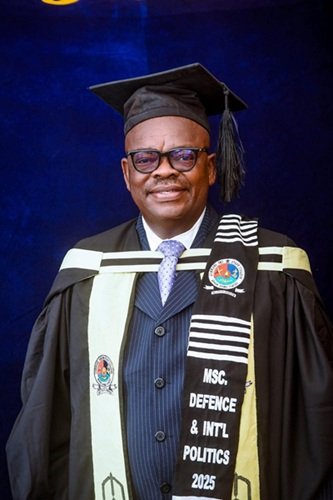
Management and staff of Owass FM have announced the passing of media personality, comedian and politician Seth Kwame Dzokoto following a medical emergency during a live morning show discussion at the station earlier today.
According to the station, Dzokoto was participating in a panel discussion on its morning show “Oman Nkoso” when he suddenly took ill and collapsed.
A statement from the station said its team immediately rushed him to the hospital for medical attention, but he was pronounced dead by the attending medical doctor upon arrival.
“We are deeply saddened by this unfortunate incident, which occurred in the course of our regular programming. Our thoughts and prayers are with his family, loved ones, colleagues, and all those who have been affected by his passing,” the statement said.
Management acknowledged that information about the incident is already circulating in the public domain, but appealed to the public and colleague media houses to respect the privacy of the bereaved family and refrain from circulating unverified information or speculation regarding the circumstances of his death.
Owass FM extended its heartfelt condolences to the family of Seth Kwame Dzokoto.
By Edem Mensah-Tsotorme

The State through the Attorney General (AG) has filed an appeal at the Supreme Court challenging the suspension of the trial in the case of The Republic v Hanan Aludiba and Faiza Seidu.
On Monday, the Court of Appeal suspended the trial in the case. But the prosecution says it has filed an appeal against the suspension order.
According to the update, the law does not allow a criminal trial to be suspended simply because an accused person has complained about some of the charges on the charge sheet, particularly when those complaints were dismissed as meritless.
It argues that if the Court of Appeal’s decision is allowed to stand, no prosecution will ever be possible, since all it would take for a trial to be suspended is an accused person complaining about anything on the charge sheet.
By Edem Mensah-Tsotorme