Hot!
Gabon coup: Why military takeovers are all the rage


Another coup in Africa – just five weeks after Niger’s President Mohamed Bazoum was taken hostage by the troops of his own presidential guard, Gabon’s Ali Bongo also finds himself detained in his own residence.
A sudden statement on national television in the early hours of Wednesday, to declare Mr Bongo the winner of last Sunday’s election, was followed within minutes by a second surprise broadcast, as a clutch of soldiers announced the seizure of power in the former French colony.
Later in the day, as footage of celebrating crowds emerged – after the new junta had lifted the internet shutdown imposed by Mr Bongo’s regime on the eve of the polls and maintained the shutdown throughout an opaque vote “count” – the deposed head of state appeared in an online video sent from his place of confinement.
Looking bewildered, he appealed – in English – for friends outside to “make noise”, in apparent hope that external pressure might reverse the shock turn of events, a prospect that seems remote.
But even if Mr Bongo himself was caught unprepared by the coup, perhaps Africa and the world should not have been.
The 26 July overthrow of Mr Bazoum in Niger gave ample warning that West and Central Africa’s “coup-epidemic” had not run its course.
In January last year, it had been the turn of Burkina Faso’s President Roch Marc Christian Kaboré to be deposed by soldiers – whose leader was then himself dethroned by lower ranking counterparts on 30 September, just eight months later.
And before that, 2021 had brought two coups in West Africa. In May, Col Assimi Goïta, already author of a previous military takeover in Mali, had staged a second putsch to reassert his own power.
Then in September Guinea’s special forces fought their way into the Sékhoutouréyah palace in Conakry to take President Alpha Condé into custody.
And we should not forget Chad where, following the April 2021 death in battle of long-time strongman Idriss Déby Itno, a military council stepped in to ensure the succession of his son and, thus, the continuation of the regime.
What on earth is happening in West and Central Africa – and in former French colonies in particular?
Six years ago the departure into exile of the electorally-defeated Gambian ruler Yahya Jammeh left every country in West Africa under multi-party constitutional rule.
In the centre of the continent some authoritarian regimes survived, but the era of military takeovers seemed long past.
Yet the past three years have seen seven coups in five countries – plus the strong-armed military assumption of power in Chad.
There are common factors that have, at the very least, created conditions in which soldiers have felt they can step in with relative impunity, and often with the support of a large slice of the urban population, especially frustrated young people.
Across much of West and Central Africa, younger citizens have become widely disenchanted with the traditional political class, even with those who have been legitimately elected to office.
Such disillusionment is fuelled by a raft of issues – a shortage of jobs and even informal economic opportunities for both graduates and those less educated, perceived high levels of corruption and privilege among the elite, as well as resentment at the persistent influence of France in the many countries where it is the former colonial power.
But there is also deep resentment at the way many civilian rulers manipulate electoral processes or constitutional rule to prolong their hold on power. The scrapping of presidential term limits – after controversial amendments to constitutions – is a source of especially sore feelings.
And such abuses also undermine the moral authority of bodies such as the African Union – or the Economic Community of West African States (Ecowas), often labelled an “incumbent presidents’ club” – in seeking to force coup leaders to restore elected civilian rule.
The Central African regional bloc to which Gabon belongs does not even have serious pretentions to establish or sustain governance standards across member states.
But while all these factors create a climate in which soldiers have felt increasingly emboldened about seizing power, claiming to offer a “fresh start”, each coup has also been driven by specific national or narrow local motivations – and the takeover in Gabon is no exception.
Source: BBC


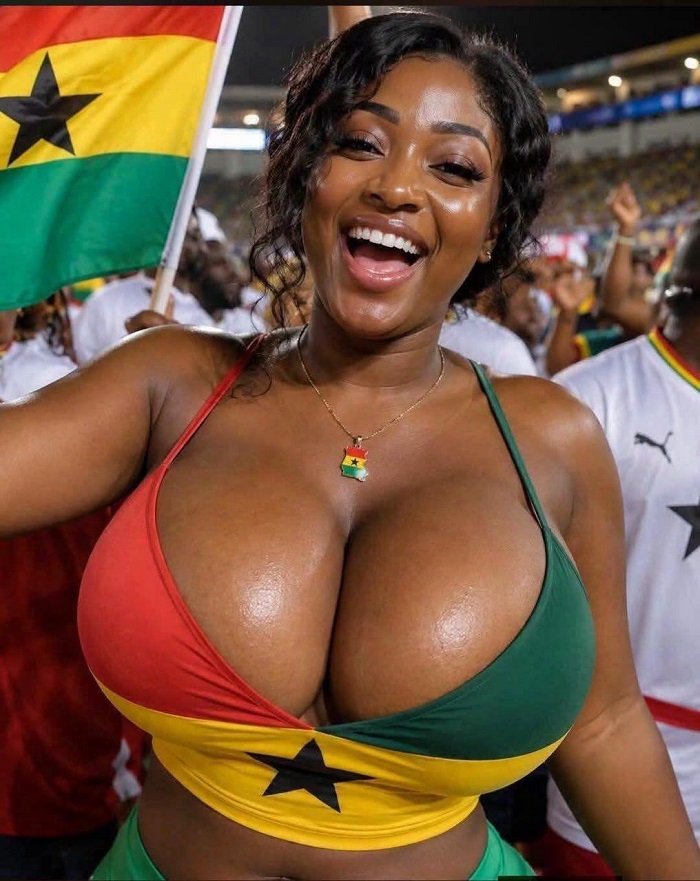
Massive celebrations were recorded countrywide as the Black Stars opened their 2026 World Cup campaign with a 1-0 victory over Panama in Toronto on Wednesday.
Midfielder Caleb Yirenkyi scored the only goal of the match late in the game as he shot in a decent cross from substitute Brandon Asante.


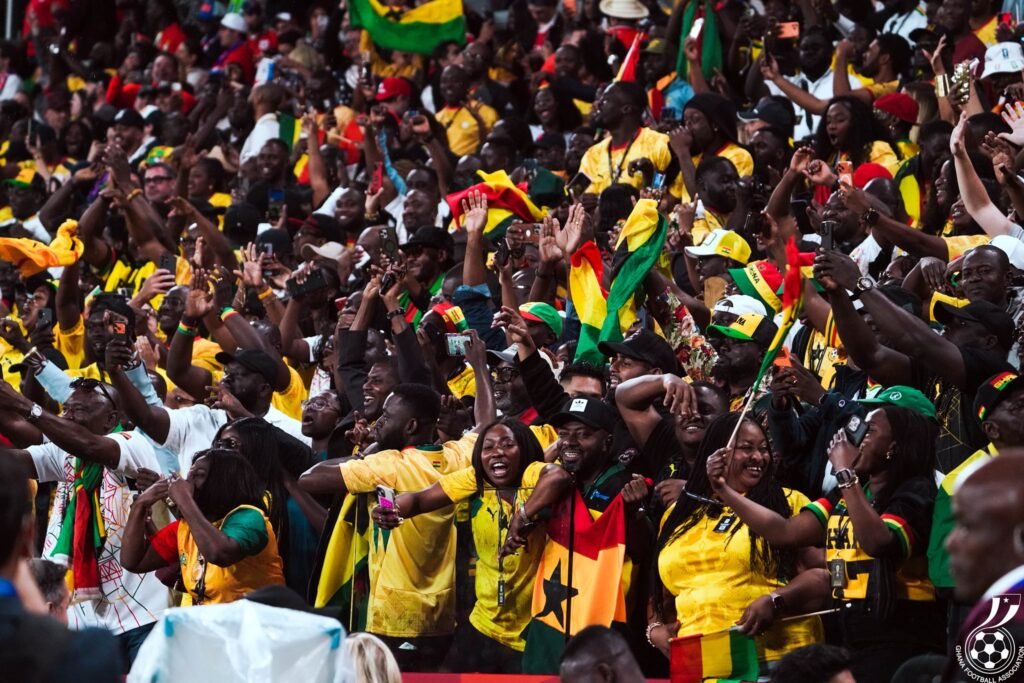

The win gave Ghana a positive start in the competition, placing them in second position behind England, also with three points but with a superior goal aggregate.
After the final whistle, the streets and other viewing centres were turned into partying grounds as fans, mostly clad in the team’s paraphernalia, danced to several World Cup-themed music.
Others blew the vuvuzelas in joyous mood with others putting up a spirited ‘jama’ session.

Former New Patriotic Party (NPP) parliamentary candidate for the Adentan Constituency, Akosua Manu, has urged party members to move away from what she describes as an “entitlement mentality” and focus on unity, sacrifice and hard work as the party prepares for the 2028 general election.
In a statement titled “Is Loyalty a Queue?”, and posted on facebook, Ms. Manu argued that loyalty to the NPP should not be judged by how long a person has been in the party but by their contributions and commitment to its growth.
According to her, the NPP’s history shows that many of its leaders faced significant opposition from within the party before eventually leading it to electoral success.
She cited former President John Agyekum Kufuor as an example, saying he had to overcome resistance from influential figures within the party before winning power for the NPP in 2000.
Ms. Manu noted that after the party lost power in 2008, former President Kufuor faced criticism and accusations from some party members.
However, she said supporters eventually put their differences aside and worked together to rebuild the party.
She pointed to the experience of former President Nana Addo Dankwa Akufo-Addo, who, according to her, faced opposition from some factions within the NPP despite his long service to the party.
“His trials were ten times what Kufuor endured,” she stated, adding that Akufo-Addo eventually overcame the challenges and became President of Ghana.
Turning to the NPP’s current flagbearer, Dr. Mahamudu Bawumia, Ms. Manu said he also faced resistance from different groups within the party while seeking leadership.
She praised Dr. Bawumia for contributing to policy-based political discussions in Ghana and for remaining composed following the NPP’s defeat in the 2024 elections.
According to her, party members must now rally behind him in the same way they supported former Presidents Kufuor and Akufo-Addo.
Ms. Manu, however, warned that internal divisions and a sense of entitlement remain major threats to the party’s future.
She argued that some party members place too much emphasis on how long individuals have belonged to the NPP rather than on their contributions and capabilities.
“This entitlement does not question impact. It does not ask what you sacrificed or what you built. It asks only how long have you been here,” she said.
The former parliamentary candidate cautioned that such attitudes could discourage committed members and prevent the party from selecting the best people for leadership positions.
She further called on the party’s incoming national executives to strengthen the NPP’s core values of sacrifice, honesty, integrity and dedication to national development.
Ms. Manu addressed the concerns of young party supporters, many of whom she said became discouraged following the NPP’s electoral defeat in 2024.
According to her, many young people remain eager to see the party return to power but are unwilling to support internal conflicts driven by personal ambitions.
She urged party elders to place the interests of the NPP above their individual goals and to demonstrate leadership that attracts rather than alienates members.
“The NPP is bigger than any one of us. It always has been. Our collective responsibility is to act like it,” she stated.
By: Jacob Aggrey