Sports
Full Interview: I am convinced we can beat Angola – Otto Addo

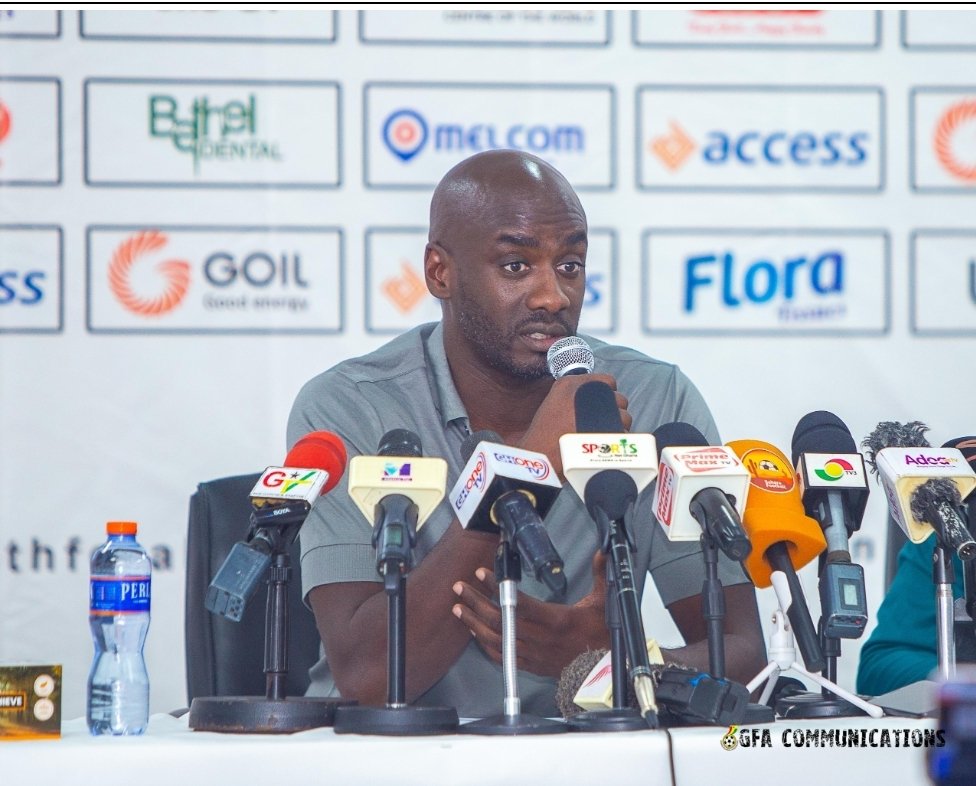
We go into Thursday’s home clash with Angola looking to win our third straight competitive game under Otto Addo.
The Black Stars are on a good run after back to back victories against Mali and Central African Republic in the 2026 FIFA World Cup qualifiers in June. Our visitors are also on a perfect run, and Otto Addo is expecting a big test again at the Baba Yara Sports Stadium on Thursday.
The Boss faced the media at the Conference room of the Baba Yara Sports Stadium on Wednesday ahead of the Africa Cup of Nations Group E qualifier on Thursday.
Read on for the full transcript:
On approach to the game
Like always say, I think I said it last time, I personally think there are no more cheap games in Africa. All the teams have picked up, and Angola are really, really quite impressive. What they did recently years with their Coach Pedro Goncalves, a very good tactician. They led their AFCON group by seven points meanwhile, Algeria and Burkina Faso was also in their group, and they won the COSAFA Cup and I think they went out of the group stage and they won their first group stage ever I think so it’s been their most successful years with this coach and it’s going to be very, very tough. If you see their last results, they played against Cameroon, a draw, they lost only by one goal to Nigeria, one goal to Morocco, then you can see what quality this team have. They have players like Zito Luvumbo playing in Cagliari in Serie A, they have Depu in the Portuguese league. They have a lot of players in the Portuguese League, obviously with their connection from Angola. They have Fredy, they have Manuel Benson playing in the championship for Burnley. They have Randy Nteca playing in Rio-Vallecano in the La Liga. They have Clinton Mata in Lyon. Just for you to see what caliber this opponent is. So it won’t be easy for us. We have got good players as well, very good players.
On Ghana winning
I’m convinced that we can beat them, but it won’t be easy. And also we had some injuries, but I think the squad is ready. We have a lot of players who can match up. And surely on this way I wish all the players which are injured, Kamal Dean, Gideon Mensah, Alexander Djiku and the rest so we have more which are injured and I wish them a speedy recovery and then we see how the season goes when they come back.
On fixture congestion and its complications
I think it has both sides, like there are a lot of things, so the good side is normally we will see each other more often and that’s good. But on the other hand, I think in general for all the players it’s getting a little bit too much we have a lot of competition. FIFA has now announced the FIFA Club World Championship also so it’s a lot for the players and a lot of games and we have to really, really watch out in terms of injuries and so we’ll see. I hope that everybody will stay healthy because it’s not easy to play in your club and also come to Ghana again and play in your club again and let’s say the worst examples maybe if you’re coming from America from the US, come to Ghana you have to go back and then play games, it’s really hard and I know this. I was a player myself and it’s not easy and so we have to watch out for our players health but yeah on the other side, for us it’s good to see them but I hope that it won’t be too much for them.
0n Elisha and Jordan joining late
Yeah, Elisha had some minor problems but I hope they will be okay. Especially Elisha, he had some muscle problems so we told their Doctors to access where they are first so but I think it will be okay. I hope so we see and then after training, the Doctor will talk to them and see how they feel and we will check them and so there’s a little bit of a question mark to be honest but hope it will be okay, especially on Elisha.
On conceding from long balls and finding solution
Yeah, I think you’re right. We have problems with that. We talked about it, for me it’s not easy to work particularly on that because we just had three days of training so it’s not that easy and they also came from games so we can’t be and we can just address it and surely after the game it gives especially the defenders this thing with them on their way back home to work on that and it’s more a positional thing so it’s more about recognizing when the ball is open not to be too close to your opponent to step back, to cover the space and have like four or five meters distance from your striker. Because when the ball comes short you can step up to press him and prevent him from turning and when the ball comes long you are already ahead and your body position is also important because if you’re sideways you can run to both sides very, very fast if you’re standing like this and you’re flat-footed you have to turn first so it’s more about technical things in general individual tactics on which we have to improve and we addressed it and I’m convinced that this won’t happen again.
On Inaki Williams and disconnect with the rest of the squad
Yeah, I think there are more things coming together. Surely one of the things is the players playing with him because he shows what he can in Spain so we also it’s not only like he has to adapt to let’s say the other players, but they have to adapt also to him. And we know what his strengths are to run deep, to threaten the last line, the defenders, to go beyond that. And we have to use his qualities more. And for me it’s always both ways. Surely he can also make his game more flexible but also I think we also have to focus on how to put him in his best spot. And it’s running behind the defensive line, it’s about recognising situations when we in the midfield have the ball open or the defenders and to know where he’s running. And yeah, I can’t really say how it was the last two years because I was not there, so it’s difficult for me to say why and it’s the first time he’s now there and surely this is a topic we will have to work on and to address.
On the support in Kumasi
Yeah, to be honest I’m not concerned. Kumasi fans in my time never let us down. The last game we were 2-1 behind against Central African Republic and they supported us all the way. So, I don’t worry, they are always supportive, they help us and really we will need them tomorrow. They could suggest for me, keep it up what they are doing and it’s very, very helpful. They are like our 12th player and we love to play in Kumasi.
On readiness of the team
Yes, we are ready.
On whether the coaching staff have studied Angola
Yes I’ve watched their games and like I said this is the, I think statistical wise is that their best years with this coach. They’ve never won an AFCON knockout stage and they did it this year and I think they lost maybe unlucky in the last 16 of the AFCON against Nigeria. They had good ball possession against Nigeria and yeah so I think it will be a tough game like I said. The players are playing in top European leagues. They recruited now a new goalkeeper also from Portuguese League who’s 37 and they got back a player from Botafogo also an experienced player in the defense so I think it will be very, very tough so like I said we studied them also I think I have found solution and it’s now about time for me to also transfer it to the players and I hope we can do well.
On Jonas Adjetey
So Jonas had an extremely good season last year, especially the last six months at Basel and also now started very well in Europe and then we have also players in the local leagues where we think they’re closer to the national team and Jonas is one of them. Like I said he is extremely good in winning duels. He’s fast, he has good height and very, very good one against ones defensively and he had really, really good games at Basel and at the end we decided for him. He’s also a project, he’s young, 20 years old he has played with the under 20 national team and so for us we are very delighted to have him here and I saw him in training and he really looked good.
On Jonas starting against Angola
I don’t know. I know if he’s going to start or not, but surely you know that I can’t give you the starting eleven now, not because like I don’t like it or whatever, but I don’t want to because everybody’s watching them to know how they start so that is all I can say.
On Baba Rahman
I mean with Baba it’s like all the other players who we talked to already. I mean the door is always open if a player is ready to play. But the media have a big role to play here. You can criticize me when I am wrong, when things are not working for the players too, you can criticize them but what is wrong is for you or the fans to insult the players. They have family, they have kids, they have friends, wife, and kids and so when they see these insults they feel it. It gets to them. No player comes to the national team on their own, coaches invite them so I am saying that it is our responsibility to condemn any act that aim to put players in bad light. With reference to Baba, he tells me he is not ready and I have to respect his decision. Honestly the money is earned at their clubs, not here. So when they take the risk and come all the way to Ghana and experience the kind of treatment that was meted out to Baba, it hurts. You have the responsibility as media to educate the fans and also you have to know that we can’t always have a good day. That is football and that’s how it works.





By Enoch Ntiamoah Siaw
Ghana football is facing a difficult moment as the Black Stars fight to avoid missing another Africa Cup of Nations (AFCON) tournament. In the same vein, the Black Queens preparing for a major test in their bid to qualify for the 2027 FIFA Women’s World Cup in Brazil.
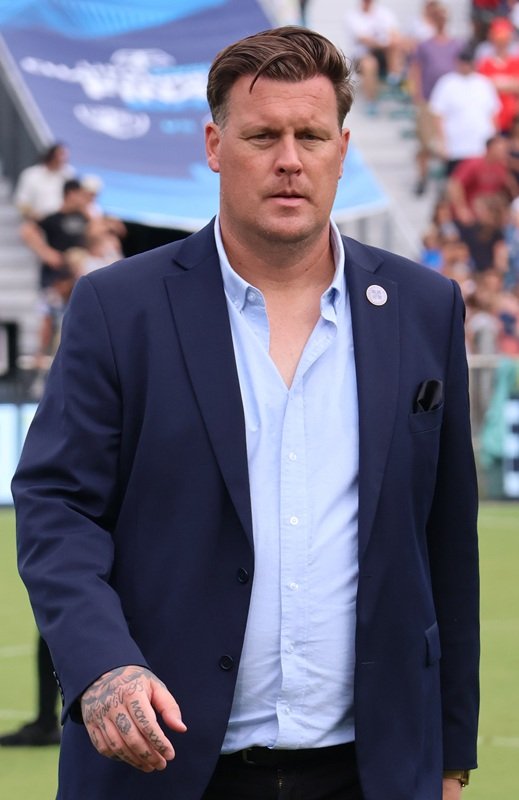
But at a time when both teams need serious attention, the Ghana Football Association (GFA) has appointed the Black Queens Head Coach, Kim Lars Björkegren, to lead the Black Stars on an interim basis for their crucial November AFCON qualifiers against Somalia.
The Swedish coach will work with Ibrahim Tanko and Godwin Attram as assistant coaches, while former Black Stars goalkeeper Fatawu Dauda will handle the goalkeepers.
The decision has sparked debate among football followers, with some questioning why the Black Queens coach should take charge of the Black Stars when the women’s team also have an important tournament ahead.
Others believe the GFA has made the right decision by using a coach who already understands Ghanaian football and can work with experienced assistants to help the Black Stars recover.
For a country still disappointed by the Black Stars failure to qualify for the 2025 AFCON in Morocco, the pressure is growing.
Ghana’s 2027 AFCON qualifying campaign has started badly with defeats to Côte d’Ivoire and The Gambia, leaving the team without a point in Group C.
The Black Stars lost 2-0 to Côte d’Ivoire before suffering a 4-2 defeat to The Gambia at the Accra Sports Stadium. The results led to the departure of Carlos Queiroz and the search for a new technical direction.
The November matches against Somalia now offer Ghana a chance to recover. Another poor performance, however, could make the road to qualification even more difficult.
Some sports observers believe Björkegren should have been allowed to concentrate on the Black Queens, leaving Tanko and Attram to lead the Black Stars in the two matches against Somalia.
Their concern is that the women’s team could lose valuable attention at a time when it needs careful preparation for the World Cup play offs.
The Black Queens will take part in the preliminary stage of the FIFA Women’s World Cup 2027 play-off tournament in Morocco from November 28 to December 5.
Ghana will face Ecuador, Uzbekistan and Papua New Guinea as it seeks to move closer to securing a place at the World Cup in Brazil.
The team has already taken an important step by beating Côte d’Ivoire in the continental play off to secure a place in the intercontinental tournament.
However, the Queens still have a difficult task ahead and their preparation will be important if they are to achieve their World Cup dream.
Those who disagree with the criticism of Björkegren’s appointment argue that the coach can manage the temporary assignment with the support of Tanko and Attram.
They believe his experience with the national teams could help the Black Stars while the existing technical structure could help maintain preparations for the Black Queens.
The GFA has defended its decision. Its Communications Director, Henry Asante Twum, has explained that the appointment was made after considering the coaches already working within Ghana’s football system and the need to find an interim solution.
The association has also said both national teams will receive the technical and operational support needed to prepare for their respective competitions.
The big question is whether the arrangements will work in practice especially if both teams need the coach’s attention at the same time.
Beyond the coaching debate, another question continues to trouble Ghanaian football lovers; are the Black Stars struggling because of the players, the coaches or problems within the football system?
The two opening defeats exposed weaknesses in the team’s defence, organisation and ability to respond when matches become difficult.
These problems cannot automatically be blamed on one coach. The players must also accept responsibility for their performances on the pitch.
At the same time, frequent changes in technical leadership can make it difficult for a team to develop a clear playing style and build confidence.
When coaches are changed repeatedly, new technical teams often have limited time to understand the players, introduce their ideas and prepare for important matches.
Tanko’s experience in Ghana football and Attram’s involvement in the national team setup could help the Black Stars during this difficult period but their work will ultimately be judged by the team’s performances against Somalia.
The players too must turn their individual ability into strong team performances. Ghana cannot depend on reputation alone to secure qualification.
The GFA must also examine whether its approach to coaching appointments and long term planning is helping the national teams achieve their goals.
The current situation is a test of the GFA’s ability to manage two important national assignments at the same time.
The Black Stars need to recover from their poor start and keep their AFCON hopes alive. The Black Queens, meanwhile, need proper preparation to continue their journey towards the 2027 Women’s World Cup.
The women’s team should not be treated as less important simply because the Black Stars attract greater public attention.
Björkegren’s work with the Black Queens, including Ghana’s bronze medal finish at the 2024 Women’s Africa Cup of Nations has helped build expectations around the team.
Their progress into the World Cup play offs has given supporters another reason to believe they can reach the global competition.
The GFA must therefore make sure the temporary appointment does not affect the Queens’ training, tactical preparation or analysis of their opponents.
In the end, the success of the decision will depend on results. The Black Stars must earn the points needed to revive their qualification hopes, while the Black Queens must prepare well for their matches in Morocco.
Ghana’s football problems may not be caused by players or coaches alone. They may also reflect the need for more stable technical leadership, better preparation and stronger planning by football administrators.
For now, the GFA has made its choice. The coming matches will show whether the decision was the right one or whether the country has taken a risk at a time when both national teams have so much to play for.
SKIP THE QUEUE, TAP THE NEWS
Read Daily News

You can now read the Ghanaian Times and The Spectator newspapers from the comfort of your device via TimesNewsPlus.
Buy Maps
Join our WhatsApp Channel: https://whatsapp.com/channel/0029VbBElzjInlqHhl1aTU27
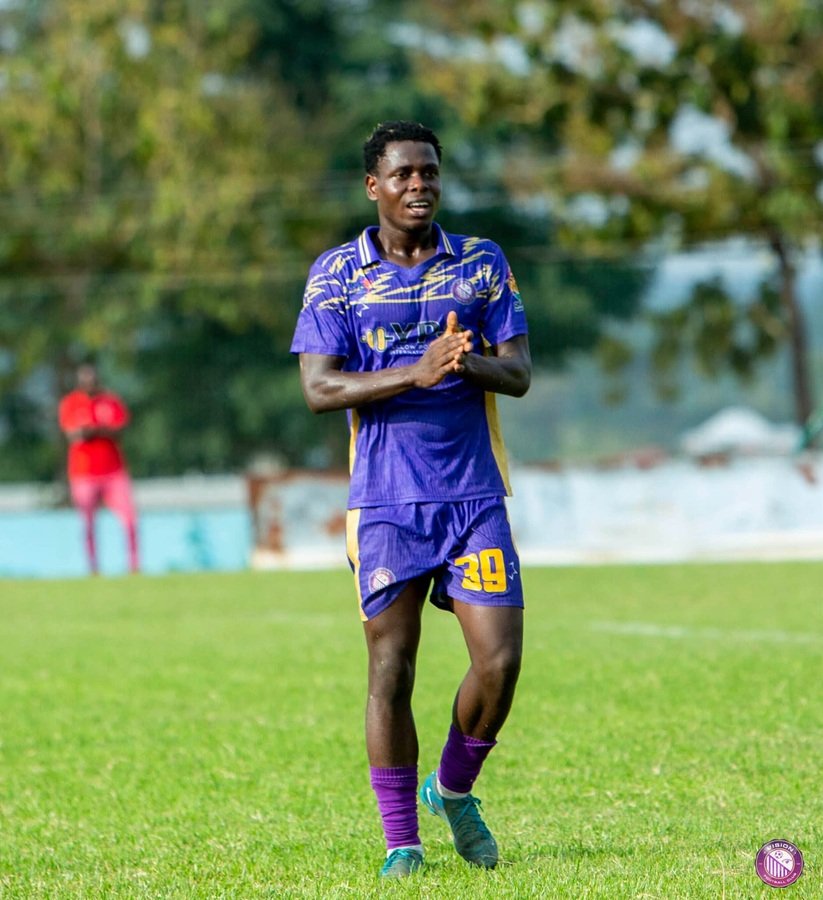
Accra Hearts of Oak will aim to assume the top spot of the Ghana Premier League (GPL) when they travel to Tema to face Vision FC at the Nii Adjei Kraku Sports Complex today.
Perched at the second spot and trailing leaders Medeama with three points, the Phobians would need to snatch the maximum points and a superior goal aggregate to have a taste of the top spot, at least for a day.
It will be a game full of fireworks considering Hearts’ impressive performance on the road against Vision’s strength at home.
The Matchday 6 games would also witness a Saturday clash between Heart of Lions and Berekum Chelsea FC at the Kpando Stadium.
Asante Kotoko’s home clash against Young Apostles will headline tomorrow’s games as they aim to bounce back after the previous week’s defeat in Swedru.
At the Nsenkyire Sports Arena, FC Samartex will test Medeama SC’s character when they clash in what could affect their respective positions on the table after the round seven matches.
After the giant-killing feat over Asante Kotoko, Swedru All Blacks will lock horns with Karela United at the Swedru Stadium just as Basake Holy Stars engage Bechem United at the AAK II Sports Arena,
Fireworks is anticipated at the Debibi Presby Park in the Bono region where Debibi United FC look poised to face Gold Stars.
At the Nana Agyemang Badu I Park, Aduana FC will welcome FC Ashantigold in a clash that will see fans applaud afternoon.
By Andrew Nortey
SKIP THE QUEUE, TAP THE NEWS
You can now read the Ghanaian Times and The Spectator newspapers from the comfort of your device via TimesNewsPlus.
Join our WhatsApp Channel: https://whatsapp.com/channel/0029VbBElzjInlqHhl1aTU27