News
Former student receives laptop, cash and books for winning Mfantsipim essay competition


- /home/u249204778/domains/spectator.com.gh/public_html/wp-content/plugins/mvp-social-buttons/mvp-social-buttons.php on line 27
https://spectator.com.gh/wp-content/uploads/2022/03/Master-Jeffrey-Baiden-Pix-1.jpg&description=Former student receives laptop, cash and books for winning Mfantsipim essay competition', 'pinterestShare', 'width=750,height=350'); return false;" title="Pin This Post">
- Share
- Tweet /home/u249204778/domains/spectator.com.gh/public_html/wp-content/plugins/mvp-social-buttons/mvp-social-buttons.php on line 72
https://spectator.com.gh/wp-content/uploads/2022/03/Master-Jeffrey-Baiden-Pix-1.jpg&description=Former student receives laptop, cash and books for winning Mfantsipim essay competition', 'pinterestShare', 'width=750,height=350'); return false;" title="Pin This Post">
Master Jeffrey Baiden, a former student of Mfantsipim School, Parker House has been presented with his prize of a laptop, cash prize and a collection of books for emerging the overall winner of ‘The House of Mfantsipim’ Essay Competition organised for the students of the School.
The presentation was witnessed by Rev. Ebenezer Aidoo, the Headmaster of Mfantsipim School and executives of the Rex Danquah Legacy Trust, namely Paul Rex Danquah, the President and his two Vices, Daniel Rex Danquah and Magnus Rex Danquah, Junior.
Presenting his prizes, Mr. Paul Rex Danquah congratulated the winner on the depth of his essay, writing style and skills as well as the use of language to paint a vivid picture of the person, whom his dormitory was named after, recounting his character traits, vision, exploits and contributions to the School’s achievements over the years; and entreated the winner, Jeffrey Baiden not to throw away such a gift in Literature, irrespective of which course he pursues at the tertiary level.
He assured the recipient that the Trust would follow his future academic exploits and be ready to offer any assistance towards his academic pursuits.
Receiving his prize at the Tesano Offices of the Rex Danquah Legacy Trust, Master Baiden thanked the institution for its continued interests in the affairs of Mfantsipim School and its students, particularly for the role played by Mr. Magnus Naabe Rex Danquah over the past decades towards the development of the School.
He mentioned stories of the diverse support provided by the father of the Trust’s President in the area of sports and also serving on the School’s Board of Governors.
He stressed on his hope to contribute his own quota to the growth of Mfantsipim School in future and thanked the Trust for defining a future role for all old students to give back to their alma mater.
The Headmaster of Mfantsipim School, Rev. Aidoo also thanked Senior Magnus Naabe Rex Danquah of MOBA 1972 Year Group for his continued support for the School and prayed that his three sons, Paul, Daniel and Junior – all past students of Mfantsipim would continue with the path their father had set for the Trust.
He further prayed for continued collaboration between the Trust and the School through all kinds of support in addition to the organisation of the House of Mfantsipim Essay Competition.
Mr. Kwabena Bomfeh, Junior, a friend of the Trust also presented a copy of Nana Kobina Nketsia V, Omanhen of Essikado Traditional Area’s bestselling book, ‘African culture in governance and development, the Ghana paradigm’ to Master Jeffrey Baiden in appreciation of his feat and exhorted him to continue to keep the Mfantsipim standards, “even as he enters the next phase of his life at the tertiary level.”
The House of Mfantsipim Essay Competition was instituted by Rex Danquah Legacy Trust for Mfantsipim School students to write a not more than 1,200 words about the person in whose name their dormitory in the School is named after.
By Spectator Reporter



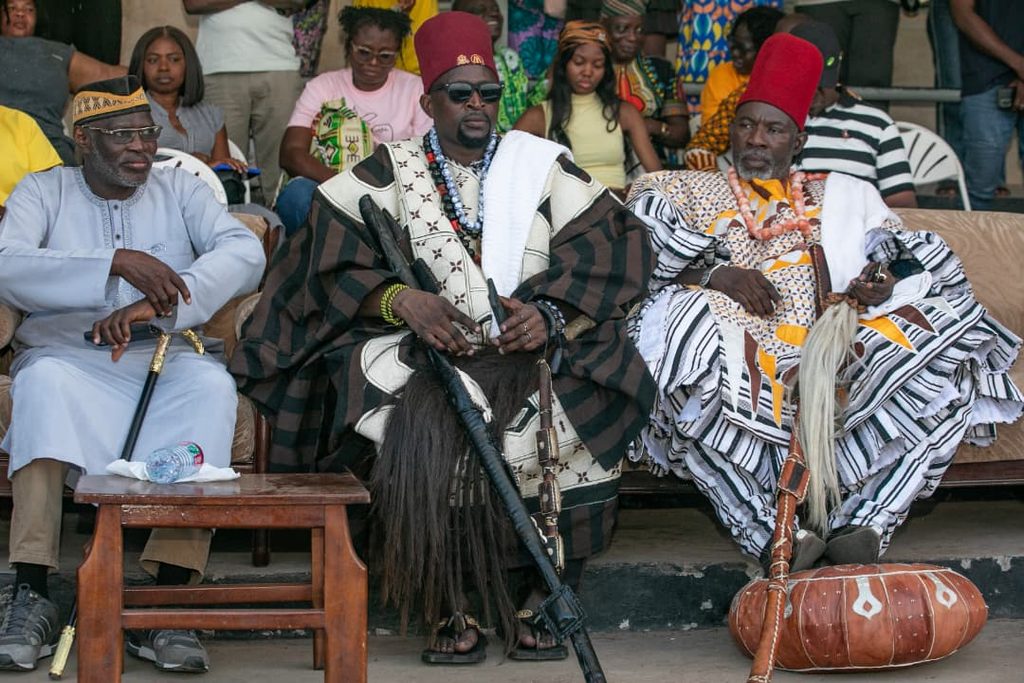
The 29th Annual Dagaaba-Frafra Friendly Games have once again demonstrated that sports can be a powerful vehicle for cultural preservation, business networking, friendship and peaceful coexistence.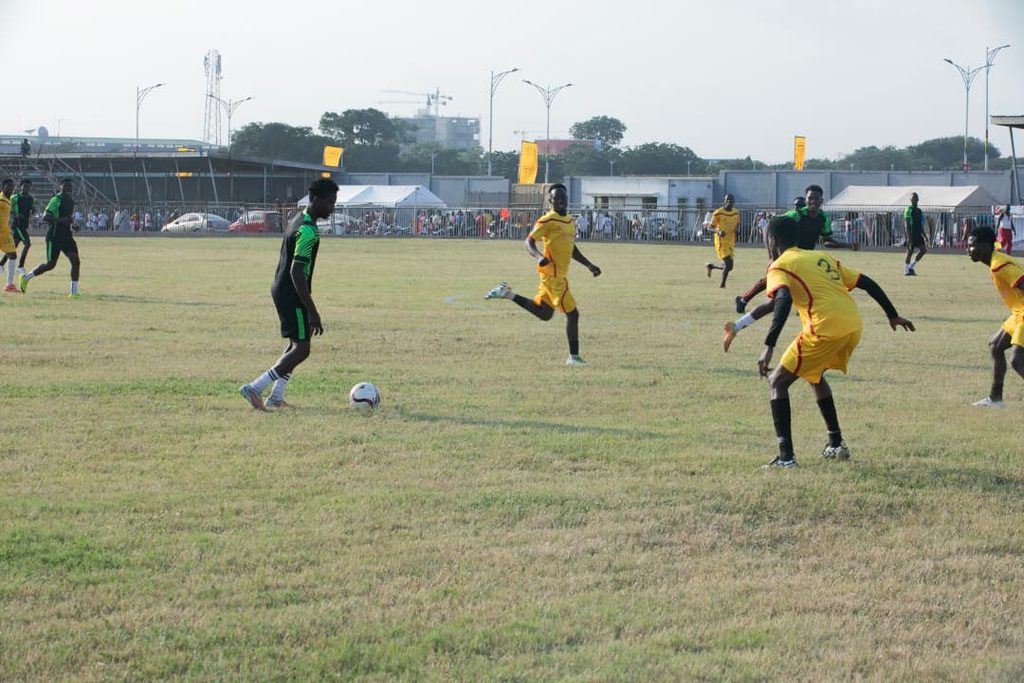
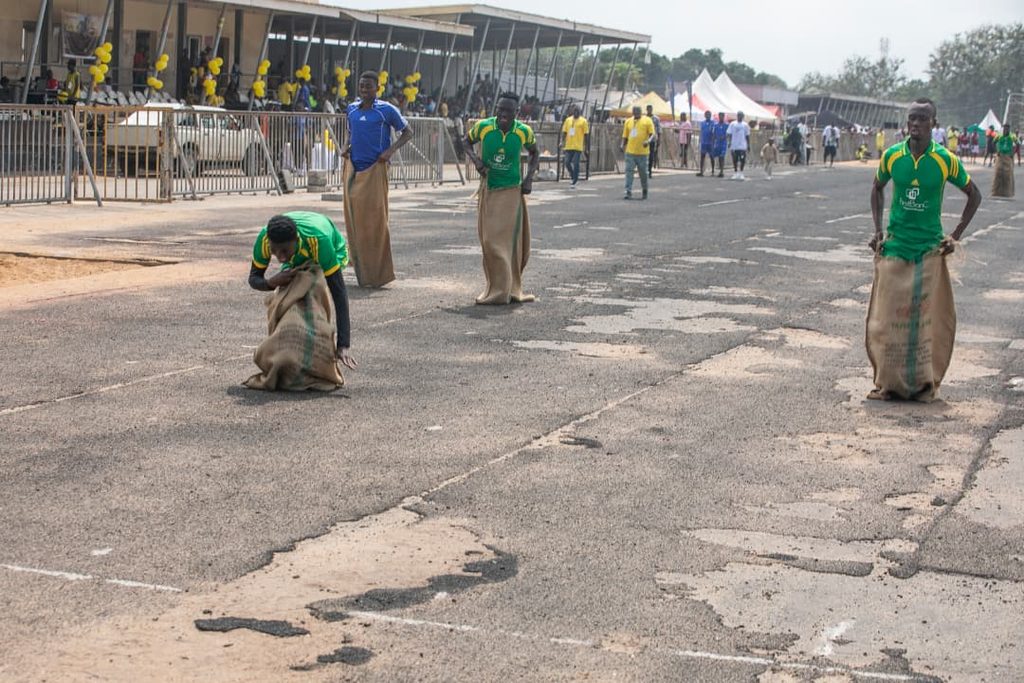
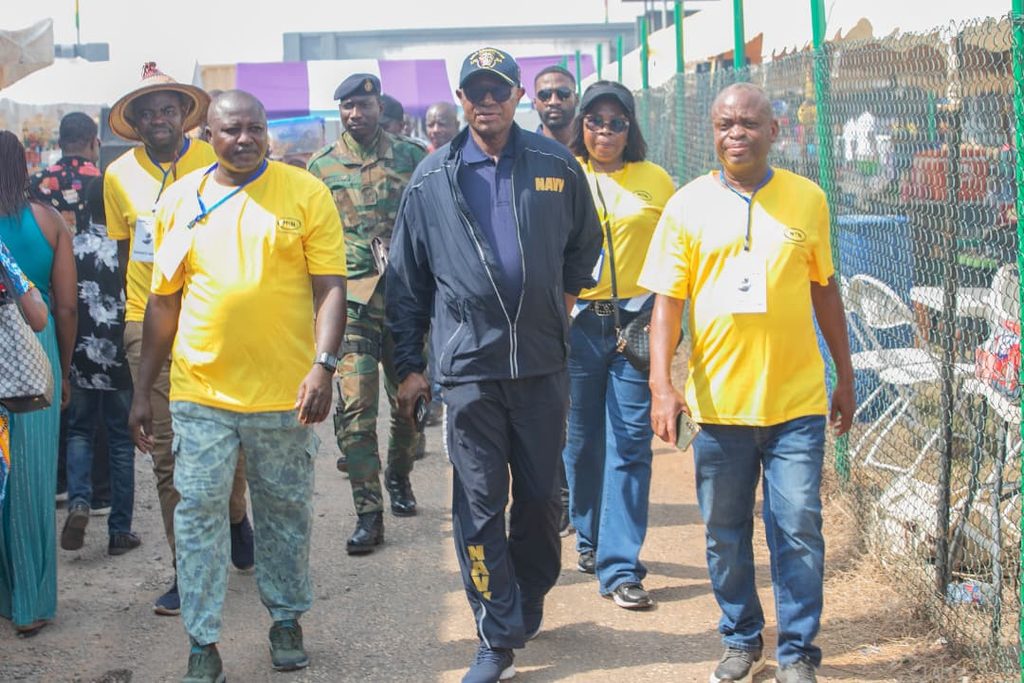
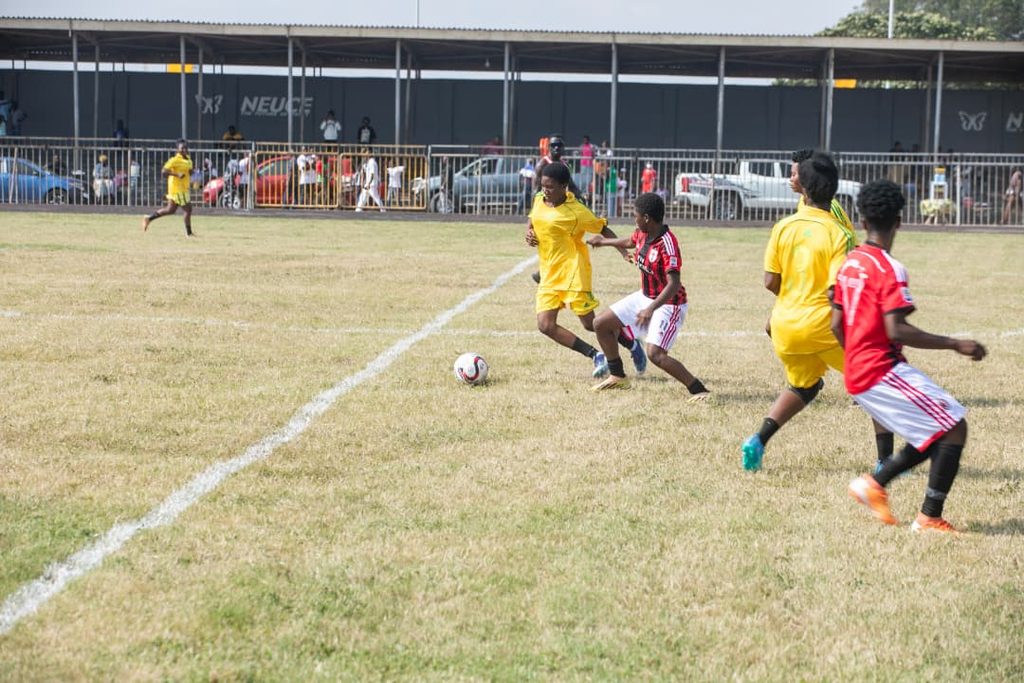
Held at the El-Wak Sports Stadium in Accra last Saturday, the games brought together members of the two ethnic groups from across Ghana and abroad for a colourful celebration under the theme, “Unity in Diversity: The Dagaaba-Frafra Model for Peaceful Co-existence.”

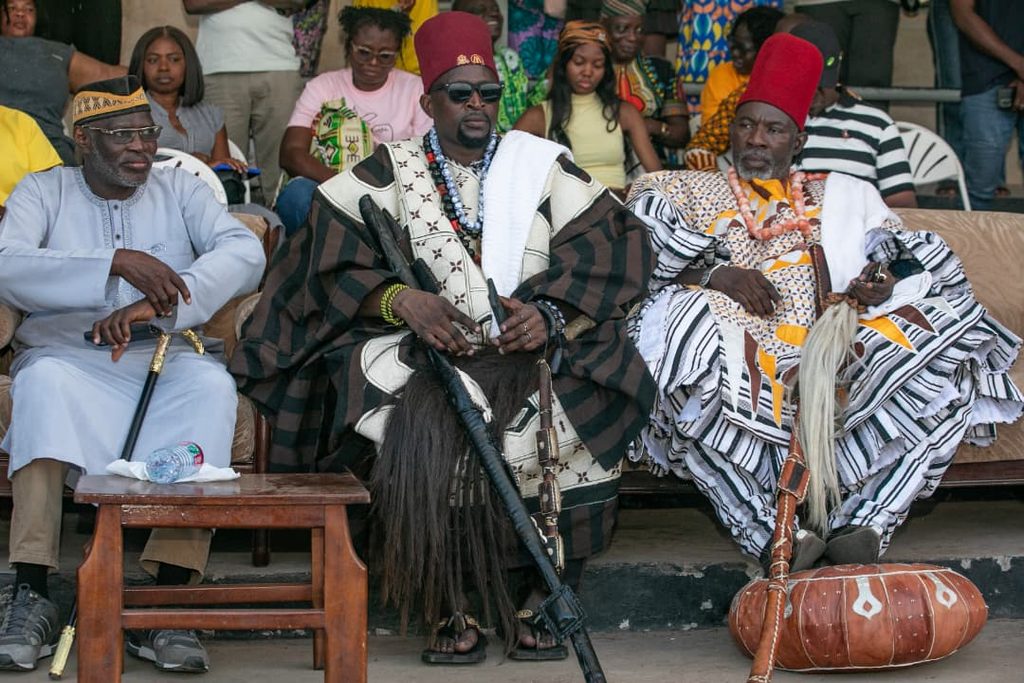
The event, which has evolved from a friendly football match into a major annual gathering, featured football, volleyball, sack races, lime and spoon, tug-of-peace and a penalty shootout for senior citizens.
At the end of the competitions, the Frafra won four events, while the Dagaaba secured victories in five, with the men’s soccer match ending in a draw.
The Frafra triumphed in the men’s lime and spoon, men’s sack race, women’s sack race and women’s soccer, while the Dagaaba won the women’s lime and spoon, men’s volleyball, women’s volleyball, women’s tug-of-peace and the senior citizens’ penalty shootout.

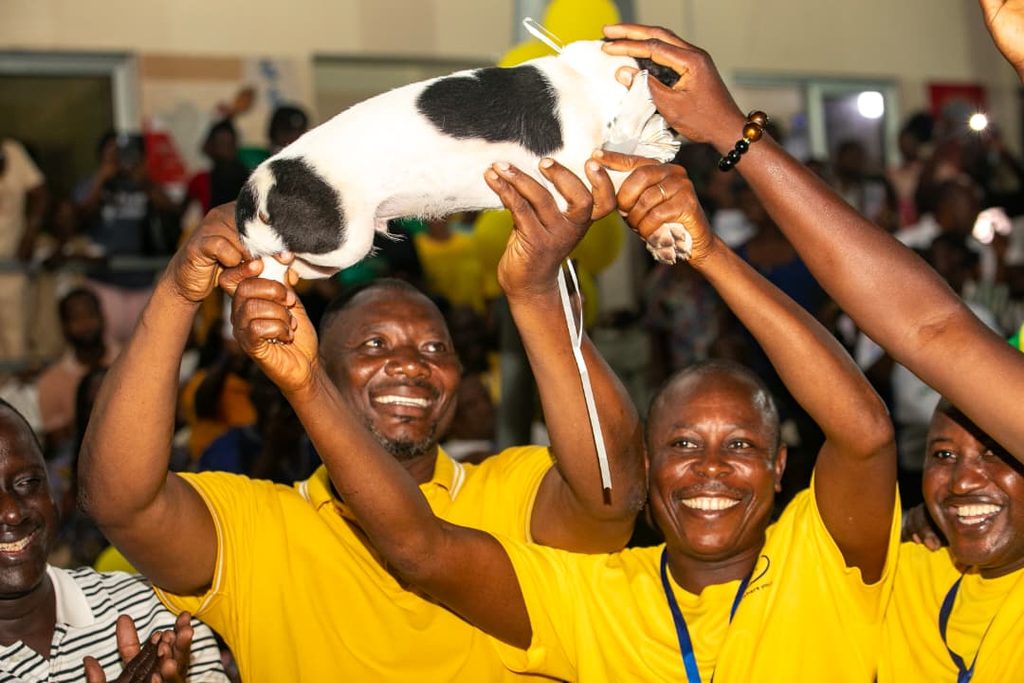
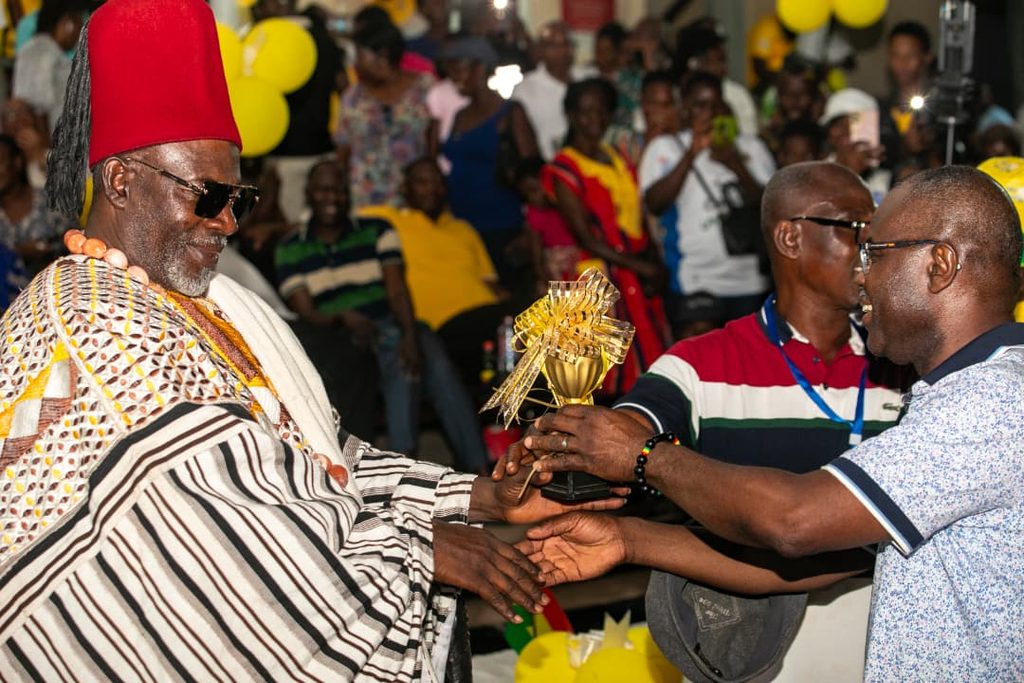
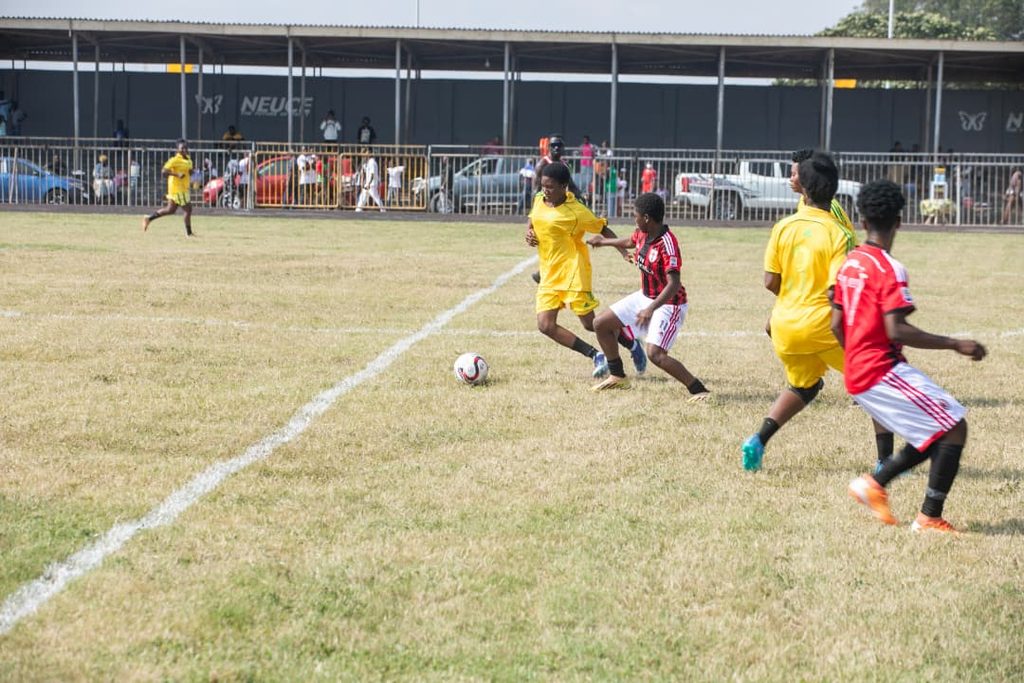
However, the games extended far beyond the sporting arena. The stadium grounds and surrounding spaces became a vibrant marketplace, with patrons enjoying and purchasing a variety of traditional foods, drinks and cultural products.
Local delicacies, including TZ, tubaani, bambara beans, pork, guinea fowl, local fowls, dog meat and kosie, were sold alongside traditional alcoholic beverages. Traditional dresses and other culturally inspired items also attracted buyers, turning the gathering into an important platform for small businesses and vendors to make sales while promoting northern Ghanaian culture.
The cultural exchange continued long after the final sporting contests, as patrons remained at the venue to eat, drink, socialise, dance and party well into the night.
In her remarks, the Guest of Honour, Dr Matilda Aberese-Ako, said the gathering represented much more than competition, describing the Dagaaba-Frafra relationship as a historic bond that had evolved into a modern sporting tradition and an instrument for peace.
MTN Ghana has been the headline sponsor for the games for the past 10 years.
By Gordon Wellu
By Gordon Wellu
SKIP THE QUEUE, TAP THE NEWS
You can now read the Ghanaian Times and The Spectator newspapers from the comfort of your device via TimesNewsPlus.
Join our WhatsApp Channel: https://whatsapp.com/channel/0029VbBElzjInlqHhl1aTU27

MTN Ghana has undertaken a tree-planting exercise at the Chipa Forest Reserve as part of its commitment to protecting the planet and support the restoration of degraded sections of the forest.
The activity forms part of the company’s 2026 Sustainability Month celebration held under the theme “Small Actions: Big Impact,” and its 30th anniversary celebration.


It was held in partnership with the Forestry Commission (FC) and the Rainforest Alliance with MTN Ghana supporting the restoration of approximately two hectares of degraded forest through the planting of 1,666 trees.
Due to the current dry weather conditions, 833 trees were planted during the exercise, with the remaining 833 to be planted when the rain commences.
The exercise brought together MTN employee volunteers, officials from the Forestry Commission and representatives of the Rainforest Alliance, demonstrating the importance of collaboration in driving environmental sustainability.
Speaking at the event, the Acting General Manager for Sustainability and Shared Value at MTN Ghana, Georgina Asare Fiagbenu, emphasized the critical role trees play in sustaining life and protecting the environment.
“Trees are essential to human survival and healthy ecosystems. They absorb carbon dioxide, release oxygen, regulate temperatures, protect soil, support biodiversity and provide habitats for many species. They also conserve water, reduce erosion and help communities adapt to the effects of climate change,” she said.
The District Manager of the Tema-Ada Forest Services Division of the Forestry Commission, Linda Ansah, welcomed MTN Ghana’s support, describing it as a valuable contribution to efforts aimed at restoring degraded sections of the reserve.
The Country Director of the Rainforest Alliance, Nicholas Jengri, also welcomed the partnership and emphasised the importance of collective action in addressing environmental challenges.
SKIP THE QUEUE, TAP THE NEWS
You can now read the Ghanaian Times and The Spectator newspapers from the comfort of your device via TimesNewsPlus.
Join our WhatsApp Channel: https://whatsapp.com/channel/0029VbBElzjInlqHhl1aTU27