Fashion
Evolution of Hair Extensions: Closures and Frontals

- /home/u249204778/domains/spectator.com.gh/public_html/wp-content/plugins/mvp-social-buttons/mvp-social-buttons.php on line 27
https://spectator.com.gh/wp-content/uploads/2025/04/Hair-6-1000x600.jpeg&description=Evolution of Hair Extensions: Closures and Frontals', 'pinterestShare', 'width=750,height=350'); return false;" title="Pin This Post">
- Share
- Tweet /home/u249204778/domains/spectator.com.gh/public_html/wp-content/plugins/mvp-social-buttons/mvp-social-buttons.php on line 72
https://spectator.com.gh/wp-content/uploads/2025/04/Hair-6-1000x600.jpeg&description=Evolution of Hair Extensions: Closures and Frontals', 'pinterestShare', 'width=750,height=350'); return false;" title="Pin This Post">

The hair and beauty industry has witnessed remarkable advancements over the years, with evolving trends that enhance both aesthetics and versatility.
One of the most significant transformations in hairstyling is the shift from traditional weave-on extensions to modern closures and frontals.

In the late 1990s, weave-ons were the preferred choice for women looking to add length and volume to their natural hair.
However, with contemporary innovations, closures and frontals have emerged as the new standard, providing a seamless, natural appearance while allowing for greater styling flexibility.
These hairpieces have become an essential part of hairstyling for various occasions, including weddings, parties, religious gatherings, and other social events.
Understanding Closures and Frontals serves the common purpose of enhancing hair volume and styling options while creating a natural-looking hairline.

They differ in structure, coverage, and styling versatility:
Frontals: A frontal is a hairpiece that extends from ear to ear, usually measuring 13 inches in width and 4 to 6 inches in depth.
It provides a full hairline and allows for diverse parting styles, offering the illusion of a completely natural hairline.
Frontals are typically sewn onto bundles or used to construct full wigs, allowing for maximum styling flexibility.
Closures: A closure is a smaller hairpiece, often measuring around 4×4 inches, and is placed at the crown or front section of the head. Unlike frontals, closures offer limited parting space, making them suitable for more defined and structured hairstyles.

However, closures are low-maintenance and provide a realistic finish that seamlessly blends with natural hair.
These innovative hairpieces offer a more seamless and natural look, elevating confidence and allowing for versatile styling options.
As the industry continues to evolve, closures and frontals remain a preferred choice for women seeking sophisticated, stylish, and convenient hair solutions.
By Georgina Boadiwaa Ntim


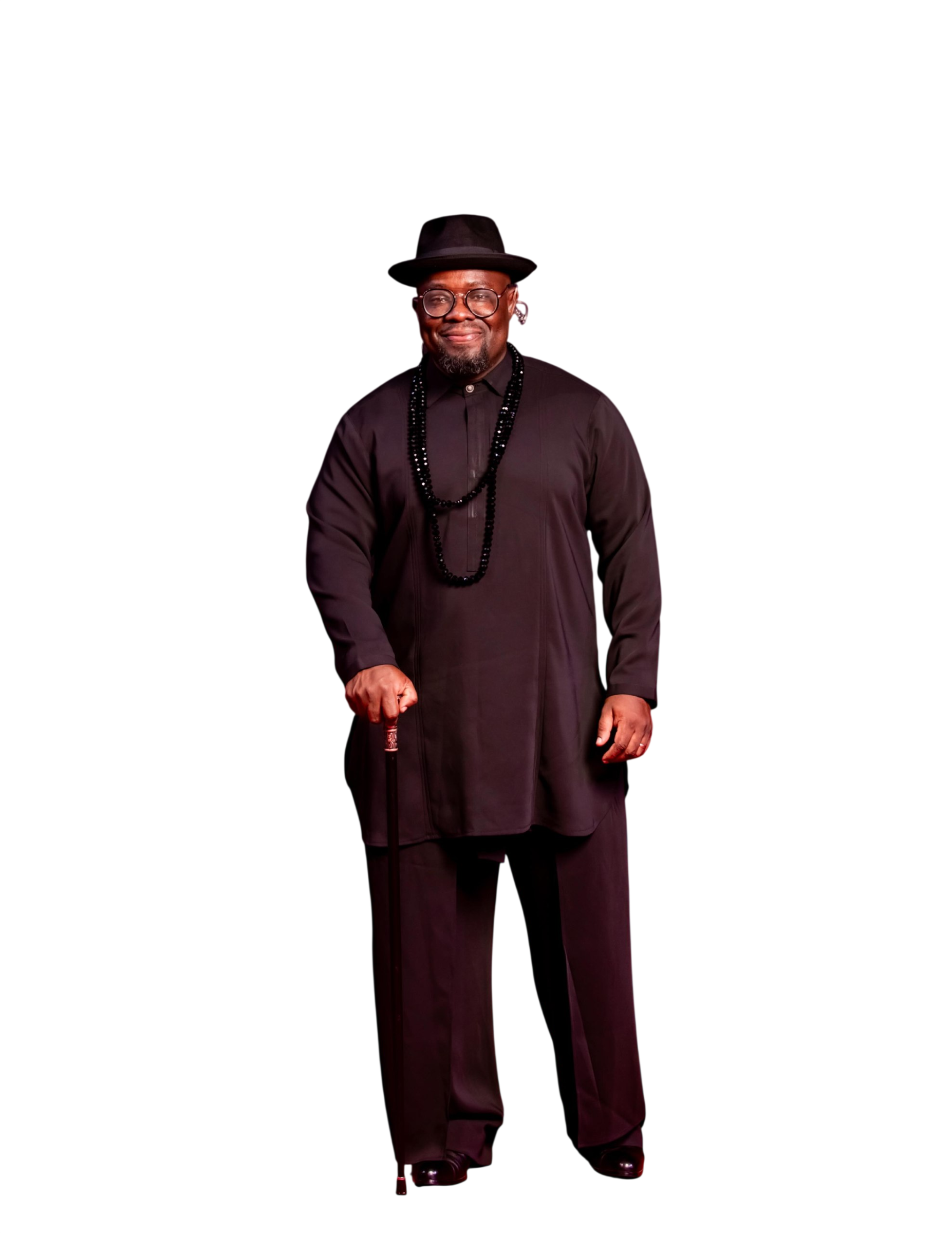
Ghanaian broadcaster and television personality Giovanni Caleb has gradually carved a niche for himself not only with his distinctive voice and on-screen engagement, but also with a fashion style that continues to attract attention.


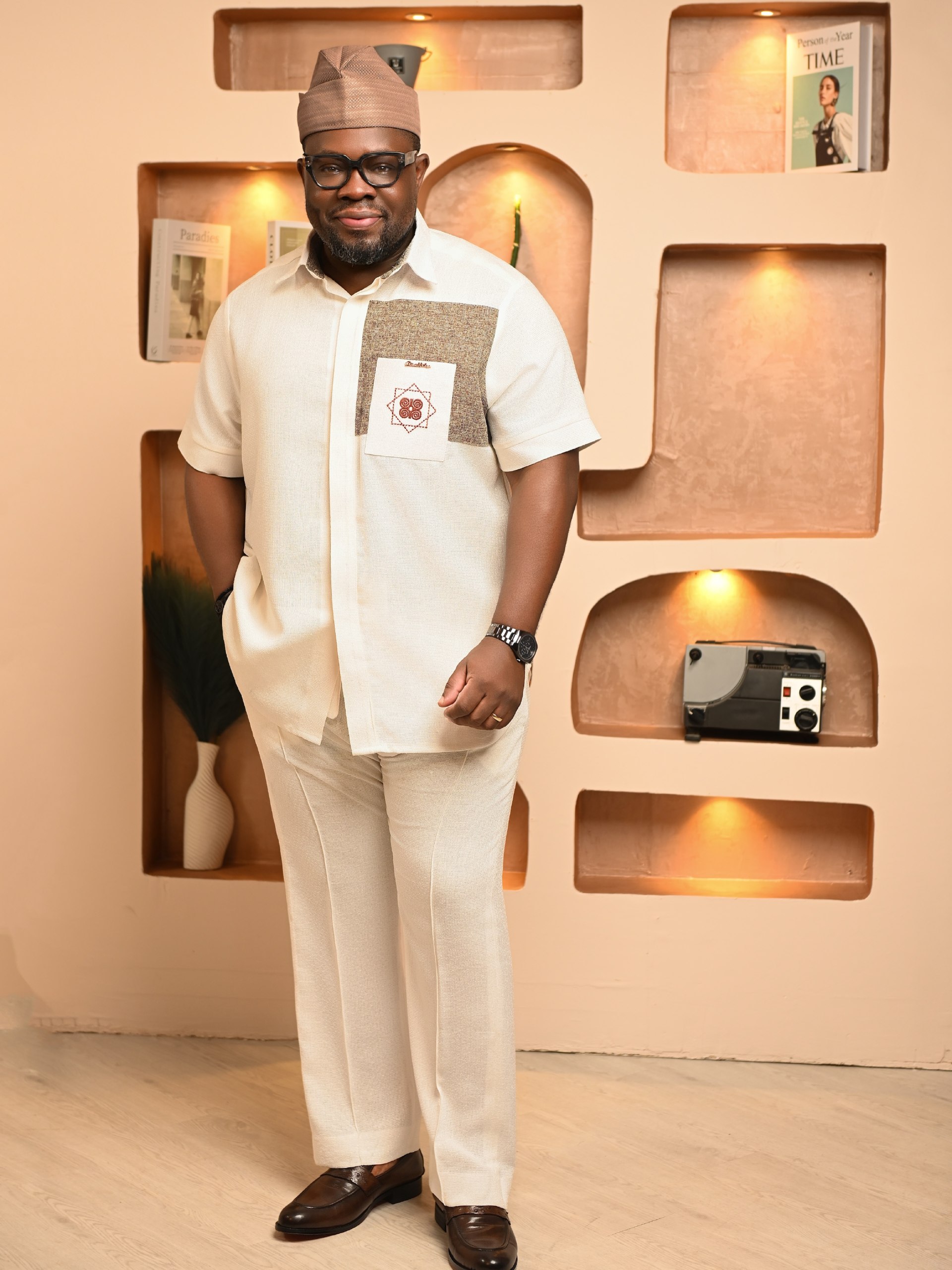

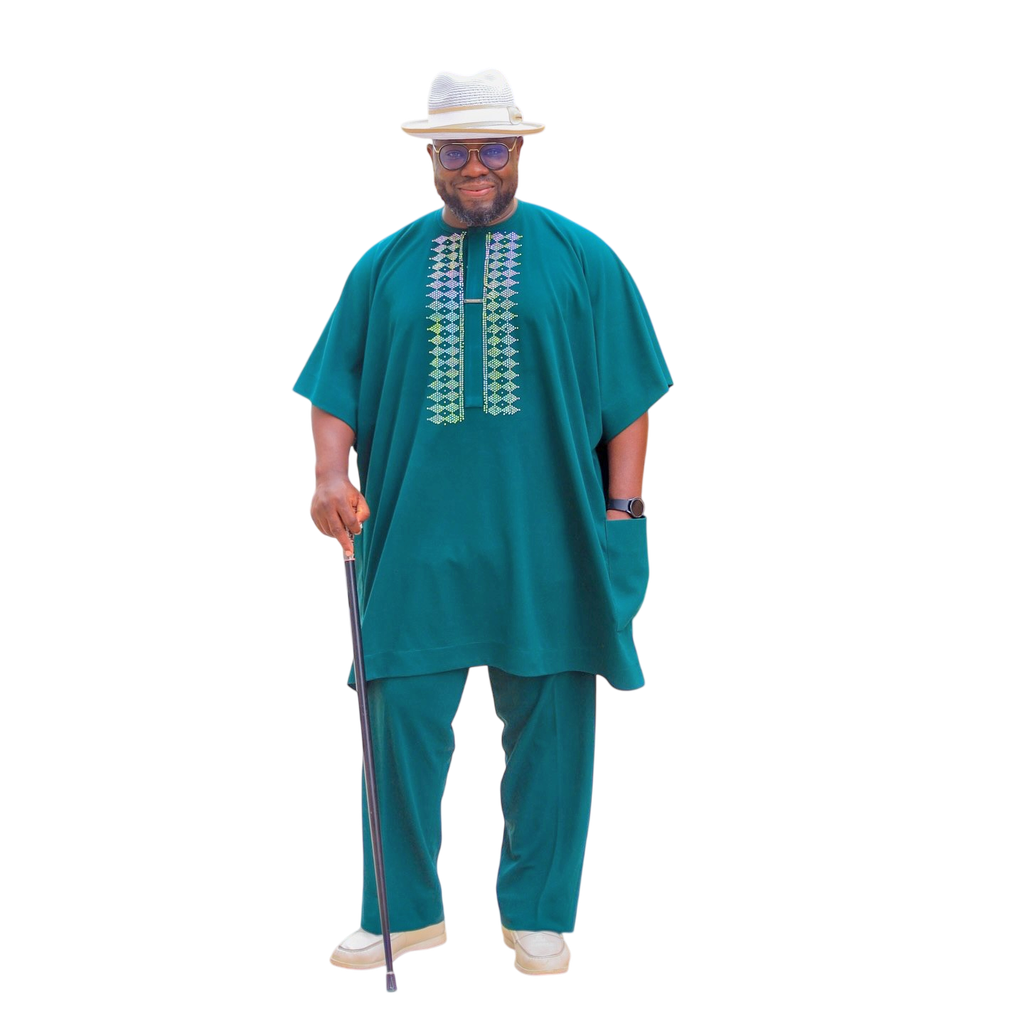
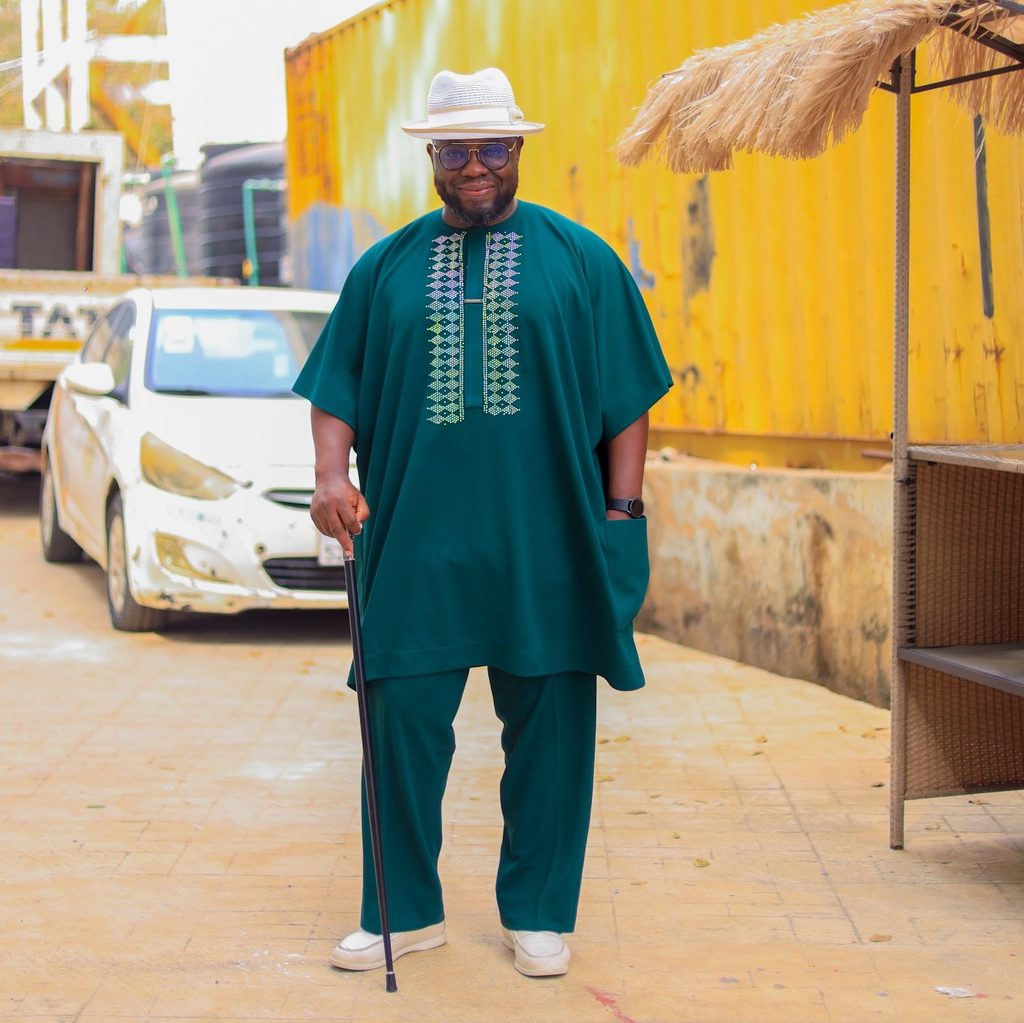

His style often strikes a balance between sophistication, simplicity and contemporary trends, making him one of the male media personalities whose fashion choices are worth watching.
One of the most noticeable features of Giovanni’s dressing is his preference for well-fitted outfits. Whether he is hosting a programme, attending a public event or sharing moments from his personal life, his clothes generally complement his physique without appearing unnecessarily flashy.
Beyond suits, Giovanni also embraces smart-casual fashion. Polo shirts, shirts, trousers, sneakers and other relaxed pieces occasionally form part of his wardrobe, showing his ability to transition comfortably between formal and casual settings.
Giovanni Caleb may be known primarily for his work behind the microphone and in front of the camera, but his evolving fashion sense has given him another identity as a contemporary Ghanaian man who knows how to look good.

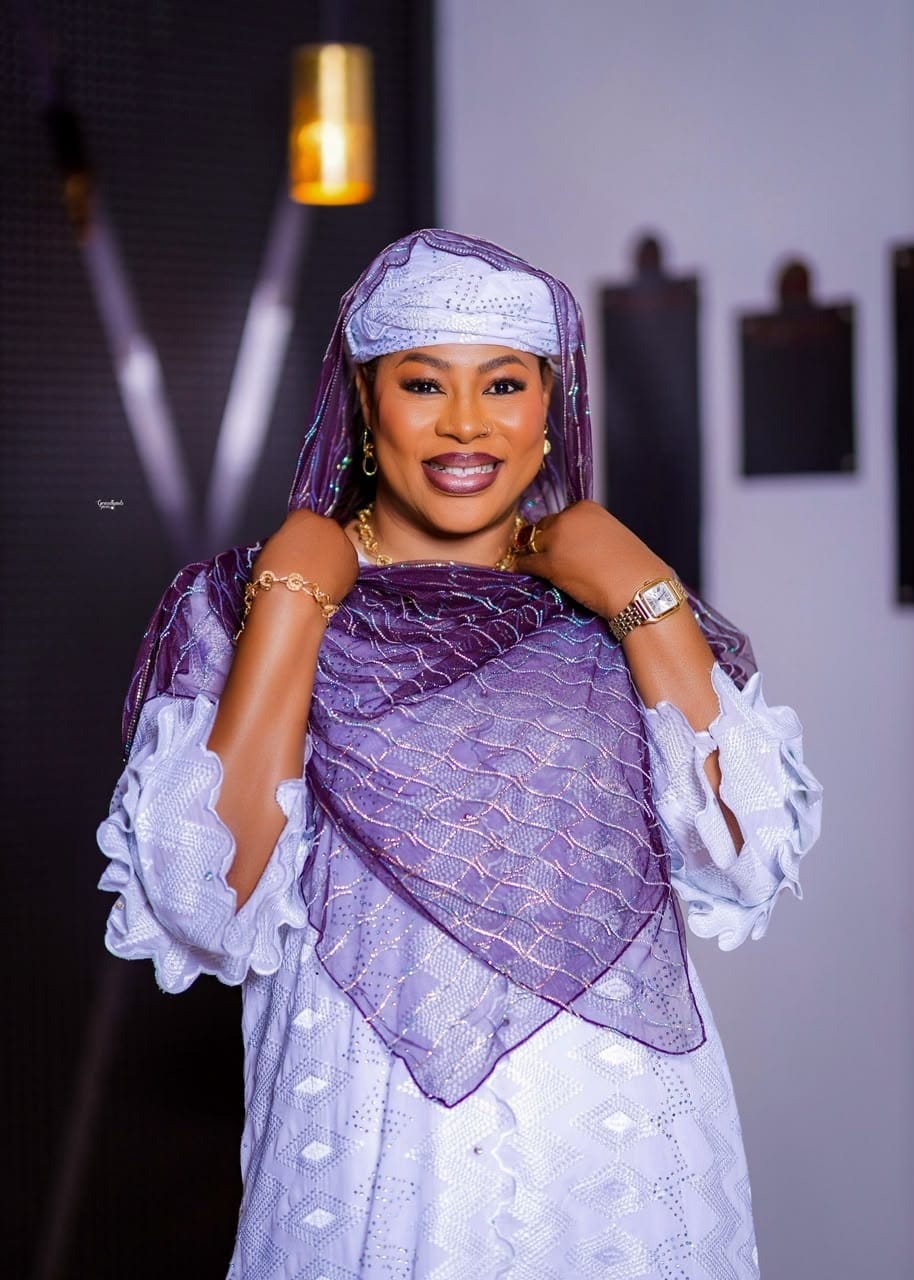
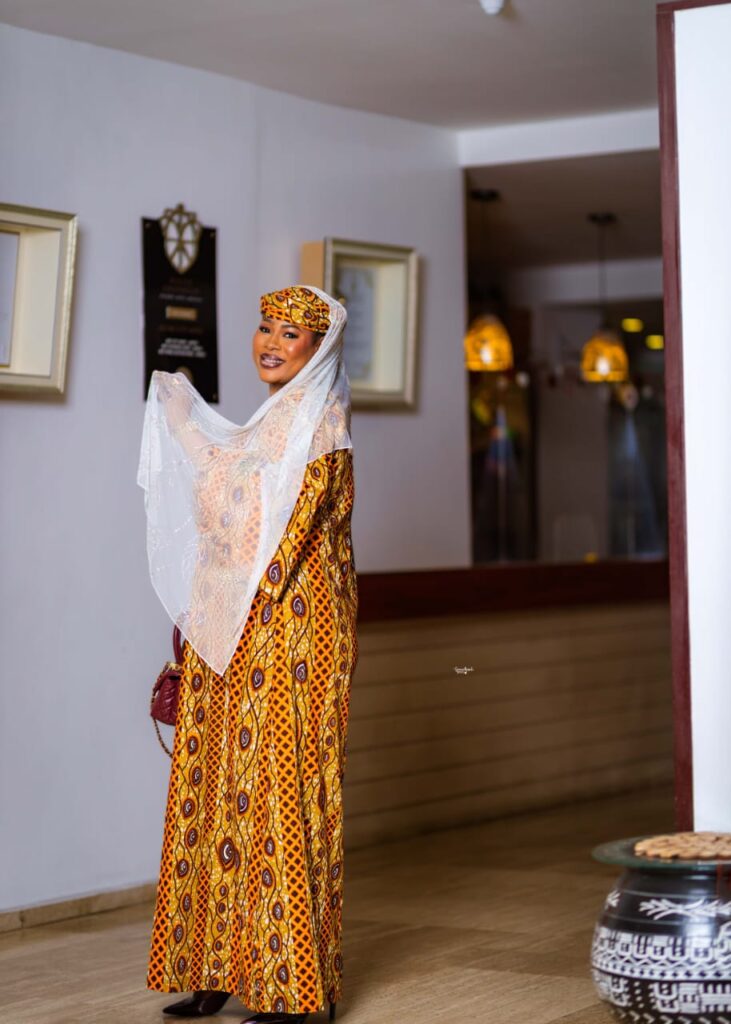
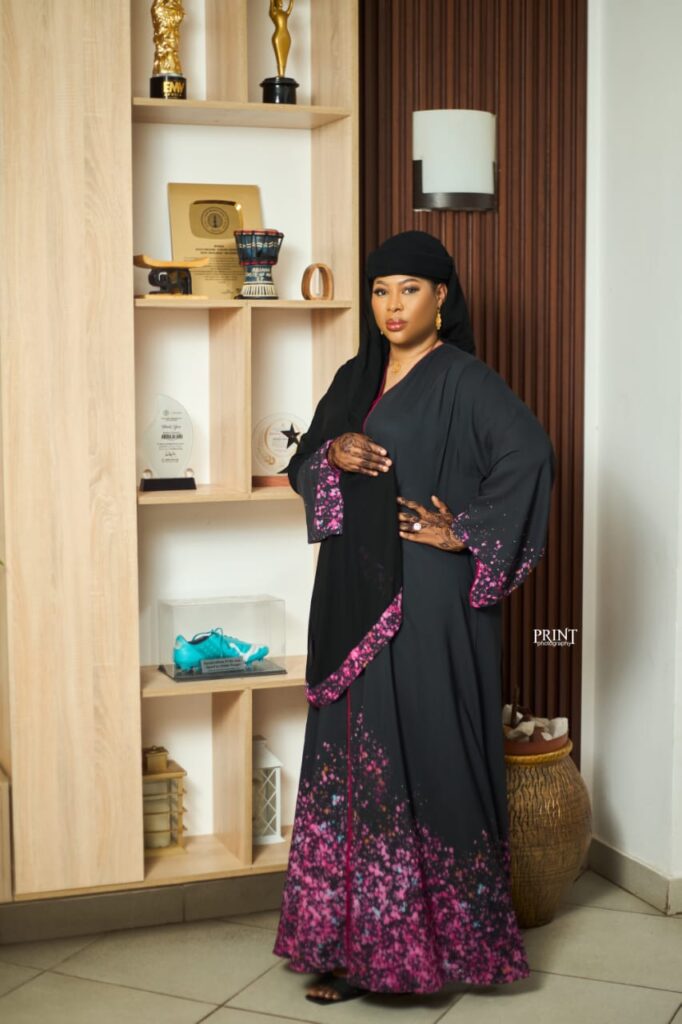
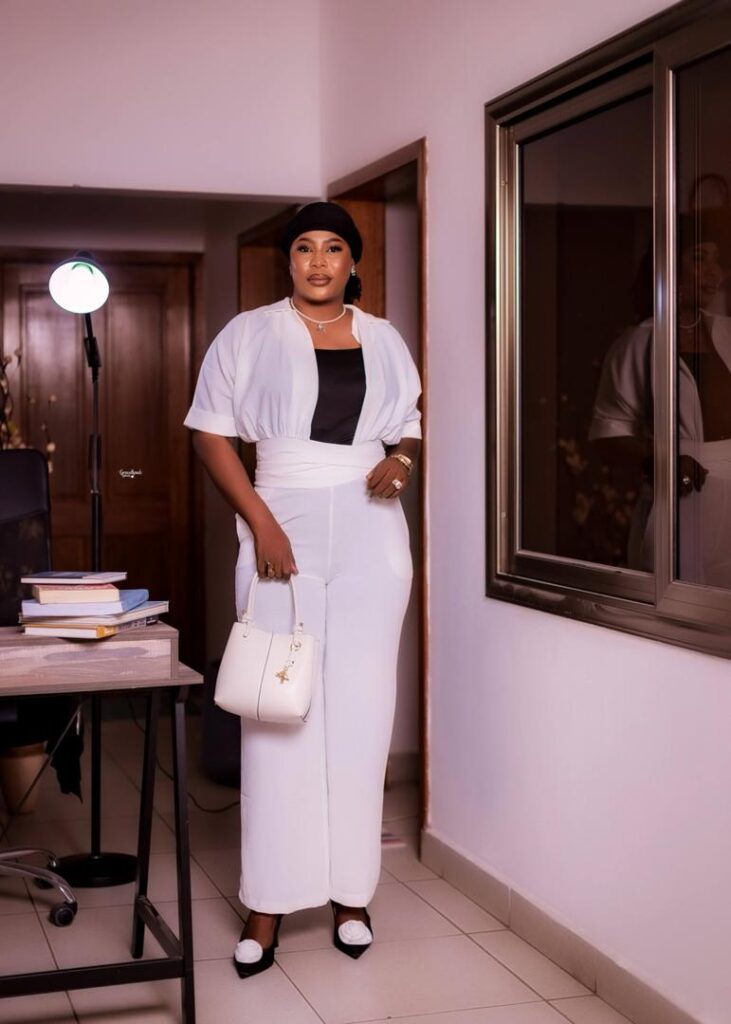
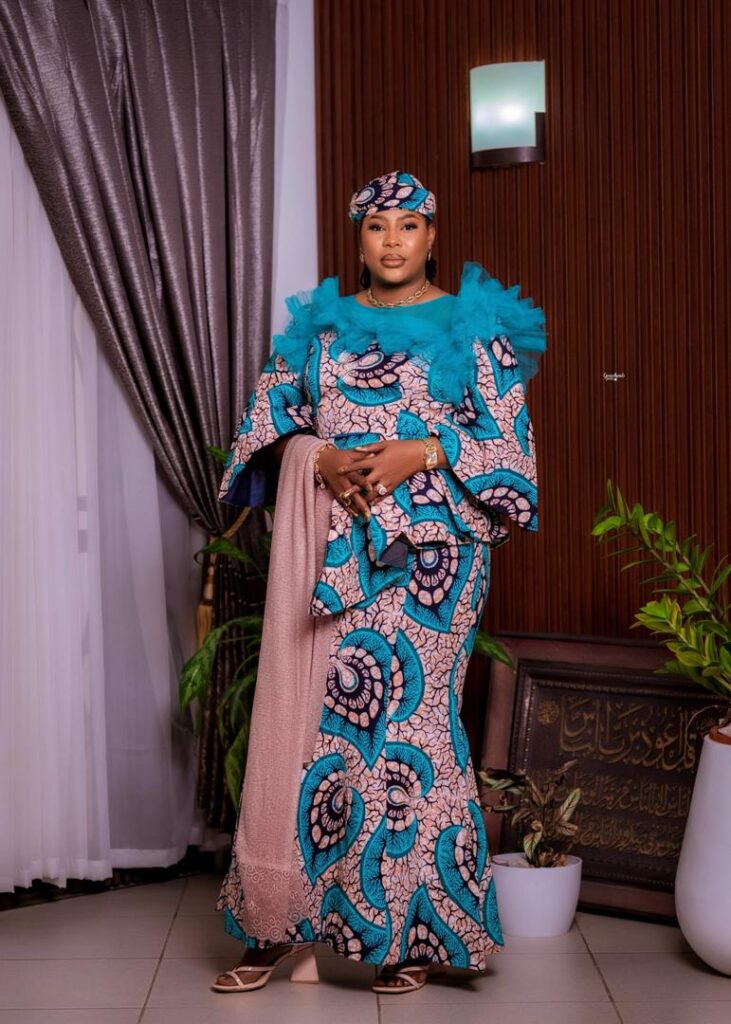
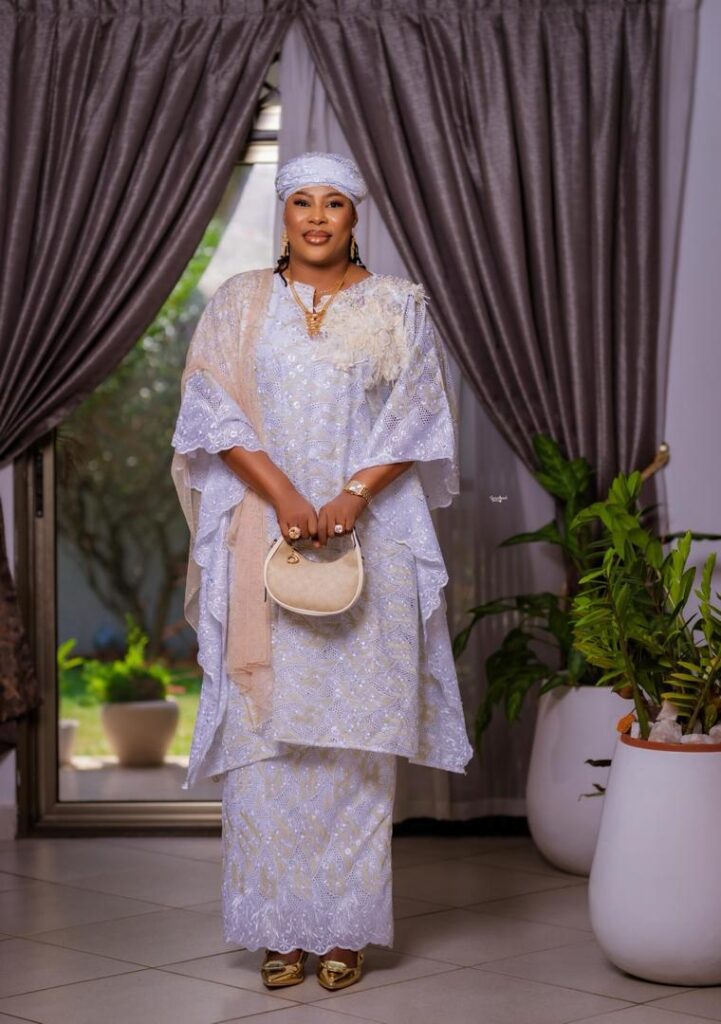
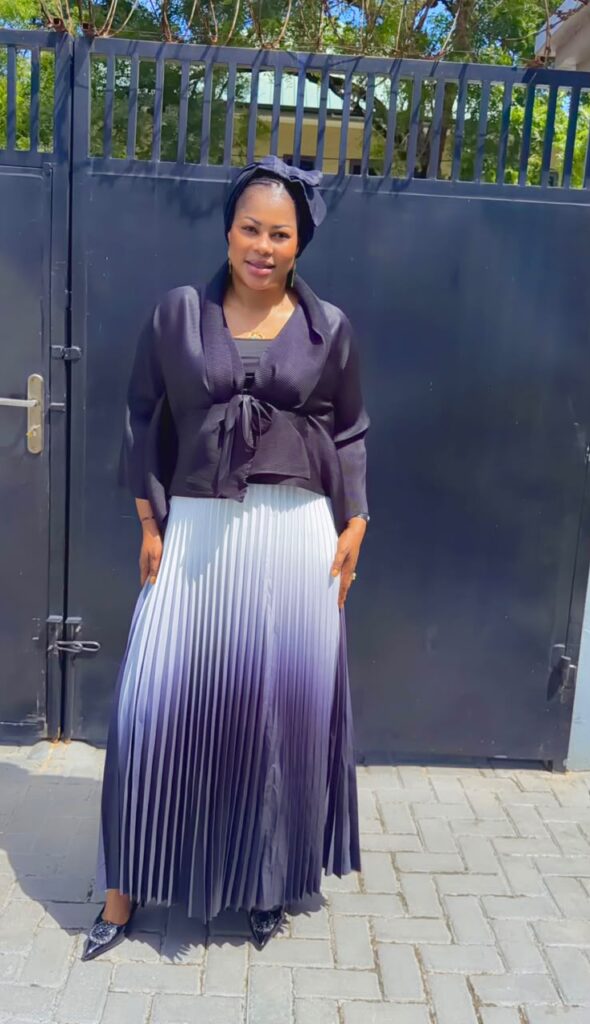
Adiza Ibrahim, is proving what it means to be a modern style icon in Ghana. By day, she commands corporate rooms as a top marketing executive as well as a fashion consultant, boutique owner, and lifestyle strategist.
Her signature looks proves that modesty and high fashion belong on the same runway. She has consistently demonstrated elegance, confidence and a refined sense of fashion in both modern and traditional style.
Adiza is not just a consumer of fashion; she is a critic and an educator. She actively pushes local designers to elevate their craft.
For her, fashion is a tool that demonstrate your cultural identity and make you hold onto your national pride.
Check out some of her outfits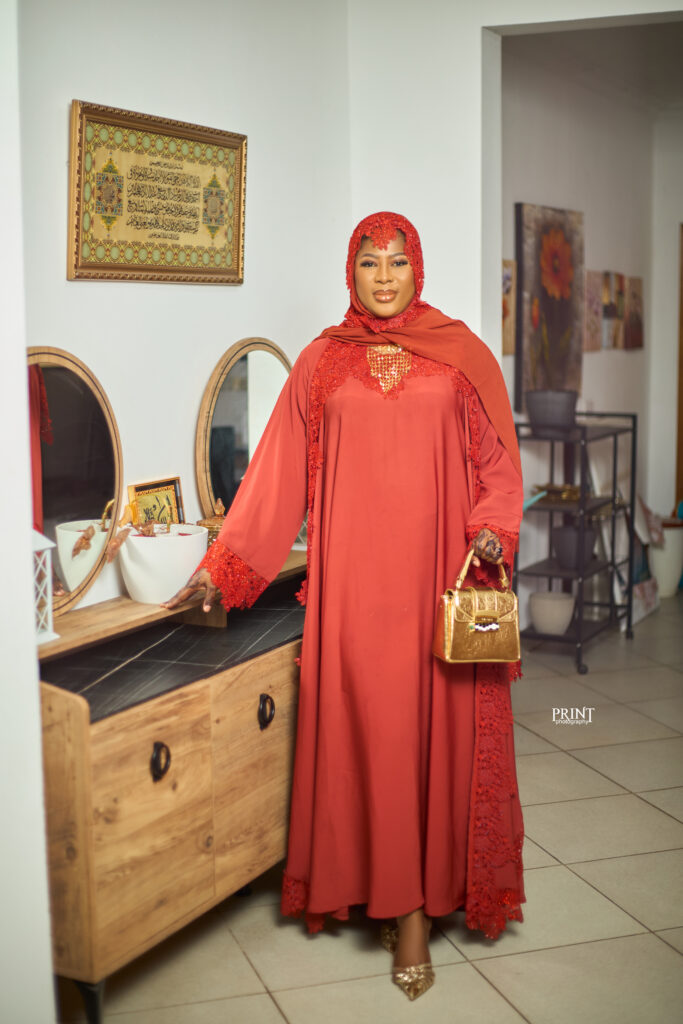
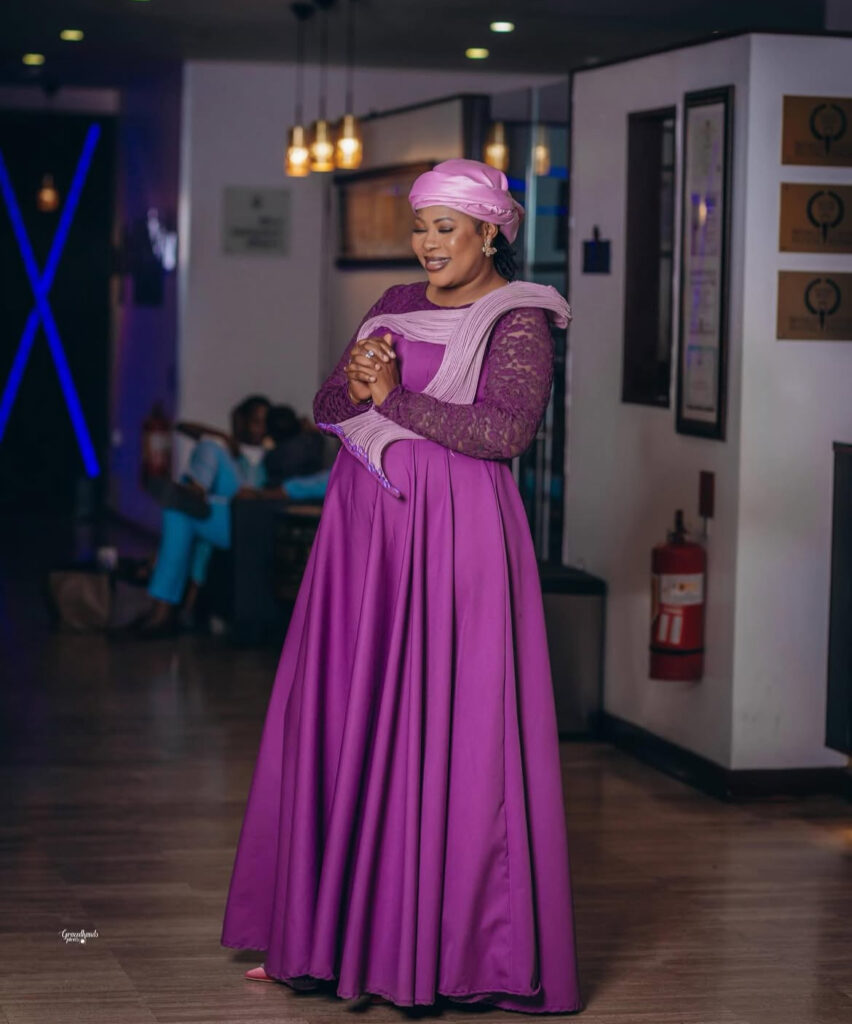
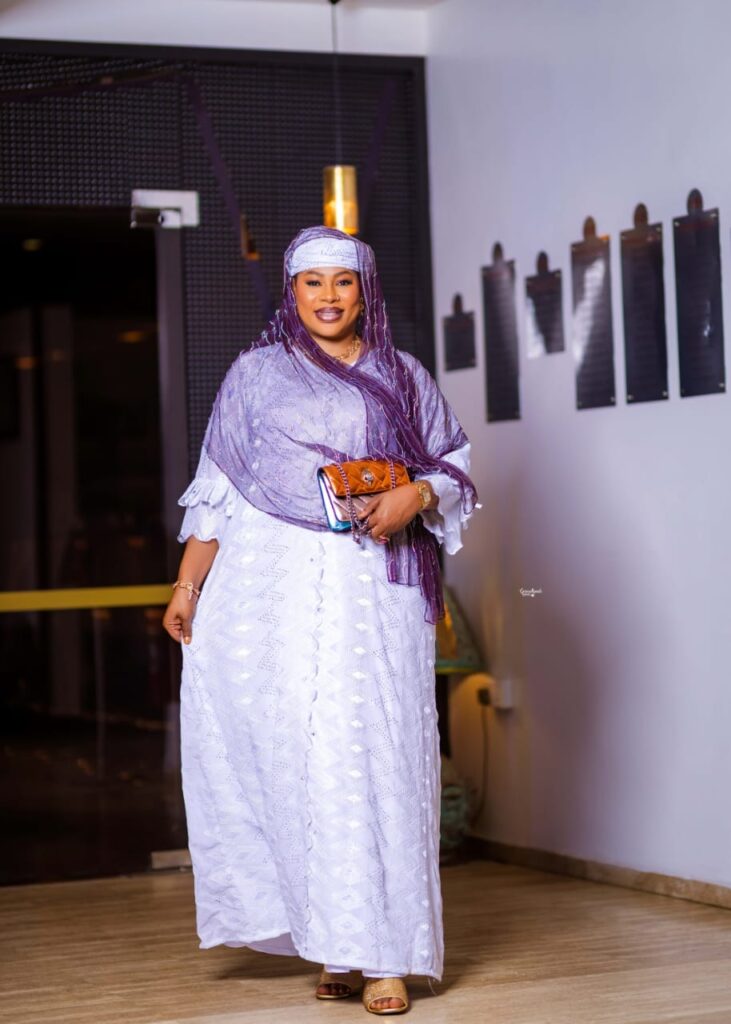
By Desmond Aidoo
SKIP THE QUEUE, TAP THE NEWS
You can now read the Ghanaian Times and The Spectator newspapers from the comfort of your device via TimesNewsPlus.
Join our WhatsApp Channel: https://whatsapp.com/channel/0029VbBElzjInlqHhl1aTU27