Hot!
DTT pricing: Be wary how you treat media; it is a pillar of our democracy – GIBA President

- /home/u249204778/domains/spectator.com.gh/public_html/wp-content/plugins/mvp-social-buttons/mvp-social-buttons.php on line 27
https://spectator.com.gh/wp-content/uploads/2023/12/Social-GJA-Convention-Mr-Cecil-Sunkwa-Mills-President-of-the-Ghana-Independent-Broadcasters-Association-640x424-1.jpg&description=DTT pricing: Be wary how you treat media; it is a pillar of our democracy – GIBA President', 'pinterestShare', 'width=750,height=350'); return false;" title="Pin This Post">
- Share
- Tweet /home/u249204778/domains/spectator.com.gh/public_html/wp-content/plugins/mvp-social-buttons/mvp-social-buttons.php on line 72
https://spectator.com.gh/wp-content/uploads/2023/12/Social-GJA-Convention-Mr-Cecil-Sunkwa-Mills-President-of-the-Ghana-Independent-Broadcasters-Association-640x424-1.jpg&description=DTT pricing: Be wary how you treat media; it is a pillar of our democracy – GIBA President', 'pinterestShare', 'width=750,height=350'); return false;" title="Pin This Post">
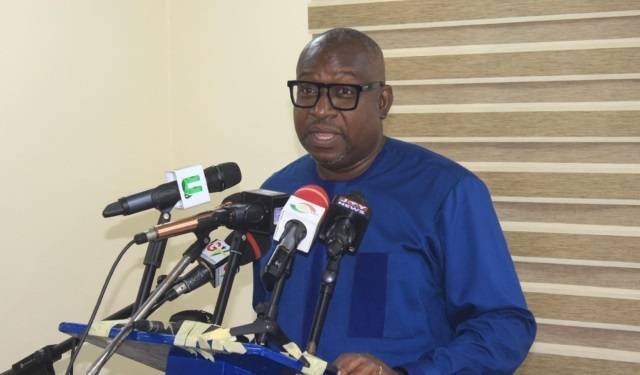
The President of the Ghana Independent Broadcasters Association (GIBA), Cecil Sunkwa-Mills, has urged the Communication and Digitisation Ministry to reconsider the pricing of the Digital Terrestrial Television (DTT) platform.
Addressing the issue on JoyNews’ PM Express, Mr Sunkwa-Mills expressed concerns that the $10,000 per month price to be imposed on broadcasters could potentially cripple media houses in the country.
He therefore called for open discussions with the sector Minister, Ursula Owusu-Ekuful, regarding the exorbitant amount to operate on the national DTT platform.
Mr Sunkwa-Mills emphasised the uniqueness of the media in the country, highlighting its pivotal role in sustaining democracy.
The GIBA President highlighted that the association had sought legal interpretation to understand the Minister’s authority to set the figure without proper engagement and clarification on the cost structure.
He stressed the importance of a transparent process and expressed the hope that a reasonable solution would be reached through dialogue.
On the same show, Ranking Member on Parliament’s Communications Committee, Sam George, advised GIBA to withdraw its legal action and instead present a counteroffer to Parliament for resolution.
He believed that litigation would not provide a sustainable solution to the issue at hand.
While acknowledging the legitimacy of GIBA’s concerns, he emphasized that the Minister alone cannot impose such fees, as they must undergo the legislative process for approval by Parliament.
“GIBA has some legitimate case to make even if the $10,000 is the acceptable fee; the Minister on her own cannot impose that fee because this is a public fee and charge, so it must come to the Subsidiary Legislation Of Parliament for them to approve the charges before the minister can charge that fee.
“So the resolution to this matter is the minister to come to parliament with the fee for approval. I also think that GIBA must be minded not to be overly litigious because you may still be in court but if the minister fulfills the legal requirement of coming to Parliament and parliament approves it, you would have to pay,” he said.
Conversations surrounding the DTT national platform was resuscitated after Mrs Owusu-Ekuful’s warned on Monday that television signals to homes and offices may be cut from next year should operators fail to pay for the platform.
The Minister insisted that the warning is as a result of the government having to pay millions of dollars for their use of the platform and can no longer bear the expense.
Digital Terrestrial Television is a technology for terrestrial television where television stations broadcast television content in a digital format.
Source: Myjoyonline.com


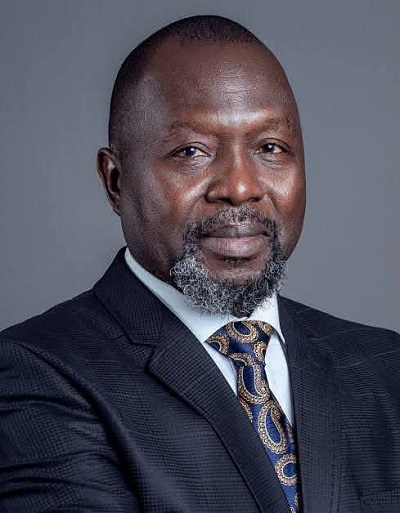
Attorney General and Minister for Justice, Dr. Dominic Ayine, has announced that the government has accepted the recommendation to abolish the death penalty and replace it with life imprisonment as part of the constitutional review process.
He said the proposed amendment would affect Articles 3, 13, 19 and 72 of the 1992 Constitution, with offences that previously attracted the death penalty instead carrying life imprisonment.
Dr. Ayine made the announcement on July 30, 2026, at the Jubilee House in Accra during the Government Accountability Series while outlining the government’s position on the final recommendations of the Constitution Review Committee.
According to him, the government believes the death penalty is inconsistent with the constitutional right to life and Ghana’s international human rights obligations.
He explained that the recommendation forms part of broader proposals aimed at strengthening the protection of fundamental human rights under the Constitution.
Dr. Ayine said the government had also accepted the spirit of several recommendations to expand rights relating to women, children, persons with disabilities, older persons and the youth.
He added that a comprehensive Human Rights Act would be introduced to protect these rights and provide detailed enforcement mechanisms instead of amending the entrenched provisions of the Constitution through a national referendum.
By: Jacob Aggrey
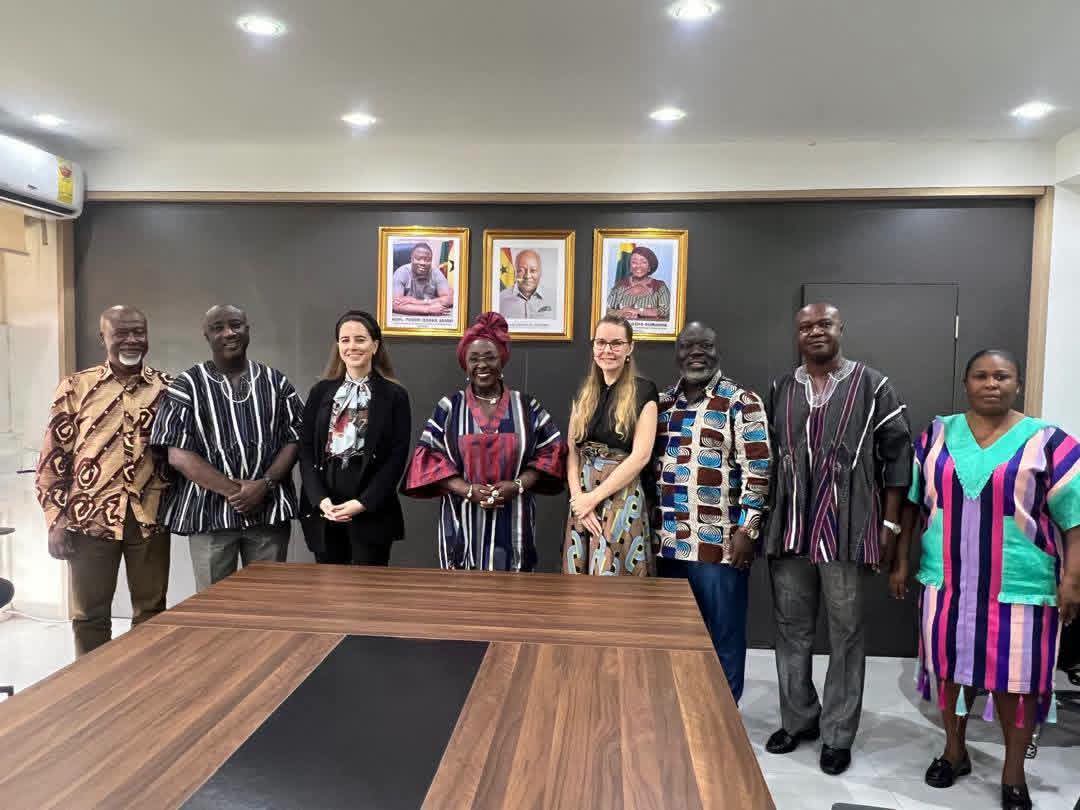
Minister for Tourism, Culture and Creative Arts, Abla Dzifa Gomashie, has called on both local and international investors to tap into opportunities in Ghana’s tourism, hospitality and creative industries.
Speaking in an interview yesterday with World Media USA Today, the Minister said government is committed to creating a conducive investment environment to support growth in the sector.
She highlighted key investment areas including hotels, fashion, music, film production, and tourism infrastructure.
Dzifa Gomashie also encouraged Ghanaians to invest in domestic tourism to help boost the local economy.
According to her, strategic investment in tourism and the creative economy will drive economic transformation, create jobs, and position Ghana as Africa’s gateway for heritage, culture, business and investment.
“Ghana has vast opportunities across tourism, hospitality and the creative industries. We are ready and open for business,” she stated.
The Minister’s remarks come as government intensifies efforts to leverage culture and tourism as drivers of economic growth and job creation.
By Edem Mensah-Tsotorme