Entertainment
Don’t mind the lyrics, ‘Putuu’ by Stonebwoy is a jam


- /home/u249204778/domains/spectator.com.gh/public_html/wp-content/plugins/mvp-social-buttons/mvp-social-buttons.php on line 27
https://spectator.com.gh/wp-content/uploads/2020/08/FB_IMG_1597133996968.jpg&description=Don’t mind the lyrics, ‘Putuu’ by Stonebwoy is a jam', 'pinterestShare', 'width=750,height=350'); return false;" title="Pin This Post">
- Share
- Tweet /home/u249204778/domains/spectator.com.gh/public_html/wp-content/plugins/mvp-social-buttons/mvp-social-buttons.php on line 72
https://spectator.com.gh/wp-content/uploads/2020/08/FB_IMG_1597133996968.jpg&description=Don’t mind the lyrics, ‘Putuu’ by Stonebwoy is a jam', 'pinterestShare', 'width=750,height=350'); return false;" title="Pin This Post">
Celebrated French Romantic author best known for his poetry and his novels, Victor Hugo, once said, “Music expresses that which cannot be said and on which it is impossible to be silent. ”
Music some say, is sunshine for the soul, and as a result many listen to music for different reasons.
Some listen to songs when they are stressed, demotivated, making merry and when they need to boost their morale for a task ahead among others.
According to HYPERLINK “https://www.lifehack.org/author/nabin-paudyal” \t “_blank” Nabin Paudyal, co-Founder of Siplikan Media Group the prime asset of any song is the accompanying emotion.
How does it make you feel? And one thing about emotion is that there are no cultural barriers, such as different languages, that define it.
Any piece of music in the world, sung in any language(s), will have an accompanying emotion that its listener(s) can almost immediately comprehend.
Though the content of the song, which lyrical composition is very relevant, times less attention is paid to it sometimes.
What reigns and gets people on their feet, in some cases, is just the groove, instrumentals and how some words are put together for a certain rhythmic progression.
At this point, lyrics become less important, especially when the melody, rhythm and the hooks can make the listeners happy.
This sums up Stonebwoy’s recent song, dubbed, “Putuu”.
Though some entertainment critics and industry players had written the song off juxtaposing Stonebwoy’s lyrical prowess in other songs to his present one, it is clear, that the verdict at reality shows, weddings, outdoorings among other public events proves contrary.
Although, all that one can easily interpret in the song is “Pray, Pray Pray Pray, ego better”, this notwithstanding, is the people’s choice and is currently leading a lot of music charts in the country.
The level of excitement, brisk dance moves and verve which accompany the song at any place it is played, shows that “Putuu” is a big jam.
It is a testament to the fact that artistes sometimes enter the booth to record a song as a result of melody, quality of the sound feelings or emotions at the time with less emphasis on lyrical content.
As Leo Tolstoy, Russian writer who is regarded as one of the greatest authors of all time once said, “Music is the shorthand of emotions”
It could be Stonebwoy’s expression of happiness at the time he heard the instrumentals play, and he decided to let it out undiluted, and clearly he has achieved his aim.
The verdict is clear, the masses can easily relate to Stonebwoy’s expression of emotions in Putuu, making the song a jam in Ghana and beyond.
By Edem Mensah-Tsotorme

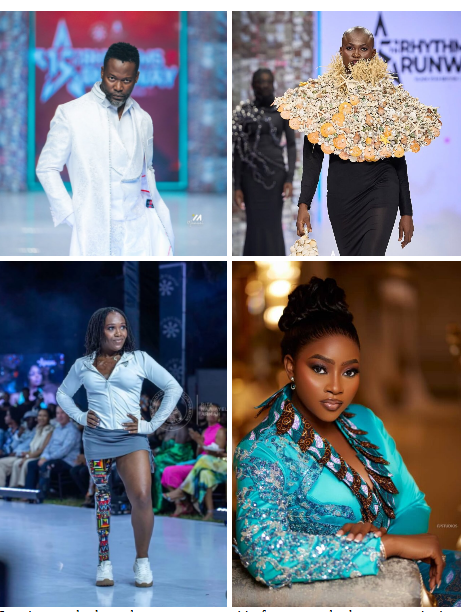
Ghana’s biggest fashion and music showcase, Rhythms on Da Runway (RODR), will return on November 28, 2026, at the Palms Convention Centre for its 16th edition.
Described by the BBC as “the biggest cultural exposé in Africa,” this year’s event is themed ‘UNBOUND’; a celebration of fashion, music and individual expression without limits.
According to organizers, the idea behind ‘Unbound’ – Because You’ve Got Style is simple: “if fashion is made for everyone, everyone should be able to see themselves in it.”
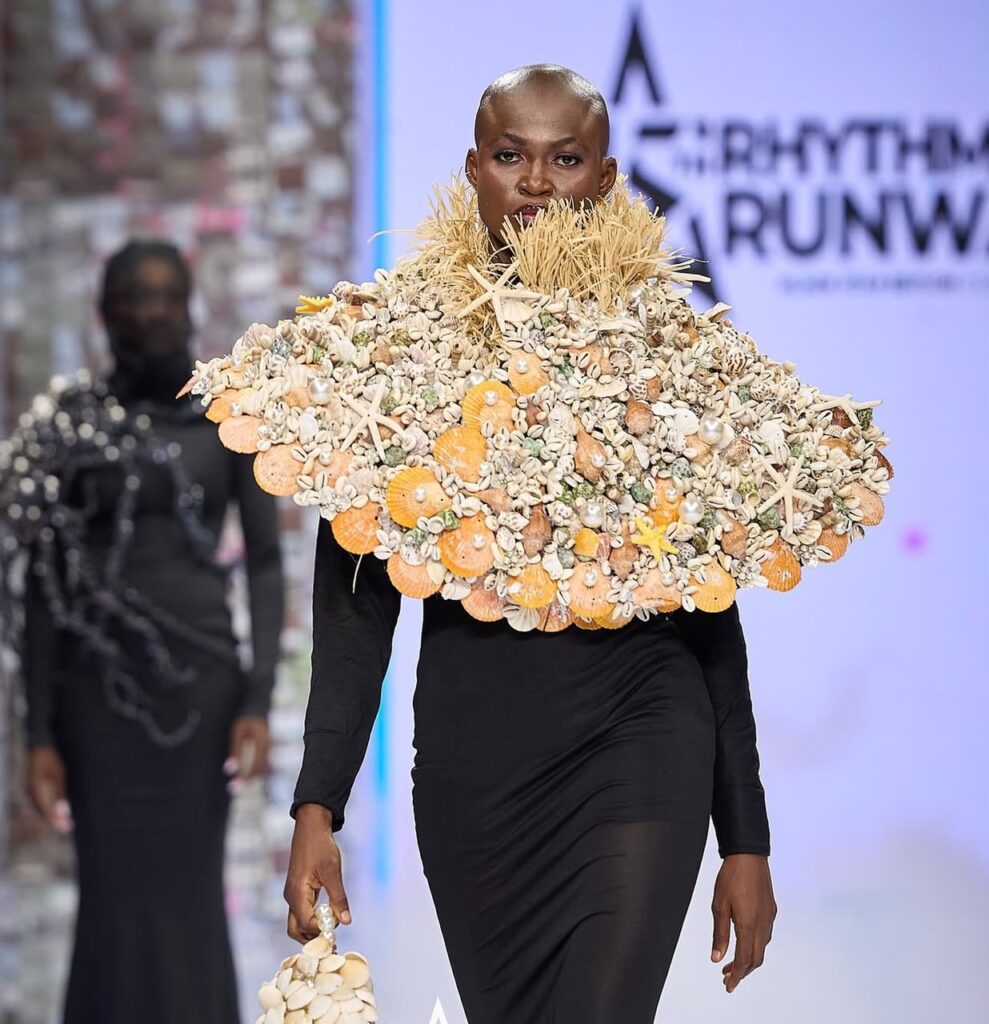
For years, the statement noted, fashion has been shaped by narrow ideas of who belongs on the runway, with certain body types, ages and abilities placed at the center while many others are left out. UNBOUND seeks to open that picture.
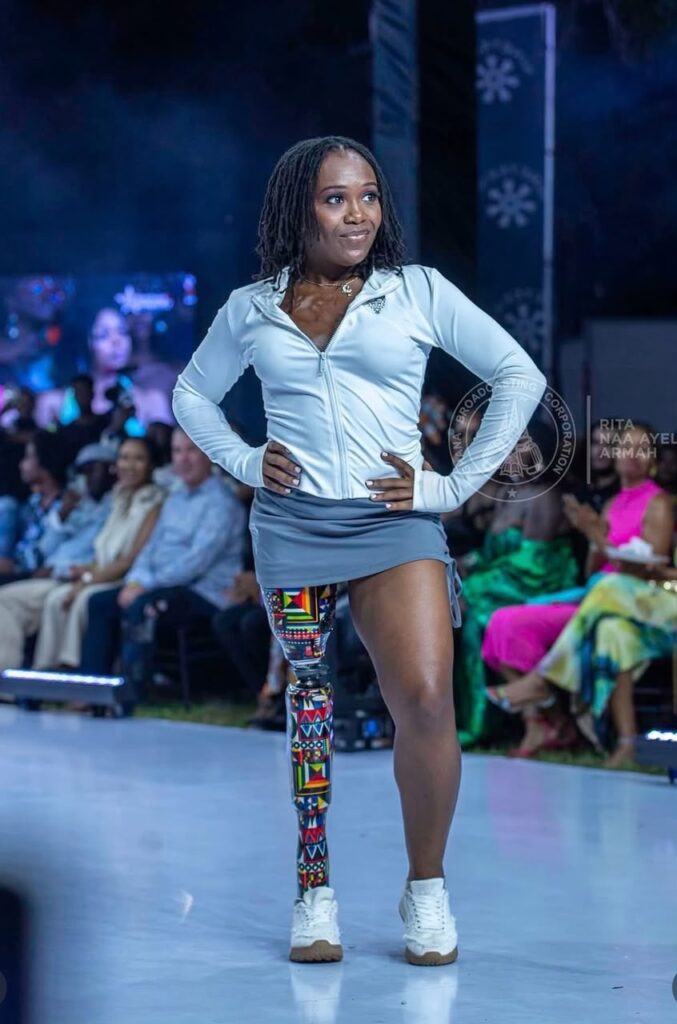
This year’s runway will welcome people with different abilities, backgrounds, body types and personal stories, influencing model casting, the collections, the stories told through clothes and the way guests experience the event.
Beyond the runway, UNBOUND will create room for young people to learn from established designers, gain practical experience and explore careers within fashion and the wider creative industry. It will also open conversations around adaptive fashion, accessible event design, talent discovery, mentorship and employment.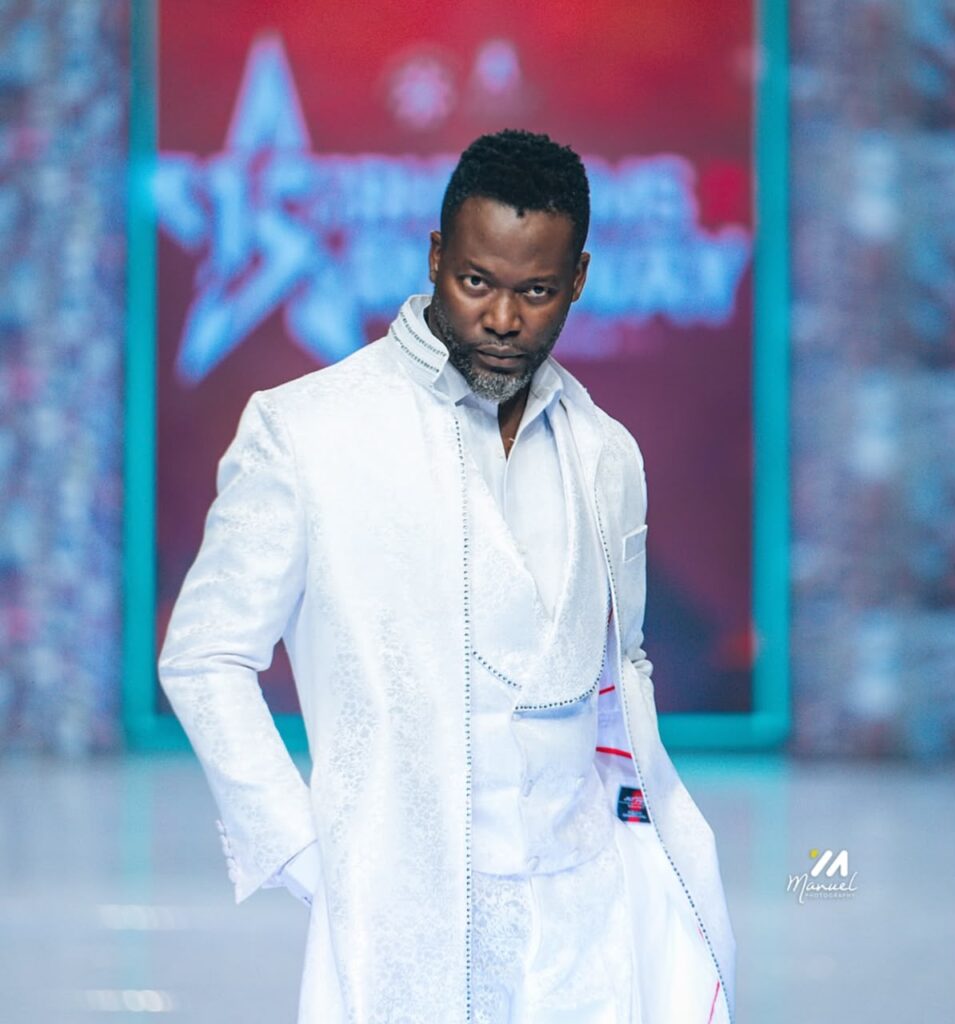

Organizers say the theme also presents opportunities for sponsors, development organizations and donors to support disability inclusion, youth training, creative enterprise and accessible experiences, helping new talent enter the industry and creating practical pathways into Africa’s growing Orange Economy.
The night will bring together a formidable lineup of fashion designers and music stars from Ghana and across the African diaspora, with strong collections, live performances and an all-star cast of celebrity models.
The evening will also feature the Black Star Awards, a celebration of public figures shaping Africa’s future through bold leadership, transformative development and contributions to the continent’s Orange Economy.
Participating designers, artists, award recipients and other event details will be announced in the coming weeks.
By Edem Mensah-Tsotorme
Entertainment
Ohemaa Mercy’s Tehillah Experience outfit was priestly regalia, not costume – Management clarifies

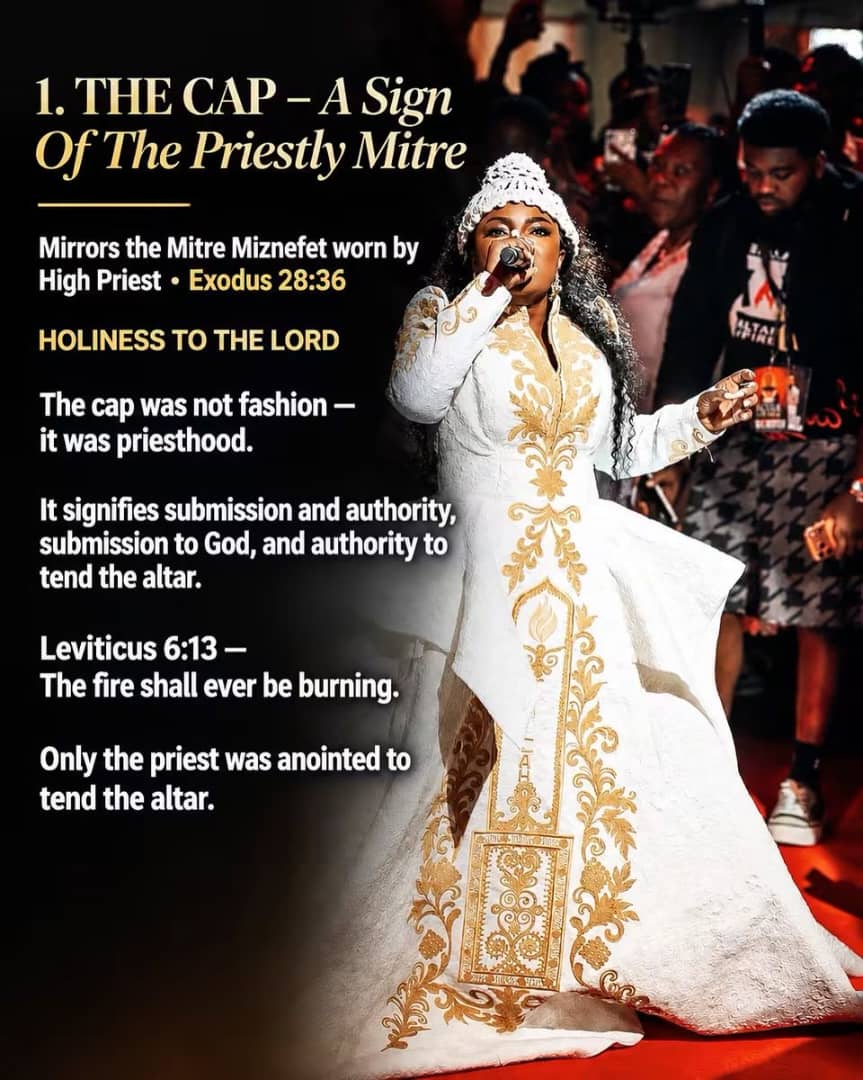
The management of renowned gospel musician Ohemaa Mercy has officially addressed public commentary surrounding her ceremonial outfit at the just-ended Tehillah Experience 2026.
The 13th edition of the annual worship concert, themed The Altar of Fire, was held at the Oil Dome, Royalhouse Chapel last Sunday and drew thousands of worshippers. Following the event, discussions on social media focused heavily on the distinctive costume worn by the host to lead worship.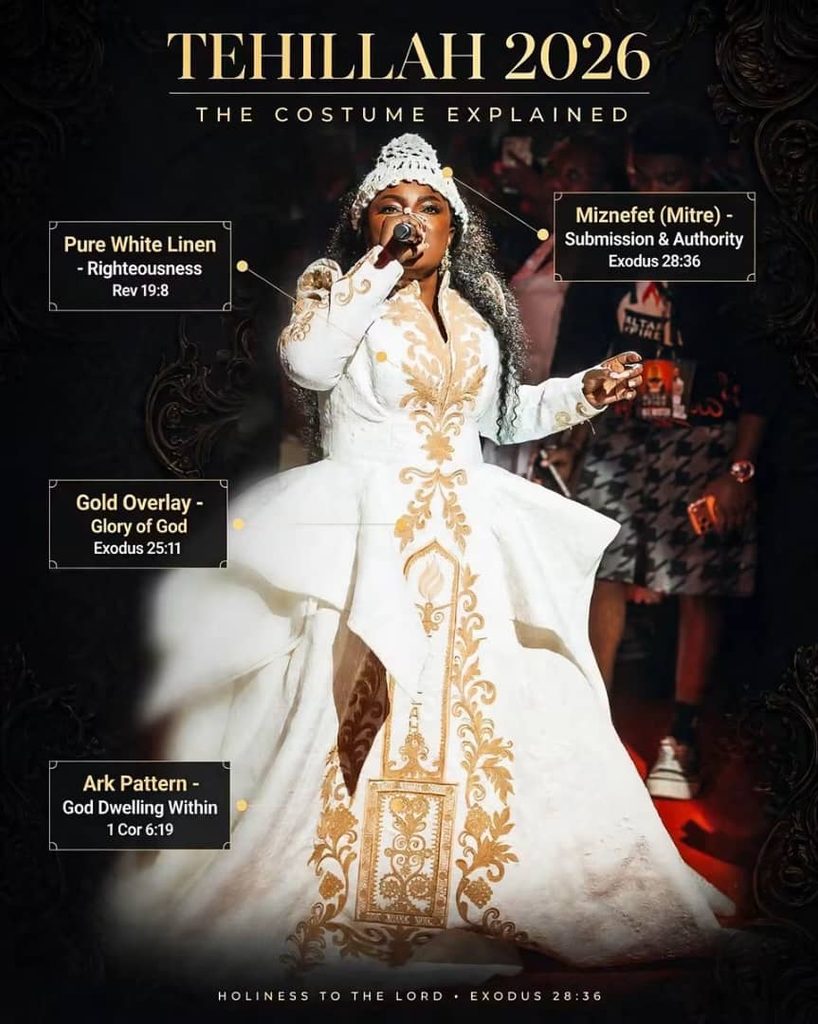
In an official statement titled “The Message Behind The Mantle: Decoding Ohemaa Mercy’s Altar Entry at Tehillah Experience 2026,” management explained that the outfit was deeply symbolic and biblically inspired.
“At this year’s Tehillah Experience, Ohemaa Mercy did not simply mount the stage, she made an altar entry. Long before she lifted the microphone, her attire had already delivered a sermon,” the statement noted.
Management broke down the attire into four key elements:
The Cap, representing the Priestly Mitre, mirrors the Miznefet worn by the High Priest as instructed in Exodus 28:36-38, which bears the inscription “Holiness to the Lord.”
According to the team, it was not a fashion statement but a declaration of priesthood, referencing Leviticus 6:13. The cap also symbolises covering and submission to divine authority.
The Cross carried ahead with white linen was described as the heart of the Christian faith, signifying that Christ went ahead and that access to the altar is by His righteousness and resurrection, not human strength.
Citing John 19:17, Galatians 2:20 and Colossians 1:20, management said the cross had to go first to make peace for God’s presence to enter.
The Garment of white, gold and crimson reflects three biblical truths: white for purity and consecration (Revelation 19:8), gold for glory and royal priesthood (1 Peter 2:9), and crimson for sacrifice (Romans 12:1).
The Entry itself, management added, was an intentional procession likened to Esther approaching the royal courts (Esther 5:1-2) and the priest entering the Holy Place. With horns sounding and intercessory prayers, it mirrored 2 Chronicles 5:13-14, when the glory of the Lord filled the temple.
“On that night, the Oil Dome ceased to be an auditorium of fans awaiting a concert. It became a tabernacle. And her entry was a prophetic reminder that God still answers by fire when the altar is kept burning,” the statement said.
Management concluded that what was worn was not a costume but “Priestly Regalia for an Altar Assignment” and thanked all who attended and supported the mandate.
By Edem Mensah-Tsotorme

 News1 week ago
Ghanaian journalist celebrates Texas town’s ‘Eden of the Far West’ tag after mayor’s nod
- News3 days ago
48 Engineer Regiment to be major sub-contractor on Accra-Kumasi Expressway, $2bn ready- Prez Mahama
- Entertainment6 days ago
Fiifi Coleman Productions adapt ‘I Told You So’ stage play into feature film