News
Dome Kwabenya MP commissions renovated Taifa Community KG School

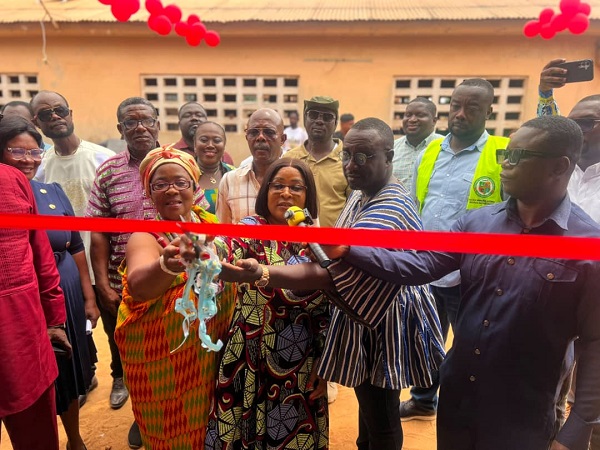
The Member of Parliament for Dome Kwabenya, Faustina Elikplim Akurugu, has commissioned a renovated kindergarten block at the Taifa Community School to improve the learning environment and help enhance academic performance in the constituency.
The renovation was sponsored by Imperial Homes through its Imperial Charity Foundation.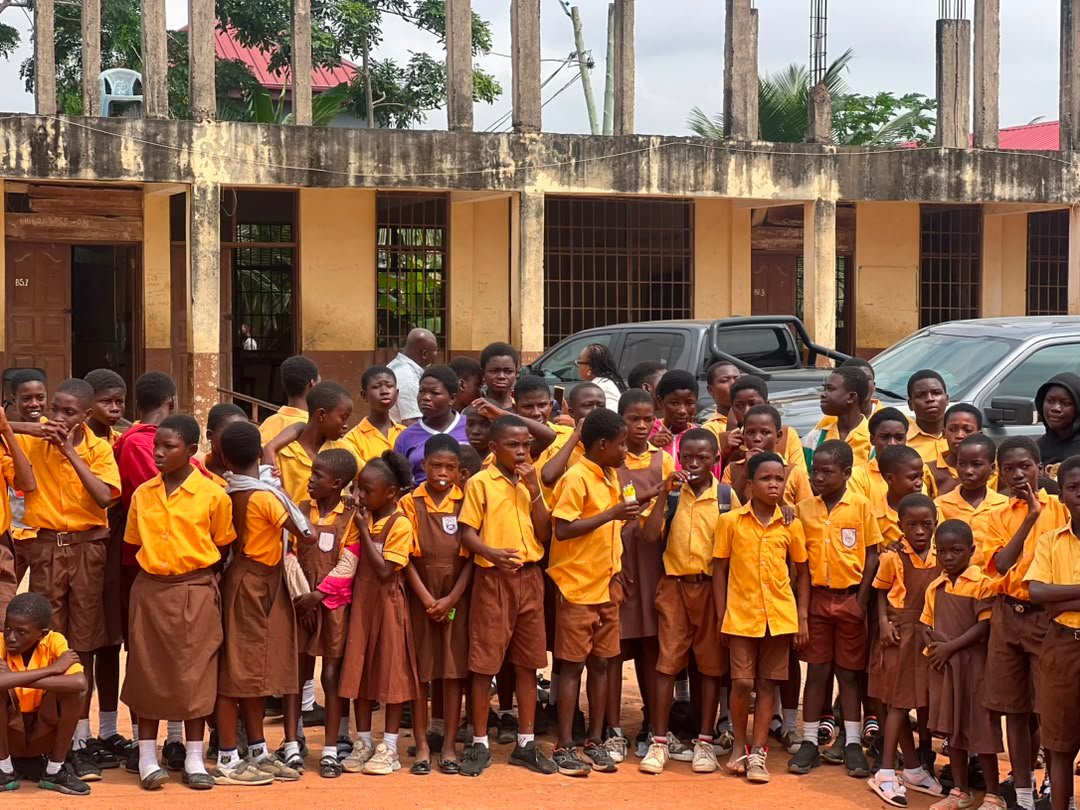
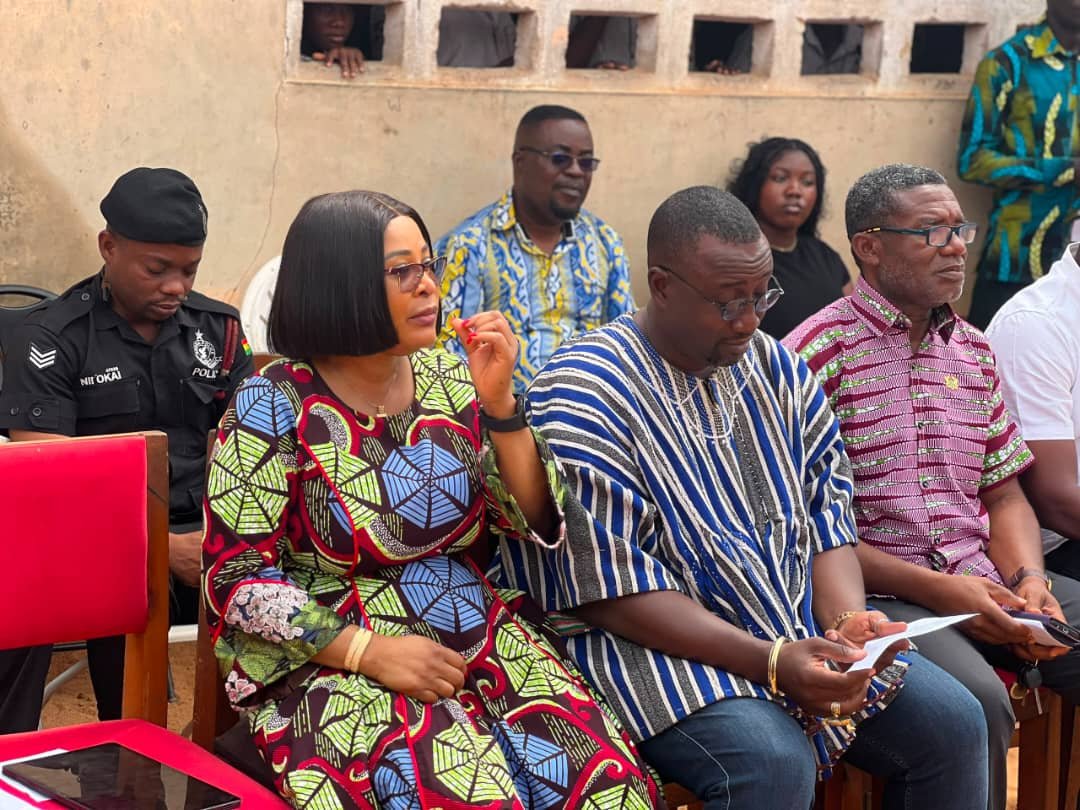
Speaking at the commissioning ceremony today, Ms. Akurugu said the project was a demonstration of the constituency’s commitment to providing children with a safe, welcoming and inspiring environment for learning.
She described education as one of the greatest investments any society could make, saying every classroom built and every child supported contributed to building a stronger constituency and a better future for Ghana.
The MP expressed appreciation to Imperial Homes for sponsoring the renovation, saying the company had invested not only in a school building but also in the future of hundreds of children who would use the facility over the years.
She called on more corporate organisations, philanthropists and development partners to support educational development in communities through similar partnerships.
Ms. Akurugu said education had remained one of her top priorities since she assumed office and stressed that no child should be denied quality education because of poverty, inadequate learning materials or poor school infrastructure.
She outlined some of the educational interventions undertaken in the constituency, including the distribution of classroom desks, exercise books, mathematical sets for Basic Education Certificate Examination candidates, school uniforms and teaching and learning materials.
According to her, support has also been provided for brilliant but needy students through the payment of school fees, educational grants and the Elikplim Scholarship Scheme, while the library at Kwabenya Senior High School has also been renovated.
She urged teachers to continue nurturing pupils with dedication and encouraged parents to remain active partners in their children’s education.
Addressing the pupils, the MP advised them to take good care of the renovated classrooms, study hard and respect their teachers and parents.
The Ga East Municipal Chief Executive, Edmund Agboh, commended the MP for championing the renovation project and described it as an example of effective collaboration between the Member of Parliament and the Municipal Assembly.
He appealed to teachers and the School Management Committee to properly maintain the facility and encouraged pupils to attend school regularly, obey their teachers and work hard.
Mr. Agboh assured residents that the government would continue to support basic education through available funding to ensure that children study in conducive environments.
The Director of the Imperial Charity Foundation, Nana Ansah Kwei IV, said the organisation responded to the MP’s request for support after assessing the poor condition of the kindergarten block.
He explained that the foundation decided to renovate the facility because early childhood education plays a critical role in a child’s development and that a clean and conducive learning environment helps children develop a sense of responsibility and belonging.
He said the renovated block was the beginning of a partnership with the constituency and expressed the foundation’s readiness to support more educational projects in the future.
By: Jacob Aggrey







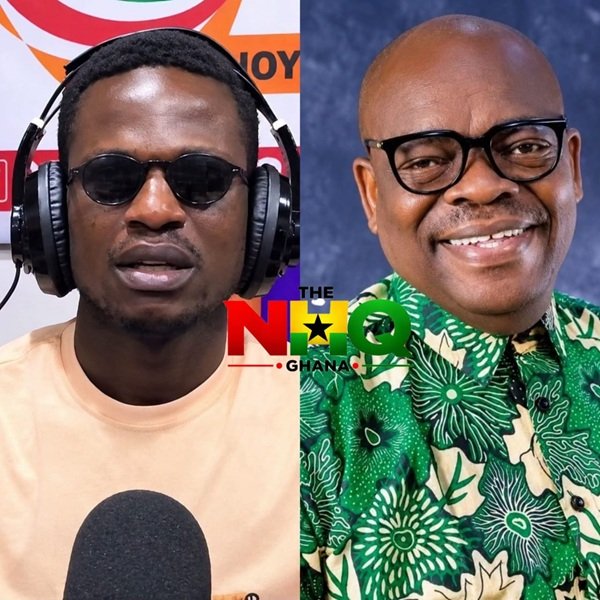
Owass 107.3 MHz has appealed to the public and social media users to respect the privacy of the family of the late Seth Kwame Dzokoto following his death during an interview with the station’s morning show host, Prince Gyimah.
In a press release dated Thursday, October 22, 2026, the station expressed sadness over the incident and extended its condolences to the bereaved family, friends and loved ones.
The station acknowledged the commendations received by Prince Gyimah, the camera crew and the entire team for their professionalism during the difficult moment.
However, it stressed that the priority should be the life and memory of the late Seth Kwame Dzokoto rather than the recognition received by the team.
Owass FM urged the public, media practitioners and social media users to refrain from speculation, circulating unverified information and making comments that could worsen the pain of the bereaved family.
It further called for the family to be given the necessary time, privacy and space to grieve, adding that the public should await an official statement in due course.
The station concluded by expressing its heartfelt condolences to all who mourn the late former legislator and prayed for his soul to rest in perfect peace.
By: Jacob Aggrey
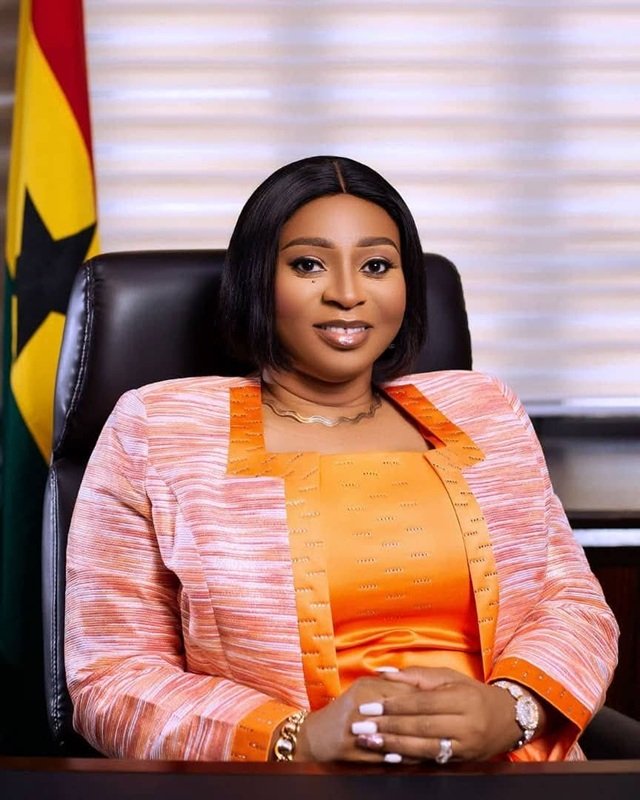
Former Dome-Kwabenya MP Sarah Adwoa Safo has announced her intention to contest the New Patriotic Party (NPP) parliamentary primaries in the constituency, reversing her earlier decision to pursue opportunities beyond Dome-Kwabenya.
In a statement dated Thursday, October 22, 2026, she said her decision followed consultations with party leadership and executives, as well as further reflection on her commitment to the constituency.
Adwoa Safo, who represented Dome-Kwabenya in Parliament for 12 years, said she was determined to build on the development achieved during her tenure and address the constituency’s remaining challenges.
She highlighted the NPP’s electoral performance in the constituency under her leadership, noting that the party’s votes increased from 63,373 in 2012 to 75,041 in 2020.
She called on party members, stakeholders and constituents to engage with her as she seeks another opportunity to represent Dome-Kwabenya in Parliament.
By: Jacob Aggrey