Hot!
Dan Botwe urges MDAs to promote decentralisation agenda


- /home/u249204778/domains/spectator.com.gh/public_html/wp-content/plugins/mvp-social-buttons/mvp-social-buttons.php on line 27
https://spectator.com.gh/wp-content/uploads/2023/12/IMG-20231205-WA0017.jpg&description=Dan Botwe urges MDAs to promote decentralisation agenda', 'pinterestShare', 'width=750,height=350'); return false;" title="Pin This Post">
- Share
- Tweet /home/u249204778/domains/spectator.com.gh/public_html/wp-content/plugins/mvp-social-buttons/mvp-social-buttons.php on line 72
https://spectator.com.gh/wp-content/uploads/2023/12/IMG-20231205-WA0017.jpg&description=Dan Botwe urges MDAs to promote decentralisation agenda', 'pinterestShare', 'width=750,height=350'); return false;" title="Pin This Post">
The Minister of Local Government and Rural Development, Mr Daniel Botwe has called on Municipal and District Assemblies (MDAs) to exercise their functions well as slated in the Local Governance Act 2016, Act 936, to promote the decentralisation initiative.
He noted that the assemblies, as part of the Local Governance structure, were mandated to bring local governance to the people, adding they were in charge of the departments and all government projects in their jurisdiction.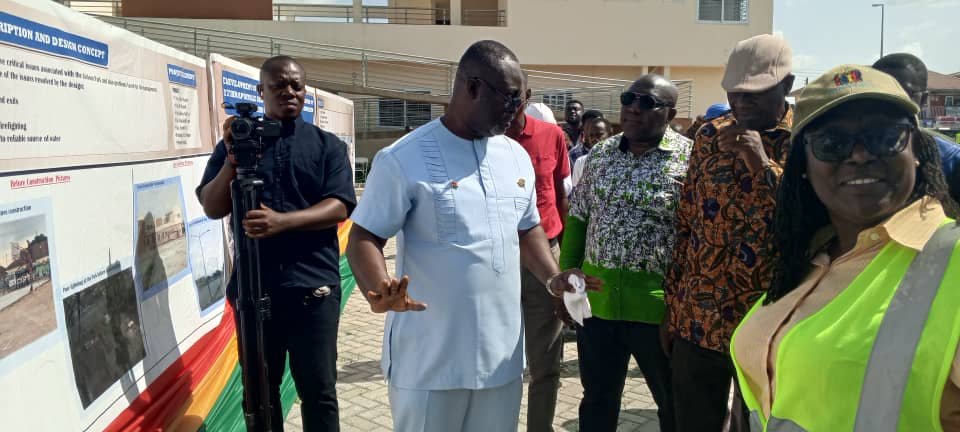
“We all think there is an unfinished business in this decentralization thing. We have not paid much attention to it,” he said and called on the assemblies to be up and doing and ensure they go by their functions as stated in the Local Government Act, as well as take control of their development plan.
Mr Dan Botwe made these statements when he toured three municipalities including Lower Manya Krobo, New Juaben South and Abuakwa South in the Eastern region to inspect the progress of work made on the Ghana Secondary Cities Support Projects (GSCSP) which was funded by the World Bank.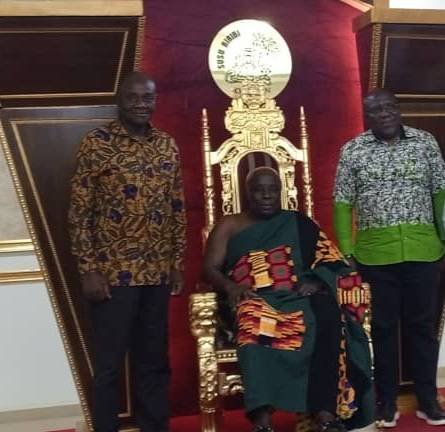
The three municipalities, were among five other municipalities, including Upper West Akyem and Birim Central, in the region to have been selected to benefit from the project that was purposed to help to improve urban management and basic urban services in the beneficiary municipalities.
Construction of lockable stores, hostels, ultramodern markets, shopping mall, and redevelopment of the Koforidua Jacksons Park among other ongoing projects in the three municipalities were among 582 projects ongoing in 48 districts in the country.
Mr Dan Botwe also paid courtesy call on the Okyenhene,Osagyefo Amoatia Ofori Panin in Kyebi and Nene Sackitey II,Konor of Lower Manya Krobo.
Speaking further, Mr Botwe explained that per the Act, “an Assembly member cannot go for an assembly meeting without meeting the people in their jurisdiction and after every assembly meeting, the person has to go back to meet the people again. It is in the law.”
“Decentralization occurs when the people in the assemblies take their own decisions, prioritize their needs and take annual action plans to ensure their needs are met,” he said.
He called on the assemblies to ensure that they account to the people in their jurisdiction and make them aware of the many projects ongoing in their communities that were meant to benefit them.
Speaking on the GSCSP projects, he was glad about the progress made and called the assemblies to own the projects and ensure that they yielded the needed results.
He noted that capacity building of the Local Government Service staff was necessary to enable them to deliver quality services to the people in their jurisdiction and hence the need for more education and sensitization.
He revealed several collaborations have been made with the Local Government Service to build the capacities of staff of the assemblies to enable them to deliver quality services needed for accelerated development in their communities.
“Some Assemblies are doing well in terms of ranking, but in totality, the average person should feel the presence of government and they can feel the government through government structures like the assemblies, unit committees and through other sub-structures of the assembly,” he said
He called on the media to also ensure that they hold the assemblies accountable and ensure they performed their functions based on what has been slated in the Local Government Act.
For his part, the Okyenhene, Osagyefo Amoatia Ofori Panin noted that the centrality of governance was outdated and called on the government to ensure that decentralization was embraced to ensure accountability, transparency, ownership and development.
“It is when the people own their projects that we can ensure the development of this country,” he said and called on the government to emulate other developed countries that have embraced decentralization.
The Eastern Regional Minister, Mr Seth Acheampong said he was encouraged by the progress on the (GSCSP) and said if they continued in the region would achieve the needed development in the area.
From Ama Tekyiwaa Ampadu Agyeman, Koforidua


The University of Ghana Medical Centre (UGMC) has disputed claims made on social media by comedian Michael Blackson concerning the treatment given to his late mother, saying a review found that the allegations did not accurately reflect what happened during her stay at the hospital.
In a statement issued in Accra on August 5, 2026, the management of UGMC expressed condolences to Mr. Blackson and his family over the death of his 83-year-old mother, who died at the facility on July 16, 2026.
The hospital said it had taken the concerns raised by Mr. Blackson seriously and conducted a thorough review in line with its clinical and administrative procedures.
According to the statement, the facts presented by Mr. Blackson on social media contained “numerous inaccuracies” and did not accurately reflect the medical care provided to his mother.
UGMC explained that she was referred to the facility from another hospital and received treatment there from May 27 to July 16, 2026, a period of about eight weeks.
The hospital stated that it would not release details of her diagnosis, treatment, medical records or other aspects of her care because it had a duty to protect patient confidentiality, even after death.
It said the decision was intended to respect the dignity of the deceased and the privacy of her family.
UGMC further stated that all clinical decisions at the facility are made by qualified healthcare professionals based on medical judgment, established standards of care and the best interests of the patient.
The statement added that such decisions are made in consultation with authorised family representatives where necessary and that billing and financial procedures are governed by institutional policies and are separate from clinical decision-making.
The hospital noted that it values feedback from patients and their families and considers both positive and negative comments important for improving the quality of care.
Mr. Blackson had earlier used social media to criticise the care his mother received at UGMC, prompting the hospital’s response.
By: Jacob Aggrey
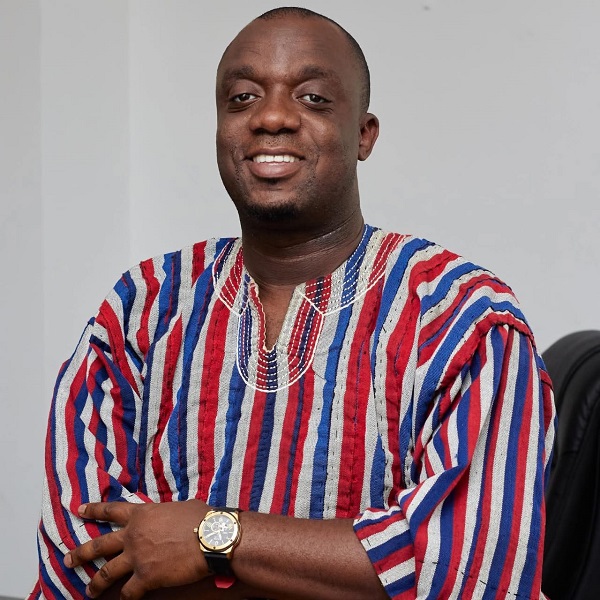
The New Patriotic Party (NPP) has directed all aspirants campaigning in the Greater Accra Region to suspend their campaign activities on August 5 and 6 and instead mobilise supporters for the party’s planned “Democracy Under Attack” demonstration.
The directive was issued by the party’s National Steering Committee in a statement signed by the NPP General Secretary, Justin Kodua Frimpong, on Tuesday.
According to the statement, the decision forms part of efforts to ensure a strong turnout for the demonstration, which is scheduled for Thursday, August 6, 2026.
The party said the protest would begin at 5:00 a.m., with participants expected to gather at the Supreme Court in Accra.
It further directed Regional, Constituency and Polling Station Executives in Greater Accra to work closely to mobilise members and supporters for the event.
“The National Steering Committee is calling on all aspirants currently campaigning across the Greater Accra Region to temporarily suspend their campaign activities on the 5th and 6th of August and join in mobilising support for the upcoming demonstration,” the statement noted.
The NPP appealed to party members and supporters to remain peaceful, disciplined and orderly throughout the protest.
The demonstration forms part of the party’s response to concerns it has raised over issues relating to Ghana’s democratic governance and the justice system.
The NPP leadership expressed confidence that party members would cooperate fully to ensure a successful and peaceful event.
By: Jacob Aggrey

 News1 week ago
Prof. Kwabena Twerefou holds inaugural lecture; calls for better stewardship of Ghana’s natural resources
- News1 week ago
Prez Mahama to visit Jamaica to strengthen ties and advance reparations agenda
- News1 week ago
Ahanta Heritage Month: Diplomats, youth tour forts, Cape Three Points and historic sites