News
CSOs cry for govt, private sector support


Civil Society Organisations (CSOs) in Ghana are in dire need of support from the government and private sector to run their activities.
This was disclosed at the launch of the 2022 CSO Sustainability Index Report by the Institute for Democratic Governance (IDEG) in Accra, on the theme, ‘Ghana’s Economic Crisis: Threats and Opportunities for CSO Sustainability.’
The report captured seven areas including, Legal Environment, Organisational Capacity, Financial Viability, Advocacy, Service Provision, Sectoral Infrastructure and Public Image.
Presenting the report, a Development Consultant, Mr Douglas Quartey said most CSOs received support and funding from foreign organisations which was not sustainable because they were overburdened by the huge number of registered CSOs in the country.
“Foreign donors remained the main source of funding for most CSOs. The major donors in 2022 included bilateral and multilateral bodies such as USAID, UK Aid Direct, European Union, German Agency for International Cooperation and Embassy of Netherlands,” he stated.
He said the ongoing changes in the funding landscape including the shift of donors’ focus to areas lacking a strong civil society component, such as trade, continued to reduce the pool of funding available to CSOs.
He added that, although a few CSOs had diversified funding, there were limited opportunities for most organisations to develop multiple funding sources.
To address the challenge, the Senior Research Fellow at IDEG, Mr Kwesi Jonah said the current crisis offered an opportunity for CSOs to reflect on several creative ways of surviving which include managing limited funds available to stay in business.
“CSOs must also find ways of managing risks and put in efforts to limit spending while falling back on their board for connections and collaborations to help manage the crisis,” he stated.
The government and the private sector, he said must also come on board to support the activities of CSOs in Ghana.
“We need to form a stronger partnership that would lead to sustainability of the sector. It is a responsibility to educate ourselves on the roles of the CSOs towards national development and push towards proper support from the government and private sector,” he stated.
He said, there was the need to engage in new conversations with donors not to withdraw their support while NGOs must avoid competitions and engage in strategic partnerships.
By Michael D. Abayateyea


The Ghana Health Service (GHS) will undertake a nationwide Human Papillomavirus (HPV) vaccination exercise in schools from October to December 2026 to protect eligible girls against cervical cancer and other HPV related diseases.
The exercise, organised in collaboration with the Ghana Education Service (GES) and its partners through the School Health Education Programme (SHEP), will be conducted in two rounds.
The first round is scheduled for October 19 to 23, 2026, while the second will take place from November 30 to December 4, 2026.
In a press release dated October 19, the GHS explained that health workers would visit schools across the country to vaccinate eligible girls aged 9 to 14 who have not yet received the HPV vaccine.
The exercise forms part of efforts to raise awareness about the routine HPV vaccine, increase vaccination uptake and strengthen the country’s routine immunisation programme.
The GHS has called on school authorities, parents, guardians, teachers and community leaders to cooperate with health teams to ensure the successful implementation of the exercise.
The Service reaffirmed its commitment to protecting the health and well-being of Ghanaians, particularly children, through vaccination and other public health interventions.
By: Jacob Aggrey
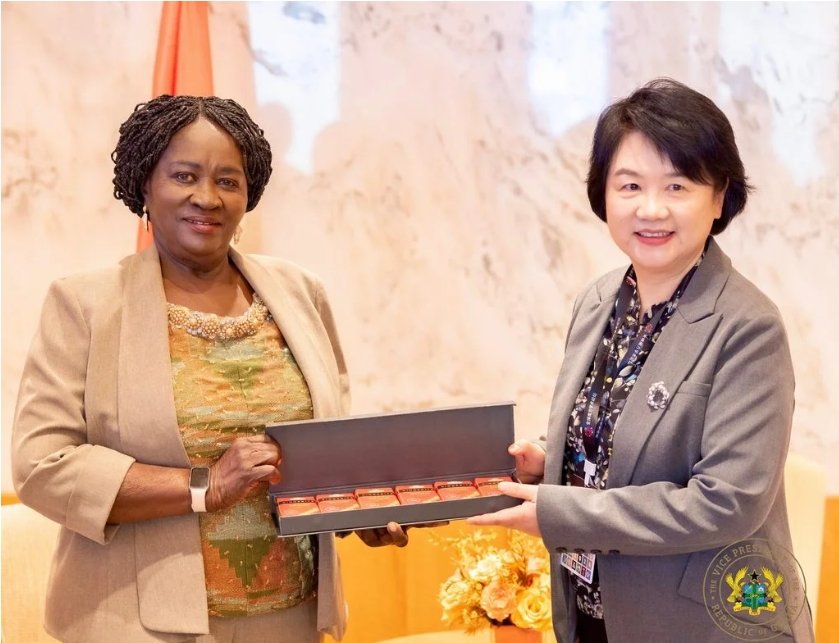
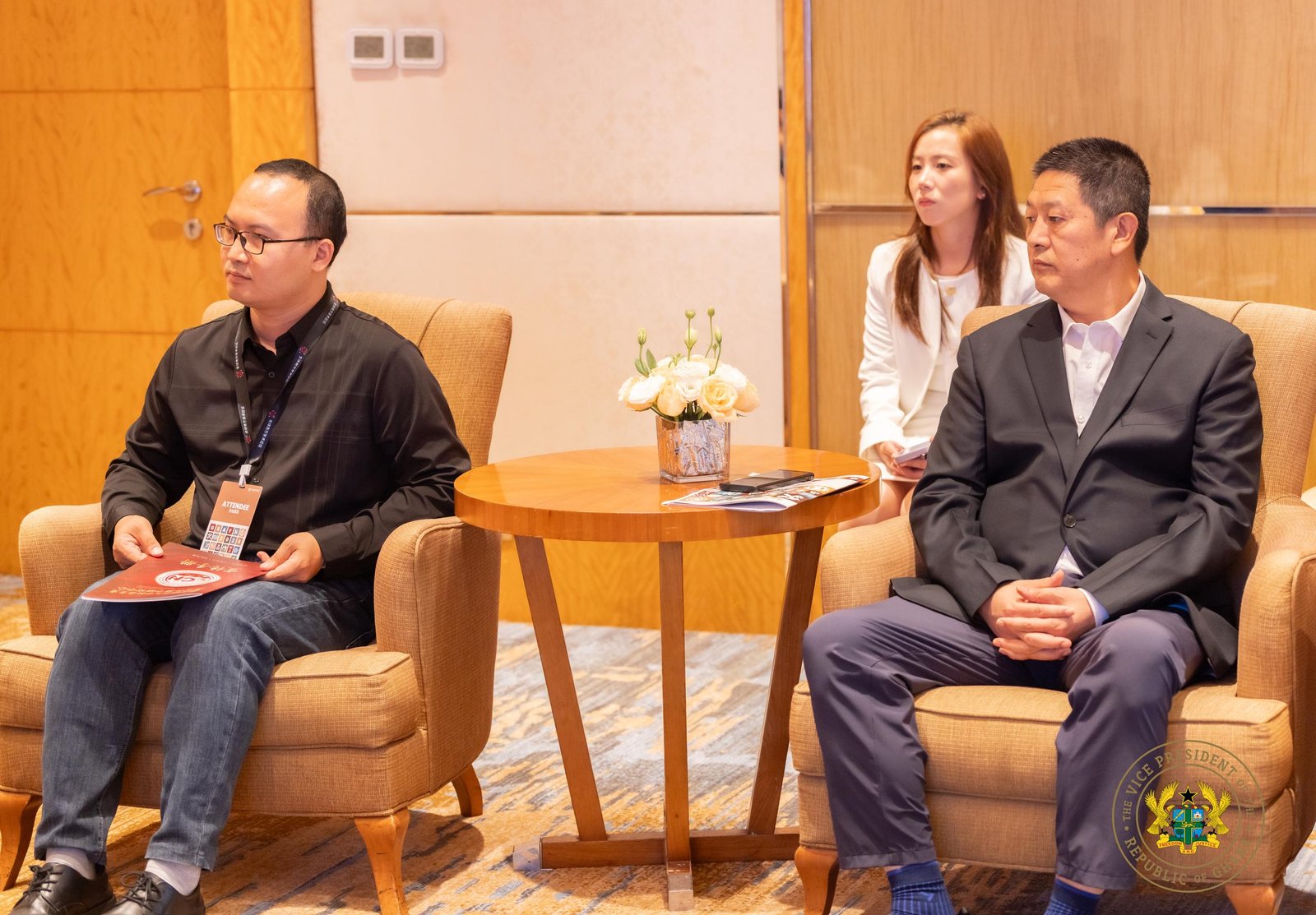
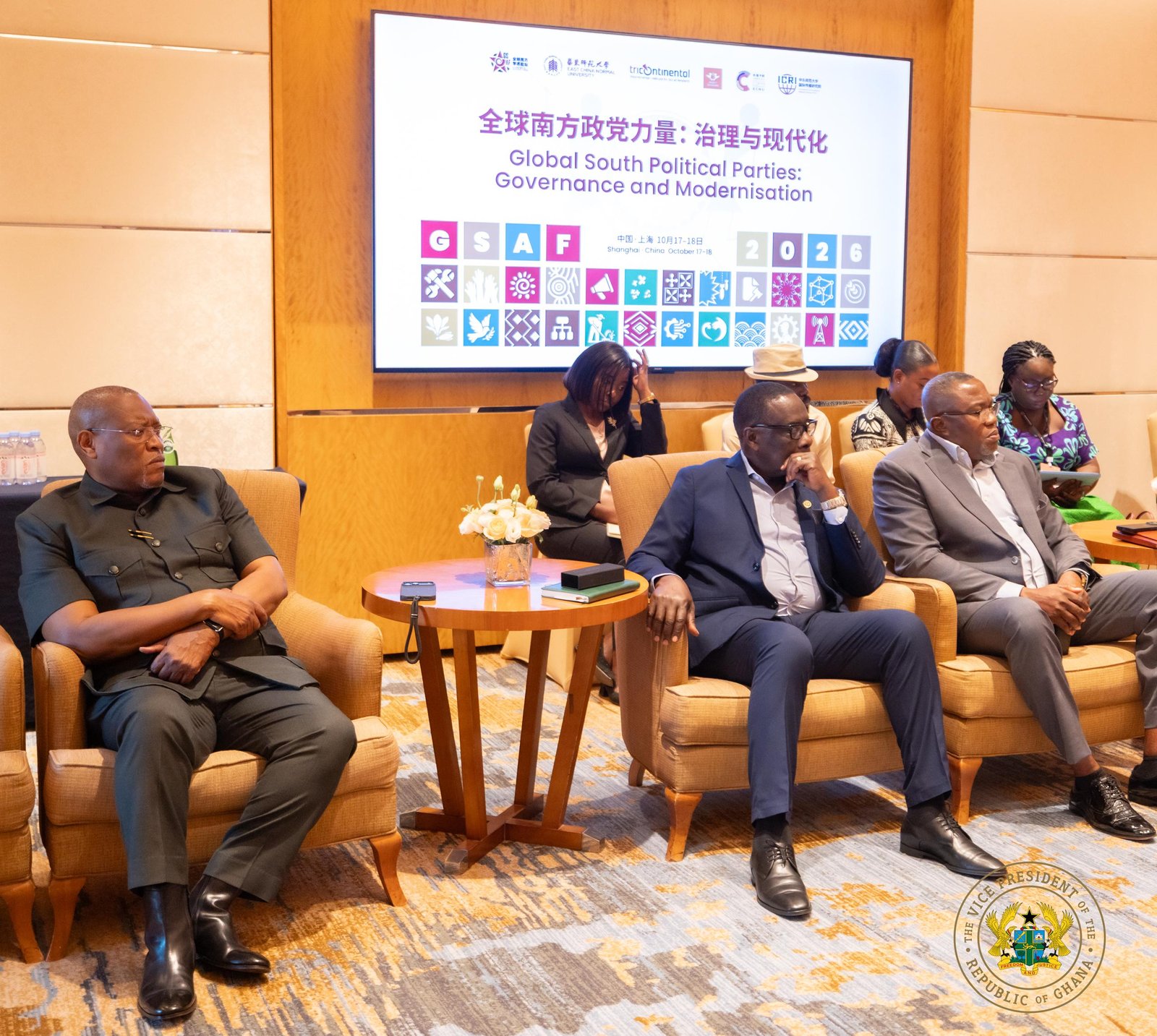
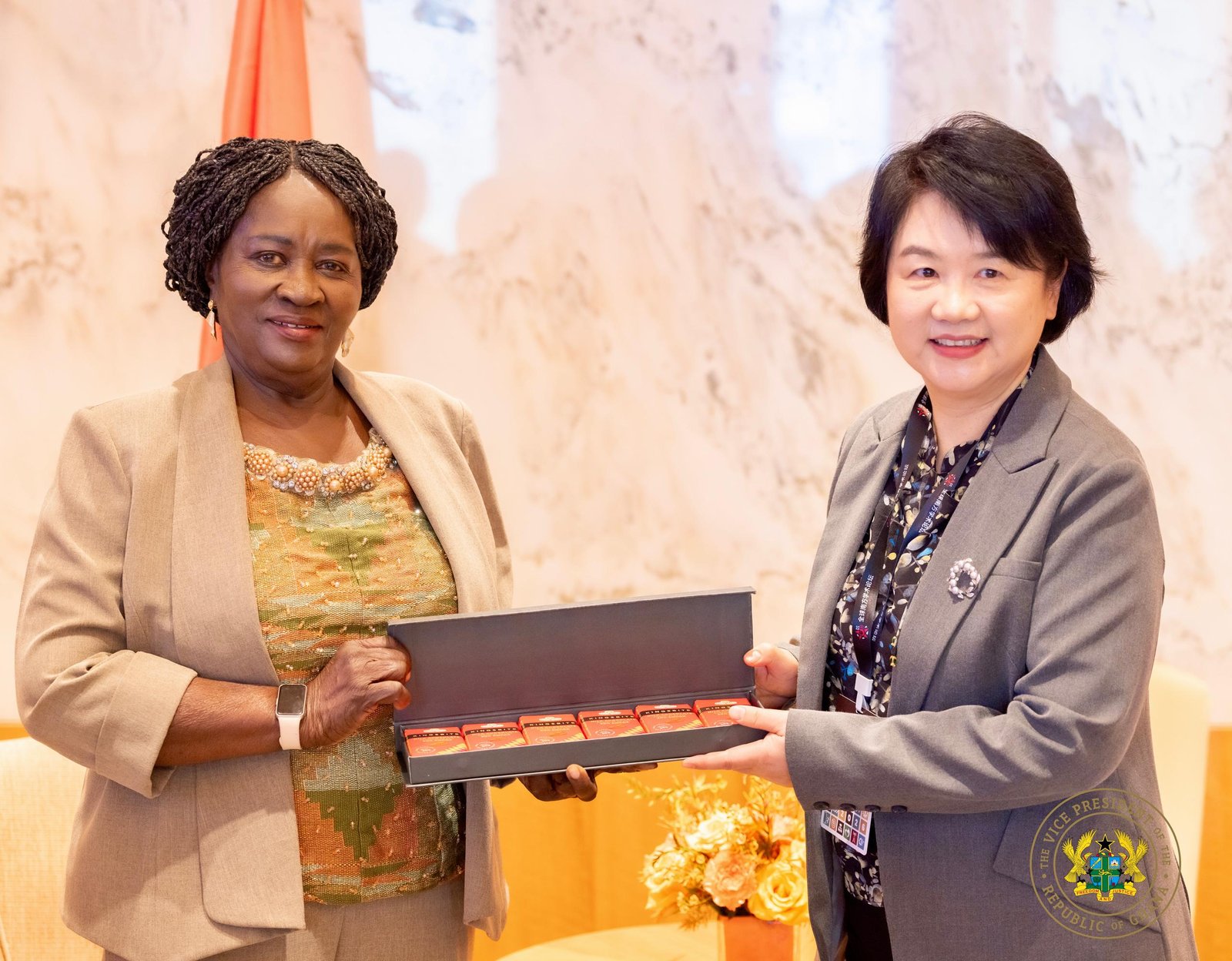
Vice President Professor Jane Naana Opoku-Agyemang has held high-level discussions with organisers of the 2026 Global South Academic Forum in Shanghai, seeking to draw lessons from China’s acclaimed rural revitalisation and poverty reduction drive.
The meeting, led by the Forum Chair, Professor Lu Xinyu, explored practical areas of cooperation and knowledge exchange between Ghana and China, with focus on community-driven development, fisheries and aquaculture, local governance, sports initiatives, and infrastructure development.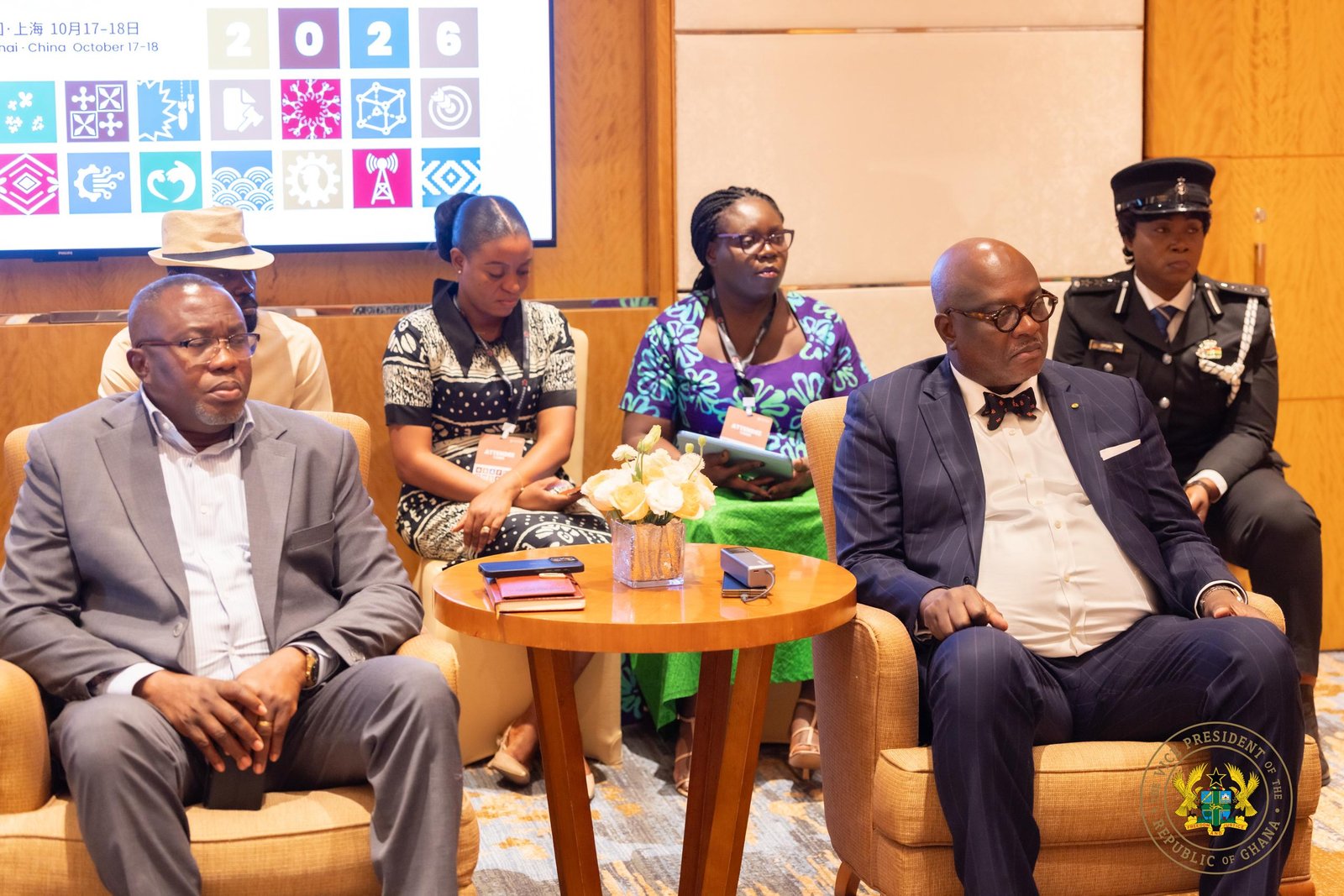
According to officials, the engagement is part of a broader effort by the Ghanaian government to study tested development models that can be adapted to the local context to promote inclusive growth, empower local communities, and improve livelihoods across the country.
China’s success in lifting over 800 million people out of poverty through targeted rural policies, investment in agriculture and local infrastructure has become a global reference point for developing nations.
The Vice President’s team says insights from the Forum will help inform policy direction, particularly in strengthening decentralised governance, boosting the fisheries and aquaculture sector, and investing in community-level infrastructure and youth sports development.
Professor Opoku-Agyemang is expected to continue engagements with academic and development institutions while in China.
By Edem Mensah-Tsotorme