News
Creative excellence meets corporate legacy in Ofori Sarpong’s birthday tribute

- /home/u249204778/domains/spectator.com.gh/public_html/wp-content/plugins/mvp-social-buttons/mvp-social-buttons.php on line 27
https://spectator.com.gh/wp-content/uploads/2026/05/Potrait-of-Ernest-Ofori-Sarpong-438x600.jpg&description=Creative excellence meets corporate legacy in Ofori Sarpong’s birthday tribute', 'pinterestShare', 'width=750,height=350'); return false;" title="Pin This Post">
- Share
- Tweet /home/u249204778/domains/spectator.com.gh/public_html/wp-content/plugins/mvp-social-buttons/mvp-social-buttons.php on line 72
https://spectator.com.gh/wp-content/uploads/2026/05/Potrait-of-Ernest-Ofori-Sarpong-438x600.jpg&description=Creative excellence meets corporate legacy in Ofori Sarpong’s birthday tribute', 'pinterestShare', 'width=750,height=350'); return false;" title="Pin This Post">
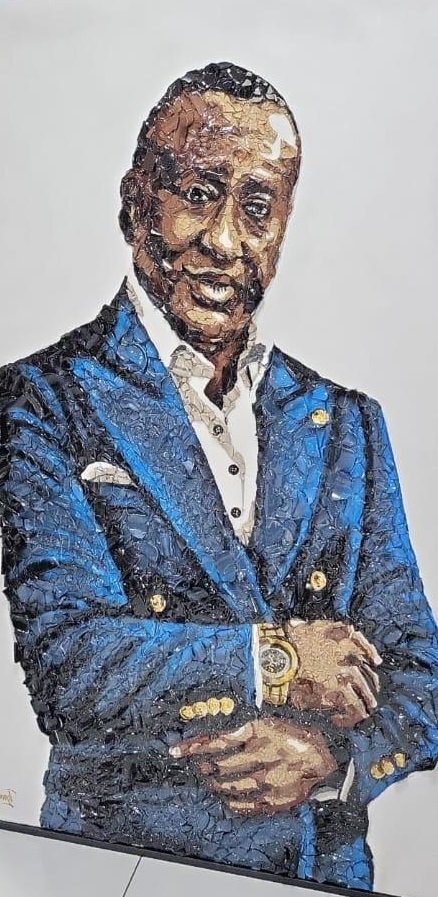
In a striking fusion of art, symbolism, sustainability, and admiration, Ghana’s renowned creative hub, Mac Bancy Gallery, has unveiled a monumental portrait of celebrated business magnate, Dr Ernest Ofori Sarpong, crafted entirely from unused broken bottles in honour of his milestone birthday celebration.
The extraordinary artwork, described by its creators as the first of its kind in Africa to be presented to a corporate leader, stands not only as a visual marvel but also as a profound statement on resilience, innovation, and transformation.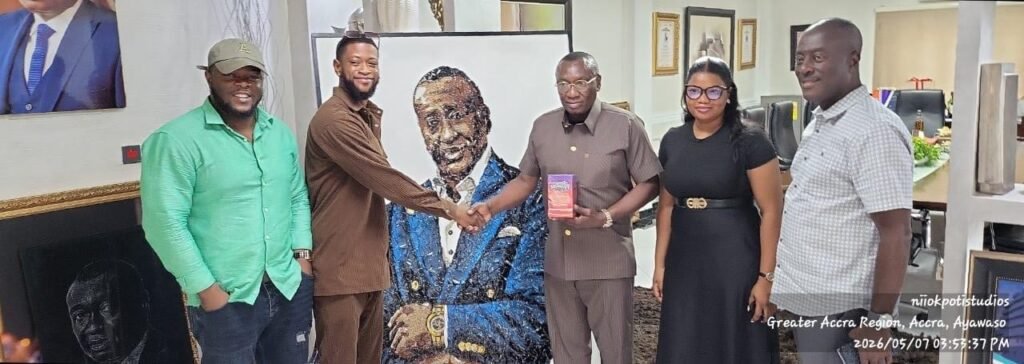
The portrait presentation formed part of the flood of tributes, goodwill messages, and commemorative gestures pouring from business associates, admirers, and well -wishers celebrating the enduring impact of Dr Ofori Sarpong on Ghana’s entrepreneurial and philanthropic landscape.
Inside the atmosphere of admiration and celebration, the unveiling of the giant recycled glass portrait instantly became one of the defining highlights of the occasion capturing the imagination of guests and reinforcing the growing intersection between African creativity and corporate legacy.
According to the lead artist of Mac Bancy Gallery, every carefully assembled fragment of broken bottle embedded in the portrait carries a deeper philosophical meaning tied to the life journey of Dr Ofori Sarpong.
“Broken pieces are often discarded and overlooked, yet when carefully refined and brought together, they can create something extraordinary,” the artist stated.
“This portrait reflects the story of perseverance, struggle, sacrifice, and transformation. It mirrors how challenges in life can ultimately become the foundation of greatness.
Dr Ofori Sarpong’s journey continues to inspire many young Africans to believe that setbacks can be transformed into success.”
The intricate masterpiece reportedly took weeks of painstaking craftsmanship, precision cutting, and detailed assembly to complete. Using recycled materials that would ordinarily be considered waste, the artists’ transformed shattered glass into an elegant tribute worthy of one of Ghana’s most influential corporate figures.
Observers described the artwork as both emotionally powerful and environmentally conscious, a celebration of creativity with a strong message about sustainability and innovation in modern Africa.
Receiving the portrait, Dr Ofori Sarpong expressed profound gratitude to the artists and praised the ingenuity behind the unconventional artistic approach.
“I am deeply honoured by this remarkable gesture,” he said.
“To see broken bottles transformed into such a meaningful masterpiece is truly inspiring. This is not just art; it is a lesson in creativity, resilience, and sustainability. We must continue encouraging innovation that transforms waste into value because that is the future of sustainable development.”
The respected entrepreneur further commended Ghana’s growing creative industry and emphasised the importance of investing in local talent capable of producing globally competitive works of art and innovation.
Widely admired for his contributions to business development and philanthropy, Dr Ofori Sarpong has built a reputation that extends far beyond the corporate world. Over the years, he has championed educational advancement, youth empowerment, entrepreneurship, and community development initiatives across Ghana.
For many observers, the symbolic presentation by Mac Bancy Gallery represents more than a birthday tribute; it is a celebration of visionary leadership, perseverance, and the ability to turn adversity into achievement.
As the applause echoed through the presentation ceremony, one message stood clear: greatness, much like broken glass transformed into art, is often forged through resilience, patience, and purpose.
“This portrait will remain special to me because it carries meaning beyond appearance,” Dr Ofori Sarpong added.
“I sincerely thank the artists for this thoughtful gift and pray for greater opportunities and blessings upon their craft.”
The presentation has since generated admiration among members of the business community, art enthusiasts, and social commentators, many describing the portrait as a groundbreaking artistic statement capable of placing Ghanaian contemporary art on a broader international stage.
By Spectator Reporter

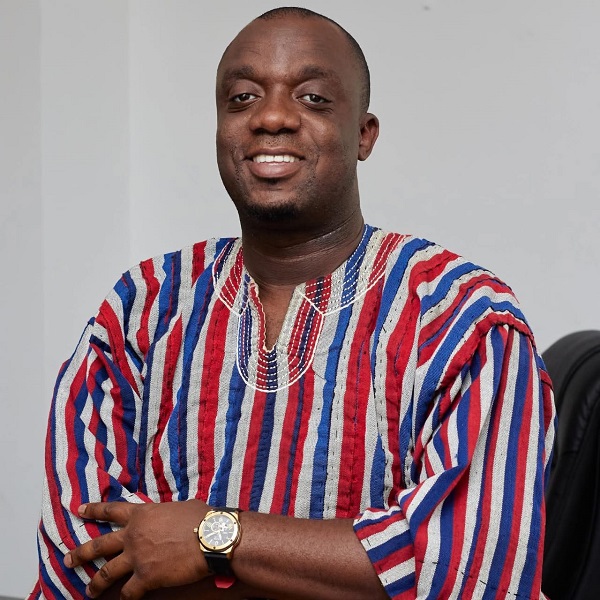
The New Patriotic Party (NPP) has directed all aspirants campaigning in the Greater Accra Region to suspend their campaign activities on August 5 and 6 and instead mobilise supporters for the party’s planned “Democracy Under Attack” demonstration.
The directive was issued by the party’s National Steering Committee in a statement signed by the NPP General Secretary, Justin Kodua Frimpong, on Tuesday.
According to the statement, the decision forms part of efforts to ensure a strong turnout for the demonstration, which is scheduled for Thursday, August 6, 2026.
The party said the protest would begin at 5:00 a.m., with participants expected to gather at the Supreme Court in Accra.
It further directed Regional, Constituency and Polling Station Executives in Greater Accra to work closely to mobilise members and supporters for the event.
“The National Steering Committee is calling on all aspirants currently campaigning across the Greater Accra Region to temporarily suspend their campaign activities on the 5th and 6th of August and join in mobilising support for the upcoming demonstration,” the statement noted.
The NPP appealed to party members and supporters to remain peaceful, disciplined and orderly throughout the protest.
The demonstration forms part of the party’s response to concerns it has raised over issues relating to Ghana’s democratic governance and the justice system.
The NPP leadership expressed confidence that party members would cooperate fully to ensure a successful and peaceful event.
By: Jacob Aggrey
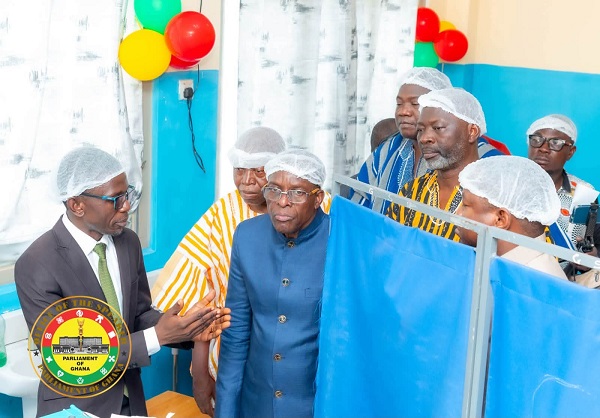
Speaker of Parliament Alban Sumana Kingsford Bagbin has commissioned an expanded dialysis unit at the Upper West Regional Hospital in Wa to improve access to kidney treatment for people in northern Ghana.
The project, estimated to cost about GH¢4 million, was undertaken in partnership with Sustainable Health Education and Interventions Limited (SHEILD), the Upper West Parliamentary Caucus, the Ministry of Health, the Ghana Health Service and other development partners.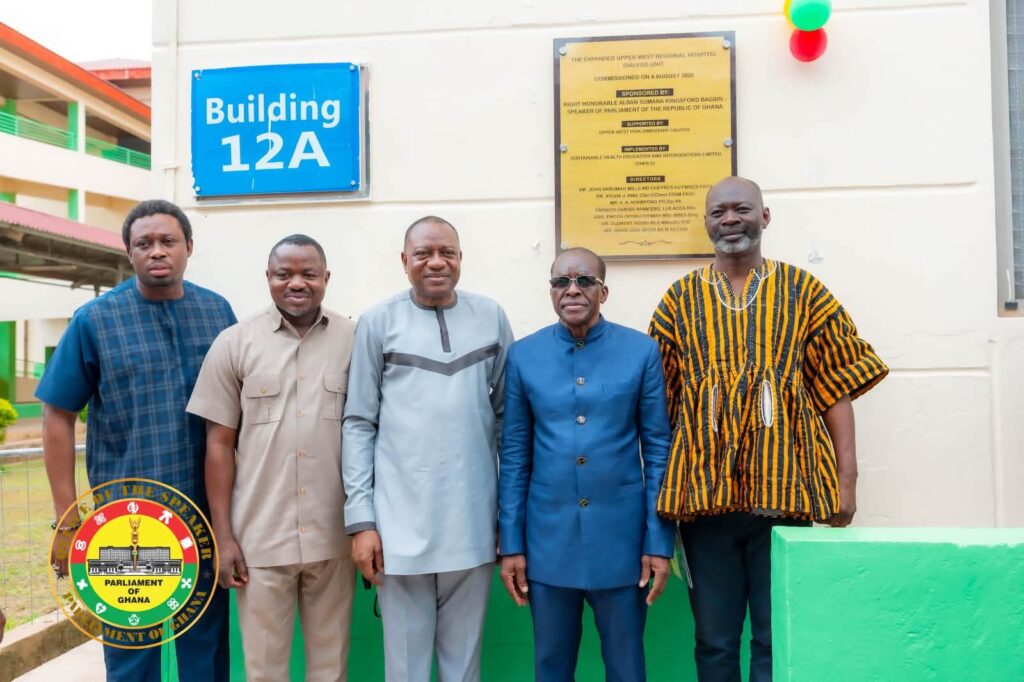
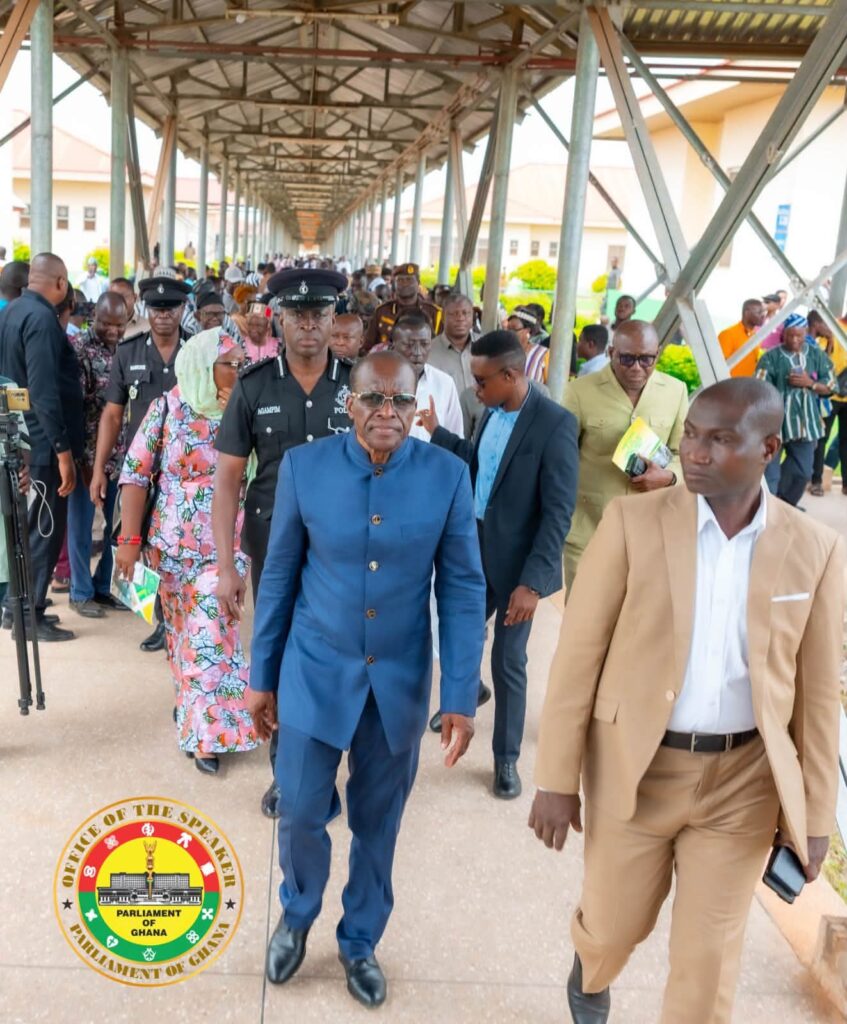
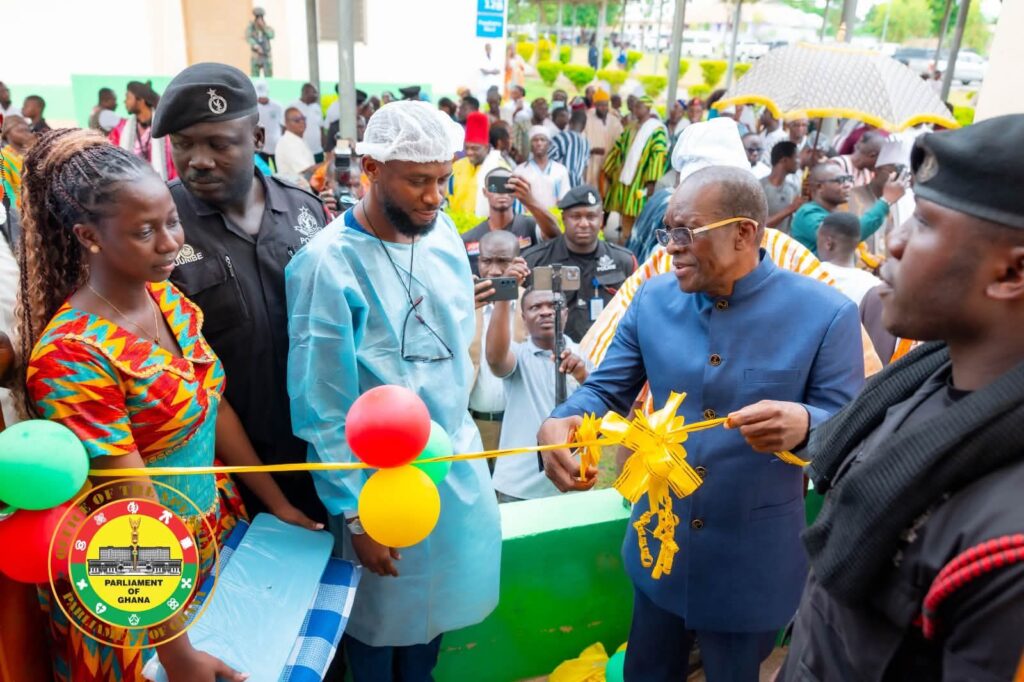
The new facility was inaugurated on Tuesday, August 4, 2026, in Wa. It adds six dialysis machines, supporting equipment and staff training to strengthen renal care services at the hospital.
According to the Parliamentary Service, the expansion is expected to reduce the burden on patients with chronic kidney disease who previously travelled long distances to Accra, Kumasi and other major cities for dialysis treatment.
Commissioning the facility, Mr Bagbin described the project as an important investment in healthcare equity and social justice.
He noted that many families in the Upper West Region struggle to access specialist kidney care because of distance and cost.
“The people of the Upper West deserve to live with dignity. We deserve access to quality healthcare,” he stated, adding that the facility would bring treatment closer to patients and their families.
He commended SHEILD and the other partners for supporting the project and called for continued collaboration to improve specialist healthcare services across the country.
Board Director of SHEILD, Dr Sylvie Anie, indicated that the organisation remained committed to addressing critical healthcare gaps through sustainable interventions.
She explained that the expanded dialysis unit represented hope for patients who had struggled for years to obtain specialised kidney treatment.
Another Board Director of SHEILD, Dr John Nkrumah Mills, stressed that sustainable healthcare required investment in people, systems, partnerships and continuous capacity building.
He noted that the project demonstrated what could be achieved when institutions worked together to improve patient care.
Medical Director of the Upper West Regional Hospital, Dr Philip K. K. Baabiineh, stated that the expanded unit would significantly improve the hospital’s ability to provide comprehensive renal care.
He observed that many patients previously had limited treatment options and often travelled under difficult conditions to receive dialysis.
The Minister for Health, Kwabena Mintah Akandoh, described the project as consistent with government’s efforts to expand specialist healthcare services and reduce regional disparities in access to treatment.
He encouraged stronger partnerships between government, private organisations, development partners and healthcare institutions to address the growing burden of non-communicable diseases.
The Parliamentary Service stated that chronic kidney disease was becoming a major public health challenge in Ghana, driven by increasing cases of hypertension, diabetes, obesity and late diagnosis.
It noted that access to dialysis services remained uneven, with most treatment centres concentrated in Accra and Kumasi, while many patients in northern Ghana faced high transport costs and long waiting times.
The commissioning ceremony was attended by government officials, traditional leaders, Members of Parliament, healthcare professionals, development partners, civil society organisations and community representatives.
By: Jacob Aggrey