News
Court dismisses bid to strike out charges in NPA UPPF corruption case

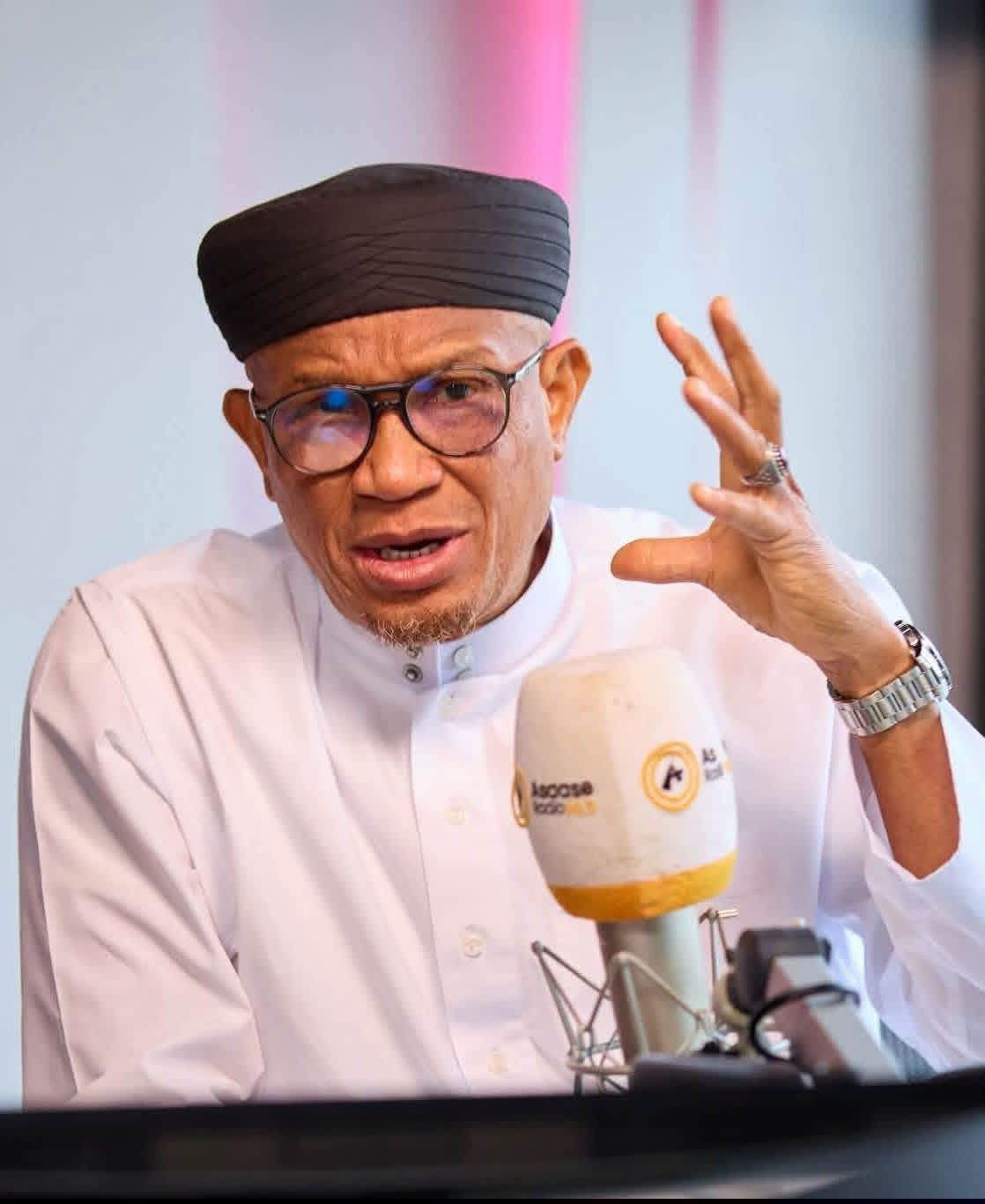
The High Court has dismissed an application by the accused persons in the ongoing National Petroleum Authority (NPA) and Unified Petroleum Pricing Fund (UPPF) corruption case seeking to have the charges against them struck out.
The ruling means the substantive trial will continue.
The case involves former Chief Executive Officer of the NPA, Mustapha Abdul-Hamid; former UPPF Coordinator, Jacob Kwamina Amuah; NPA staff member, Wendy Newman; Bright Bediako-Mensah; Kwaku Aboagye Acquaah; and three companies, Propnest Limited, Kel Logistics Limited and Kings Energy Limited.
The accused persons had asked the Court to strike out the charges brought against them.
However, the High Court dismissed the application, describing it as without merit.
The Republic has filed 54 charges against the accused persons, including corruption and corruption-related offences, extortion, money laundering and conspiracy to commit a crime.
According to the Republic, approximately GH¢291.57 million and US$332,407 was allegedly unlawfully obtained through a scheme involving officials of the NPA between 2022 and December 2024.
The prosecution further alleges that portions of the funds were channelled through companies linked to some of the accused persons.
It maintains that some of the money was subsequently used in transactions involving land, buildings, trucks and fuel stations.
With the Court dismissing the application to strike out the charges, the accused persons will now proceed with the substantive trial.
By: Jacob Aggrey

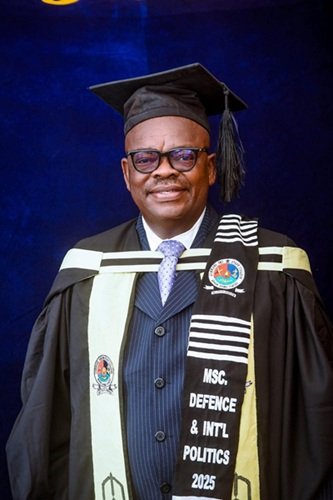
Management and staff of Owass FM have announced the passing of media personality, comedian and politician Seth Kwame Dzokoto following a medical emergency during a live morning show discussion at the station earlier today.
According to the station, Dzokoto was participating in a panel discussion on its morning show “Oman Nkoso” when he suddenly took ill and collapsed.
A statement from the station said its team immediately rushed him to the hospital for medical attention, but he was pronounced dead by the attending medical doctor upon arrival.
“We are deeply saddened by this unfortunate incident, which occurred in the course of our regular programming. Our thoughts and prayers are with his family, loved ones, colleagues, and all those who have been affected by his passing,” the statement said.
Management acknowledged that information about the incident is already circulating in the public domain, but appealed to the public and colleague media houses to respect the privacy of the bereaved family and refrain from circulating unverified information or speculation regarding the circumstances of his death.
Owass FM extended its heartfelt condolences to the family of Seth Kwame Dzokoto.
By Edem Mensah-Tsotorme

The State through the Attorney General (AG) has filed an appeal at the Supreme Court challenging the suspension of the trial in the case of The Republic v Hanan Aludiba and Faiza Seidu.
On Monday, the Court of Appeal suspended the trial in the case. But the prosecution says it has filed an appeal against the suspension order.
According to the update, the law does not allow a criminal trial to be suspended simply because an accused person has complained about some of the charges on the charge sheet, particularly when those complaints were dismissed as meritless.
It argues that if the Court of Appeal’s decision is allowed to stand, no prosecution will ever be possible, since all it would take for a trial to be suspended is an accused person complaining about anything on the charge sheet.
By Edem Mensah-Tsotorme