News
Chief of Staff urges Africans in diaspora to unite and tap opportunities in Ghana


- /home/u249204778/domains/spectator.com.gh/public_html/wp-content/plugins/mvp-social-buttons/mvp-social-buttons.php on line 27
https://spectator.com.gh/wp-content/uploads/2025/12/WhatsApp-Image-2025-12-26-at-09.26.54.jpeg&description=Chief of Staff urges Africans in diaspora to unite and tap opportunities in Ghana', 'pinterestShare', 'width=750,height=350'); return false;" title="Pin This Post">
- Share
- Tweet /home/u249204778/domains/spectator.com.gh/public_html/wp-content/plugins/mvp-social-buttons/mvp-social-buttons.php on line 72
https://spectator.com.gh/wp-content/uploads/2025/12/WhatsApp-Image-2025-12-26-at-09.26.54.jpeg&description=Chief of Staff urges Africans in diaspora to unite and tap opportunities in Ghana', 'pinterestShare', 'width=750,height=350'); return false;" title="Pin This Post">
The Chief of Staff, at the office of the Vice President, Alex Percival Segbefia has called on Africans in the diaspora to unite, reconnect with their roots and take advantage of opportunities in Ghana.
He said the call was necessary to strengthen shared identity, deepen consciousness about African heritage and harness the skills, influence and resources of Africans abroad to support national and continental development.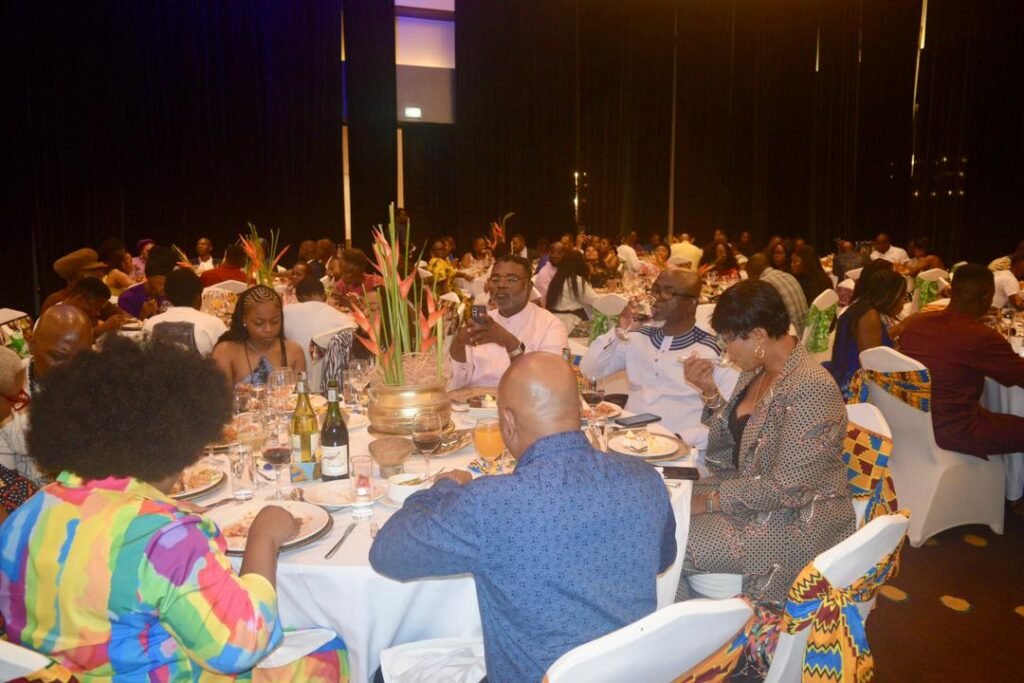
The Chief of Staff made the call at the Ghana Tourism Authority’s (GTA) dinner with the diaspora held in Accra on Sunday as part of the “December in Gh” celebration.
He noted that such engagements helped Africans at home and abroad to better understand their shared responsibility and what it truly means to be African, adding that speeches of that nature served as reminders of the need for unity.
“My choice to be here is not by accident,” he said, explaining that his personal background reflected the deep connections between Ghana and the diaspora.
Mr Percival Segbefia disclosed that his mother has roots in Barbados and that he is married to a woman from Trinidad and Tobago, underscoring the strong historical and cultural ties across the Atlantic.
Beyond personal connections, he said Ghana must do more to embrace its brothers and sisters in the diaspora and tap into the wealth of expertise, influence and networks they represent.
The Chief of Staff observed that many Ghanaians in the diaspora occupy influential positions in politics and business across the world, yet the country has not fully leveraged this unique opportunity.
He encouraged members of the diaspora to take advantage of the opportunity to return and contribute, stressing that it was important not only to feel a sense of belonging but also to recognise that they have a voice and a role to play in national development.
Welcoming guests, the Chief Executive Officer of GTA, Maame Efua Houadjeto, described the dinner as more than a formal gathering, but a moment of homecoming and a celebration of shared purpose and the enduring bond between Ghana and her global family.
She said December in Ghana continued to serve as a strong platform for reconnecting the diaspora to Ghana’s culture, people and the many opportunities the country offers.
She expressed gratitude for the invaluable contributions of the diaspora to Ghana’s development across tourism, the creative arts, business, investment and cultural exchange, noting that their presence reinforced the belief that Ghana was not only a destination but a home.
She said the Authority remained committed to strengthening Ghana’s cultural diplomacy and positioning the country as a leading destination for heritage tourism and global engagement.
Maame Efua Houadjeto expressed the hope that the dinner would serve as a catalyst for deeper collaboration, meaningful partnerships and a renewed collective commitment to telling Ghana’s story to the world.
The event brought together government officials, diaspora representatives and stakeholders in tourism and culture, and concluded with music and cultural performances.
BY STEPHANIE BIRIKORANG






The Office of the Special Prosecutor (OSP) has taken note of public allegations of extortion and related conduct made against the Minority Leader of Parliament, Alexander Afenyo-Markin.
The allegations were made by the Chief Executive of the Ghana Gold Board (GoldBod), Sammy Gyamfi.
In a brief statement, the OSP said it has also received a joint petition submitted by two persons, as well as two separate petitions from other persons, in relation to the same allegations.
“Given the nature of the allegations, the OSP will assess the case and determine whether it falls within its statutory mandate and whether further investigative action is warranted,” the statement said.
The development comes amid a heated public feud between the Minority in Parliament and the leadership of GoldBod over the operations of the Domestic Gold Purchase Programme.
The Minority, led by Afenyo-Markin, has accused GoldBod and the Bank of Ghana of causing a loss of over $1.7 billion, citing the International Monetary Fund’s August 2026 report. The Minority has vowed to pursue the matter as Parliament has reconvened for an emergency sitting.
GoldBod, on the other hand, has rejected claims by some NPP MPs, including Tano South MP Dr Gideon Boako, that it owes the Bank of Ghana GH¢1 billion in overdrafts, describing the claim as “false and malicious.”
In the latest twist, GoldBod CEO Sammy Gyamfi has accused the Minority Leader of extortion and related conduct, an allegation that has triggered petitions to the OSP.
The OSP is mandated under Act 959 to investigate and prosecute specific cases of alleged or suspected corruption and corruption-related offences involving public officers and politically exposed persons.
By Edem Mensah-Tsotorme

General Secretary of the New Patriotic Party (NPP), Justin Kodua Frimpong, has filed his nomination to contest the position of General Secretary again as the party begins its rebuilding efforts ahead of the 2028 general elections.
He was accompanied by party stalwarts and supporters who were in high spirits, expressing confidence that he is the right person to hold the position.
Speaking after filing his nomination, Mr Kodua Frimpong assured the rank and file of the party that he would not disappoint them.
“I can assure you that the faith the rank and file of the party have had in me, I will never disappoint them,” he said.
He also pledged to run a clean campaign devoid of personal attacks.
“I can assure you that our internal campaign will be devoid of personal attacks,” he told his fellow contestants and the rank and file of the party as he seeks to retain his position.
His tenure has seen the party through the 2024 general elections, where the NPP lost power to the National Democratic Congress (NDC) after eight years in government.
The party is currently in a rebuilding phase, with internal elections scheduled to elect new national executives to lead its reorganization towards the 2028 polls.
The General Secretary position is considered one of the most influential in the party’s administrative structure, responsible for the day-to-day running of the party secretariat and implementation of party decisions.
By Edem Mensah-Tsotorme