News
Chief of Staff eulogises late President John Evans Fiifi Atta Mills at 13th commemorative lecture


- /home/u249204778/domains/spectator.com.gh/public_html/wp-content/plugins/mvp-social-buttons/mvp-social-buttons.php on line 27
https://spectator.com.gh/wp-content/uploads/2025/07/WhatsApp-Image-2025-07-23-at-09.01.42.jpeg&description=Chief of Staff eulogises late President John Evans Fiifi Atta Mills at 13th commemorative lecture', 'pinterestShare', 'width=750,height=350'); return false;" title="Pin This Post">
- Share
- Tweet /home/u249204778/domains/spectator.com.gh/public_html/wp-content/plugins/mvp-social-buttons/mvp-social-buttons.php on line 72
https://spectator.com.gh/wp-content/uploads/2025/07/WhatsApp-Image-2025-07-23-at-09.01.42.jpeg&description=Chief of Staff eulogises late President John Evans Fiifi Atta Mills at 13th commemorative lecture', 'pinterestShare', 'width=750,height=350'); return false;" title="Pin This Post">
Chief of Staff, Julius Debrah, has paid glowing tribute to the late President, His Excellency John Evans Fiifi Atta Mills, describing him as a gift to Ghana and a leader who represented both the past and the future of the nation.
He delivered the praise during the 13th John Evans Atta Mills Commemorative Lecture held at the University of Professional Studies, Accra (UPSA) Tuesday, July 22, 2025.
The event drew participants from academia, politics, and civil society organizations (CSO’s) to honour the legacy of the late president
The lecture was organised by the John Evans Atta Mills Memorial Heritage under the theme “Atta Mills: A Case Study for the Fourth Republic.”
Mr.Debrah said President Mills was not only a man of strong personal values, but also someone shaped by the realities of Ghana’s political and social environment.
He said Mills served under Flight Lieutenant Jerry John Rawlings as Vice President, and by doing so, he bridged the gap between the country’s past and its democratic present.
He added that the late president understood what it meant for a nation to struggle with development, public mistrust, and corruption. Yet, through it all, he stood firm as a man of integrity who believed in courageous and principled leadership.
The Chief of Staff praised Professor Mills as a teacher of law and a jurist who had deep respect for the wishes and concerns of ordinary people.
According to him, the people silently longed for a leader who valued patriotism over partisanship, and Mills answered that call with humility and strength.
He noted that the professor’s leadership was not only the result of his personal beliefs and character but also the influence of family, environment, and social expectations.
He intimated that the unique blend of experience and empathy made Mills a true example for others to follow.
He described the late president as a father figure and an exceptional leader whose values must be passed on and called for the nurturing of future leaders in the spirit of Atta Mills.
“let’s raise leaders who will serve with honesty, wisdom, and love for the country” he urged.
The programme was attended by prominent people like the Vice President of the Republic of Ghana, Professor Naana Jane Opoku-Agyemang, Speaker of Parliament, Alban Sumana Kingsford Bagbin; Chairman of the National Democratic Congress (NDC), Johnson Asiedu Nketia, General Secretary of the NDC, Fifi Fiavi Kwetey and former Electoral Commission Chairperson, Mrs. Charlotte Osei.
By Jacob Aggrey








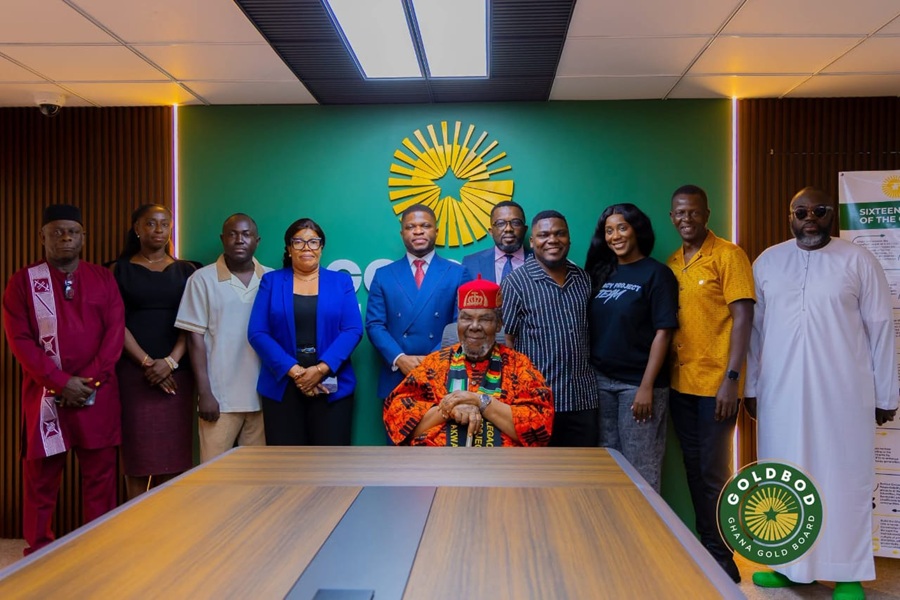
Veteran Nigerian actor and African screen legend, Pete Edochie, has paid a courtesy call on the Chief Executive Officer of the Ghana Gold Board (GoldBod), Sammy Gyamfi, during his visit to Ghana.
Edochie is in Ghana to launch the African Legacy Project, which includes a book, documentary film and an African Youth Mentorship Initiative targeting about 500,000 young people across the continent.
Mr. Gyamfi welcomed the opportunity for GoldBod to support the mentorship initiative, noting that it aligns with the Board’s Special Intervention Programme and its focus on social impact and economic empowerment.
GoldBod’s work is also referenced in Pete Edochie’s new book, which highlights Ghana’s efforts to ensure its gold resources contribute to national development.
By Edem Mensah-Tsotorme
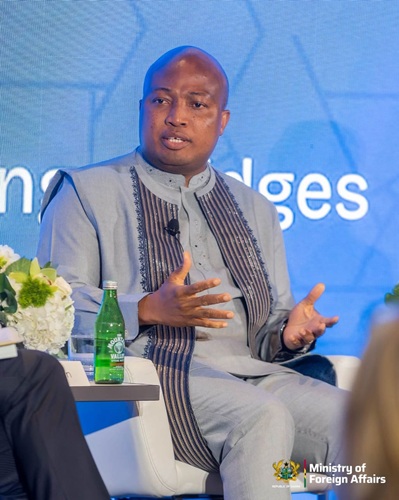
The Ministry of Foreign Affairs has warned Ghanaians seeking employment in Zambia to be cautious of fraudulent job offers that could expose them to human trafficking and forced involvement in cybercrime.
The warning follows the arrest of six Ghanaians in Lusaka, Zambia, during a joint operation by the Zambia Police Service, the Drug Enforcement Commission and the Department of Immigration on August 23, 2026.
According to the Ministry, the operation targeted a facility suspected of being involved in organised cybercrime activities and led to the arrest of 79 people, including 10 Zambians and 69 foreign nationals.
The Ministry said six of the foreign nationals arrested were Ghanaians.
It explained that reports received by the Ghana High Commission in Lusaka indicated that some of those arrested had been recruited through what appeared to be legitimate employment opportunities, including online data entry jobs.
However, the Ministry said some were allegedly forced into online scam activities after their passports were confiscated by their employers.
It warned that the situation highlights how human trafficking groups are using fake employment opportunities to lure unsuspecting job seekers into illegal activities.
The Ministry has therefore advised Ghanaians travelling to Zambia or seeking employment there to thoroughly verify job offers, recruitment agencies and prospective employers before travelling.
Ghanaians living in Zambia have also been urged to remain vigilant when responding to online job opportunities and maintain regular contact with the Ghana High Commission in Lusaka for consular assistance when necessary.
The Ministry said the government remains committed to protecting the welfare and interests of Ghanaians travelling to or living outside the country.
By: Jacob Aggrey