Nutrition
Chicken cheese salad


Chicken cheese salad is the ultimate recipe for all the fitness freaks. It has loads of protein in the form of chicken and cheese. Also, it has healthy carbs because it’s full of veggies. You don’t need to eat those boring salads when you have something so interesting, colourful, and delicious to eat. Ignore the fact that healthy is boring and try out this recipe. You would feel that instant cheese melts in your mouth with the goodness of veggies and chicken.
Ingredients
– 150 grammes boiled,cut into strips chicken breasts
– 50 grammes plain greek yoghurt
– 2 green olives
– 1 tablespoonful chopped spring onions
– 1/4 cup chopped baby lettuce
– Black pepper as required
– Chilli flakes as required
– 1/4 tablespoonful lemon juice
– 1/4 cup grated parmesan cheese
– 3 black olives
– 3 sliced cherry tomatoes
– 1/4 cup chopped onion
– Salt as required
– Oregano as required
– 2 tablespoonfuls extra virgin olive oil
- Step 1: Grill the chicken breast
Heat oil in a grilling pan and add boiled chicken breast pieces to it. Turn the breast when it gets cooked from one side. The pieces should turn light golden brown in colour. Transfer the grilled pieces to a plate.
- Step 2: Prepare the dressing for the salad
In a bowl, take green olives, black olives, cherry tomatoes, lettuce, onions, and yoghurt. Stir continuously to mix all the ingredients well. Then add 1/4 tablespoonful olive oil and lemon juice. Mix it again.
- Step: 3 Add in the grilled chicken pieces
Now, to the bowl add the grilled chicken pieces. Then add salt and pepper as per your taste. Toss the grilled chicken pieces in the dressing. Sprinkle some spring onions on the top and keep the bowl aside.
- Step 4: Melt cheese for the salad
In a bowl, take grated parmesan cheese and melt it in the oven. Once done, pour the cheese on the chicken salad.
- Step 5: Ready to serve
Your salad is almost ready. For seasoning, add chilli flakes and oregano on the top.
Source; recipes.timesofindia.com
Health benefits of cheese
-Cheese prevents osteoporosis
-Cheese is the best dietary source for calcium
-Cheese can reverse hypertension by lowering blood pressure
-Cheese benefits the immune system
-Cancer prevention
-Healthy bones
-Healthy heart
-Improves brain function
-Boosts immunity
-It provides strong teeth
Source; livelyrun.com


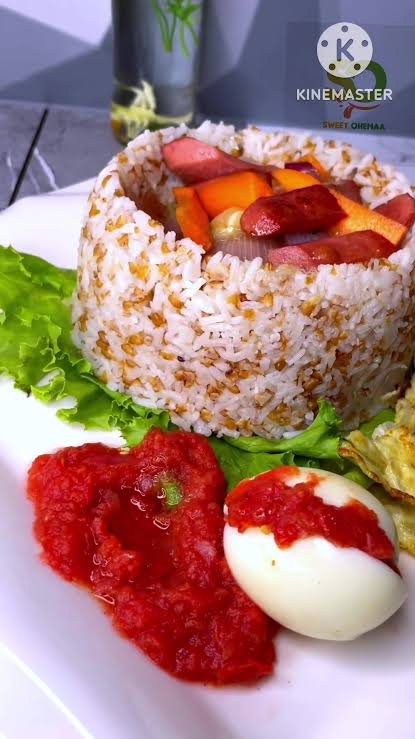
Ingredients
-Oil
-1 large onion
-2 cups of rice
-Salt
-2 cups of wheat
Preparation
-In a medium saucepan, heat oil over medium-low heat
-Add the onion and cook, stirring frequently, until soft and turns golden brown
-Wash rice and wheat and put into pan. Sauté for two to three minutes, until toasty and fragrant
-Add water and salt and allow to boil.
– Reduce heat to low and allow to simmer for 10 to 15 minutes until rice is tender and the water is absorbed.
-Taste the rice/wheat; if it is still a bit firm, add a few more tablespoons of water and cook a few more minutes.
-When the rice/wheat is ready, take it off the fire and serve hot
Benefits of wheat
–Improves digestion: High levels of insoluble fibre- wheat promotes regular bowel movements, prevent constipation, and support a healthy gut microbiome.
-Supports heart health: Whole-grain wheat helps lower LDL (bad) cholesterol, reduces blood pressure, and decreases the risk of stroke and heart disease.
-Aids weight management: Complex carbohydrates and dense fibre slow digestion, increase feelings of fullness, and help prevent sharp blood sugar spikes.
-Lowers type 2 diabetes risk: Steady glucose release and minerals like magnesium improve insulin sensitivity.
– Provides essential vitamins and minerals: Wheat supplies B vitamins, iron, magnesium, phosphorus, zinc, and selenium, which help build bones and boost immune function.
–Delivers Antioxidants: Compounds like phenolic acids, ferulic acid, and lutein protect cells from oxidative stress and support eye health.
SKIP THE QUEUE, TAP THE NEWS
You can now read the Ghanaian Times and The Spectator newspapers from the comfort of your device via TimesNewsPlus.
Join our WhatsApp Channel: https://whatsapp.com/channel/0029VbBElzjInlqHhl1aTU27

Ingredients
-4 cups of crushed corn
-1 cup of sugar
Method:
-Soak crushed corn for two or more days to ferment
-Boil the fermented corn for about 20-30 minutes until foamy substance is dried up
-Pour sugar in a saucepan and heat until almost burnt
-Strain water from the boiled corn and pour in the saucepan containing sugar
-Use a strainer to strain the chaff
-Allow to cool and store in refrigerator
– Serve with milk
By Linda Abrefi Wadie