Gender
Betrayal of trust: Understanding effects of abuse and assault on children

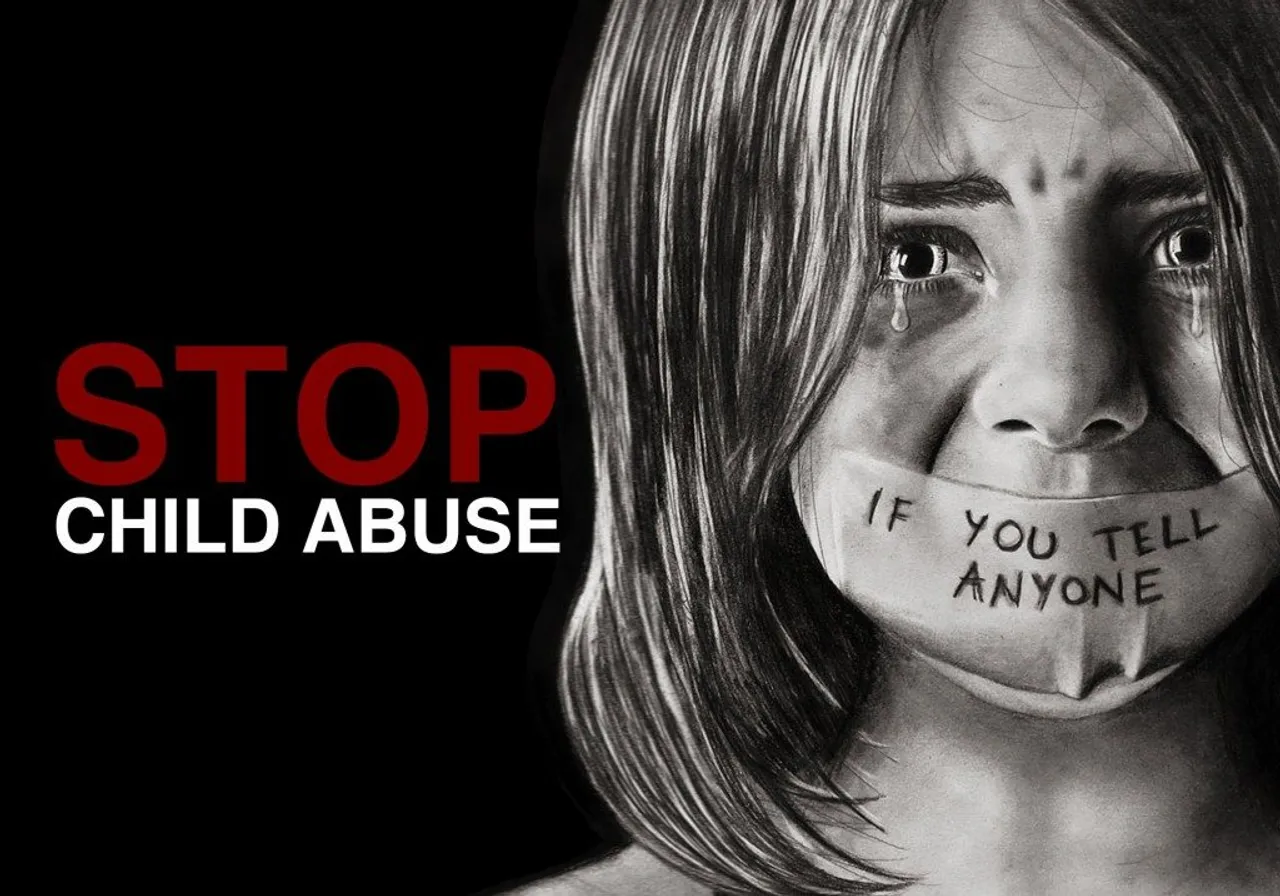
Mostly sexually abused victims are often abused by people they trust which can include family members, friends, acquaintances, or authority figures.
This makes it difficult for victims and the guardians to report the abuse or seek help as they may feel a sense of loyalty or obligation to the perpetrator.
Due to this sense of loyalty, many of such cases are either not reported to the police and are sometimes either settled at home with a little token as compensation or without it at all.
A typical case currently is that of Ransford, a 16-year-old footballer who is said to have been allegedly sodomised by the coach of his club, Siano Soccer Academy.
Unfortunately, Ransford died at the Komfo Anokye Teaching Hospital, after battling with severe illness which was as a result of the sexual abuse he had endured for the past three years.
Many of such cases occur and often remain hidden because of the person who committed the crime and also because victims do not believe the justice system.
Abuse of trust can have profound impact on victims, making them feel vulnerable, betrayed and powerless.
The Domestic Violence and Victims Support Unit (DOVVSU) exist to provide free services to members of the public; protect the rights of the vulnerable against all forms of abuse be it physical, sexual, emotional and psychological, socio-economic, or harmful cultural practices; establish an effective database for crime detection, prevention and prosecution.
The Unit also refer victims for medical services and specialised help to clinical psychologists; social workers from the Department of Social Welfare and counsellors attached to the Unit.
In February 2015, the government of Ghana approved its new Child and Family Welfare Policy which aims at preventing and protecting children from all forms of violence, abuse, neglect and exploitation.
The effects of sexual assault on children can have devastating, long-lasting and profound effects on the lives of victims and their loved ones.
These people abuse the trust to sexually exploit or assault minors. They groom, coerce, and deceive children and teens into committing sexual acts in person or online.
A report by the Ghana Statistical Service 2011 states that over 90 per cent of children report having experienced physical violence, both at home and in the school environment.
A paper on culture and nondisclosure of child sexual abuse in Ghana on behalf of the American Bar Foundation and authored by Kofi E. Boakye said the concept of patriarchy and its relation to rape and violence against women in general was given greater prominence.
It said further to the concept of patriarchy, and its excesses are false beliefs about (child) sexual abuse and its victims, also likely to negatively influence the disclosure of child abuse.
According to the paper, culture remains a crucial site for the construction and perpetuation of these misconceptions or false beliefs.
United Nations Childrens Fund (UNICEF)
According to the UNICEF the financial burden of child abuse in Ghana was estimated at more than USD 200 million per year or one per cent of Ghana’s GDP.
The estimated total number of children who have been physically or emotionally abused was noted at 3.4 million in Ghana.
According to UNICEF, issues that impede the prevention of violence against children include social norms, accepting and promoting the use of violence in schools, homes and other institutions as an effective way to manage the behaviour of children, laws permitting the use of “reasonable” punishment by parents against children.
Also insufficient allocation of resources to prevention and response programmes in all spheres, inadequate capacity of key government actors – including social workers, teachers, police, prosecution and courts – to prevent and respond
Other factors include lack of timely and continuous specialised management of child protection cases of violence, cultural practices inhibiting the ability of survivors of violence to come forward, and poor quality of care given to survivors of violence, which may put them to greater risk.
In 2015, UNICEF and its partners produced a Child Protection Community Facilitation Manual and toolkits containing games and activities that are designed to stimulate community reflection on child protection issues and encourage local action.
In November 2017, UNICEF with support from the Government of Ghana launched the ‘Ghanaians Against Child Abuse’ (GACA) campaign, which runs in line with the government’s Child and Family Welfare and Justice for Children policies that are helping to strengthen the child protection system in Ghana.
The campaign is using various channels including social media, traditional media, mobile theatre to create awareness on child abuse issues whilst mobilising national support to provide a safe and protective environment for children.
It is anticipated that this movement will help change the narrative of how Ghanaians protect their children.
Breaking the silence around sexual abuse and assault is crucial to preventing crimes and supporting victims.
Talking about assault has its advantages although it might be difficult for the victims to identify them.
Breaking the silence, victims talking about their experience, sharing their suffering, understanding what happened to them and the impacts on their lives and establishing relationships based on trust can contribute to giving them tools to regain their confidence.
Also education plays a crucial role in preventing any form of child sexual abuse when a child is educated on the effects of sexual abuse it arms then as well as their parents, trusted adults and educators with crucial information to keep kids safe either at home or online.
It empowers the children and their guardians with the knowledge and tools they need to protect themselves.
Also, the fight against child abuse or assault transcends borders and requires collaboration between law enforcement, non-governmental organisations, parents and educators, and the public at large.
There is therefore the need for partnerships to amplify the impact of abuse and assault on children and need for a coordinated response to fight a crime of child sexual abuse.







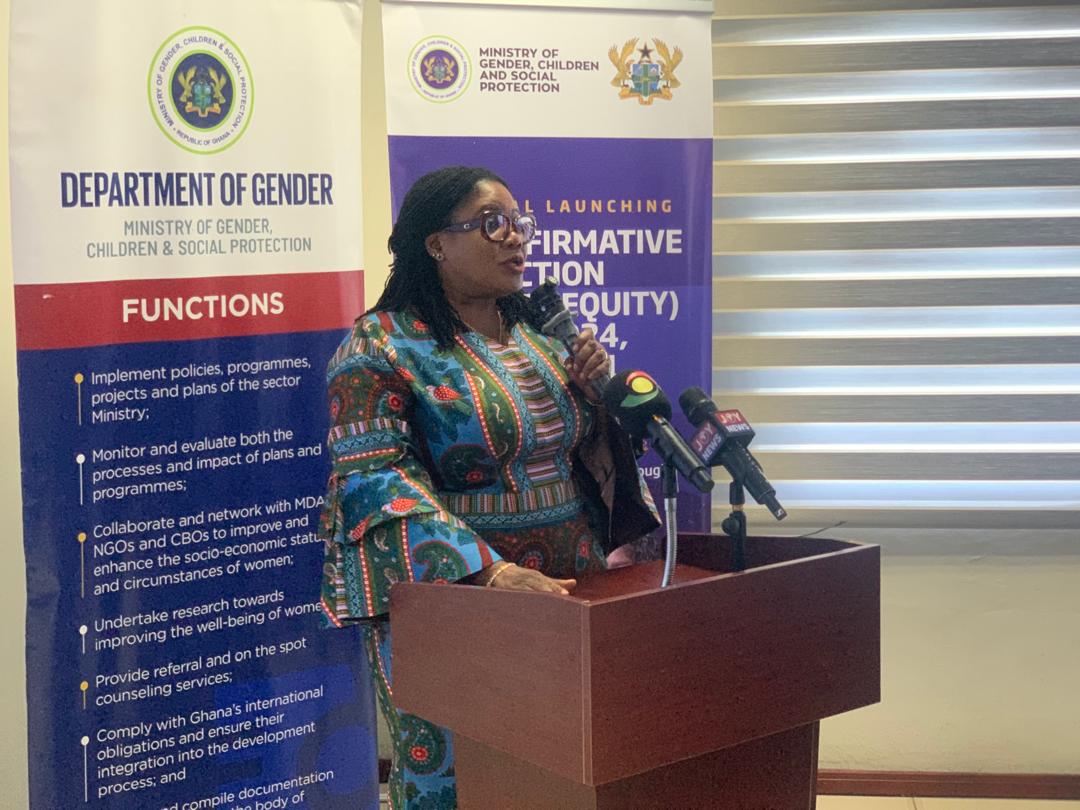
Gender equality should not be left to women alone, but requires the active participation of men and other stakeholders, the Minister for Gender, Children and Social Protection, Dr Agnes Naa Momo Lartey, has said.
She said gender equality was a national development issue and not a matter concerning only women, stressing that both men and women had important roles to play in creating an inclusive society.
Dr Lartey said this last Thursday in Accra at a capacity workshop on the implementation of the Affirmative Action (Gender Equity) Act, 2024.
The workshop was aimed at helping journalists understand the provisions of the Act, strengthen their capacity to communicate gender equity issues and promote accurate, balance reporting on the implementation of the Act.
Ghana could not achieve meaningful development if one section of society was excluded from participating fully in leadership, decision-making and other areas of national development.
“It is not about a group of people. It is not about one of the sexes. It is about the nation. It is about the country,” she said.
She called for stronger commitment to translating the Affirmative Action (Gender Equity) Act, 2024 (Act 1121), into practical action to improve women’s participation in leadership and decision-making.
She said the passage of the law should not be considered the end of the process, but rather the beginning of deliberate efforts to ensure that its objectives were achieved.
Dr Lartey said increasing the number of women in leadership was important, but their participation must also have a meaningful impact on national development.
“We want it to count,” she stressed, calling for practical initiatives that would move the affirmative action agenda from policy to implementation.
The Executive Director of Women, Media and Change (WOMEC), Dr Charity Binka, also urged the media to play a critical role in ensuring the effective implementation of the Act.
She said Ghana had taken an important step by passing the law after 13 years of efforts, but the real test was its implementation.
According to Dr Binka, the Act requires 30 per cent representation of women in leadership and decision-making by 2026, rising to 50 per cent by 2030.
She urged the media to inform the public about the law, monitor institutions’ compliance and challenge stereotypes that undermine women’s leadership.
Dr Binka urged journalists to ensure institutions were complying with requirements, including Gender Equity Policies, Compliance Certificates and annual reports.
She said affirmative action was not about replacing merit with gender, but addressing structural barriers that had historically limited qualified women’s opportunities to participate and lead.
She called for stronger collaboration among government, civil society, traditional and religious leaders, the private sector, the media and other stakeholders to turn the law into measurable results for women and girls.
By Esinam Jemima Kuatsinu
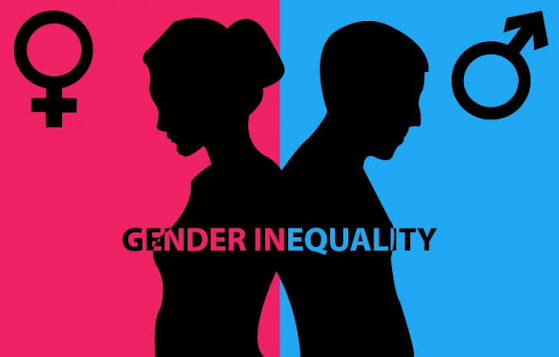
The United Nations has warned, that Gender equality is “woefully off track.”
At the current rate of progress, gender equality would take 171 years to achieve, the UN’s Gender Snapshot report said.
The number of countries with a woman as head of state or government has increased from 2020 to 2026. “Yet six in seven countries are still led by men.
Women’s representation in national cabinets declined to 22.4 per cent in 2026, after peaking at 23.3 per cent in 2024,” the report said. “The decline is a warning sign that gains cannot be taken for granted, and that progress towards equal political power remains fragile.”
Funding for gender equality has fallen to its lowest level since 2021, the report found. At the same time, 42 per cent of UN agencies reported that their efforts to promote gender equality had been weakened, as a result of budget cuts.
Millions of women also continued to endure some extremely severe forms of violence and discrimination across the globe, the UN said. Nearly one in five girls is married before the age of 18, and nearly one in three women globally have survived partner or sexual violence in their lifetime.
In the past year, 316 million women experienced physical or sexual violence by an intimate partner, the report said.
UN Under-Secretary-General for Economic and Social Affairs, Li Junhua, said the statistics were not inevitable. “It is the result of choices, made visible through data. Investing in gender equality, institutions, and the statistical systems that hold them to account is not a cost. It is the fastest route back to the 2030 Agenda’s promise of equal power for all.”-GNA
SKIP THE QUEUE, TAP THE NEWS
You can now read the Ghanaian Times and The Spectator newspapers from the comfort of your device via TimesNewsPlus.
Join our WhatsApp Channel: https://whatsapp.com/channel/0029VbBElzjInlqHhl1aTU27