/home/u249204778/domains/spectator.com.gh/public_html/wp-content/themes/zox-news/parts/post-single.php on line 153
">
Warning: Undefined array key 0 in /home/u249204778/domains/spectator.com.gh/public_html/wp-content/themes/zox-news/parts/post-single.php on line 153
Warning: Attempt to read property "cat_name" on null in /home/u249204778/domains/spectator.com.gh/public_html/wp-content/themes/zox-news/parts/post-single.php on line 153
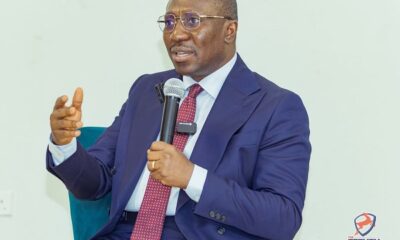
AloisKöhle explains how you can start making money from cryptocurrency


- /home/u249204778/domains/spectator.com.gh/public_html/wp-content/plugins/mvp-social-buttons/mvp-social-buttons.php on line 27
https://spectator.com.gh/wp-content/uploads/2021/05/WhatsApp-Image-2021-05-07-at-08.07.59.jpeg&description=AloisKöhle explains how you can start making money from cryptocurrency', 'pinterestShare', 'width=750,height=350'); return false;" title="Pin This Post">
- Share
- Tweet /home/u249204778/domains/spectator.com.gh/public_html/wp-content/plugins/mvp-social-buttons/mvp-social-buttons.php on line 72
https://spectator.com.gh/wp-content/uploads/2021/05/WhatsApp-Image-2021-05-07-at-08.07.59.jpeg&description=AloisKöhle explains how you can start making money from cryptocurrency', 'pinterestShare', 'width=750,height=350'); return false;" title="Pin This Post">
With everything that is happening in our world today, cryptocurrency is becoming an increasingly favored investment choice, as experts turn away from traditional markets to look towards the future. Since its inception, crypto has taken the world by storm with its unique and decentralized structure, allowing for improvements in our overall economic system. Crypto is an excellent investment, and here, AloisKöhle shares five reasons you should start trading in crypto today.
A diverse entrepreneur from Vienna, Austria, AloisKöhle set his sights on real estate, online marketing, and crypto. “The world is changing rapidly,” states Alois. “It’s important to embrace what is new and available as we seek returns on the new world ahead of us, instead of clinging on to the past.” According to Alois, crypto is an excellent option today for all investors. You just have to know why and what you are doing
1. Availability
“Cryptocurrency can be traded 24 hours a day, seven days a week,” says Alois. “You don’t have to wait for markets to open, and transactions are directly made between individuals with no middlemen involved.”
2. Safer Alternative
“As experts predict further stock market crashes and fluctuations, cryptocurrency may present a safer investment strategy due to its independence,” explains Alois. “Crypto flourished after the 2008 stock market crash, and experts are predicting it will continue to do the same.”
3. High Liquidity
“Liquidity is important in any investment, and that is what makes crypto so appealing,” states Alois. “The more liquid the asset is, the easier it is to use, and the ease at which you can buy and sell crypto promotes high liquidity.”
4. Volatility
“People see volatility and immediately run away, but crypto’s volatility actually makes it a great investment option because it promotes unbelievable growth and high returns,” explains Alois. “It’s just about ensuring you have the right risk management strategy to complement your investments.”
5. Straightforwardness
“With crypto, there is no paperwork, there are no banks and no threshold on how much money you need to play,” says Alois. “Its structure is relatively simple and represents an opportunity for investors without the entry barriers of traditional investments.”
AloisKöhle understands that cryptocurrency might seem intimidating to the new investor at first, but by knowing these five truths, anyone can get into crypto-trading successfully.

Warning: Undefined array key 0 in /home/u249204778/domains/spectator.com.gh/public_html/wp-content/themes/zox-news/parts/post-single.php on line 493
Warning: Attempt to read property "cat_ID" on null in /home/u249204778/domains/spectator.com.gh/public_html/wp-content/themes/zox-news/parts/post-single.php on line 493


The Office of the Special Prosecutor (OSP) has taken note of public allegations of extortion and related conduct made against the Minority Leader of Parliament, Alexander Afenyo-Markin.
The allegations were made by the Chief Executive of the Ghana Gold Board (GoldBod), Sammy Gyamfi.
In a brief statement, the OSP said it has also received a joint petition submitted by two persons, as well as two separate petitions from other persons, in relation to the same allegations.
“Given the nature of the allegations, the OSP will assess the case and determine whether it falls within its statutory mandate and whether further investigative action is warranted,” the statement said.
The development comes amid a heated public feud between the Minority in Parliament and the leadership of GoldBod over the operations of the Domestic Gold Purchase Programme.
The Minority, led by Afenyo-Markin, has accused GoldBod and the Bank of Ghana of causing a loss of over $1.7 billion, citing the International Monetary Fund’s August 2026 report. The Minority has vowed to pursue the matter as Parliament has reconvened for an emergency sitting.
GoldBod, on the other hand, has rejected claims by some NPP MPs, including Tano South MP Dr Gideon Boako, that it owes the Bank of Ghana GH¢1 billion in overdrafts, describing the claim as “false and malicious.”
In the latest twist, GoldBod CEO Sammy Gyamfi has accused the Minority Leader of extortion and related conduct, an allegation that has triggered petitions to the OSP.
The OSP is mandated under Act 959 to investigate and prosecute specific cases of alleged or suspected corruption and corruption-related offences involving public officers and politically exposed persons.
By Edem Mensah-Tsotorme

General Secretary of the New Patriotic Party (NPP), Justin Kodua Frimpong, has filed his nomination to contest the position of General Secretary again as the party begins its rebuilding efforts ahead of the 2028 general elections.
He was accompanied by party stalwarts and supporters who were in high spirits, expressing confidence that he is the right person to hold the position.
Speaking after filing his nomination, Mr Kodua Frimpong assured the rank and file of the party that he would not disappoint them.
“I can assure you that the faith the rank and file of the party have had in me, I will never disappoint them,” he said.
He also pledged to run a clean campaign devoid of personal attacks.
“I can assure you that our internal campaign will be devoid of personal attacks,” he told his fellow contestants and the rank and file of the party as he seeks to retain his position.
His tenure has seen the party through the 2024 general elections, where the NPP lost power to the National Democratic Congress (NDC) after eight years in government.
The party is currently in a rebuilding phase, with internal elections scheduled to elect new national executives to lead its reorganization towards the 2028 polls.
The General Secretary position is considered one of the most influential in the party’s administrative structure, responsible for the day-to-day running of the party secretariat and implementation of party decisions.
By Edem Mensah-Tsotorme