Fashion
AhemaKlodin, a blend of Ghana’s cultural heritage


- /home/u249204778/domains/spectator.com.gh/public_html/wp-content/plugins/mvp-social-buttons/mvp-social-buttons.php on line 27
https://spectator.com.gh/wp-content/uploads/2021/06/IMG-20210310-WA0001.jpg&description=AhemaKlodin, a blend of Ghana’s cultural heritage', 'pinterestShare', 'width=750,height=350'); return false;" title="Pin This Post">
- Share
- Tweet /home/u249204778/domains/spectator.com.gh/public_html/wp-content/plugins/mvp-social-buttons/mvp-social-buttons.php on line 72
https://spectator.com.gh/wp-content/uploads/2021/06/IMG-20210310-WA0001.jpg&description=AhemaKlodin, a blend of Ghana’s cultural heritage', 'pinterestShare', 'width=750,height=350'); return false;" title="Pin This Post">
Over the years, there has been a growing desire for African designs, however, blending it with one’s cultural heritage is a trait difficult to cone by.
Fashion brand, Ahemaklodin, which is fast becoming the choice for most females with their unique designs which suit all body types , perfectly blends designs with the Ghanaian cultural heritage.
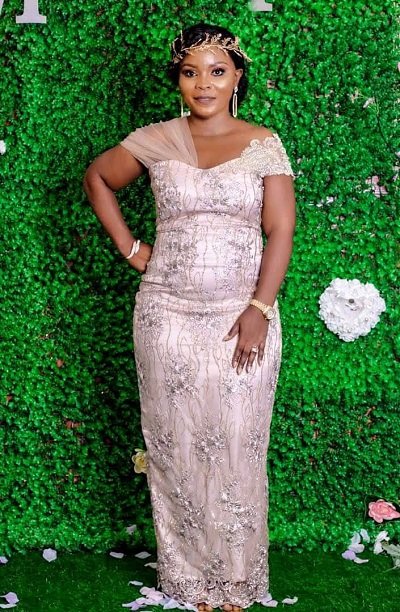
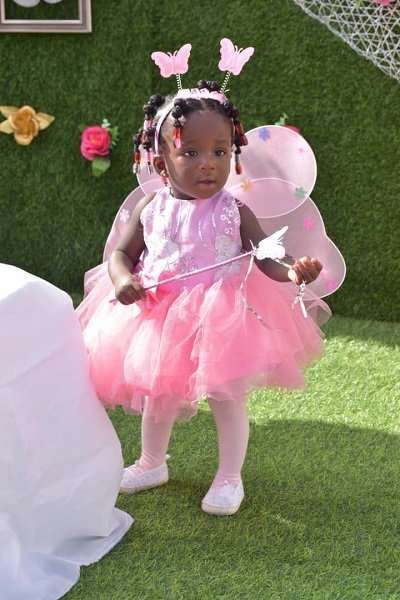
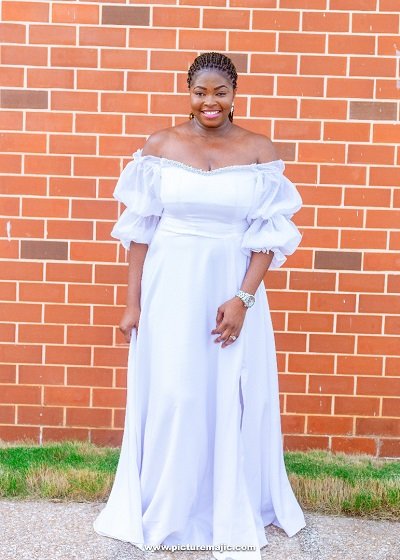
They achieved this by combination of African prints, kente and carving a niche
to satisfy everyone and make them stand out at occasions.
The Chief Executive Officer (CEO) of Ahemaklodin, Mrs. Tamar Ahema Abayateye told the Spectator that she had always worked to create a brand that would suit everyone regardless of their age and body type.
For children especially, she said, that Ahemaklodin would soon launch the AhemaKids brand that would focus solely on providing outfits for them (children.)
She urged all to patronise local designers to push the Made in Ghana initiative as well as preserve Ghanaian culture and heritage.
“I also believe in the Made in Ghana initiative and that Ghanaians should wear and patronise our own as local designers can create outfits to satisfy the market,” she stated.


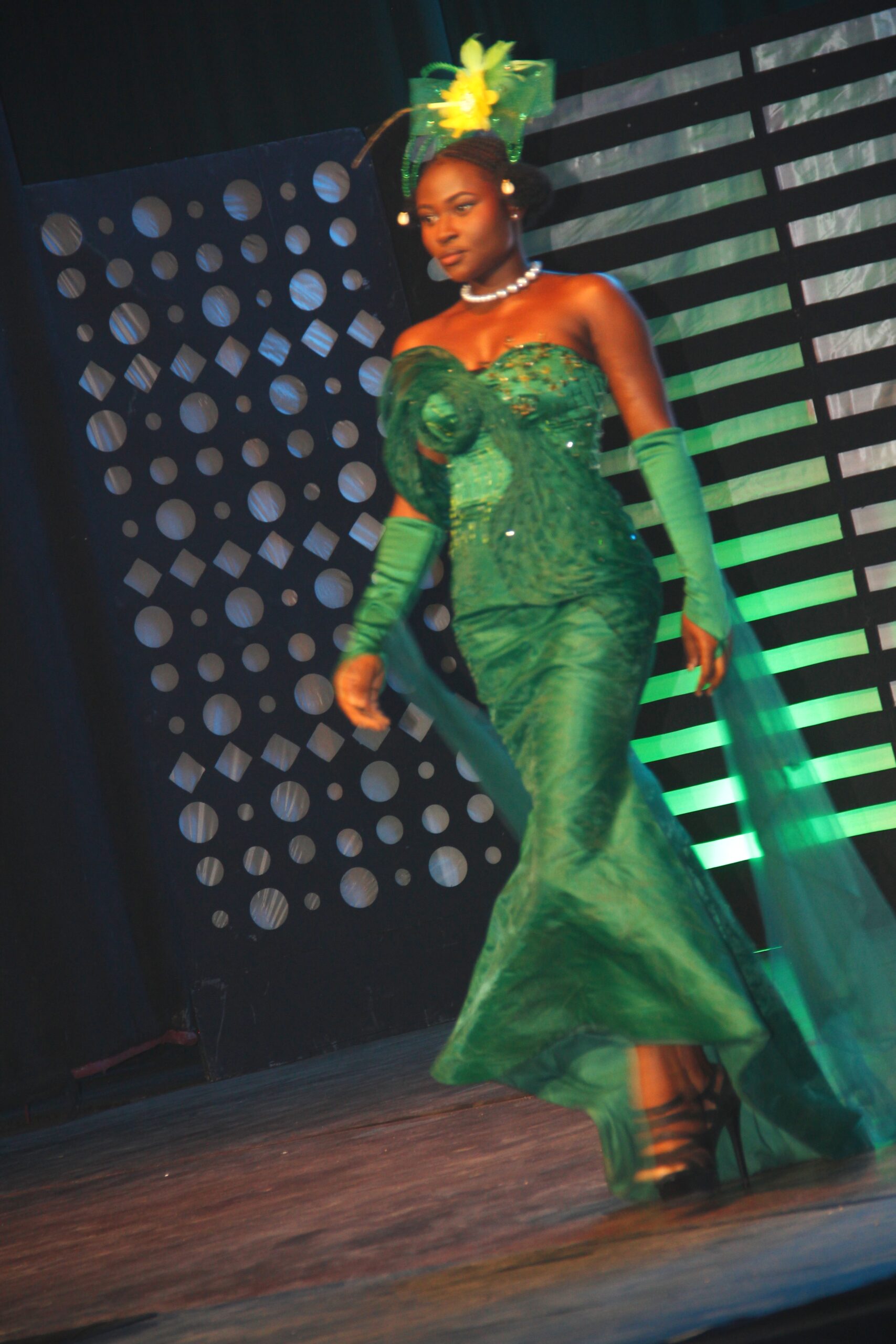
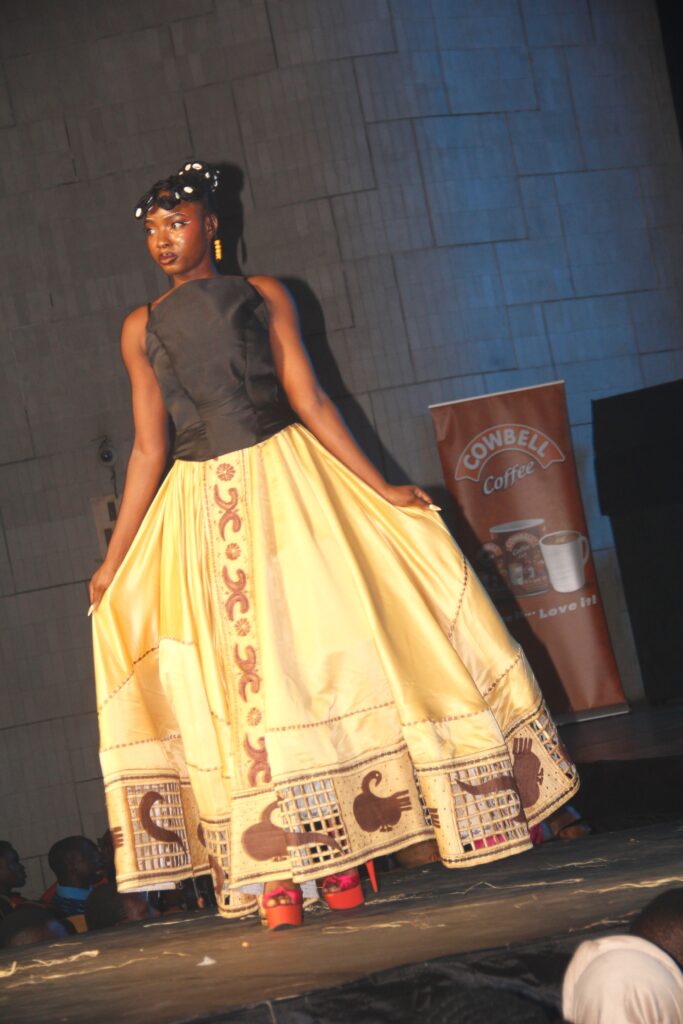
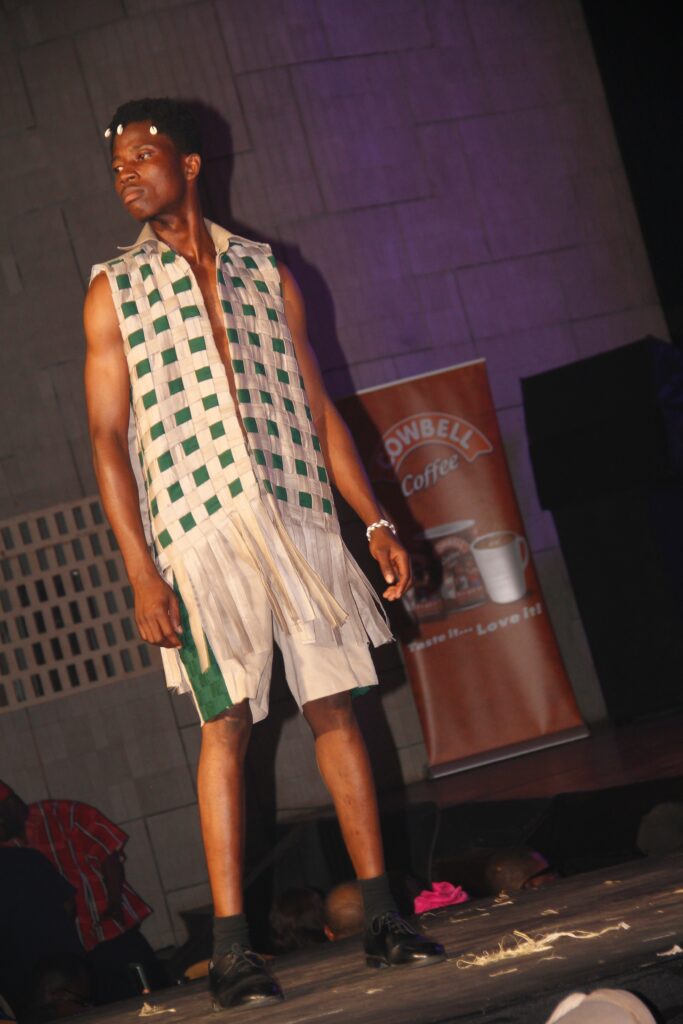
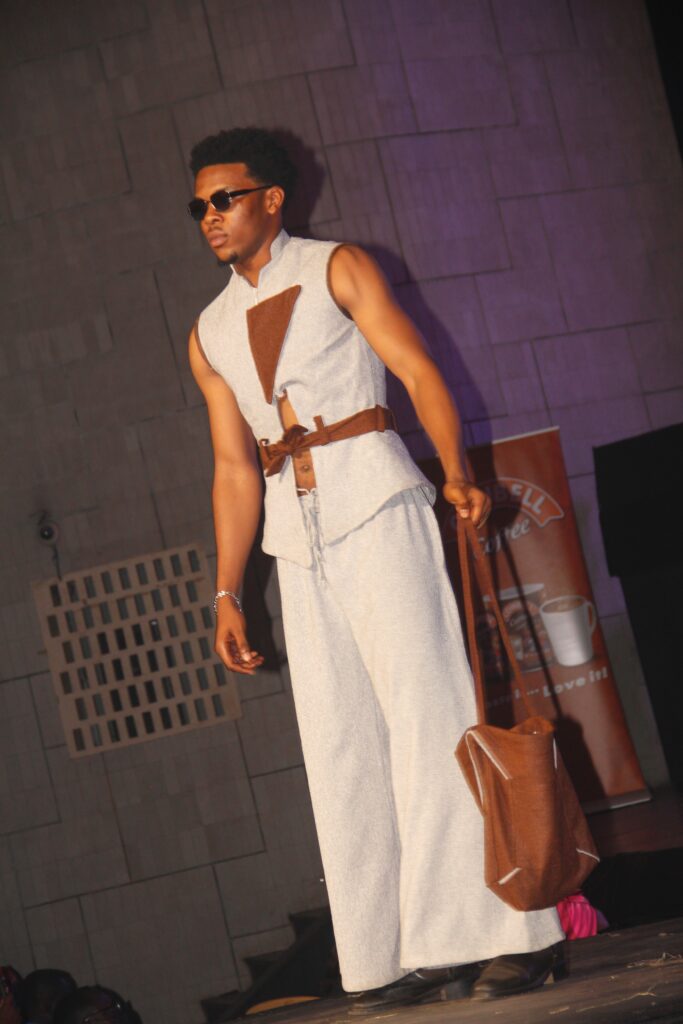
Final-year students of the Accra Technical University (ATU) Department of Fashion Design and Textile Technology on Friday showcased their creativity and craftsmanship in Accra.
The annual event held under the theme: ‘Wear Your Culture: Tradition Meets Modernity,’ saw 366 students showcased various designs as part of their final year practical work.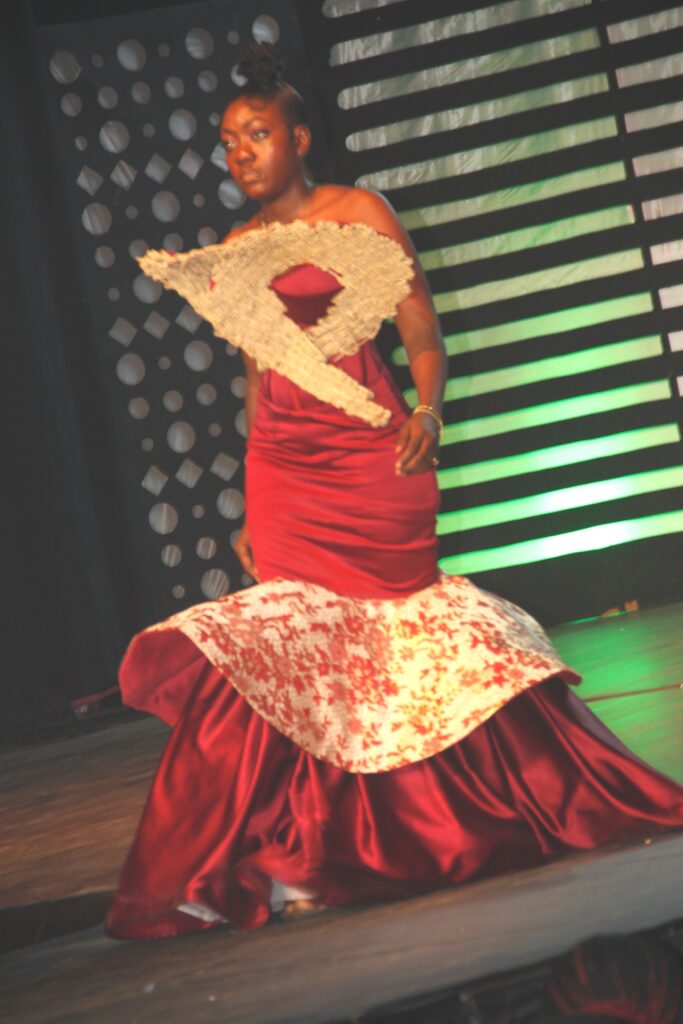
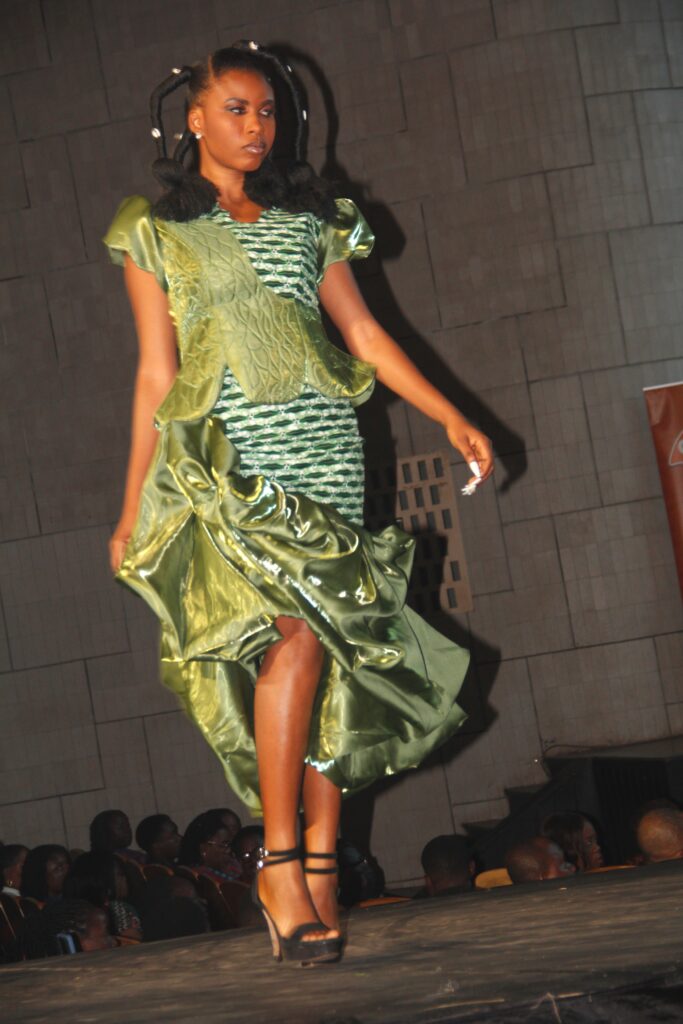
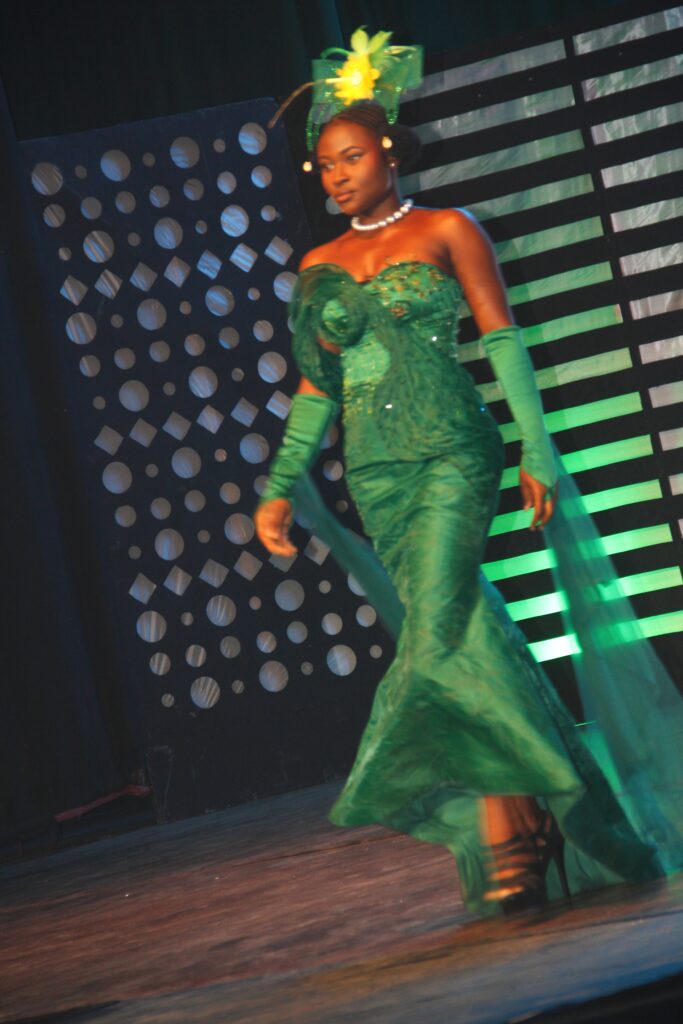
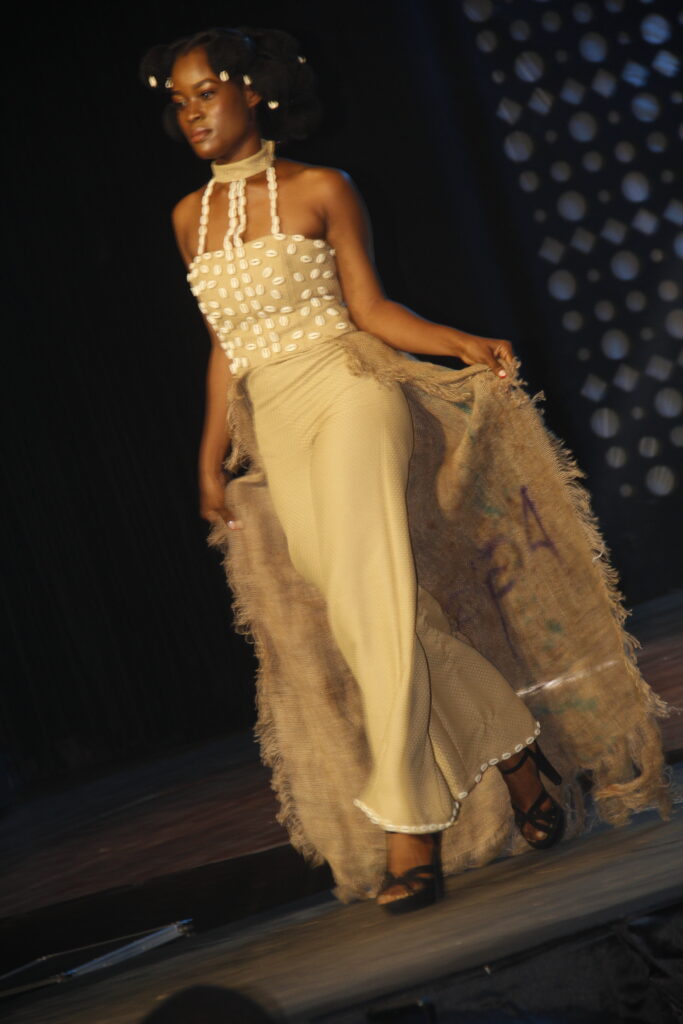
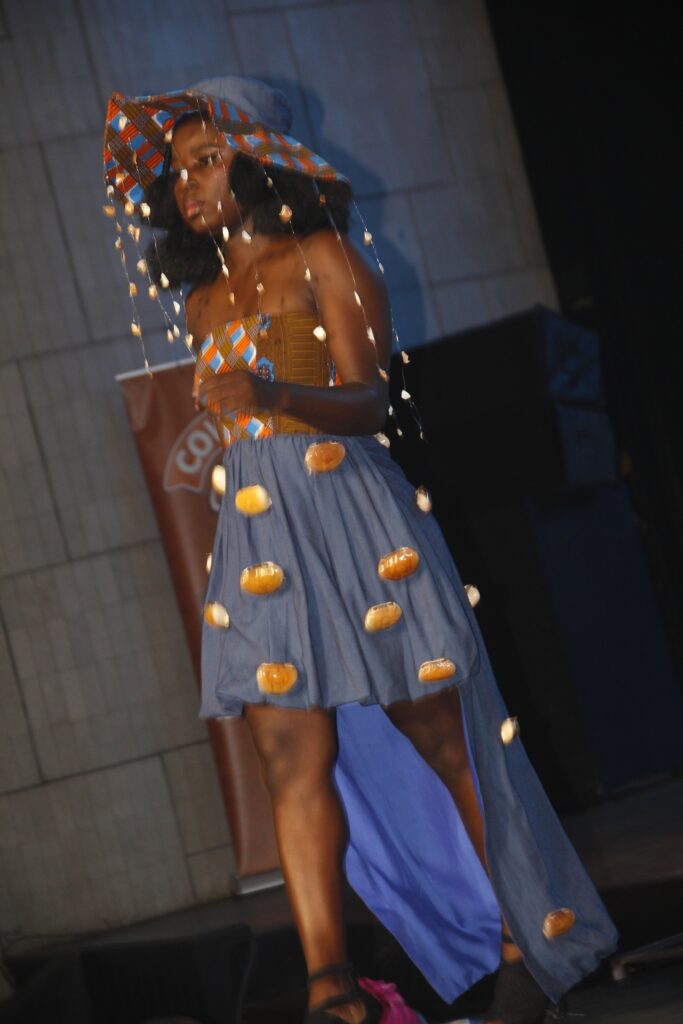
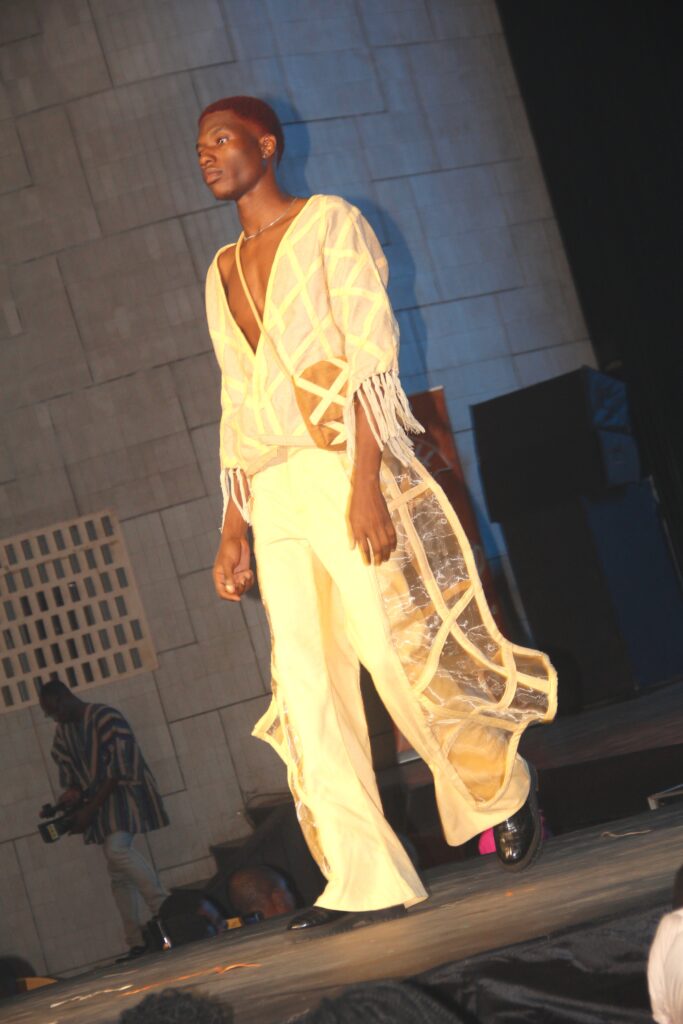
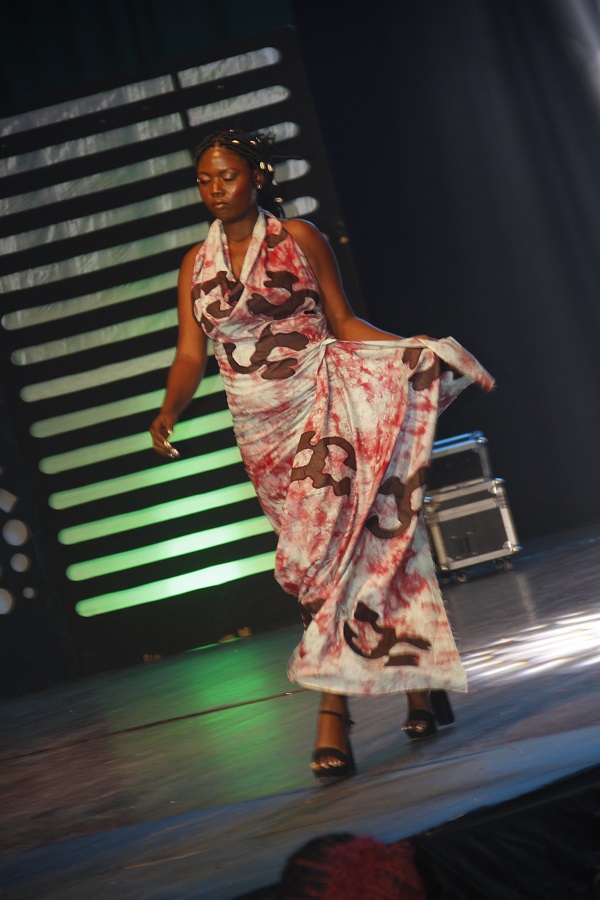
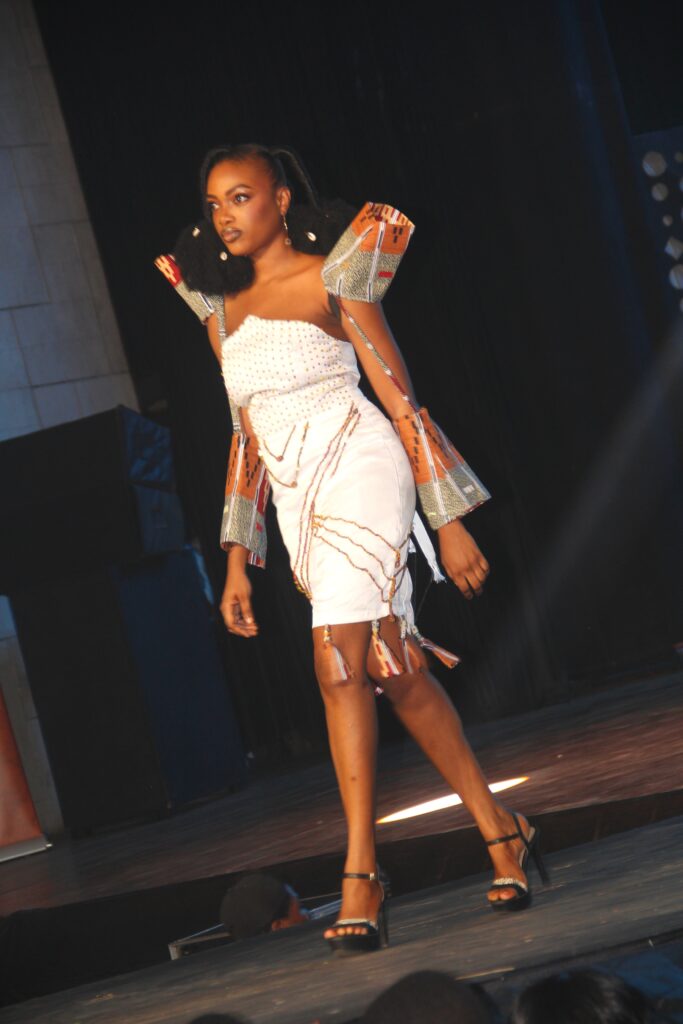
Dean of the Faculty of Applied Arts, Professor George Agyei Osei, explained that the exhibition provided students with an opportunity to demonstrate the skills and competencies they have acquired throughout their training.
Vice Dean of the Faculty of Arts and former Head of Department of Fashion and Textile Technology, Dr Mrs Emma Donkor, said this year’s cohort comprised 366 students, with each student producing four designs, one of which was exhibited at the school’s auditorium while three were presented during the fashion show.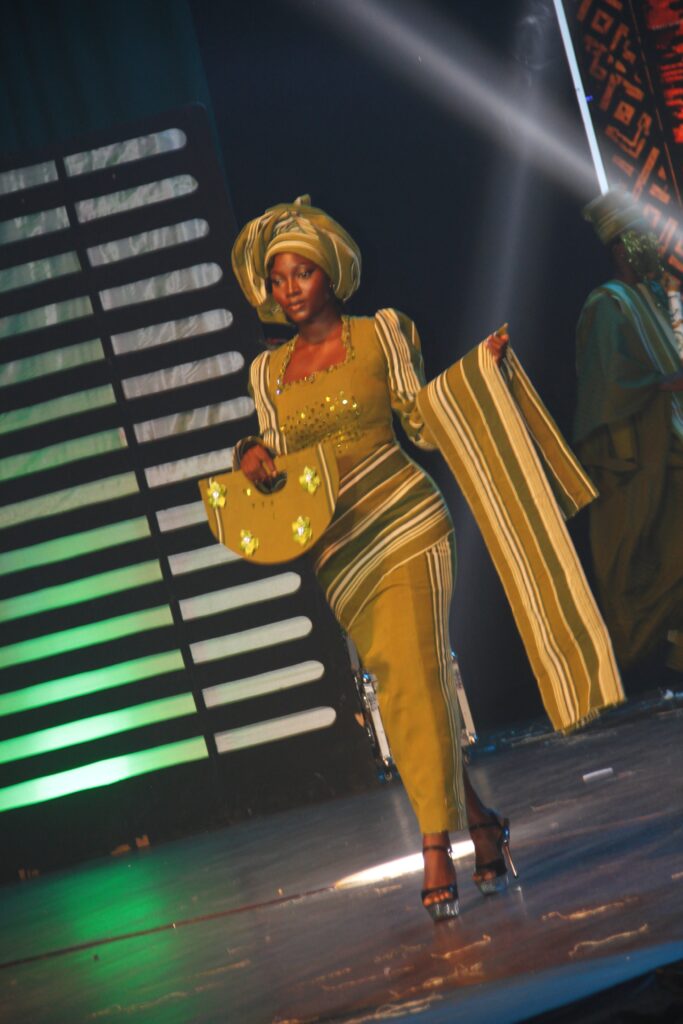
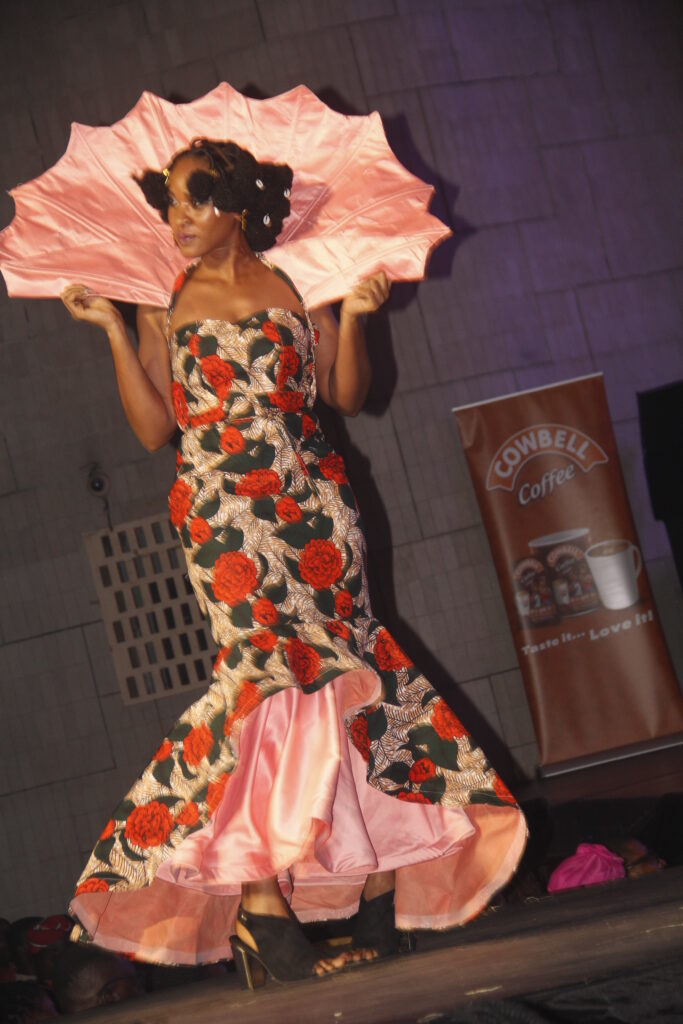
Mrs Donkor encouraged graduating students to build their businesses gradually, noting that a sewing machine and a small workspace could provide the foundation for a successful fashion enterprise.
One of the graduating students, Philipa Adu, said the theme was a reminder to designers not to blindly imitate Western fashion at the expense of African culture.
By Linda Abrefi Wadie

The Member of Parliament (MP) for Ayawaso West Wuogon, John Dumelo, is one of the most talked about fashion icons that blends tradition with modern style.
He was one of the pillars acting in Ghana revolved, but in fashion, he is a colossus.
Unlike his peers, Dumelo appears very simple in some of the sophisticated fashion designs and brands in the country.
He is noted for his simple appearance in modest colours with few accessories.













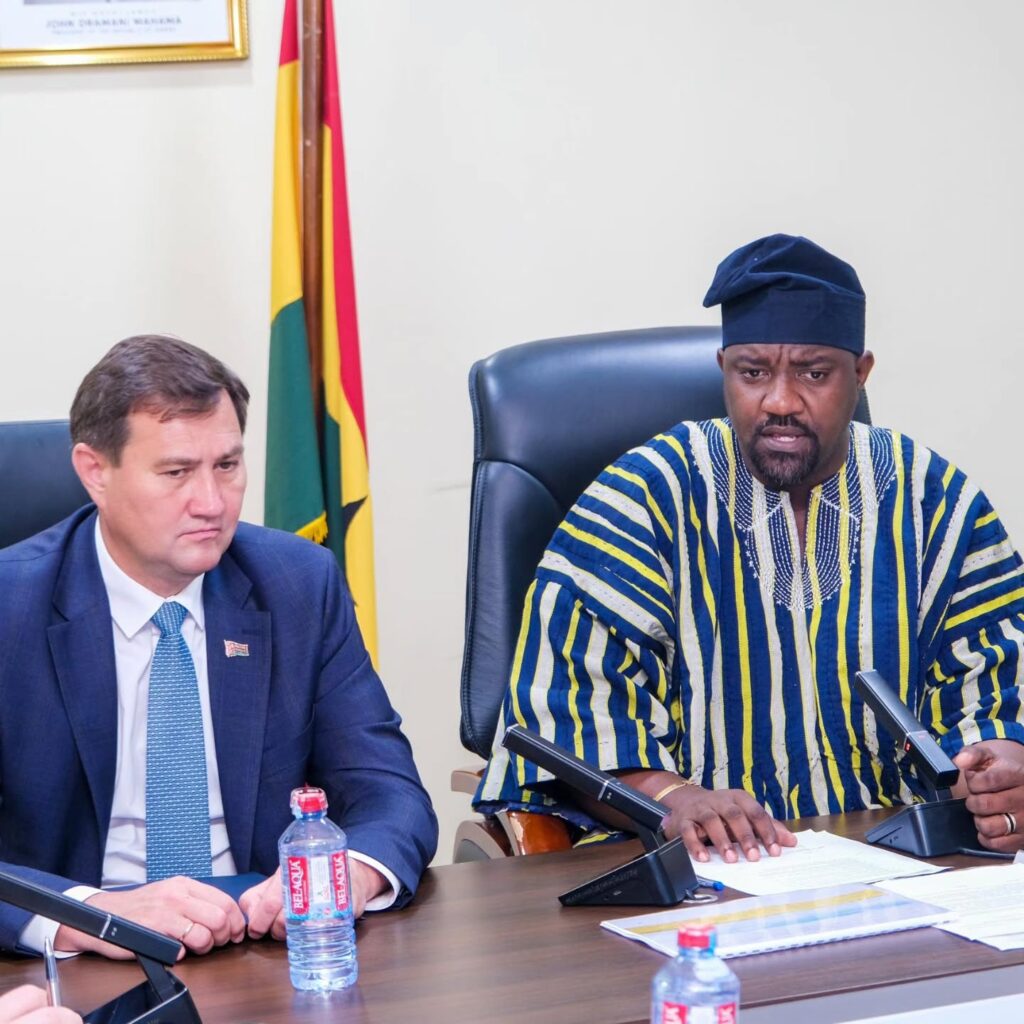


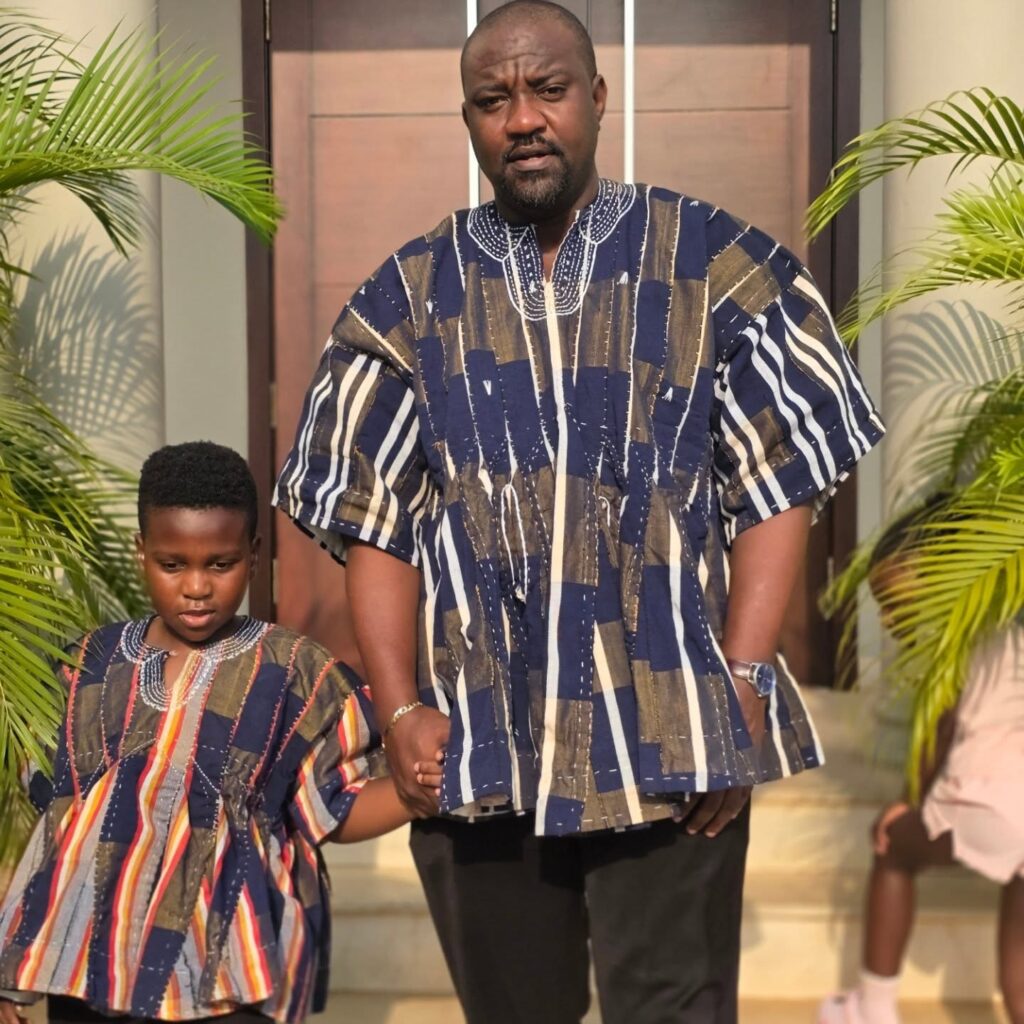



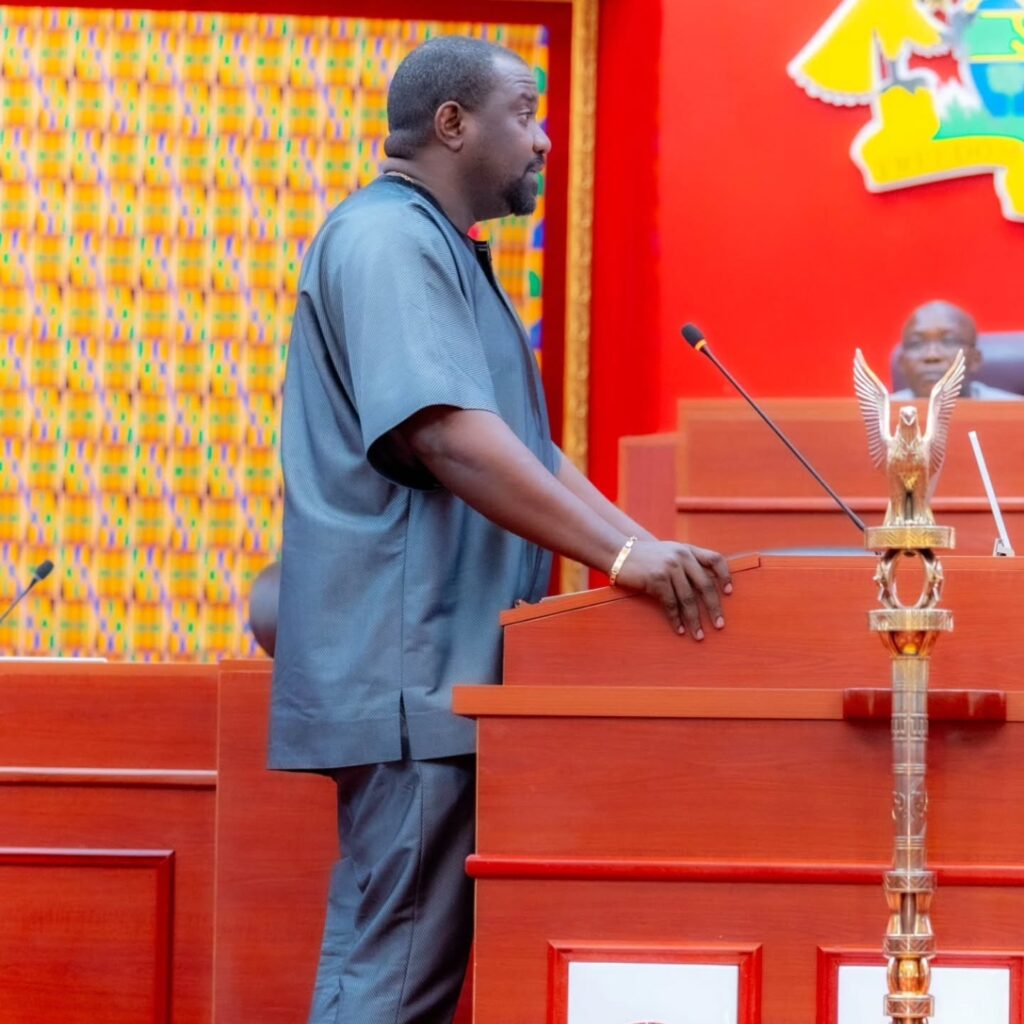



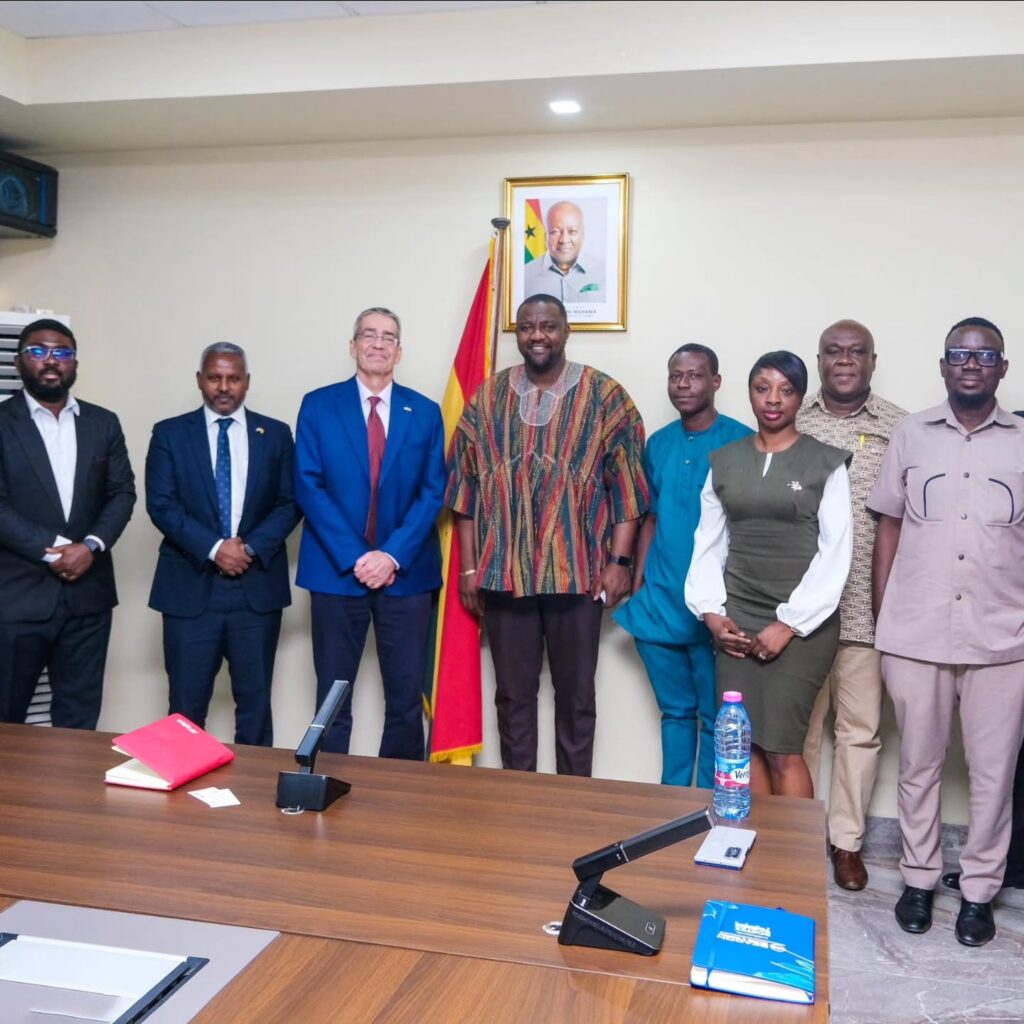






His style reflects his identity and national pride.
For him, fashion is more than just an appearance.