Nutrition
Turmeric rice


- /home/u249204778/domains/spectator.com.gh/public_html/wp-content/plugins/mvp-social-buttons/mvp-social-buttons.php on line 27
https://spectator.com.gh/wp-content/uploads/2026/08/Delicious-Tumeric-rice.jpg&description=Turmeric rice', 'pinterestShare', 'width=750,height=350'); return false;" title="Pin This Post">
- Share
- Tweet /home/u249204778/domains/spectator.com.gh/public_html/wp-content/plugins/mvp-social-buttons/mvp-social-buttons.php on line 72
https://spectator.com.gh/wp-content/uploads/2026/08/Delicious-Tumeric-rice.jpg&description=Turmeric rice', 'pinterestShare', 'width=750,height=350'); return false;" title="Pin This Post">
Igredients
– 2 cups of white rice
-1 large onion
– Vegetable oil
– 1 teaspoonful of grinded turmeric
-Salt to taste
– 2 carrots
-1 green pepper
-Spring onion
Method
-Pour the oil in saucepan and put it on fire
-Wash and cut onions. Add it to the oil and allow it to turn golden brown
-Add rice, stir for sometime to make it crispy
-Add water, turmeric, salt and allow rice to cook for sometime
-Cover the saucepan, reduce heat to low, and simmer until water is absorbed and rice is cooked, about 10 minutes
-Wash cut carrot, green pepper and spring onions and add to the rice on fire
-Serve with stew or shito
SKIP THE QUEUE, TAP THE NEWS
You can now read the Ghanaian Times and The Spectator newspapers from the comfort of your device via TimesNewsPlus.
Join our WhatsApp Channel: https://whatsapp.com/channel/0029VbBElzjInlqHhl1aTU27


When we talk about nutrition in Ghana, the conversation often focuses on individual choices: eat more vegetables, reduce sugar and salt, drink more water and exercise regularly.
These messages are important, but they tell only part of the story. Good nutrition is not just a personal responsibility; it is also a food-system issue.
What Ghanaians eat is influenced by what farmers produce, what food costs, how it is processed and marketed, what is served in schools, and what information consumers receive.
Ghana has the agricultural capacity to produce a wide variety of nutritious foods, including vegetables, fruits, legumes, fish, eggs, roots and tubers. Yet production alone is not enough. Poor storage, transportation challenges and weak market access mean that an estimated 30 per cent of food in Ghana can spoil before reaching consumers or retailers, according to a 2025 study by the International Growth Centre. The losses are particularly significant for fruits and vegetables, reducing both farmers’ incomes and the availability of nutritious foods. This is where policy becomes important.
Agricultural policies should consider not only how much food Ghana produces, but also whether that food contributes to healthy diets. Greater support for diverse crops, local vegetables, fruits and legumes could strengthen both agriculture and nutrition.
The food-processing industry has a role as well. Processing can reduce food waste, improve convenience and create new markets for local produce. But greater attention should be paid to the nutritional quality of processed foods, particularly those high in salt, added sugar and unhealthy fats.
Public education must also become more practical. Telling people to “eat healthy” is not enough when nutritious foods may be unaffordable or unavailable. Consumers need information, but they also need a food environment that makes healthier choices realistic.
Good nutrition begins on the farm, continues through the market and food industry, reaches the school and household, and ultimately ends on the plate.
What is needed is greater coordination.
A successful nutrition strategy should connect agricultural production with health objectives, school feeding with local agriculture, food processing with nutritional quality, and public education with the realities of household income and food prices.
The ultimate goal is not simply to produce more food.
It is to ensure that Ghanaians have reliable access to safe, affordable and nutritious food throughout their lives.
Feature Article by Women, Media and Change
SKIP THE QUEUE, TAP THE NEWS
You can now read the Ghanaian Times and The Spectator newspapers from the comfort of your device via TimesNewsPlus.
Join our WhatsApp Channel: https://whatsapp.com/channel/0029VbBElzjInlqHhl1aTU27
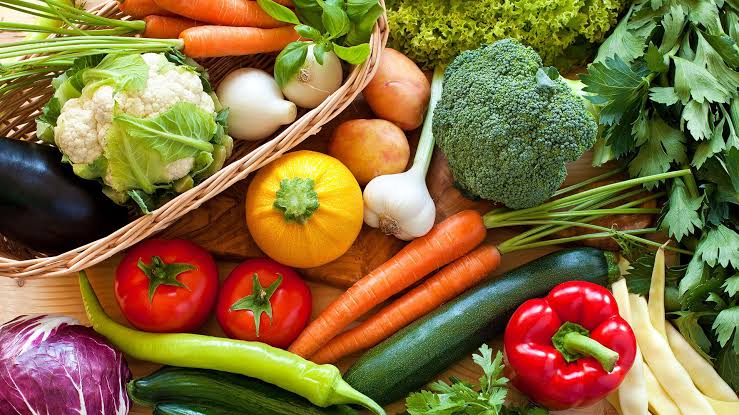
Vegetables are important part of our daily food. They are foods that provide the body with many nutrients needed to stay healthy and strong. Examples of vegetables include cabbage, carrots, tomatoes, spinach, garden eggs, okra, cucumber, lettuce, green pepper and onions. Vegetables can be eaten in many different ways, such as in soups, stews, salads and sauces. Eating vegetables regularly can improve our health and help protect us from many diseases.
One of the main benefits of vegetables is that they give the body important vitamins and minerals. Different vegetables contain different nutrients. For example, carrots contain vitamin A, which is important for healthy eyes and good vision. Green vegetables such as spinach contain useful vitamins and minerals that help the body grow and function properly. Tomatoes and peppers also contain vitamins that support the body. This is why eating different types of vegetables is better than eating only one type.
Vegetables also help to strengthen the immune system. The immune system protects the body from infections and diseases. Some vegetables contain vitamin C and other nutrients that help the body fight illness. Eating vegetables as part of a balanced diet can therefore help the body maintain a strong natural defence system. However, vegetables are not a medicine and should be combined with other healthy foods and good health habits.
Another important benefit of vegetables is that they help the digestive system. Many vegetables contain fibre. Fibre helps food move properly through the digestive system and can help prevent constipation. It also supports a healthy stomach and bowel. People who eat enough fibre may have an easier time passing stool. Drinking enough water along with eating fibre-rich foods is also important for good digestion.
Vegetables can also help people maintain a healthy weight. Most vegetables contain a lot of water and fibre and are not very high in calories. This means that they can make a person feel full without adding too many calories to a meal. For example, adding cabbage, carrots, lettuce or cucumber to a meal can make the meal more filling. Choosing vegetables instead of eating too many highly processed foods can support healthy eating.
Eating vegetables may also help protect the heart. Some vegetables contain potassium, fibre and other nutrients that support heart health. A diet that includes plenty of vegetables, fruits, whole grains and other healthy foods can help reduce the risk of some health problems. Vegetables can also be useful for people who want to reduce the amount of unhealthy foods in their diet.
Vegetables are also important for children and young people because their bodies are still growing. Children need enough nutrients for healthy growth, strong bones, good eyesight and proper development. Parents and caregivers should therefore encourage children to eat vegetables from an early age. Making vegetables attractive and including them in meals that children enjoy can help them develop healthy eating habits.
Vegetables can also contribute to healthy skin. Some vegetables contain vitamins and other natural substances that support the health of the skin. For example, vegetables rich in vitamin C can support the body’s production of collagen, which is important for the skin. Eating vegetables, drinking enough water and maintaining good personal hygiene can all contribute to overall health and appearance.
Another benefit is that vegetables can provide the body with antioxidants. Antioxidants help protect the body’s cells from damage caused by harmful substances known as free radicals. Many colourful vegetables contain these protective substances. This is one reason health experts often encourage people to eat vegetables of different colours, including green, red, yellow and orange vegetables.
Vegetables can also improve the quality of our meals. They add colour, taste and variety to food. A meal containing vegetables can be more attractive and enjoyable than a meal made up of only one or two types of food. Vegetables can be added to rice, yam, plantain, beans, pasta, soups and stews. This makes it easy for people to include them in their normal meals.
In conclusion, vegetables provide many benefits to humans. They give the body vitamins, minerals, fibre and other useful nutrients. They support good digestion, help the immune system, contribute to healthy weight, support heart health and can help protect the body from some diseases.
WHO- “Healthy diet” Jan 26