News
Promoting hand hygiene: Sanitisers not complete replacement for soap

- /home/u249204778/domains/spectator.com.gh/public_html/wp-content/plugins/mvp-social-buttons/mvp-social-buttons.php on line 27
https://spectator.com.gh/wp-content/uploads/2026/08/William-Anku-598x600.jpg&description=Promoting hand hygiene: Sanitisers not complete replacement for soap', 'pinterestShare', 'width=750,height=350'); return false;" title="Pin This Post">
- Share
- Tweet /home/u249204778/domains/spectator.com.gh/public_html/wp-content/plugins/mvp-social-buttons/mvp-social-buttons.php on line 72
https://spectator.com.gh/wp-content/uploads/2026/08/William-Anku-598x600.jpg&description=Promoting hand hygiene: Sanitisers not complete replacement for soap', 'pinterestShare', 'width=750,height=350'); return false;" title="Pin This Post">
Frequent hand washing has been identified as the cheapest, easiest, most important and effective way to stay clean and safe from bacteria and viruses driven diseases.
Between soap and hand sanitisers, many are, however, left confused over which one serves a better purpose in dealing with bacteria or virus.
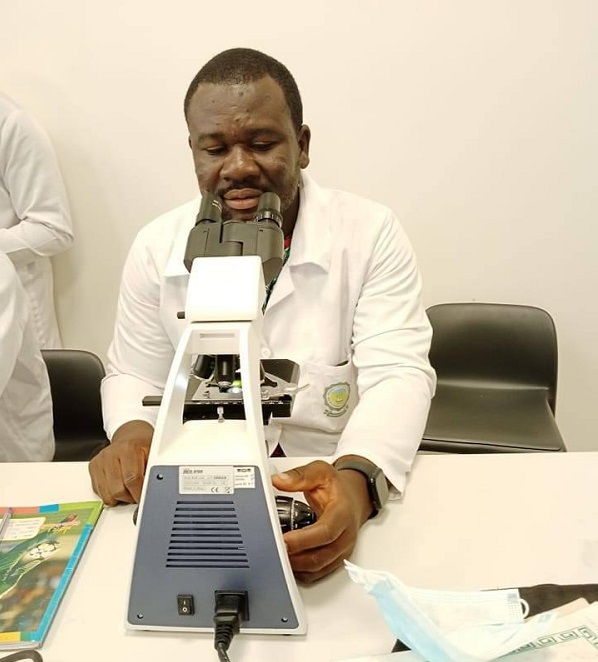
Addressing this concern, a Public Health Practitioner, Mr William Anku, says in general, both hand washing with soap and water and hand sanitisers, when done correctly, can be effective at killing most germs and pathogens.
Speaking with The Spectator in an interview, Mr Anku, who also doubles as a Technical Support Officer with the Ghana AIDS Commission, Ho Technical Support Unit, said among the two, sanitisers can be less effective against some microorganisms and do not physically remove dirt, grease or certain chemicals.
He said while alcohol based hand sanitisers were useful when soap and water were not readily available, they should not be considered a complete replacement for proper hand washing.
Mr Anku said a sanitiser containing at least 60 per cent alcohol could rapidly reduce many types of harmful microorganisms on the hand.
He, however, elaborated that people with visibly dirty or greasy hands should wash them with soap and running water because sanitiser could not physically remove the dirt or grease.
“When hands are visibly dirty or greasy, soap and water are preferable,” he mentioned.
Mr Anku advised people using sanitisers to apply enough to cover all surfaces of the hands and rub them together until completely dry, stressing that soap helped loosen dirt, oils, microorganisms and other contaminants from the skin so they could be rinsed away.
“Water alone can remove some visible dirt and a portion of microorganisms, but it is considerably less effective than washing with soap,” heunderlined.
He urged the public to wash hands with soap and running water after using the toilet, before preparing or eating food, after coughing or sneezing, after caring for a sick person and whenever the hands were visibly dirty.
Mr Anku also drew attention to the importance of drying hands after washing, saying wet hands could transfer microorganisms easily than dry hands.
He recommended clean, disposable paper towels, particularly in healthcare facilities and public settings. Where reusable cloth towels were used, he said they should be clean and changed regularly.
He added that properly maintained air dryers could also be used.
On whether warm water was better than cold water for hand washing, Mr Anku noted that the temperature of the water was not the most important factor.
He explained that cold, lukewarm or warm running water could all be used, stressing that using soap, rubbing adequately, rinsing thoroughly and drying properly were more important.
He cautioned against using excessively hot water because it could irritate or damage the skin.
Again, Mr Anku mentioned that people should scrub all surfaces of their hands with soap for at least 20 seconds before rinsing thoroughly with running water.
He said rushing through the process could result in some areas of the hands being missed.
He suggested that people could sing “Happy Birthday” twice at a normal pace while scrubbing to help achieve the recommended duration, noting that the choice of song was not important but the time spent rubbing was.
He also cautioned that frequent hand washing, repeated use of alcohol based sanitisers, harsh soaps and very hot water could cause dryness, irritation, cracking or dermatitis, particularly among people with sensitive skin.
He advised the public to use mild soaps, avoid excessively hot water and apply moisturising hand cream or lotion regularly, especially after washing.
Mr Anku says washing hands for too short a time was one of the common mistakes people made.
Others included failing to cover the entire hand with soap, forgetting the backs of the hands, spaces between the fingers, thumbs and underneath the fingernails.
Furthermore, he mentioned rinsing immediately without adequate rubbing, failing to dry the hands properly, touching contaminated surfaces immediately after washing and using too little sanitiser.
“Effective hand hygiene is not simply about putting soap or sanitiser on the hands; the technique matters,” he stressed.
Mr Anku urged the public to make hand hygiene part of everyday life, saying the seemingly small action could have a significant impact on public health.
“Hand hygiene may seem like a small action, but collectively it can prevent a significant amount of illness and protect entire communities,” he indicated.







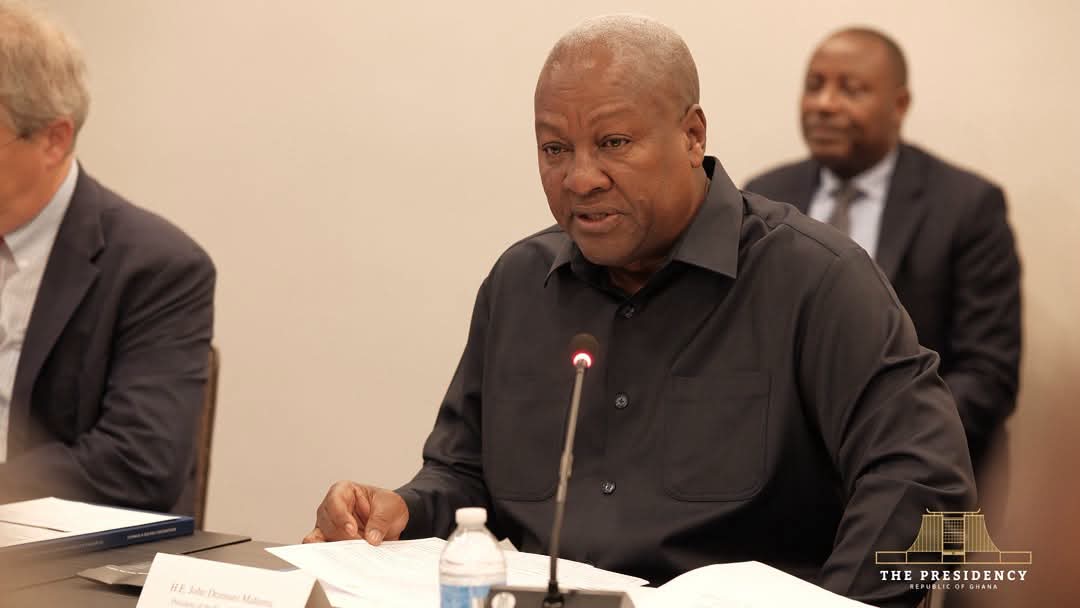
President John Dramani Mahama has called for stronger domestic capacity, effective institutions and sustainable financing as countries in the Global South continue to face growing debt pressures and disruptions in the international development landscape.
Speaking at a Presidential Roundtable organized by the Open Society Foundation in New York on Monday, on the sidelines of the 81st UN General Assembly, President Mahama said the priority for developing nations must be to create jobs, improve public services, build infrastructure and expand opportunities, particularly for young people.
“When I speak about sovereignty in this context, I am speaking about the capacity to act,” President Mahama stated.
He further stressed the need for stronger coordination across government, greater domestic resource mobilisation, sound financial management and institutions capable of delivering measurable results.
“Where an approach proves successful, the next step should be its adoption into public systems, local delivery institutions, and long-term financing models,” he added.
The high-level roundtable brought together presidents and chief executives of major global foundations to discuss sustainable development, financing and strengthening institutions across the Global South.
By Edem Mensah-Tsotorme
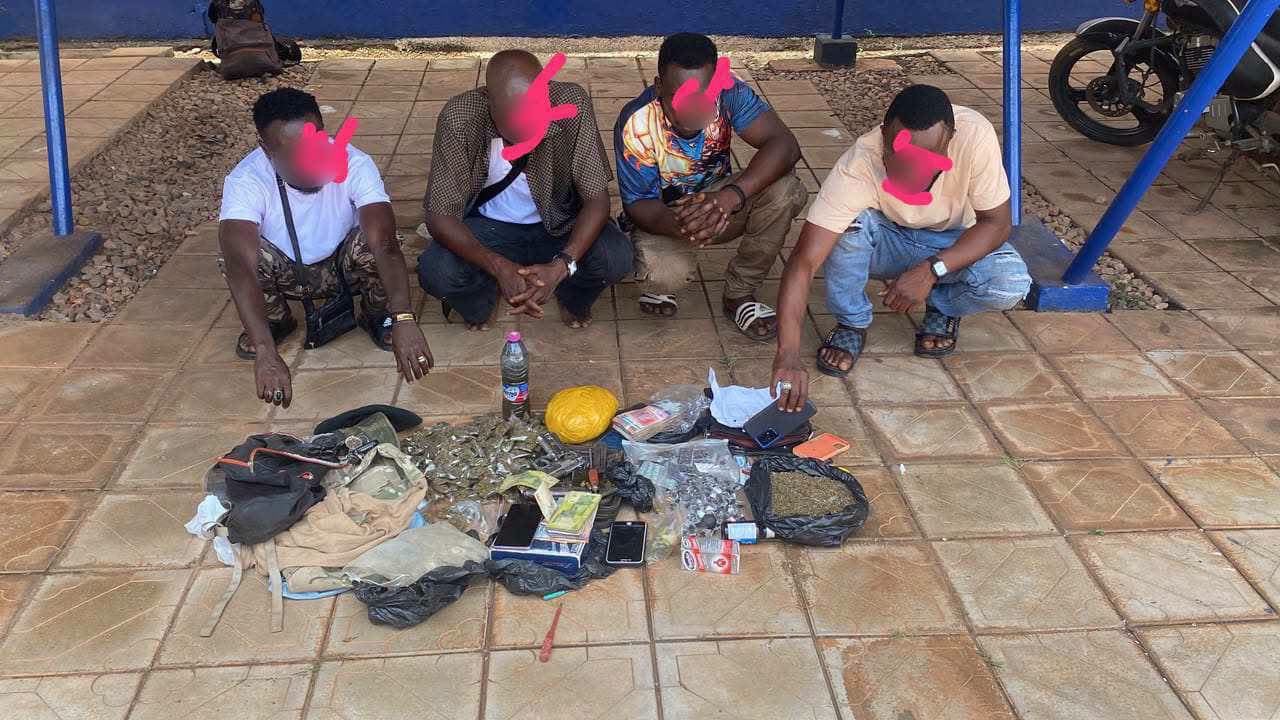
The Northern Regional Police Command has arrested five people during an operation at the Aboabo scraps area in Tamale, where two pistols, ammunition, suspected narcotics and cash were recovered.
The operation was carried out on Monday, September 21, 2026, at about 11:30 a.m. by the Special Operations Team, known as RED MARIA, as part of efforts to clamp down on drug peddling, drug use and other criminal activities in the Tamale Metropolis.
According to the police, the team acted on credible information and proceeded to the Aboabo scraps area, near the forest, where they arrested five suspects.
They were identified as Ibrahim Issahaku, 39; Mohammed John, 28; Mohammed Nawas, 25; Mohammed Osman Awal, 41; and Kwame Boateng, 28.
The police said a search at the residence of Ibrahim Issahaku led to the recovery of two foreign made pistols, two rounds of 9mm ammunition, one parcel of suspected Indian hemp and GH¢1,880 in cash.
The police also found GH¢18,825 concealed inside the motorcycle of Kwame Boateng at the ghetto. The money is suspected to be proceeds from the sale of narcotic drugs.
Other items recovered included 123 wraps of suspected Indian hemp, 12 sachets of 1mg Rohypnol, seven sachets of 250mg Tramadol, 111 wraps of suspected ashes and three motorbikes.
In a statement issued on Tuesday, September 22, 2026, the Northern Regional Police Commander, DCOP Wisdom Lavoe, said the suspects and the exhibits had been handed over to the Regional Drug Law Enforcement Unit for further investigation and the necessary action.
He added that the Regional Command would continue to conduct intelligence led operations to disrupt drug related activities and other criminal activities in the region.
By: Jacob Aggrey

 Entertainment1 week ago
Rhythms On Da Runway returns November 28 with 16th edition themed ‘Unbound’
- News1 week ago
48 Engineer Regiment to be major sub-contractor on Accra-Kumasi Expressway, $2bn ready- Prez Mahama
- Entertainment1 week ago
Ohemaa Mercy’s Tehillah Experience outfit was priestly regalia, not costume – Management clarifies