News
Dr. Nana Owusu Ensaw affirms ACCP research on Kwahu Business Culture


- /home/u249204778/domains/spectator.com.gh/public_html/wp-content/plugins/mvp-social-buttons/mvp-social-buttons.php on line 27
https://spectator.com.gh/wp-content/uploads/2026/05/WhatsApp-Image-2026-05-18-at-12.20.51.jpeg&description=Dr. Nana Owusu Ensaw affirms ACCP research on Kwahu Business Culture', 'pinterestShare', 'width=750,height=350'); return false;" title="Pin This Post">
- Share
- Tweet /home/u249204778/domains/spectator.com.gh/public_html/wp-content/plugins/mvp-social-buttons/mvp-social-buttons.php on line 72
https://spectator.com.gh/wp-content/uploads/2026/05/WhatsApp-Image-2026-05-18-at-12.20.51.jpeg&description=Dr. Nana Owusu Ensaw affirms ACCP research on Kwahu Business Culture', 'pinterestShare', 'width=750,height=350'); return false;" title="Pin This Post">
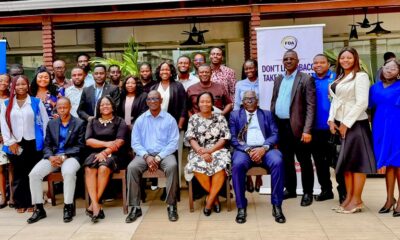
The founder and owner of The Platinum Bay Hotel, Dr. Nana Owusu Ensaw, has affirmed findings by the African Chamber of Content Producers (ACCP) that Kwahu people are systematically trained and culturally oriented toward business from an early age.
In an interview with journalists who visited his “Movie in the Park” event at Abokobi and sought his opinion on the ACCP research findings as an indigene of Kwahu, Dr. Ensaw said many people wrongly associate the wealth of Kwahu people with suspicious activities because they do not understand the community’s deep-rooted business culture.
According to him, business and trading have always been part of the upbringing of many Kwahu families long before modern concepts such as entrepreneurship and investment became popular.
“We, the people of Kwahu, were raised with a natural instinct for business. Buying and selling is part of our upbringing,” he stated.
Dr. Ensaw explained that many Kwahu children are introduced to business activities at an early age and often learn trading skills from parents, uncles and relatives during school holidays.
He noted that although he is a medical doctor by profession, he had been involved in business since secondary school, describing it as a common reality among many Kwahu people.
Reacting to public perceptions and claims that some abandoned houses in Kwahu are linked to ritual money practices, Dr. Ensaw said such assumptions are unfair and misleading.
According to him, many of the houses seen on the Kwahu mountains remain empty for most parts of the year because their owners live and work in places such as Accra, Kumasi and abroad.
He stressed that many Kwahu people spend years working tirelessly and making sacrifices to build properties and create financial security for their families.
“Sometimes it is simply years of discipline, sacrifice, resilience and hard work that nobody was paying attention to while it was happening,” he stated.
Dr. Ensaw added that many people only see the finished houses and visible wealth but fail to recognise the sleepless nights, failed attempts, debts and pressure behind such success stories.
His comments support findings contained in a recent ACCP research report titled “The Kwahu Entrepreneurial Archetype: Lessons for Local Content Sovereignty in Africa.”
The research, led by ACCP member David Adofo, concluded that the success of the Kwahu Business Forum and the wealth associated with many Kwahu indigenes are the result of decades of deliberate intergenerational training in trade, enterprise and financial discipline.
According to the report, the commercial culture of the Kwahu people dates back to the late 1800s when Kwahu traders became heavily involved in the rubber trade between the hinterlands and the coast.
The research revealed that by the 1920s, Kwahu traders had become some of the dominant shop owners in Accra, while trading and business had become one of the most respected activities within the community.
The ACCP further explained that the Kwahu entrepreneurial ecosystem is driven by a strong business culture, practical learning through observation and experience, and mentorship from successful elders.
The report also highlighted the rapid growth of Rock City Hotel, led by Bryan Acheampong, as evidence of the scale of Kwahu enterprise and investment.
According to the ACCP, the Kwahu business model offers important lessons for Africa, particularly at a time when the continent is pushing for economic self-reliance through initiatives such as the African Continental Free Trade Area.
The Chamber therefore urged African governments to study and replicate aspects of the Kwahu entrepreneurial culture, including early business training, mentorship and community support systems.
By: Jacob Aggrey

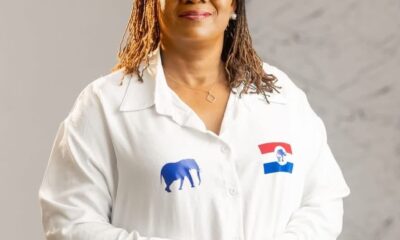





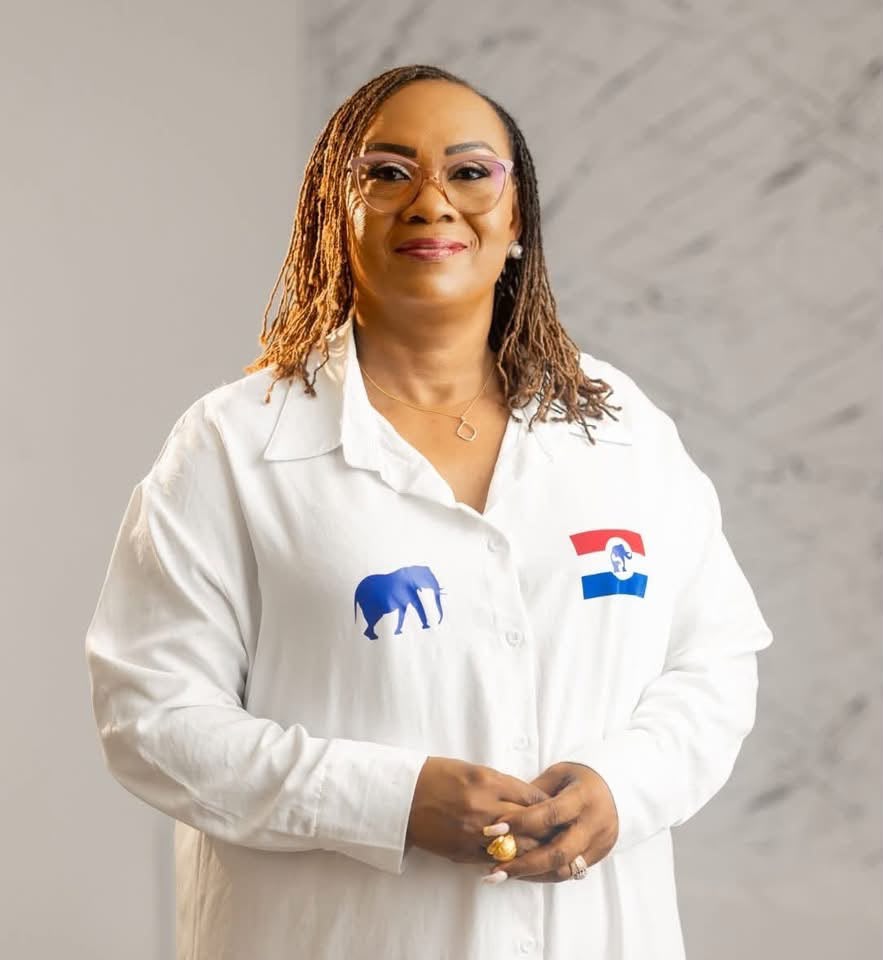
Former Awutu Senya East Member of Parliament, Mavis Hawa Koomson, has been elected the National Women’s Organiser of the New Patriotic Party (NPP).
She secured 738 votes to defeat her main contender, Mohammed Safia, who polled 429 votes in the election held on Saturday, October 3, 2026, at the Baba Yara Sports Stadium in Kumasi.
The election formed part of the NPP’s National Delegates Conference, which brought together delegates from across the country to elect new national executives for the party.
The conference was characterised by a colourful display of the NPP’s red, white and blue colours, with party supporters and delegates filling the stadium ahead of the various elections.
Former President Nana Addo Dankwa Akufo-Addo was among the prominent personalities who attended the delegates conference ahead of the elections.
Following the declaration of the results, Hawa Koomson moved around the stadium with some of her supporters, thanking delegates for voting for her and expressing confidence in her ability to lead the party’s women’s wing.
Speaking after her victory, Hawa Koomson said she would bring her experience and maturity to the position and work to strengthen the party’s women’s structures.
She indicated that she would work with her former contender, Mohammed Safia, despite the competition between them during the election.
“We are all NPP members and we are going to work together for victory,” she said.
According to her, her immediate task would be to unite the women of the party and mobilise them to contribute effectively to the NPP’s activities at the grassroots and national levels.
She called for greater support and solidarity among women, and recounted an experience in which she said another woman helped save her life after she was attacked.
Using the experience, Mrs Koomson urged women to have one another’s backs, stressing that women should be ready to support and defend each other.
The former MP spoke about her political journey and her return to a national leadership position after losing the Awutu Senya East parliamentary seat.
She said she had never regarded her political journey as a failure and was proud to have reached the national level to serve the party.
Mrs Koomson said her decision to contest the National Women’s Organiser position was driven by her desire to continue contributing to the NPP and use her experience to support the party.
Hawa Koomson explained the need for women to protect themselves, including the use of pepper spray as a means of self-defence when faced with danger.
She encouraged women to support and defend one another, drawing from her own experience of being attacked and helped by another woman who intervened to save her.
As National Women’s Organiser, she will be responsible for coordinating and mobilising women across the party, strengthening the women’s wing at the constituency and regional levels, and increasing their participation in party activities.
She is expected to work closely with the newly elected national executives to strengthen the party’s structures and prepare its women’s wing for the party’s future political activities.
Mrs Koomson thanked the delegates for the confidence they had placed in her and pledged to work with members of the party as she begins her new role.
By: Jacob Aggrey
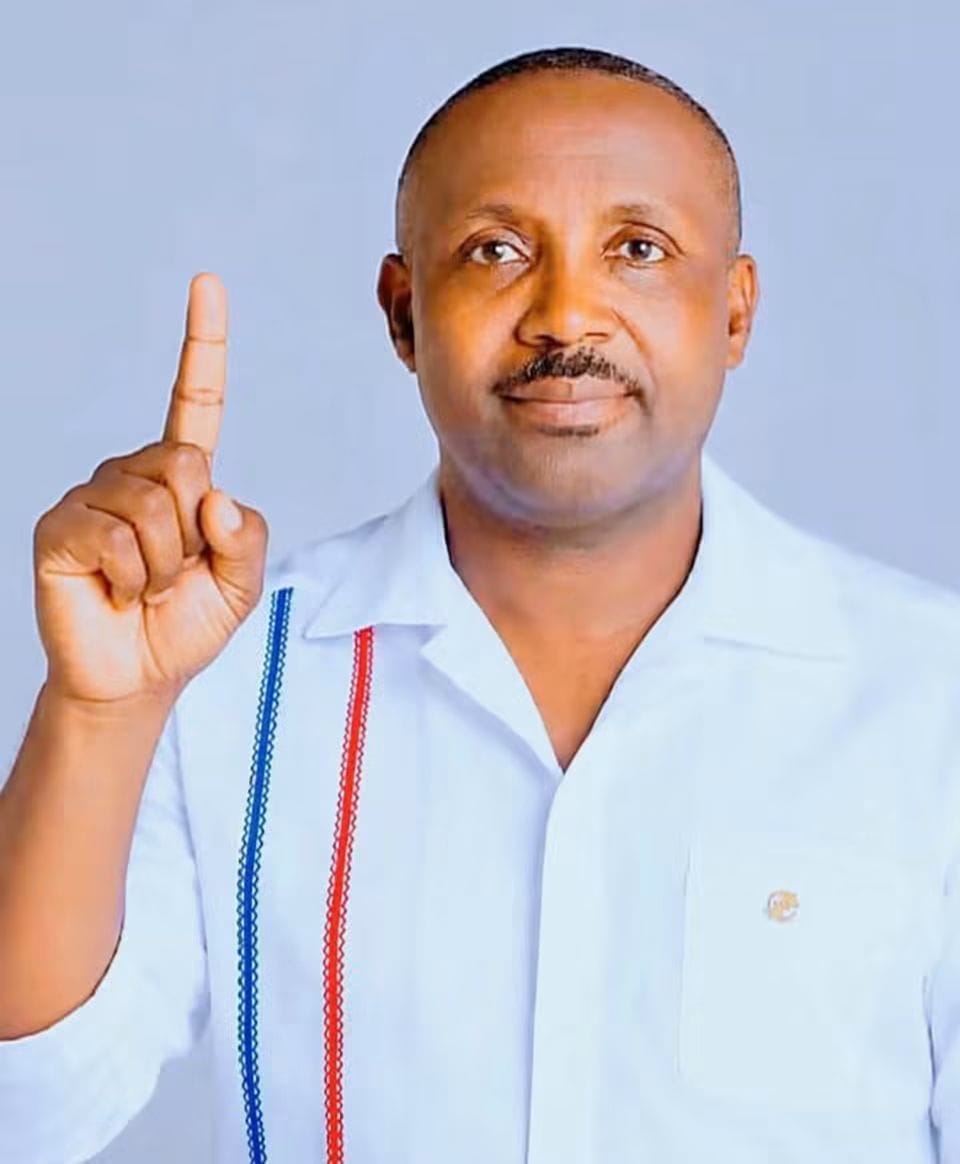
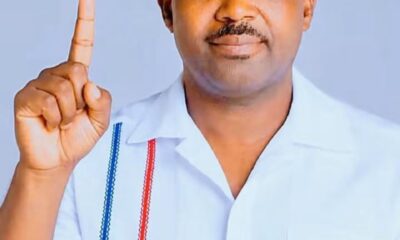
John Boadu has been elected as the National Chairman of the New Patriotic Party (NPP) following the party’s National Delegates Conference held on Saturday, October 3, 2026, at the Baba Yara Sports Stadium in Kumasi.
Boadu secured a decisive victory with 2,888 votes, beating his closest contender Boakye Agyarko who polled 2,408 votes.
Former Chairman Paul Afoko garnered 790 votes, while Sammy Crabbe managed 41 votes.
The victory marks a major political comeback for John Boadu, who previously served as the party’s General Secretary.
Ahead of the elections, Sammy Crabbe had reportedly pulled out of the race to form an alliance with John Boadu, a move that appears to have strengthened Boadu’s numbers on the day.
The keenly contested chairmanship race was a highlight of the 2026 National Executives Election, which drew thousands of delegates from across the country to Kumasi.
Boadu is expected to lead the party’s reorganization efforts ahead of the 2028 general elections.
By Edem Mensah-Tsotorme