News
Chief declares zero tolerance for substance abuse , alcoholism in Zuanungu

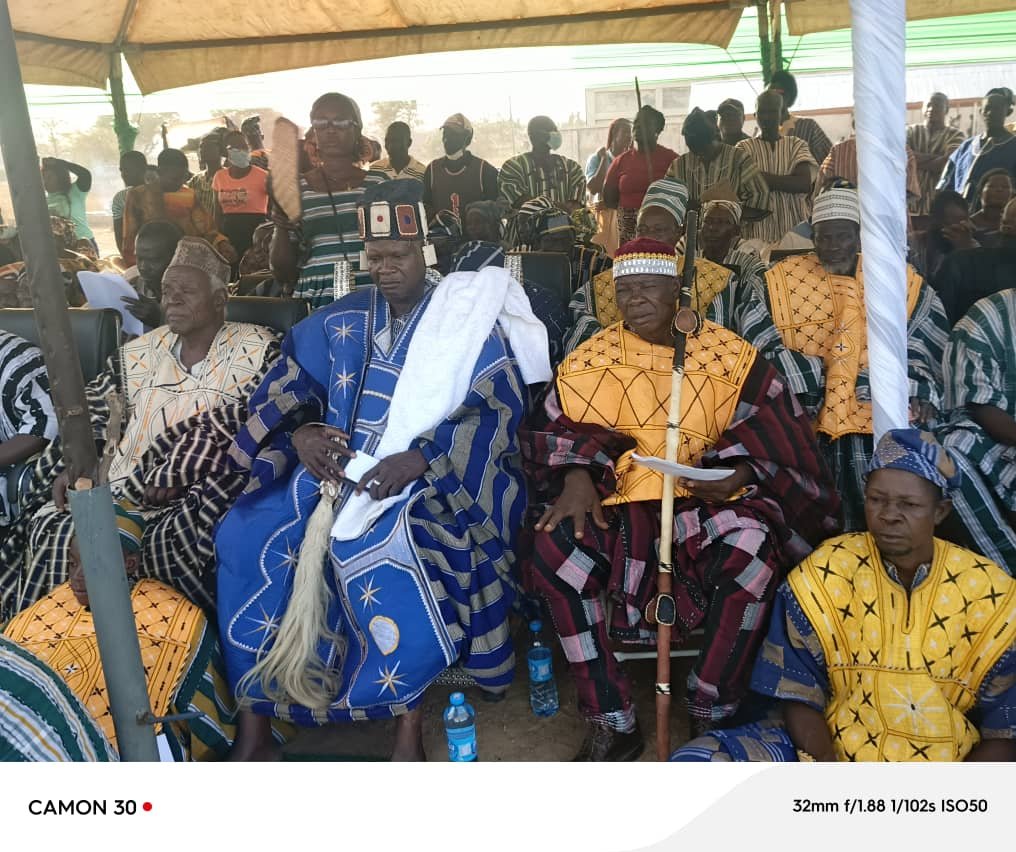
The Paramount Chief of the Zuarungu Traditional Area, Naba Billia-Maaletinga Afegra III, has declared zero tolerance for drug abuse and alcoholism, describing the menace as an escalating crisis threatening the future of the youth in the area.
According to him, substance abuse among young people has assumed alarming proportions, with devastating consequences for individuals, families, and society at large.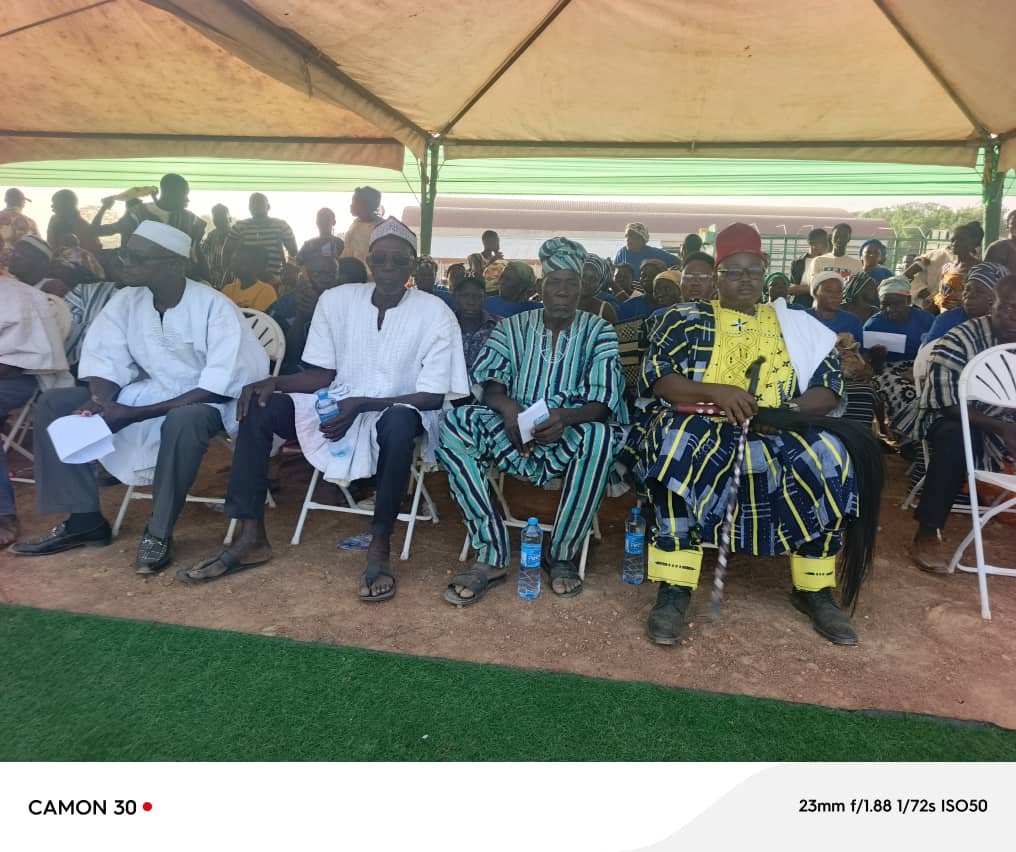
He said the situation demanded urgent action, stressing the need for traditional authorities to rise to the occasion by enforcing a total ban on drug use and excessive alcohol consumption in Zuarungu to save the youth from a menace that has already claimed many lives and rendered others “useless” in the community.
Naba Afegra III made these remarks at this year’s N’daakoya Festival, held on Saturday in Zuarungu, the capital of the Bolgatanga East District of the Upper East Region. The festival was celebrated on the theme: “Youth Mobilisation and Empowerment: The Total Resurrection of Zuarungu – A Cornerstone of Our Region’s History.”
The N’daakoya Festival, a significant cultural event in the life of the people of Zuarungu, is celebrated annually to thank God for a successful farming season and to seek His guidance for the year ahead.
The event attracted participants from all walks of life and featured colourful cultural performances that showcased the rich heritage of the people.
“Substance abuse among our youth is of grave concern to me. My aim is to bring this fight directly to our communities, schools, and homes,” Naba Afegra III stated.
“From today, I am declaring a zero-tolerance stance against substance abuse throughout our traditional area,” he added.
To enforce this policy, the chief announced that committees would be established and empowered to serve as vigilant watchdogs against drug abuse and alcoholism, ensuring that the youth focus on building meaningful and productive careers.
He expressed optimism that the initiative would help secure a prosperous Zuarungu that would contribute significantly to national development.
The Paramount Chief also used the occasion to commend the Member of Parliament for Bolgatanga East, Dr Dominic Akuritinga Ayine, and the National Democratic Congress (NDC) government for their continued commitment to youth development in the area.
“The library project and the astroturf field project are near completion. The government under President John Dramani Mahama has also performed creditably in ensuring the appreciation of our common currency, the cedi, against major trading currencies, particularly the United States dollar,” he noted.
He further appealed to landowners to willingly release land for the construction of a new market and car park, which, he said, would benefit residents, reflect the status of the area, and expose the district to the international community.
FROM FRANCIS DABRE DABANG, ZUARUNGU





A pastor and two others, who allegedly attempted to bury a five-month-old baby alive at a refuse dump at Abofrem near Bibiani in the Western North Region, have been remanded into lawful custody by the Bibiani District Court.
The accused are Richmond Frimpong, also known as Prophet, 36, a pastor; Beatrice Agyapongmaa, 23, a hairdresser and mother of the baby; and Emmanuel Appiah.
An accomplice, Donkor, a 53-year-old farmer, is at large.
Frimpong and Agyapongmaa have been charged with conspiracy to commit crime, to wit attempted murder. Frimpong faces an additional charge of attempted murder.
Appiah and Donkor have been charged with abetment of crime, to wit attempted murder.
The court, presided over by Mr Lord Delvin Essandoh, did not take their pleas and refused a bail application by counsel for the accused persons.
Chief Inspector B.O. Agyemang, leading the prosecution, told the court that the baby, currently in the custody of Agyapongmaa’s grandmother, remained at risk and prayed the court to place the child in a care home.
The court, in the interest of justice and the welfare of the child, ordered the Social Welfare Office to conduct a social enquiry and submit a report within five days.
The case has been adjourned to May 5, 2026.
Prosecution said the complainant, Winfred Agbah, a 29-year-old security guard and Unit Committee Member at Abofrem, received information on April 10, at about 22:00 hours that some persons were attempting to secretly bury a child at a refuse dump.
He proceeded to the scene and allegedly found Frimpong, Appiah and Donkor preparing to bury the baby, who was wrapped in cloth and being held by Appiah.
When questioned, the three allegedly claimed the child was dead. However, after inspecting the baby, the complainant realised the child was alive.
Prosecution said Frimpong allegedly tried to persuade the complainant to allow them to proceed, but he refused and took the suspects to the Chief of Abofrem.
Investigations revealed that Agyapongmaa is the biological mother of the baby, whose neck had reportedly been unstable since birth. In search of a remedy, she was directed to Frimpong.
Prosecution said Frimpong told Agyapongmaa that the child had been described as “Nsuoba” and required spiritual intervention.
He allegedly asked her to provide items including eggs, schnapps, powder, incense, a fowl and a cannonball stone for rituals.
After the rituals, Frimpong allegedly assured her the baby would die soon and asked her to return to Kumasi.
On April 9, 2026, Agyapongmaa reportedly returned to inform him that the baby was still alive. Prosecution said they then agreed that euthanasia (mercy killing) was the best option.
Frimpong allegedly asked her to leave the child in his room to complete the process and later declared the baby dead.
Appiah, who had visited Frimpong, allegedly assisted in confirming the supposed death.
The prosecution said Frimpong, Appiah and Donkor later took the baby to the refuse dump, where Donkor dug a grave and they attempted to bury the child before the complainant intervened and rescued the baby.
The matter was reported to the Domestic Violence and Victims Support Unit at Bibiani, leading to the arrest of the accused persons.
Prosecution said the suspects admitted the offence in their caution statements and that police were preparing a duplicate docket for the Attorney-General’s Department for advice. –GNA
The sharp increase in malaria cases among children under five years in the Amansie West District is beginning to raise concerns among health workers in the area.
According to health officials, malaria cases generally in the district has shot up with data revealing more than 38,000 cases at the Out-patient Departments (OPD) in 2025.
This marks over 2,000 increase over the 2024 figure of 36,000.
But worryingly, it is the increase among infants that is beginning to occupy the attention of the health workers in the district.
According to the data available, malaria cases among the kids have jumped from the 8,000 recorded in 2024 to 10,000 in 2025, marking a 25 per cent increase.
That was linked directly to abandoned pits left by illegal mining activities, commonly known as ‘galamsey.’
The Amansie West District Director of Health Services, Mr Bernard Badu Bediako, stated in an interview that these abandoned pits have become high-volume mosquito breeding grounds across the district.
Commemorating the occasion of the 2026 World Malaria Day, Mr Bediako called for a united front to eliminate the disease from the district.
The problem, he emphsasised, was also compounded by the situation where both children and adults don’t complete the course of their malaria treatment.
Consequently, he urged residents of the district to complete the full course of anti-malaria medication rather than abandon treatment after beginning to feel well, a practice he identified as a key driver of persistent infection.
He also strongly encouraged the consistent use of long-lasting insecticide-treated nets, acknowledging complaints from some residents about discomfort but stressed that “sleeping under treated nets remained far safer than the risk of severe malaria.”
Mr Badu commended the management of Asanko Gold for supporting the fight against malaria, and announced that public education had been intensified across communities, with health authorities now shifting emphasis from malaria control to outright elimination.
Marking this year’s commemoration, Asanko Gold Ghana Limited organised a free health screening exercise for residents of Manso Abore and surrounding communities, covering malaria testing, blood pressure and blood sugar checks, and general medical consultations.
The company also distributed over 2,000 insecticide-treated mosquito nets to Senior High School students within the catchment area.
The company’s General Manager, Justice Fenteng, in a speech read on his behalf, said Asanko Gold’s commitment extended well beyond commemorative activities, pointing to ongoing investments in healthcare infrastructure, including the construction of Community-based Health Planning and Services (CHPS) compounds at Tetrem and Krofrom to bring essential medical services closer to rural communities.
“These are long-term investments aimed at improving access to healthcare and strengthening our communities,” Fenteng stated.
He called on residents of Manso and its environs to regularly use mosquito nets, maintain clean surroundings, seek early testing, and take preventive measures seriously, stressing that eliminating malaria required collective action beginning from individual homes.
From Kingsley E. Hope, Kumasi