News
Ensign Global University’s Dr. Edward Kofi Sutherland Named Among Ghana’s Top 10 Medical Experts


Dr. Edward Kofi Sutherland (MD, MPH, DrPH), a distinguished faculty member at Ensign Global University and Site Director for West Africa at the Center for Global Surgery, University of Utah, has been recognized among Ghana’s Top 10 Medical Experts at the prestigious China–West Africa Health Summit 2025, which was held from August 20 to 22, 2025, in Accra.
This honour celebrates Dr. Sutherland’s exceptional contributions to medical practice, research, and healthcare leadership, as well as his unwavering dedication to transforming healthcare outcomes in Ghana and across West Africa.
Leadership at the Oncology Forum
In addition to receiving this recognition, Dr. Sutherland chaired the Oncology Forum at the Summit, where he led compelling presentations and
discussions on: Integration of AI in oncology, Cancer prevention and early detection, Treatment accessibility across Ghana and West Africa, Health equity and strategic partnerships.
The forum featured renowned guest speakers from leading institutions in Ghana and China, generating insights with the potential to influence cancer policy and clinical practice across Ghana and Africa.
Dr. Sutherland’s Reflection
“Being recognised among Ghana’s Top 10 Medical Experts and chairing the Oncology Forum has been a profound honour.
This milestone underscores not just my personal journey but also the collective commitment of my colleagues and partners dedicated to transforming healthcare outcomes in Ghana and West Africa.
It also reflects the significant role of Ensign Global University and the Center for Global Surgery, University of Utah, in advancing medical education, public health, and strengthening healthcare systems in the region.”
About the Summit
Organized by the Health Community of West Africa Association (HCOWA) in collaboration with the Ghana Health Service, Ministry of Health, and Ministry of Trade and Industry, the Summit brought together hundreds of delegates from across Africa and Asia under the theme:“Advancing Cancer Care through Innovation, Knowledge Exchange, and Strategic Partnership.”
The prestigious Awards Ceremony also celebrated exceptional doctors, nurses, pharmacists, hospitals, health associations, and healthcare institutions demonstrating outstanding impact in advancing health systems across West Africa.









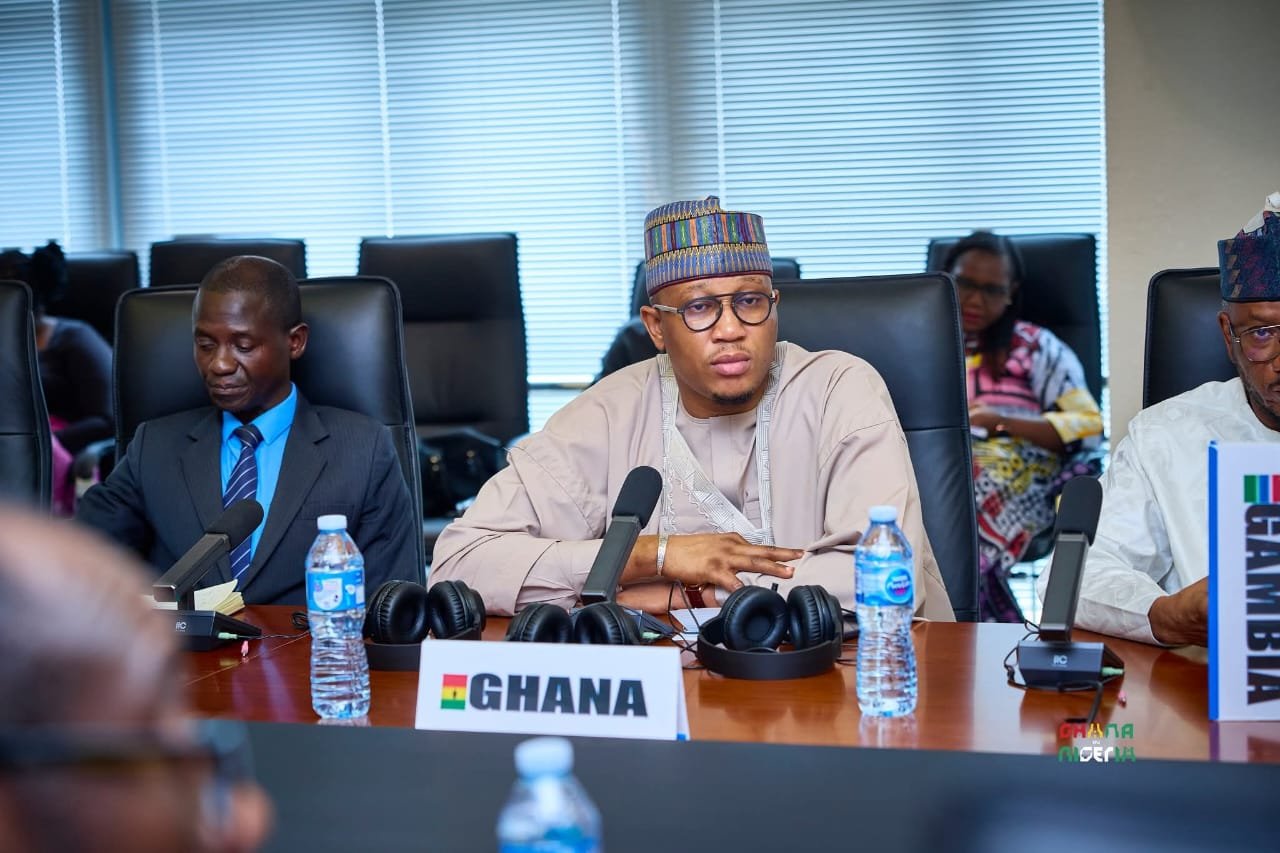
The Ghana High Commission in Abuja, Nigeria, is appealing to the public to help trace the relatives or next of kin of Apia Solomon, a Ghanaian national believed to be from Osu, Accra.
According to a public announcement by the High Commission, Mr. Solomon, born on March 6, 1960, in Accra, died on July 5, 2021, from cardiopulmonary failure.
He worked as a temporary civilian staff member at the National Defence College in Nigeria. His remains are currently being kept at the Nigerian Air Force Hospital morgue in Abuja, pending burial arrangements.
The High Commission says efforts to locate his relatives have so far been unsuccessful and is urging anyone with information about his family, friends or next of kin to come forward.
Anyone with relevant information is encouraged to contact the Ghana High Commission in Abuja.
By: Jacob Aggrey
Security consultant Richard Kumadoe has blamed what he describes as flawed recruitment and incomplete background checks for some of the problems facing the Bureau of National Intelligence (BNI).
He has called on the leadership of the BNI to review the backgrounds of officers recruited during specific periods, particularly those who entered the agency under recent recruitment processes.
Speaking on the issue on TV3 yesterday, Mr Kumadoe alleged that some individuals were recruited into the intelligence agency without proper background checks and completed vetting.
“Certain categories of persons were dumped into the BNI, whose backgrounds were not checked, and whose vettings were not completed,” he stated.
He said some of the officers linked to the concerns appeared to have been recruited within the same period, making it necessary for the agency to examine the recruitment records and backgrounds of those who joined during that time.
Mr Kumadoe argued that the problems could be addressed by ensuring that recruitment procedures were properly followed and that all applicants underwent the required checks before being employed.
According to him, when the selection process is flawed, it can lead to problems within the institution.
He blamed the politicisation of security institutions, arguing that appointing people without the necessary intelligence experience and allowing political interests to influence recruitment could undermine their operations.
“When you have a selection procedure that was flawed because you politicised the place, brought in people to come and head the place when they have no business being there, they don’t know anything about being a BNI officer, they are not intelligence officers, and you flood the place with politicians and political artists, then you circumvent the standard procedure and you are going to have some of these problems,” he said.
Mr Kumadoe, however, defended the current leadership of the BNI, arguing that efforts to address longstanding problems within security institutions could bring such issues to light.
He said the leadership should be assessed in the context of the steps it is taking to improve the agency’s operations and uphold professional standards.
Drawing on his own experience in the intelligence field, he said the opportunity to serve under experienced officers had helped him develop the skills and integrity needed to contribute to national security.
By: Jacob Aggrey