Nutrition
Nutrition as smart economics: Why Ghana must invest in it

- /home/u249204778/domains/spectator.com.gh/public_html/wp-content/plugins/mvp-social-buttons/mvp-social-buttons.php on line 27
Warning: Trying to access array offset on false in /home/u249204778/domains/spectator.com.gh/public_html/wp-content/plugins/mvp-social-buttons/mvp-social-buttons.php on line 27
&description= Nutrition as smart economics: Why Ghana must invest in it', 'pinterestShare', 'width=750,height=350'); return false;" title="Pin This Post">
- Share
- Tweet /home/u249204778/domains/spectator.com.gh/public_html/wp-content/plugins/mvp-social-buttons/mvp-social-buttons.php on line 72
Warning: Trying to access array offset on false in /home/u249204778/domains/spectator.com.gh/public_html/wp-content/plugins/mvp-social-buttons/mvp-social-buttons.php on line 72
&description= Nutrition as smart economics: Why Ghana must invest in it', 'pinterestShare', 'width=750,height=350'); return false;" title="Pin This Post">
When national development is discussed, the spotlight often falls on roads, factories, employment, and technology. Yet, one of the most powerful engines of economic growth remains overlooked: nutrition. A well-nourished population is not just healthier, it is smarter, more productive, and better positioned to drive Ghana’s transformation.
The hidden cost of malnutrition
Malnutrition is not only a public health crisis; it is a silent drain on the economy. According to the Ghana Demographic and Health Survey (GDHS 2022), countries lose up to 3percent of GDP annually due to poor nutrition. For Ghana, this means billions of cedis lost every year through lower productivity, weaker educational outcomes, and soaring healthcare costs. Malnutrition robs the nation of its human capital; the very foundation of sustainable growth.
Nutrition: An investment, not an expense
The evidence is clear: nutrition delivers some of the highest returns on investment of any development intervention. Every cedi spent on nutrition generates multiple benefits:
Higher productivity: Healthy, well-fed workers contribute more to the economy.
Better education outcomes: Children who eat balanced diets learn faster and perform better in school.
Reduced healthcare costs: Preventing malnutrition lowers the burden of disease and reduces long-term treatment expenses.
In short, nutrition is not charity, it is smart economics. Ghana cannot afford to postpone action.
Why Ghana must act now
Ghana has already made bold commitments at the 2025 Nutrition for Growth (N4G) Summit, pledging to halve child stunting and reduce anemia in women. But without adequate financing and political will, these promises risk becoming empty words.
Nutrition interventions such as exclusive breastfeeding promotion, school feeding programmes, and micronutrient supplementation require sustained investment. Without dedicated budget lines and accountability measures, the cycle of malnutrition will continue to undermine development.
A call for leadership and accountability
Nutrition must be placed at the heart of Ghana’s development strategy. Policymakers, parliamentarians, and development partners need to treat nutrition with the same urgency as infrastructure or energy. Civil society organizations, the media, and citizens must also play their part by demanding accountability and ensuring that nutrition remains high on the national agenda.
The truth is simple: a nation cannot grow on an empty stomach. By investing in nutrition today, Ghana secures a healthier, wealthier, and more resilient future. A nourished Ghana is not just a healthier nation; it is a stronger, more prosperous one, ready to achieve its vision of inclusive growth.

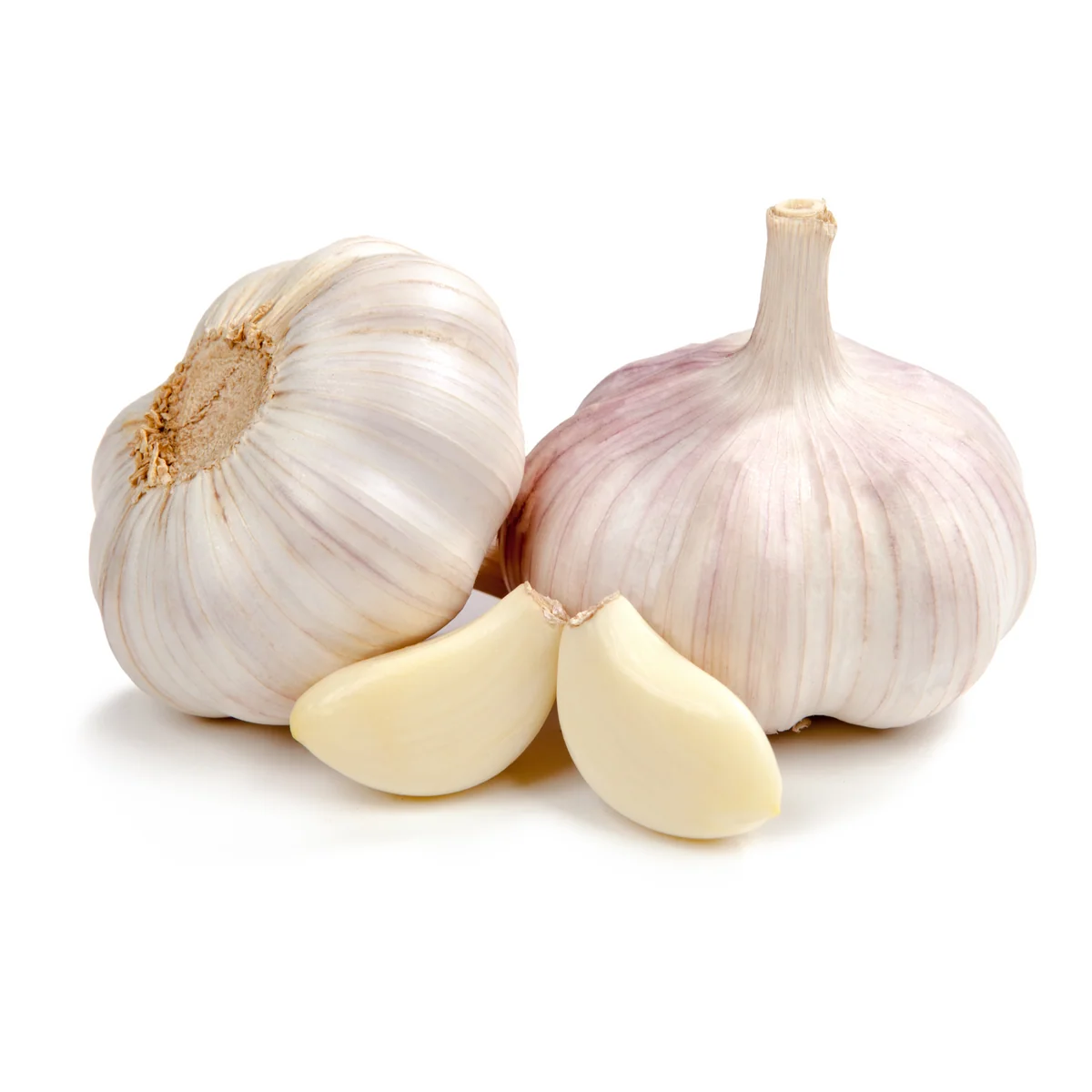
Garlic is a common cooking ingredient with numerous health benefits. Examples include managing cholesterol, boosting heart health, supporting the immune system, protecting against the common cold, and more. Much of garlic’s therapeutic acclaim is down to an active compound called allicin. This sulphur-containing compound gives garlic its pungent smell and distinctive taste.
Luckily for cooks, the action of chopping or crushing stimulates the production of allicin. But it is thought that the application of heat may inhibit some of the perceived medicinal properties, making it best to add garlic late in the cooking process.
– Reduces the risk of heart attacks
Much research has focused on garlic’s potential in reducing the risk of heart disease and helping to manage cholesterol levels. Several studies suggest that garlic makes platelets (the cells involved in blood clotting) less likely to clump together and accumulate on artery walls; this means garlic acts like an anticoagulant and by so doing reduces the risk of heart attacks.
–Manages blood pressure
Garlic may also lower blood pressure through its ability to widen blood vessels, allowing blood to flow more freely.
– Have anti-cancer properties
The sulphurous compounds in garlic have been studied for their ability to inhibit cancerous cells and block tumours. That said, much of the evidence for garlic in relation to colon, prostate, oesophageal and renal cancer is observational, with only small numbers of subjects included in the studies. As a result, the effect garlic has in relation to cancer remains uncertain and more studies are needed.
– Has antimicrobial and antifungal properties
Garlic has a long history of use as an infection fighter against viruses, bacteria and fungi. Some skin conditions, such as warts and insect bites, may also respond to garlic oil or a crushed raw garlic clove.
-Supports bone health
Animal studies suggest garlic may minimise bone loss by increasing oestrogen levels in female rodents. A study in post-menopausal women found a similar effect when a daily dose of dry garlic extract (equivalent to 2g of raw garlic) was consumed.
– Support healthy joints
Studies suggest the consumption of garlic provides some relief from the inflammatory symptoms of arthritis.
-Protects against common cold
Garlic helps to prevent and reduce the severity of illness from flu and the common cold.
– Protects brain
Garlic contains protective compounds that help protect against the cognitive decline associated with ageing. This may slow the progression of conditions such as Alzheimer’s and dementia.
bbcgoodfood.com
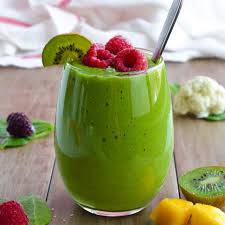
– 2 cups of fresh spinach
-1 cup of almond milk
-1 cup of coconut water
-2 slice of banana or pineapple
– 1/2 cup of greek yogurt
Ice (optional, if not using frozen fruit)
Preparation
- Blend almond milk and spinach
- Continue to blend until no large pieces remain.(This ensures a smooth, non-gritty texture
– Add frozen fruit, yogurt to the mixture
- Blend on high speed until completely smooth.
- Add ice cubes and serve.