Sports
FA must not take withdrawals lightly

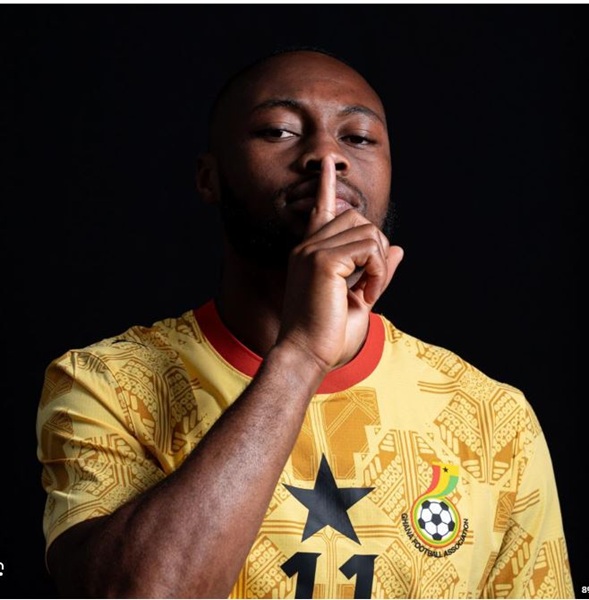
There couldn’t have been a more challenging moment for Black Stars coach, Carlos Queiroz than the situation he faced ahead of the commencement of the 2027 African Cup of Nations (AFCON) Group C qualifiers.
Apart from opening the qualifying campaign with two high-profile encounters against The Elephants of La Cote d’Ivoire, and following up with The Gambia, Queiroz has been hit hard by several player withdrawals.
As of press time, seven top players of the team had announced their withdrawals with just about two days to the Bouake ‘clasico’ where the Ivorians engaged Ghana in a tough clash that reminded fans of their historic meeting in the finals of the 1992 edition of the championship that was decided after a marathon penalty shoot-out.
Queiroz was forced to make late changes to his side as Mohammed Kudus, Thomas Partey, Antoine Semenyo, Captain Jordan Ayew, Prince Adu Kwabena, Alidu Seidu indicated their unreadiness to serve.
This group of players can be considered as the spine of the team, and without them, the team is weak, timid, putting their ability to face the Elephants in their own habitat in doubt.
From the players, several excuses –mostly on injuries and fitness, have been given for the decision and they expect Ghanaians to just accept that and move forward.
Before the withdrawals, Atletic Bilbao’s Inaki Williams also announced his retirement from international football. Fact is, what he actually wanted to tell Ghanaians is that he would not play for the Black Stars again.
Others like Kevin Prince Boateng have walked on this path with the Black Stars before, turning his back on Ghana after enjoying his World Cup experience.
For the two, there would have been no World Cup experience without the opportunities presented by the Black Stars.
All of these are pointing to a particular trajectory which the Ghana Football Association (GFA) must be seen to be finding solutions to.
Clearly, it is showing a pattern where either players are becoming selective with the games they play or beginning to see the AFCON as an inferior championship.
Maybe what every Black Stars player must be reminded about is the fact that Ghana’s credentials at senior level were achieved through efforts at the AFCONs and not the World Cup which Ghana’s maiden qualification came in 2006.
At the AFCON, Ghana boasts of four trophies and considered heavyweights although recent history shows otherwise. For the World Cup, all the Black Stars have to show for is the quadrennial $100,000 appearance fee bonanza.
And if they don’t know, they must be told that those paydays don’t affect Ghana’s position on the FIFA rankings.
Maybe, the recent withdrawals should spark the conversation to let the Black Stars understand that just as they strive to make a name for themselves at the World Cup, fans back home equally demand same for the AFCON that presents a better chance for silverware than the World.
The FA must not entertain these excuses on the face value. They must verify some of the claims and excuses to ensure future withdrawals can be controlled. What is needed for the team to thrive is commitment and dedication at all platforms. Anything less will spell doom for the Black Stars.
By Andrew Nortey

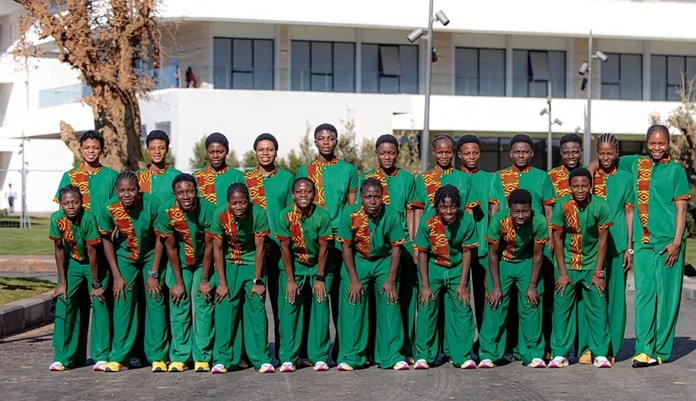
The national U-17 female team, the Black Maidens, have arrived in Rabat from their pre-camp base in Casablanca to begin their campaign at the 2026 FIFA U-17 Women’s World Cup.
The team will open their Group C fixtures against Norway on Sunday, October 18, at the Mohammed VI Football Complex. They will then face Brazil on Thursday, October 22, before wrapping up the group stage against Canada on Saturday, October 24.
During their two-week training camp in Casablanca, the technical team tested the squad’s readiness with two international friendlies against China and Kenya.
The Black Maidens are returning to the global showpiece after missing the last edition, aiming to build on a proud record that includes a bronze medal in 2012 and three quarter-final appearances.
The team is expected to hold its first training session in Rabat on Wednesday as it puts finishing touches to preparations for the opener against Norway.
By Edem Mensah-Tsotorme
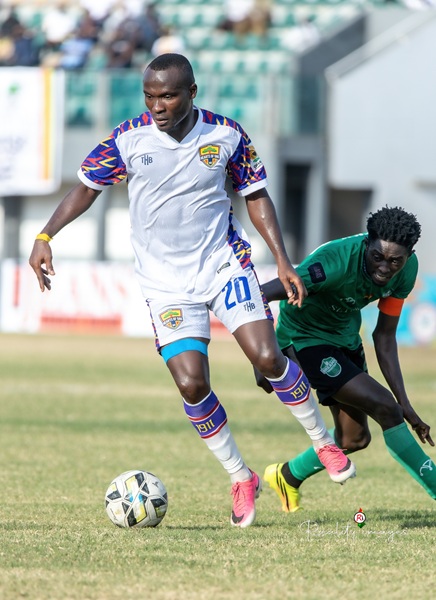
IN modern football, the final whistle doesn’t signal the end of the show; it signals the intermission.
The Top five European Leagues (Premier League, La Liga, Bundesliga, Serie A, and Ligue 1) have mastered a brutal truth of the digital age: you don’t just sell the match; you sell the marathon.
By weaponising transfer window tension, season reviews, and microscopic highlight reels, they’ve turned 90 minutes of sport into a 24/7/365 content vortex.
Meanwhile, back home, the Ghana Premier League (GPL) is haemorrhaging relevance not because the talent isn’t there but because the storytelling is dead.
The Football Association’s apathy is only rivalled by its hypocrisy.
The European Blueprint: Selling the ‘Appetite’
Why do fans tune into a random mid-table La Liga clash on a Friday night? Because they’ve been primed. Across the summer, broadcasters and clubs drip-feed ‘transfer sagas’ like high-stakes soap operas.
Will the star leave? Who is the mystery medical? This tension creates a parasocial investment that transcends the pitch.
Paired with this are season-review documentaries and hyper-curated game highlights tailored for TikTok, Instagram, and YouTube. These aren’t just goal clips; they are tactical breakdowns, sideline theatrics, and VAR controversies packaged into digestible and emotional bites.
This strategy has inflated broadcasting rights to astronomical sums (the Premier League’s recent domestic deal hit £6.7 billion).
They know that if you feed the audience year-round, they will binge-watch when it matters.
The GPL Vacuum: No Sponsor, No Story
Now, overlay this blueprint onto the Ghana Premier League. It is a stark, barren contrast.
The league is poorly run, lacking a headline sponsor to give it financial muscle or marketing prestige. Without that corporate backing, the media machine grinds to a halt.
The transfer market, which should be the peak of offseason intrigue, is a ghost town. We hear about signings, but the transfer fee is universally undisclosed.” We only get the contract length.
This kills the narrative. In Europe, a €100 million move generates weeks of debate; in Ghana, a move generates a one-line social media post, devoid of gravity. Fans cannot gauge ambition, nor can they measure a club’s financial muscle.
Most damningly, there are no reviews from the broadcasting rights holders. No glossy season-compilation DVDs. No weekly magazine shows dissecting past campaigns to build hype for the next.
The Broadcasting Right Holders (BRHs) treat the GPL as an obligation to air live, not as an IP to monetize through content. The league goes dormant the moment the trophy is lifted.
And the FA? They seem unconcerned. There is no strategic blue • A scene from the Ghana Premier League print to pump these ‘stuffs’ into the digital ecosystem. They treat the league’s media output like an afterthought, ignoring that a lack of online noise equals a lack of bums on seats.
The Black Stars Paradox: The Hypocrisy of Production
Here is the crushing irony that exposes the FA’s priorities. When the Black Stars assemble for a World Cup qualifier or an AFCON match, the narrative flips overnight.
Suddenly, the budget for proper camera operators and videographers appears from thin air. We get cinematic drone shots, multi-angle slow-motion replays, tunnel cams, and emotional post-match interviews.
Every moment, every tackle, every save, every passionate fan in the stands is captured in vivid, broadcast-ready quality. The national team gets the full ‘European treatment.’
This reveals a devastating double standard. The FA treats the Black Stars as the sole marketable asset, forgetting that the GPL is the engine room that produces these stars.
By diverting all production value to the national team while starving the domestic league of visual prestige, they are cannibalizing their own foundation.
The Verdict
You cannot build a football culture on national team fixtures alone.
Europe thrives because they understand that content is the currency of fandom.
Until the Ghana FA secures a headline sponsor, enforces transparent transfer disclosures (to fuel debate), and mandates that broadcasting partners produce engaging season reviews and highlight packages, the GPL will remain a hidden gem rather than a sparkling crown.
The players are there. The passion is there. But if the FA continues to save its best camera angles for the Black Stars while leaving the Premier League in the dark, they aren’t just failing the clubs; they are starving the very appetite they desperately need to feed
By Leslie Agyemang