News
Koforidua Diocese Anglican Church rehabilitates Pat Memorial Clinic to provide maternity services


The Koforidua Diocese of the Anglican Church has officially inaugurated the rehabilitated Pat Memorial Anglican Clinic to provide maternity services and other quality healthcare to the community.
The fully-funded one-storey facility features a maternity ward, pharmacy, general Outpatient Department (OPD) and laboratory, among other essential units.
Speaking at the ceremony, the Clinic Administrator, Reverend Father Dr Isaac Sarfo Acheampong, expressed profound gratitude for the successful completion of the project, noting that the clinic stood as a testament to faith, vision, and community spirit.
He recounted that the facility, originally a maternity home, was inspired by the life and legacy of the late Patience Quartey and later continued by her daughter, Madam Kathlyn Ababio, both dedicated members of the Anglican Church.

Following their demise, the home became dormant until the family handed it over to the church, which rehabilitated it into a clinic committed to delivering holistic care to all, regardless of status, age, or background.
While celebrating the milestone, Rev. Dr. Acheampong underscored the urgent need to fully equip the clinic’s operating theatre.
He appealed to philanthropists, corporate bodies, faith-based organisations, and individuals to support the procurement of surgical instruments, anaesthesia machines, patient monitors, theatre beds, theatre lights, suction machines, diathermy and sterilisation equipment, as well as chemistry analysis and ultrasound machines.
The Administrator acknowledged the contributions of the Anglican Bishop of Koforidua, Rt. Rev. Felix Annancy, the Health Facilities Regulatory Agency (HeFRA), and other stakeholders for their roles in the rehabilitation and inauguration of the facility.
He emphasized that the clinic’s mission goes beyond treating illnesses, aiming also to restore hope, dignity, and compassion.
The Eastern Regional Coordinator of HeFRA, Mr. John Asomaning Agyapong, confirmed that the clinic had successfully met all requirements to operate fully and formally presented its operational licence.
The Deputy Eastern Regional Director of Health Services, Dr Samuel Borlabi, commended the church for its initiative, noting that the facility would complement existing health centres in the municipality and contribute to improving the overall well-being of residents.
Bishop Annancy, who also chairs the clinic’s Board of Trustees, pledged the church’s commitment to providing quality health services.
He urged staff to work with dedication and compassion, reflecting the church’s mission to serve humanity.
From Ama Tekyiwaa Ampadu Agyeman, Koforidua


The Ghana High Commission in Abuja, Nigeria, is appealing to the public to help trace the relatives or next of kin of Apia Solomon, a Ghanaian national believed to be from Osu, Accra.
According to a public announcement by the High Commission, Mr. Solomon, born on March 6, 1960, in Accra, died on July 5, 2021, from cardiopulmonary failure.
He worked as a temporary civilian staff member at the National Defence College in Nigeria. His remains are currently being kept at the Nigerian Air Force Hospital morgue in Abuja, pending burial arrangements.
The High Commission says efforts to locate his relatives have so far been unsuccessful and is urging anyone with information about his family, friends or next of kin to come forward.
Anyone with relevant information is encouraged to contact the Ghana High Commission in Abuja.
By: Jacob Aggrey
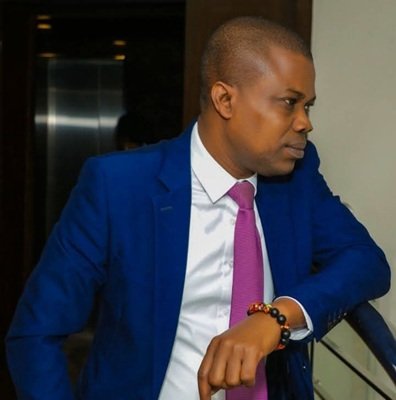
Security consultant Richard Kumadoe has blamed what he describes as flawed recruitment and incomplete background checks for some of the problems facing the Bureau of National Intelligence (BNI).
He has called on the leadership of the BNI to review the backgrounds of officers recruited during specific periods, particularly those who entered the agency under recent recruitment processes.
Speaking on the issue on TV3 yesterday, Mr Kumadoe alleged that some individuals were recruited into the intelligence agency without proper background checks and completed vetting.
“Certain categories of persons were dumped into the BNI, whose backgrounds were not checked, and whose vettings were not completed,” he stated.
He said some of the officers linked to the concerns appeared to have been recruited within the same period, making it necessary for the agency to examine the recruitment records and backgrounds of those who joined during that time.
Mr Kumadoe argued that the problems could be addressed by ensuring that recruitment procedures were properly followed and that all applicants underwent the required checks before being employed.
According to him, when the selection process is flawed, it can lead to problems within the institution.
He blamed the politicisation of security institutions, arguing that appointing people without the necessary intelligence experience and allowing political interests to influence recruitment could undermine their operations.
“When you have a selection procedure that was flawed because you politicised the place, brought in people to come and head the place when they have no business being there, they don’t know anything about being a BNI officer, they are not intelligence officers, and you flood the place with politicians and political artists, then you circumvent the standard procedure and you are going to have some of these problems,” he said.
Mr Kumadoe, however, defended the current leadership of the BNI, arguing that efforts to address longstanding problems within security institutions could bring such issues to light.
He said the leadership should be assessed in the context of the steps it is taking to improve the agency’s operations and uphold professional standards.
Drawing on his own experience in the intelligence field, he said the opportunity to serve under experienced officers had helped him develop the skills and integrity needed to contribute to national security.
By: Jacob Aggrey