Profile
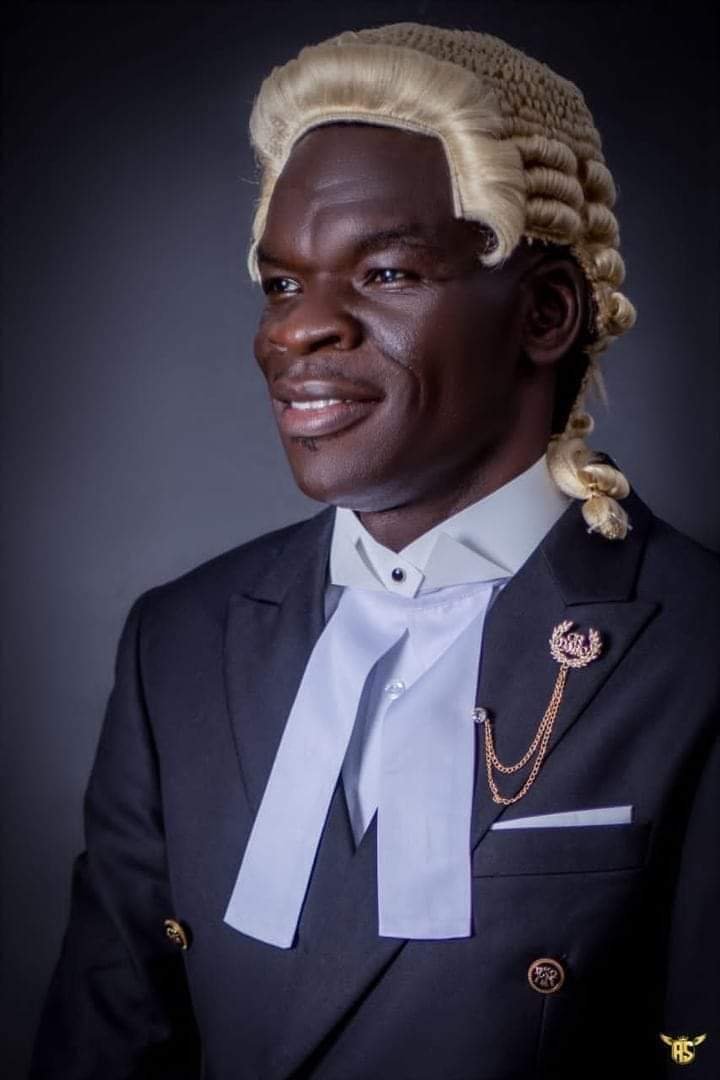
Juventus Duorinaah, Ghana’s first deaf Lawyer

- /home/u249204778/domains/spectator.com.gh/public_html/wp-content/plugins/mvp-social-buttons/mvp-social-buttons.php on line 27
https://spectator.com.gh/wp-content/uploads/2024/12/Deaf-Lawyer1-720x600.jpeg&description=Juventus Duorinaah, Ghana’s first deaf Lawyer', 'pinterestShare', 'width=750,height=350'); return false;" title="Pin This Post">
- Share
- Tweet /home/u249204778/domains/spectator.com.gh/public_html/wp-content/plugins/mvp-social-buttons/mvp-social-buttons.php on line 72
https://spectator.com.gh/wp-content/uploads/2024/12/Deaf-Lawyer1-720x600.jpeg&description=Juventus Duorinaah, Ghana’s first deaf Lawyer', 'pinterestShare', 'width=750,height=350'); return false;" title="Pin This Post">
In a landmark moment for Ghana’s legal landscape, Juventus Duorinaah Esq., has etched his name in history as the country’s first lawyer with a hearing impairment.
His journey from a humble background to breaking barriers in the legal profession serves as a powerful inspiration for countless individuals in the disability community, proving that determination and resilience can defy societal expectations and create pathways to success.
For Juventus, the recognition as Ghana’s first deaf lawyer feels surreal.
“It feels like a dream,” he reflects, acknowledging the stereotypes surrounding deafness and the humble background from which he hails.
Juventus’ passion for law sparked in 2008 while seeking admission to the University of Ghana (UG). Although he initially faced challenges due to the nature of the application process, the help of his older brother and his determined spirit led him to pursue a Bachelor of Arts degree in 2012, followed by a Master of Laws at Cardiff University in 2014.
His passion for the study of law became highly intense when he had to study alongside qualified lawyers from several jurisdictions, even though he did not have a legal background. Here, he faced the unique challenge of studying without sign language interpreters, relying instead on a palantypist to transcribe lectures.
Juventus’ role model was his professor and mentor, Professor Luke Clement, who profoundly inspired him in shaping his understanding of law and human rights.
He remembers Prof. Thomas Stephens from the University of Ghana School Of Law, who inspired him with his way of dressing, in-depth knowledge of the law and engagement with students.
He recounts the enormous challenges he encountered during the COVID-19 pandemic in 2020, when lectures moved online, and Dr Stephen’s tremendous support to ensure things moved quickly and smoothly for him.
“I also had the chance to have a few classes with the Dean himself, Prof. Raymond Atuguba. He taught the course such that some of us never felt scared as other lecturers made the course,’ he recalled.
Juventu’s academic journey was fraught with challenges, particularly in communication.
The year 2007 was the last time he studied with deaf peers. He was often the only deaf person in his classes throughout the following years of his education, which made interaction with peers difficult.
Despite these hurdles, he remained high-spirited, studying late into the night and seeking help from kind classmates when necessary.
Reflecting on his academic experience at UG, he connected his affection for the university to his older brother, who is also an alumnus. He felt inspired to be a student of the premier university, saying he would choose the University of Ghana any time, any day, if given the chance to further his studies or work.
The University Of Ghana School Of Law, along with its Dean, Professor Raymond Atuguba, the Director of Legal Education of the Ghana School of Law, Yaw Bramiah Oppong, and his capable team, including the Registrar and Deputy Registrar of the Ghana School of Law and the Office for Students with Special Needs (UG), made significant contributions to his journey.
Prof. Atuguba acknowledged Juventus’ achievement as evidence of the university’s commitment to Diversity, Equity and Inclusion.
Commenting on how the school accommodated his special needs, Prof. Atugugba explained that ‘In the case of Juventus, we worked closely with him to understand and address his special needs, ensuring he had access to the teaching and learning resources in the appropriate formats that would support his academic journey.
Professor Atuguba noted that Juventus’s journey is just beginning, and the future holds promise for him and the many lives he aims to touch along the way.
Juventus’s close friend, Ida Esi McOwusu Esq., described her first encounter with Juventus as ‘intriguing.’ “My first meeting with Juventus was in class, where he sat right in front of me in first year,” Ida reveals. She was intrigued and wanted to find out more about him, especially how Juventus navigated his way to this level. “I got closer and we became friends from there,” she remarked.
Mr Francis Kweku Essel, Juventus’ interpreter, shed light on the primary challenges he faced in carrying out his job, particularly the complex nature of legal terminology and concepts. This validates Ida’s comment on the interpreters’ lack of legal background as a challenge Lawyer Duorinaah encountred.
Juventus dreams of becoming a judge and aims to enhance justice delivery while serving as a role model for young people with disabilities.
He is currently mentoring a group of young deaf students interested in pursuing law, hoping to pave the way for future generations. What’s next for Lawyer Juventus? His next step is to complete his pupilage, after which he can decide further his legal career.






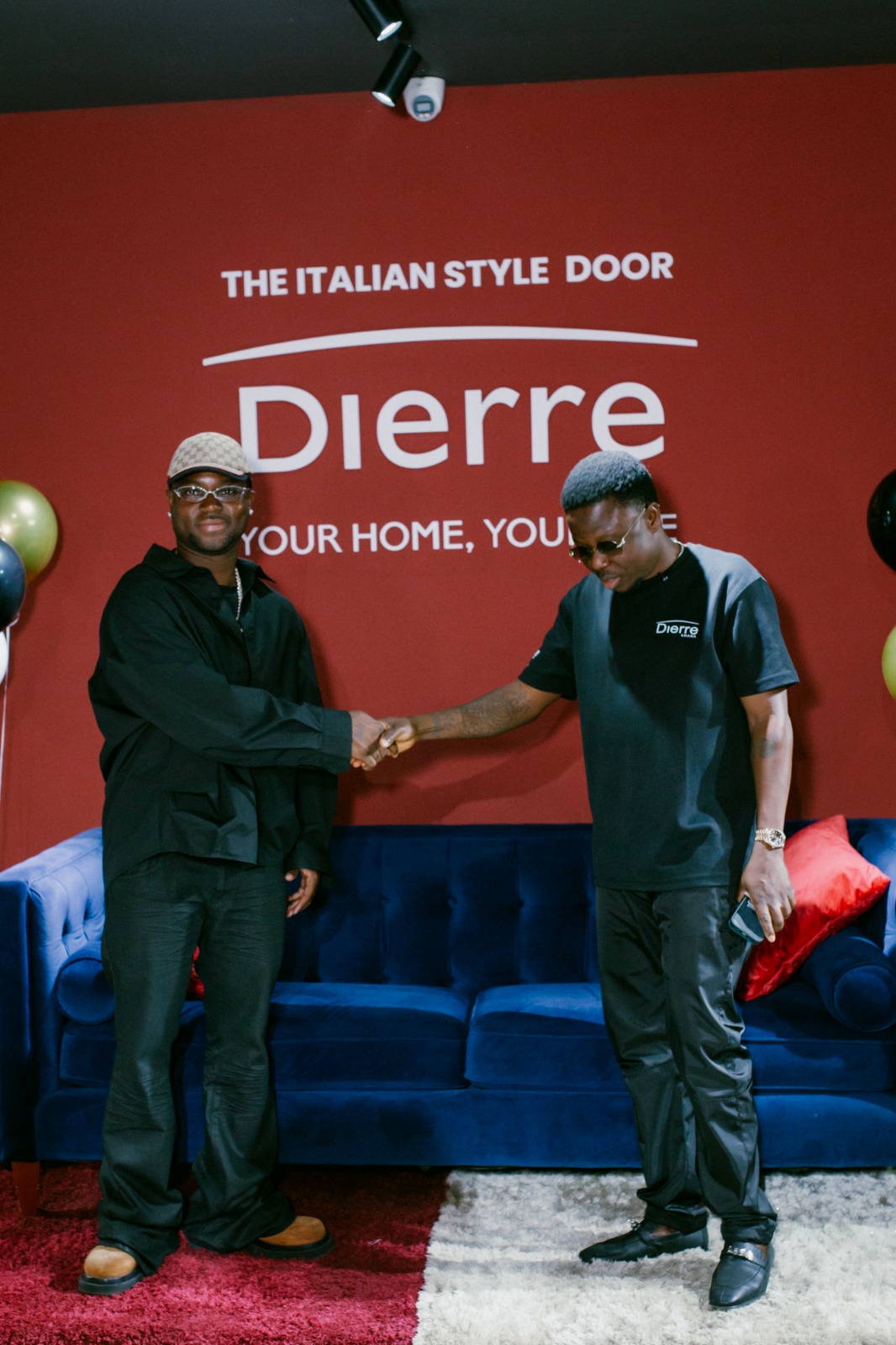
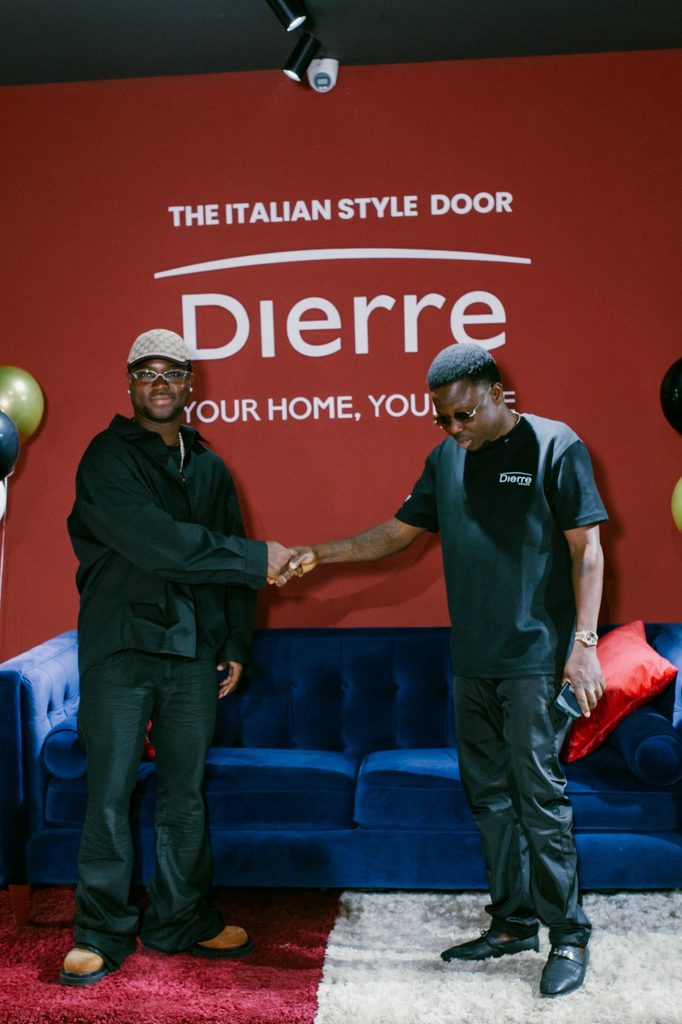
Italian premium security door manufacturer Dierre S.p.A. has named award-winning Ghanaian Afrobeats and Highlife artiste King Promise (Gregory Bortey Newman) as the face of its new Ghana and West Africa marketing campaign.
The partnership, managed by Regiments Management Company Limited, forms part of Dierre’s efforts to strengthen its presence in the West African market.
The two-week campaign, themed “Secure What Matters,” will run across digital, outdoor and influencer platforms, with King Promise featuring in a campaign film showcasing Dierre’s Prestige and Synergy security door ranges.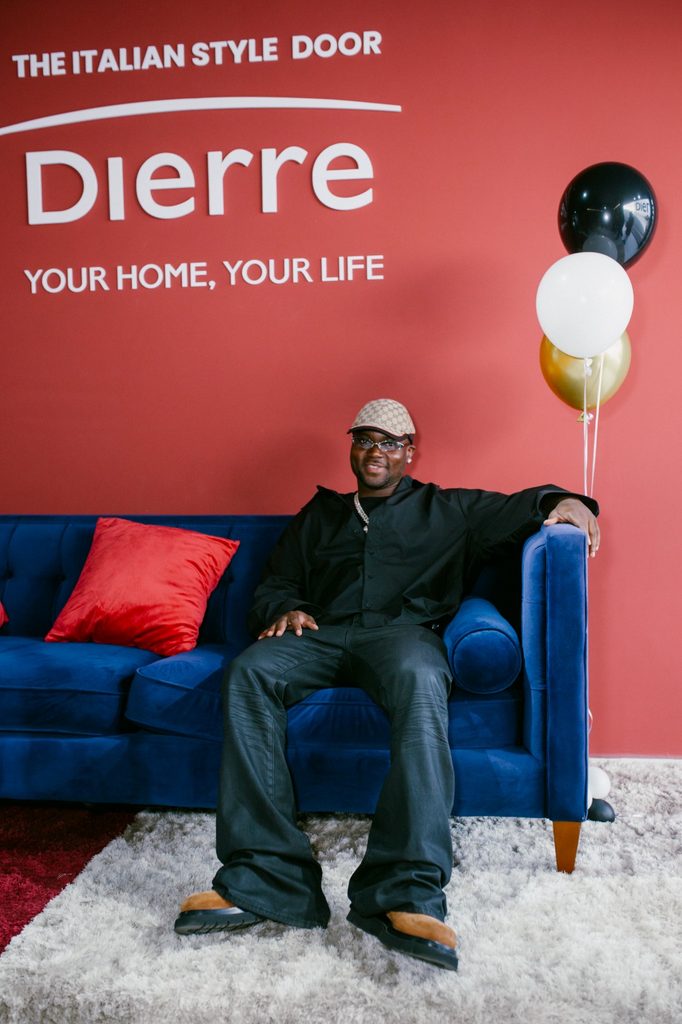
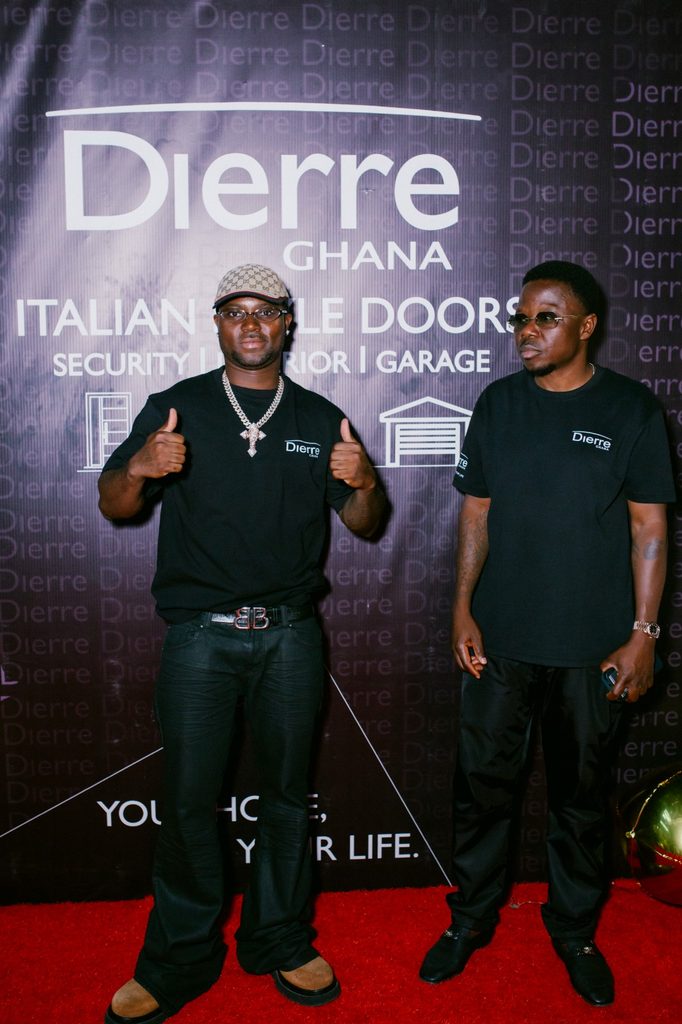

“Home is everything. It is where you protect the people and things that matter most. Dierre builds doors that reflect exactly that security, quality and style without compromise. I am proud to represent a brand that stands for those values,” King Promise said.
Founded in Italy, Dierre is a global manufacturer of armoured security doors, interior doors and fire-protection systems. Its products carry international anti-burglary certifications across Classes 3, 4 and 5, with the company producing hundreds of thousands of doors, locks and safes annually.
King Promise is one of Ghana’s leading Afrobeats and Highlife artistes, known for his distinctive sound, international collaborations and growing global audience.
The partnership combines Dierre’s security and design expertise with King Promise’s influence in contemporary African music and culture, as the brand expands its consumer engagement in Ghana and across West Africa.
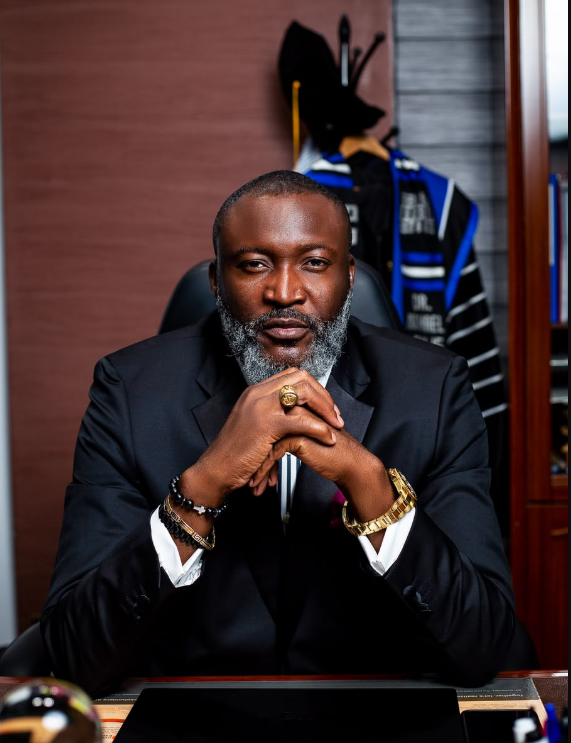
From humble beginnings to building an enterprise with global ambitions, Michael L. Bartlett-Vanderpuye’s journey is a story of discipline, independence, resilience and the belief that businesses should be built to outlive their founders.
Long before he became the Group Chairman of M&C Group, Michael L. Bartlett-Vanderpuye was building from modest beginnings.
His entrepreneurial journey did not start in a sophisticated corporate office or with a large team behind him.
At one stage, he was working from his room with limited resources, focused on turning an idea into a viable business.
That beginning became an important part of his philosophy: build the business first, then let the infrastructure grow with it.
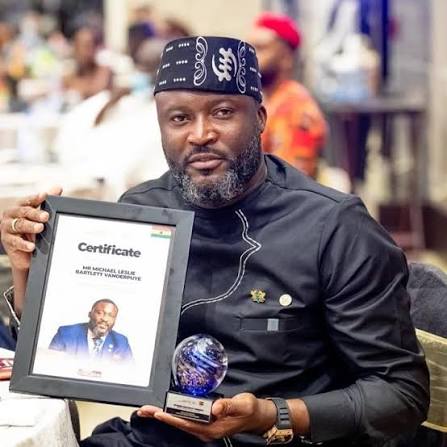
Michael’s early experiences shaped his determination to become an entrepreneur. After university and periods of professional employment, including banking, accounting, marketing, packaging and logistics, he developed a deeper understanding of how businesses operate and how different industries connect.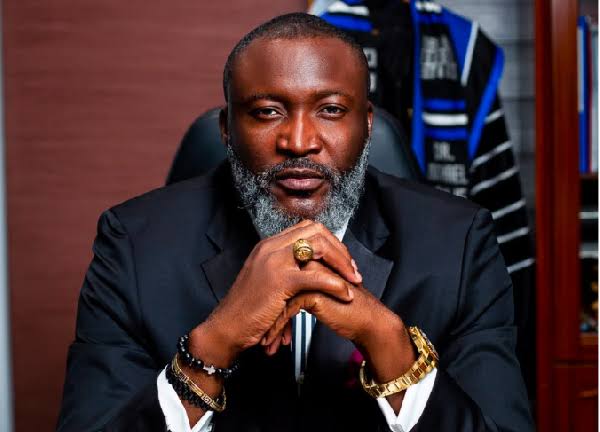
His exposure to mining advisory work, property and other commercial opportunities broadened his perspective and helped him identify opportunities beyond a single sector.
But the journey was far from easy.
He recalls the uncertainty of sending proposal after proposal without knowing which one would eventually open a door.
Even after establishing an office in East Legon, some people assumed he was working for someone else because they could not imagine that the business belonged to him.
The confidence and corporate presence associated with success today were built through years of uncertainty, rejection, experimentation and persistence.
His evolution from working out of a room to leading M&C Group reflects a broader philosophy that has guided his business life: do not build an image before you build the substance.
For Michael, entrepreneurship is not simply about owning a company. It is about learning how to turn knowledge, relationships, opportunities and resources into sustainable value.
He believes professionals in every field can develop an entrepreneurial mindset by creating assets, building networks, investing in opportunities and developing additional sources of value alongside their careers.
That philosophy has influenced the way he approaches business expansion. Rather than viewing companies as isolated entities, Michael sees opportunities to create connections between industries, people and services.
Strategic partnerships, in his view, can create greater value than treating every other business as a competitor.
His approach has also been shaped by research and international exposure. He argues that entrepreneurs must understand the markets they enter rather than simply copy businesses they see succeeding elsewhere.
Behind every successful enterprise, he believes, are structures, regulations, relationships, research and decisions that may not be immediately visible from the outside.
As his business interests have grown, so has his ambition. M&C Group represents a significant chapter in that evolution, reflecting his drive to build an enterprise that extends beyond a single venture.
His vision is rooted not merely in personal wealth, but in creating businesses capable of generating employment, developing people, building partnerships and contributing to the wider economy.
Michael is particularly concerned about the role of the private sector in addressing unemployment and creating sustainable opportunities. For him, a successful business should ultimately do more than enrich its owner. It should employ people, develop skills, support suppliers and create opportunities that extend beyond the founder.
That long-term perspective is central to his understanding of success.
He is cautious about equating visibility with achievement. In an age where social media can make a business appear larger than it is, Michael believes the real measure of an enterprise lies in its systems, customers, assets, operations and results. The brand should be supported by substance.
His personal journey has therefore become a lesson in patience and discipline. The man who once had to convince people that the business was actually his now speaks about building systems, protecting capital, understanding markets and thinking beyond the immediate reward.
And his ambitions do not stop with the present generation.
Michael describes legacy as something that should extend beyond his children to future generations. His objective is to build something sustainable-something that can continue creating value after he is no longer at the centre of it.
From a modest room and limited resources to the boardroom and the development of a growing business group, Michael L. Bartlett-Vanderpuye’s story is ultimately about building before displaying, learning before expanding and creating something designed to last.
His journey is a reminder that global ambition does not necessarily begin with global resources. Sometimes, it begins with little more than an idea, discipline, persistence and the willingness to start where you are. – MyStoryMagazine

 Entertainment1 week ago
Rhythms On Da Runway returns November 28 with 16th edition themed ‘Unbound’
- Entertainment1 week ago
Ohemaa Mercy’s Tehillah Experience outfit was priestly regalia, not costume – Management clarifies
 News1 week ago
Janet Asana Nabla criticises Mahama over China curriculum controversy involving Haruna Iddrisu