Health Essentials
A NATION MOURNS WHILE BATTLING A PANDEMIC

- /home/u249204778/domains/spectator.com.gh/public_html/wp-content/plugins/mvp-social-buttons/mvp-social-buttons.php on line 27
Warning: Trying to access array offset on false in /home/u249204778/domains/spectator.com.gh/public_html/wp-content/plugins/mvp-social-buttons/mvp-social-buttons.php on line 27
&description=A NATION MOURNS WHILE BATTLING A PANDEMIC', 'pinterestShare', 'width=750,height=350'); return false;" title="Pin This Post">
- Share
- Tweet /home/u249204778/domains/spectator.com.gh/public_html/wp-content/plugins/mvp-social-buttons/mvp-social-buttons.php on line 72
Warning: Trying to access array offset on false in /home/u249204778/domains/spectator.com.gh/public_html/wp-content/plugins/mvp-social-buttons/mvp-social-buttons.php on line 72
&description=A NATION MOURNS WHILE BATTLING A PANDEMIC', 'pinterestShare', 'width=750,height=350'); return false;" title="Pin This Post">
The year 2020 will always be remembered for the wrong reasons but even in the midst of the chaos there are great lessons that one can learn and many of us will find inner strength that we never knew existed deep within us.
Thursday, November 12, 2020 started beautifully just as most days do then by mid-morning the skies became cloudy and soon after news started trickling in that our former president, Jerry John Rawlings has taken an unexpected trip to his maker. The mood in the country mirrored that of Tuesday, July 24, 2012 when we lost our sitting president Professor J.E.A Mills. This comes at a time when the pandemic is already causing enormous mental health challenges and we need to marshal all the resources available.
Sometimes we are preoccupied with many unnecessary things and never pause to appreciate a person until it is too late. Some people may even be angry because they think things should have followed a different path. That is not ours to determine; it is the sole right of the bearded one above. Whichever group you may belong to, it is your right to express yourself. We all grieve differently and I can assure you there is no right or wrong way to grieve, neither is there a specific grief path that we all need to follow but one thing remains possible, there are healthy ways to cope with pain that in time can renew you and permit you to move on. Time definitely heals many wounds.
Grief is a natural response to loss. It is the emotional suffering that one experiences when someone you love is taken away by death for instance.
Remember these as you grief
- Ignoring your pain will not make it go away faster. It will rather make it worse in the long run. Express your emotions even if it means you have to do it in “private”
- There is no need to be “strong” in the face of loss; crying does not make you a weak person. Feeling sad, frightened or lonely is normal at such a time.
- There is no appropriate period to grieve: for some it may last only a few days while for others it may take over a year. It varies from one individual to another.
- The fact that you are not shedding tears does not mean you are not deeply hurt. You may be equally or even much more affected than someone who is raining tears.
Over 40 years ago, a psychiatrist Elisabeth Kubler-Ross described 5-stages of grief. Definitely many of us were in DENIAL on the morning of Thursday, November 12. Remember we all grieve differently and we may not go through all the stages. Some of us will also not go through grief in the order listed by Kubler-Ross, a fact that she pointed out herself.
- Denial – “this can’t be happening to me”
- Anger – “who is to blame”
- Bargaining – “make this not happen and in return I will…”
- Depression – “I am too sad to do anything”
- Acceptance – “I am at peace with what happened”
Common Symptoms of Grief
- Shock and disbelief
- Sadness – this is probably the most universal symptom
- Guilt – you may regret or feel guilty about what you said or did not say or do
- Anger – even if the loss was nobody’s fault you may experience anger and resent
- Fear – a significant loss may trigger a host of worries and fears. One may feel anxious and even insecure.
- Physical symptoms – grief may go beyond emotions and we may experience inability to sleep, body pains, fatigue and even nausea.
Together we can cope in a healthy way
- Get support
- Seek comfort in people who care about you. Fortunately in our current situation, we have millions of people to share our thoughts, feelings and fears with. This can ease the pain. The media houses are doing a fairly good job at that.
- Draw comfort from your faith – this is a great time to pray, meditate, read words of inspiration from the Bible, Quran etc. it helps to know that there is a superior God whom we can cast our burdens on. Those who do not have a religious leaning may have some challenges in this area.
- Take care of yourself
- Face your feelings instead of avoiding or suppressing them all the time
- Express your feelings in a tangible way – it is refreshing to read or listen to people share their thoughts on radio, television, in newspapers, on facebook, twitter and a host of other avenues. If you do not have access to any of these or it may be inappropriate for you at this time, you may write your feelings down on paper
- Physical health is important – when you feel good physically, you will also feel better emotionally. Combat the sadness and fatigue by eating right, exercising and getting enough sleep. Do not use alcohol or drugs to numb your feelings; you may be asking for trouble.
- Do not dictate how others should feel and neither should they determine what you feel. We all grieve differently.
- Plan ahead for grief “triggers”. It is important to know that we will occasionally find ourselves in the woods even after it appears we have overcome our pain. You may need to be well psyched in certain situations; in our case when the National Anthem is played or sang, when speeches by our departed president are replayed or as factors leading to his demise are “interrogated”
- Remember that all humans grieve and you have done nothing wrong by grieving
When to seek professional help
Time is a great healer of many things including pain. After a while we expect that the intensity of our pain etc should wane. If it does not and we have any of the feelings below then we need to seek urgent professional help.
- Feel like life is not worth living
- Wish you had died with your loved one
- Blame yourself for the loss or failing to prevent it
- Feel numb and disconnected from others for more than a few weeks
- Having difficulty trusting others since your loss
- Are unable to perform your normal daily activities.
Nana Konadu and children, Ghanaians share in your pain and we will continue to pray with you. It is our prayer that God keeps JJ in His bosom. May God bless Ghana.
AS ALWAYS LAUGH OFTEN, ENSURE HYGIENE, WALK AND PRAY EVERYDAY AND REMEMBER IT’S A PRICELESS GIFT TO KNOW YOUR NUMBERS (blood sugar, blood pressure, blood cholesterol, BMI)
Dr Kojo Cobba Essel
Health Essentials Ltd/Mobissel/St. Andrews Clinic
(www.healthessentialsgh.com)
*Dr Essel is a Medical Doctor, holds an MBA and is ISSA certified in exercise therapy, fitness nutrition and corrective exercise.
Thought for the week –“Every individual in this universe experiences grief at one stage or the other. Death is the universal truth and no one can avoid it.”
Reference:
- Helpguide.org – “coping with grief and loss – understanding the grieving process”
- www.people-health.com


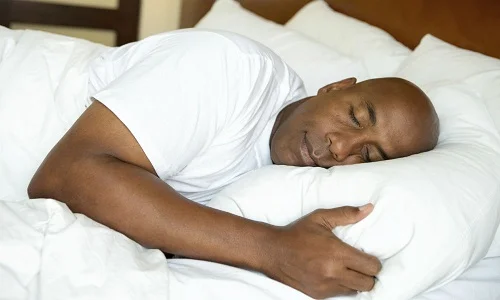
It appears I am stuck in sleep mode; last week we discussed sleep hygiene and now it’s napping. Could it be my brain doing its best to make me understand it needs more sleep?
Many of us developed a love for afternoon naps while in school because it was mandatory to “sleep” after lunch. It may have been a luxury to get restful sleep in one’s junior years but our brains got the message: sleep after lunch to get a boost in energy to prepare you for the rest of the day.
As the years rolled by sleeping after lunch, for instance, has become a mirage but everyone loves a “power nap”. The French do a great job when it comes to their afternoon break.
If you enjoy your naps, you may have experienced that feeling of extending your sleep once you go beyond half an hour. It’s that feeling of no turning back. On the other hand, if you nap for just about 30 minutes you seem to have a new lease of energy.
I love naps whenever I get a chance to squeeze one in, but school had siestas that lasted about an hour so sometimes I love to revisit the days of old. A new research finding is, however, about to trample on that glorious time spent hitting on the snooze button and being at peace with the sheets, chair or even bench or floor in some instances.
We all appreciate that getting enough sleep is key to good health but this study suggests that long daytime naps may not be in your best interest.
The researchers found that long naps in excess of 40 minutes and excessive daytime sleepiness were associated with an increased risk for conditions such as high blood pressure, diabetes, obesity and high cholesterol; collectively referred to as metabolic syndrome.
The research showed that people who napped for less than 40 minutes were not at increased risk for metabolic syndrome. In fact, those who napped less than 30 minutes had a slight decrease in risk.
The findings seem to point accusing fingers at those of us who nap for over 40 minutes; that is when the problems seem to begin. I am sure you can confidently guess what happens when people nap for over 90 minutes; the risk of developing metabolic syndrome increased by as much as 50%.
“The review also found that napping for more than an hour or being overly tired during the day were both linked with a 50 percent higher risk for type 2 diabetes.”
“However, the study only found an association between these factors, and did not prove that excessive sleepiness and long naps actually cause metabolic syndrome or diabetes.”
Is it possible that those of us who nap for long periods of time also avoid physical activity and probably over-indulge in comfort foods, hence increasing the risk for these lifestyle diseases?
One thing is certain, you cannot go wrong with a short nap; it can be extremely satisfying. So while the scientists continue to explain and maybe confirm these findings, let us limit our naps to 30 minutes. If you have extra time take a walk or get some work done.
This may be a reminder that too much of even a good thing may be harmful. Sleeping has great benefits including reducing our risks for developing heart and blood vessel diseases such as stroke, it improves our immunity and also enhances our performance in all spheres of life.
Just as sleeping in excess of 9 hours at a time has been linked with bad outcomes, excessive daytime napping is now getting its “day in court”. Moderation in all things must be key!!
A nap is essential for every individual
A 20-minute nap in the early afternoon may:
• Ease your stress
• Sharpen your memory
• Help you react faster
• Improve your job performance
• Boost your energy
• Lift your mood
• Make you more alert
How long did you nap today?
AS ALWAYS LAUGH OFTEN, ENSURE HYGIENE, WALK AND PRAY EVERY DAY AND REMEMBER IT’S A PRICELESS GIFT TO KNOW YOUR NUMBERS (blood sugar, blood pressure, blood cholesterol, BMI)
Dr. Kojo Cobba Essel
Health Essentials Ltd/ Medics Clinic
(dressel@healthessentialsgh.com)
Dr. Essel is a medical doctor with a keen interest in Life Style Medicine, holds an MBA and is an ISSA Specialist in exercise therapy, fitness nutrition and corrective exercise. He is the author of the award-winning book, ‘Unravelling The Essentials of Health & Wealth.’
Thought for the week – “Sleep is an important component of our healthy lifestyle, as well as diet and exercise,” says Dr. Tomohide Yamada. “Short naps might have a beneficial effect on our health, but we don’t yet know the strength of that effect or the mechanism by which it works.”
References:
- WebMD News from HealthDay by Robert Preidt
- Extract from “The Importance of Obtaining Adequate Sleep” by Dr. Obo Addy
Your Weekend Companion
www.spectator.com.gh
SKIP THE QUEUE, TAP THE NEWS
You can now read the Ghanaian Times and The Spectator newspapers from the comfort of your device via TimesNewsPlus.
Join our WhatsApp Channel: https://whatsapp.com/channel/0029VbBElzjInlqHhl1aTU27

Sleep comes in different shades. There are those who sleep pretty and hardly move an inch in bed. Then we have those who are virtually at war when in bed and may turn a whole 360 degrees several times in the land of the unknown. Woe betide you if you find yourself in the same “sleep ring” with such a fighter. The most “decorated” ones bring music to sleep and the noise that exudes from their throats, nostrils and mouth could compete with any orchestra except that harmony is often thrown to the wind; those of us who belong to this category know ourselves.
Inspite of all the above, when I am hard pressed to pick one thing that has the greatest impact on one’s health, I will say SLEEP reigns. Too many challenges spring up when we fail to get enough sleep and it’s no wonder that at the doctor’s office we hear many complaints of not being able to sleep.
Most of the time the solution is not in popping pills but the Sleep Hygiene Tips below will go a long way to make a difference in your sleep and subsequently your health.
Sleep hygiene tips
- Create darkness in the room
- Sleep is easier when your room is dark. A bright room may be a challenge especially if you already have a bunter with sleep.
- Have a Regular sleep plan
- Keep to the safe time you go to bed and also time you wake up. Regularity is key.
- Ensure room is cool and well ventilated
- An extremely hot or cold room may keep you awake just tossing and turning. A nice breeze makes sleep even better.
- Wind down or unplug about an hour to bedtime
- Rushing throughout the day and then diving into bed may not be the best remedy for sleep. Slow down, start putting off lights, stop working and maybe spend about 5 minutes meditating or speaking to God.
- Avoid phones, laptops, work in bed/bedroom
- These have no business in your sleep area and should not be in your bed for sure. The glare from lights, the vibrations or sounds from messages and even calls may keep you awake and give you a nightmare with your eyes wide open.
- Exercise
- Exercise and laugh and you will be preparing yourself for a sound sleep. You may exercise anytime of the day but when you struggle a lot with sleep the ideal time may be four to six hours before bedtime. Exercising an hour or two before you sleep may rather keep you alert and awake.
- Watch your food intake; don’t overeat, avoid spicy food and lots of oil
- Gluttony is definitely “sinful” and one of the instant punishments is discomfort and difficulty sleeping. A full stomach at bedtime makes one wish for daybreak. The spices can also cause havoc especially when eaten late. That heartburn will wake you up and keep you sitting and cursing all night.
- Watch what you drink; stimulants may affect your sleep e.g. caffeine, fizzy drinks, alcohol and energy drinks
- If you have trouble with sleep or you do not want your sleep to be disturbed in any way, avoid these 4 clear hours or more before sleep time. ACOHOL deceives you into thinking you will sleep only to wake up early, feeling unrested or making dashes to the washroom.
- Discuss with your doctor when to take some of your prescribed medication
- Sometimes some medications we are on may cause us to wake up several times to urinate and should preferably be taken much earlier in the day. Others keep us alert over several hours.
- Writing your TO DO LIST for the next day relaxes the brain
- The brain sometimes will keep “working” in an attempt not to forget what you need to do the following day. Hack your brain by writing down or typing out your To Do List for the following day and you will be blessed with good sleep.
- Get professional care to diagnose and manage medical conditions
- Sometimes it’s a medical condition that is directly or indirectly depriving us of good sleep and our health professional can help us find and treat this so we can once more enjoy the bliss of the Lotus Eaters. Maybe it could be a medication that is just not right for you.
Popping pills to sleep in most cases will not solve the challenge and should never be our first line of correcting our sleep wars. Adopt these hygiene tips today even if you sleep well and your health will be on the right path. Not even the decorated bedroom trumpeter or the sleep fighter can take your sleep away from you.
AS ALWAYS LAUGH OFTEN, ENSURE HYGIENE, WALK AND PRAY EVERYDAY AND REMEMBER IT’S A PRICELESS GIFT TO KNOW YOUR NUMBERS (blood sugar, blood pressure, blood cholesterol, BMI)
Dr. Kojo Cobba Essel
Health Essentials Ltd/Medics Clinic
(www.healthessentialsgh.com)
*Dr. Essel is a Medical Doctor with a keen interest in Lifestyle Medicine, He holds an MBA and is an ISSA Specialist in Exercise Therapy, Fitness Nutrition and Corrective Exercise. He is the author of the award-winning book, ‘Unravelling The Essentials of Health & Wealth.’
Thought for the week – “ A good laugh and a long sleep are the best cures in the doctor’s book.” – Irish Proverb
SKIP THE QUEUE, TAP THE NEWS
You can now read the Ghanaian Times and The Spectator newspapers from the comfort of your device via TimesNewsPlus.
Join our WhatsApp Channel: https://whatsapp.com/channel/0029VbBElzjInlqHhl1aTU27