Hot!
NDC outlines demands before committing to Peace Pact

- /home/u249204778/domains/spectator.com.gh/public_html/wp-content/plugins/mvp-social-buttons/mvp-social-buttons.php on line 27
https://spectator.com.gh/wp-content/uploads/2024/08/FB_IMG_1724221385858-828x600.jpg&description=NDC outlines demands before committing to Peace Pact', 'pinterestShare', 'width=750,height=350'); return false;" title="Pin This Post">
- Share
- Tweet /home/u249204778/domains/spectator.com.gh/public_html/wp-content/plugins/mvp-social-buttons/mvp-social-buttons.php on line 72
https://spectator.com.gh/wp-content/uploads/2024/08/FB_IMG_1724221385858-828x600.jpg&description=NDC outlines demands before committing to Peace Pact', 'pinterestShare', 'width=750,height=350'); return false;" title="Pin This Post">
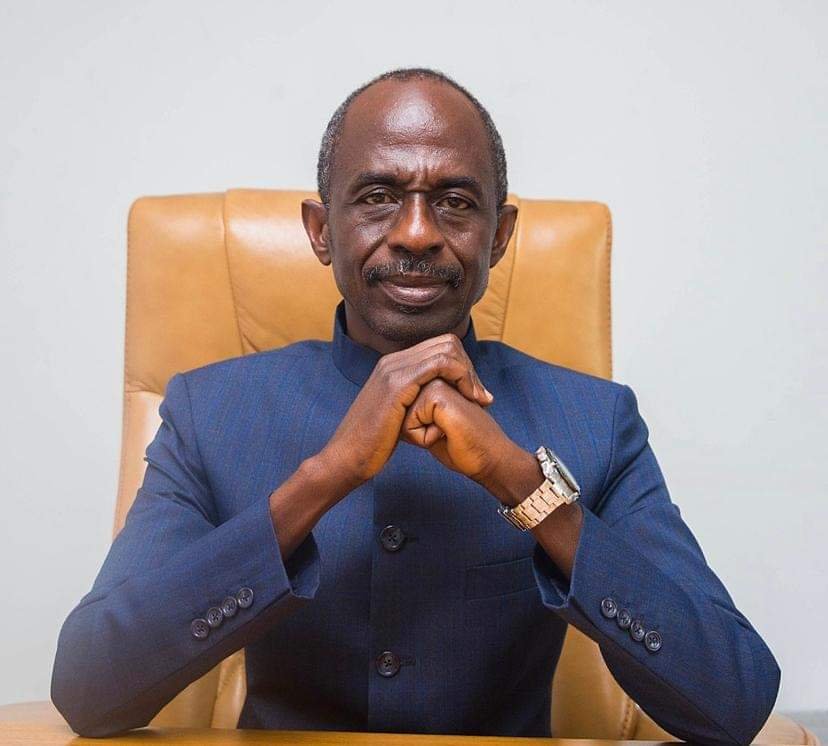
The National Chairman of the opposition National Democratic Congress (NDC), Johnson Asiedu Nketia, has set forth specific conditions that the party insists must be met before considering signing the Peace Pact advocated by the National Peace Council in anticipation of the December 7 elections.
Mr. Nketia expressed scepticism about the effectiveness of past Peace Pacts, highlighting that they had not achieved their intended outcomes, particularly referencing the 2020 elections, during which eight NDC members were allegedly killed by national security operatives without accountability.
During an August 20 meeting with the National Peace Council at the NDC headquarters, Mr. Nketia detailed the certain conditions for the NDC’s participation in the Peace Pact.
The NDC is demanding that the recommendations from the investigation into the violence during the Ayawaso West Wuogon by-election be fully implemented.
They also want those responsible for election-related violence in the last election to be prosecuted, stressing the importance of justice and prevention.
The party is calling for accountability regarding irregularities in the printing of ballot papers and insists that visible measures be taken to prevent such issues from happening again.
They are also pushing for a thorough investigation into the missing IT equipment from the Electoral Commission’s (EC) warehouse, expressing concerns about the integrity of the EC’s systems and the potential bias of its staff.
Furthermore, the NDC is urging the President to publicly commit to respecting the results of the 2024 elections. Lastly, the party insists that the Peace Pact should be signed by key figures, including the Inspector General of Police, the Chief Justice, the Attorney-General, and the National Security Coordinator, before they will consider signing it themselves.
Source: Citinewsroom.com


The Tema Regional Police Command has arrested a 32-year-old man for allegedly posing as a soldier and extorting money from unsuspecting members of the public at Ashaiman.
The suspect, identified as Bright Atsu Kudiabor, was arrested by the Ashaiman Police on Wednesday, September 16, 2026, at about 7:00 a.m.
According to the Police, he was arrested at an area known as “I Shall Return”, where he was allegedly parading himself as a soldier and demanding money from people.
The Police said Kudiabor, who is an ex-convict, was initially arrested by personnel of the Ghana National Fire Service in Ashaiman with assistance from other members of the public.
A search conducted on him after he was handed over to the Police reportedly led to the recovery of a set of military camouflage uniform.
The suspect is currently in Police custody and assisting with investigations.
The Tema Regional Police Command said he would be processed for court after investigations are completed.
The Police urged the public to remain vigilant and report anyone who falsely presents themselves as a soldier or a member of another security agency to deceive or extort money from the public.
By: Jacob Aggrey
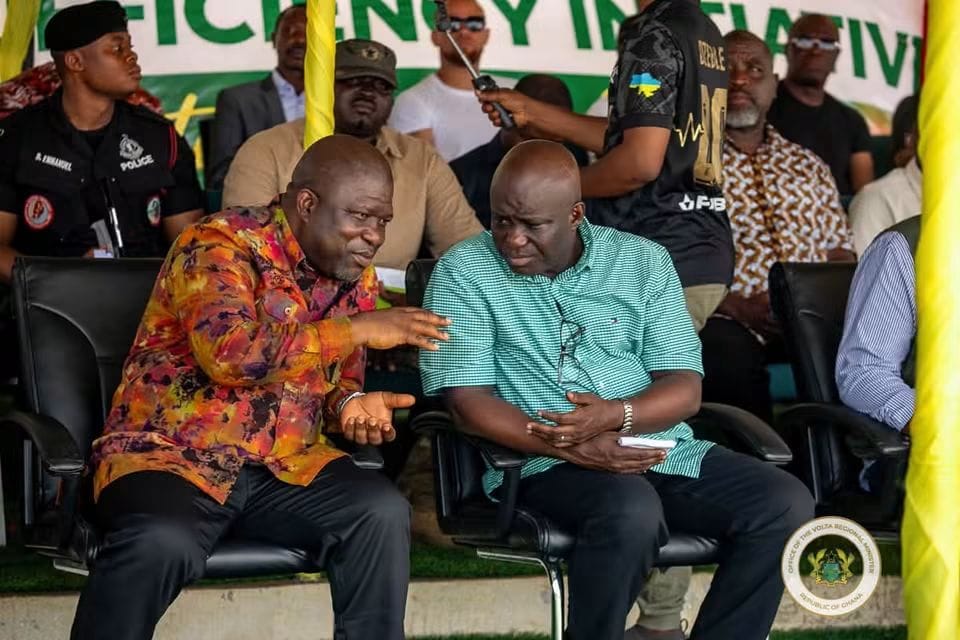
Volta Regional Minister, James Gunu, says the Volta Region holds enormous agricultural potential and efforts must be geared towards connecting farmers to the needed resources to unlock that potential.
He said focus must be on linking farmers to resources, technology, financing and markets to increase production, create jobs and build sustainable livelihoods.
Hon. Gunu made the remarks at the national launch of the Ghana Tomato Self-Sufficiency Initiative (GHATSI) held at Anloga in the Volta Region on Tuesday, September 15.
The initiative, under the theme “Produce at Home. Feed the Nation. Export the Surplus,” seeks to boost local tomato production, processing and marketing while reducing Ghana’s heavy reliance on imported tomatoes.
The launch was attended by the Minister for Food and Agriculture, Eric Opoku, his Deputy, John Setor Dumelo, Feed Ghana Coordinator, Bright Demordzi, Members of Parliament, traditional leaders, MMDCEs, farmers and other stakeholders.
Mr.Gunu expressed appreciation to the Minister for Food and Agriculture for the support announced for the region, including two excavators, 200 cartons of organic fertiliser, and GH¢200,000 for Ms. Kuatudzo Esther Dela, a tomato farmer and processor from Ziope.
He described the initiative as an important step towards making agriculture a stronger driver of food security, job creation and economic growth in the Volta Region.
By Edem Mensah-Tsotorme