News
Women Empowerment… Perspectives of prominent women in Ghana

- /home/u249204778/domains/spectator.com.gh/public_html/wp-content/plugins/mvp-social-buttons/mvp-social-buttons.php on line 27
https://spectator.com.gh/wp-content/uploads/2024/08/Akosua-Frema-Osei-Opare-696x600.jpg&description= Women Empowerment… Perspectives of prominent women in Ghana', 'pinterestShare', 'width=750,height=350'); return false;" title="Pin This Post">
- Share
- Tweet /home/u249204778/domains/spectator.com.gh/public_html/wp-content/plugins/mvp-social-buttons/mvp-social-buttons.php on line 72
https://spectator.com.gh/wp-content/uploads/2024/08/Akosua-Frema-Osei-Opare-696x600.jpg&description= Women Empowerment… Perspectives of prominent women in Ghana', 'pinterestShare', 'width=750,height=350'); return false;" title="Pin This Post">
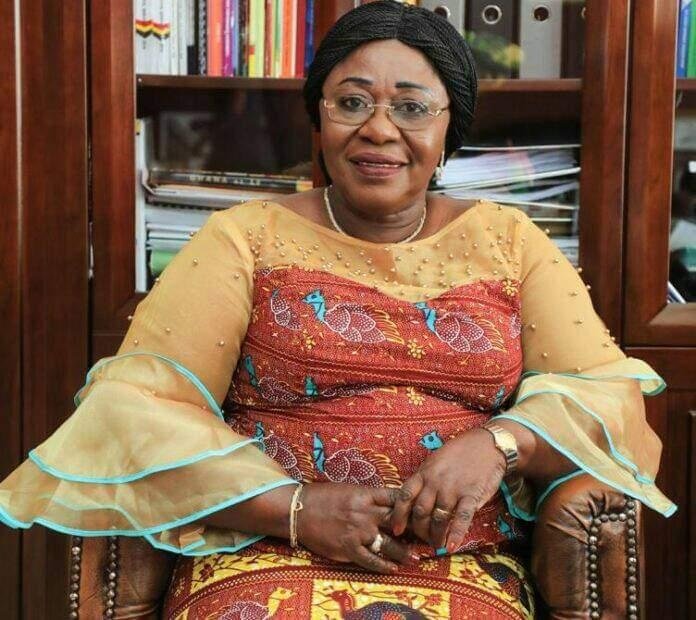
Akosua Frema Osei-Opare
Women empowerment in Ghana has made significant strides over the years with both government and non-governmental organisations playing key roles in achieving it.
Women’s equality and empowerment is one of the 17 Sustainable Development Goals (SDG), but also integral to all dimensions of inclusive and sustainable development.
Women and girls, everywhere, are entitled to equal rights and opportunity, and be able to live free of violence and discrimination.
The SDG five states that “achieve gender equality and empower all women and girls,” and it is well-known for all countries to achieve this by 2030.
The Spectator this week looks into the perspective of some prominent women in the land and how they have or hope to achieve the SDG goal five in Ghana.
Rebecca Akufo-Addo
During the commemoration of this year’s International Women’s Day (IWD) on March 8 this year, the First Lady, Mrs Rebecca Akufo-Addo, stressed the need to engage in dialogue and reflect on societal progress in dismantling barriers that hinder women’s empowerment.
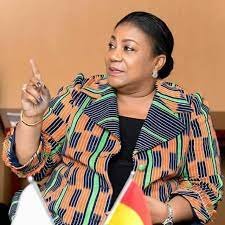
She explained that although there had been significant progress over the years, there was still much work to be done, adding that “we all look forward to the day where no one is discriminated against or limited because of their gender.”
This year’s IWD is on the theme: “Invest in Women: Accelerate Progress” with a focus on addressing economic disempowerment, while the campaign theme for this year is “Inspire Inclusion.”
Over the years, Mrs Akufo-Addo said, her office had provided a platform for women to share their stories, addressing achievements, challenges, and recommendations. This initiative aimed to shed light on the journey towards gender equality.
In April this year, she said women empowerment must go beyond advocacy and policy. She said it must focus more on changing mindsets and stereotypes.
According to her, “empowerment is more than policies and programmes, it’s a mindset change. It is about challenging outdated stereotypes, dismantling patriarchal structures, and fostering a culture of respect and equality.”
The First Lady said this at an event to celebrate women put together by Pascal Gally, a play maker.
She said the new approach would induce change, and promote more inclusiveness which would position countries globally to reap more benefits.
“Multiple studies show that trillions of dollars can be added to global growth by advancing gender empowerment. Empowering women is not just a moral obligation, it is an economic and social imperative. When women are empowered, economies thrive, communities prosper and societies flourish,” she stated.
Akosua Frema Osei-Opare
The Chief of Staff, Akosua Frema Osei-Opare, expressed belief in the power of women, stating, “Wherever there is a woman, there is a possibility. There is no force so powerful than an empowered woman.”
She lauded Ghanaian women for the critical role they play in driving Ghana’s digital transformation.
Addressing the gathering of female CEOs, entrepreneurs, and innovators, Mrs Osei-Opare in April this year underscored the undeniable impact of technology in reshaping industries and societies.
She also spoke at the 7th Ghana Female CEOs Summit, held under the theme “Leading Ghana’s Digital Renaissance: Women CEOs Shaping the Future of Business and Innovation.”
Mrs Osei-Opare acknowledged the persistent gender disparities that persist in the business world, particularly within the technology sector.
She highlighted the barriers women face in accessing resources, opportunities, and leadership positions, hindering the realisation of their full potential.
Calling for collective action, Mrs Osei-Opare urged attendees to redouble their efforts in promoting gender equality, fostering inclusive environments, and breaking down barriers that hold women back.
She stressed the importance of creating ecosystems that empower women to thrive, innovate, and lead with confidence.
“Let us seize the opportunities that the digital age presents, harness the power of technology to drive meaningful change, and ensure that women are not just participants but change leaders in shaping the future of business and innovation in Ghana and beyond,” the Chief of Staff said.
She encouraged women to embrace their unique strengths, pursue their passions relentlessly, and recognise the significant impact they can make in driving societal advancement.
Mrs Frema Osei-Opare has served as a beacon of hope for women and has been a staunch advocate for market women, professionals and entrepreneurs, recognising their invaluable contributions to the country’s economy.
By championing their rights and interests, Madam Osei-Opare has sought to create an enabling environment for them to succeed and prosper.
Prof. Naana Jane Opoku-Agyemang
Professor Naana Jane Opoku-Agyemang, reemphasised the crucial role women play in driving economic growth and development of the country, and pledged to champion initiatives that would provide greater opportunities for Ghanaian women entrepreneurs.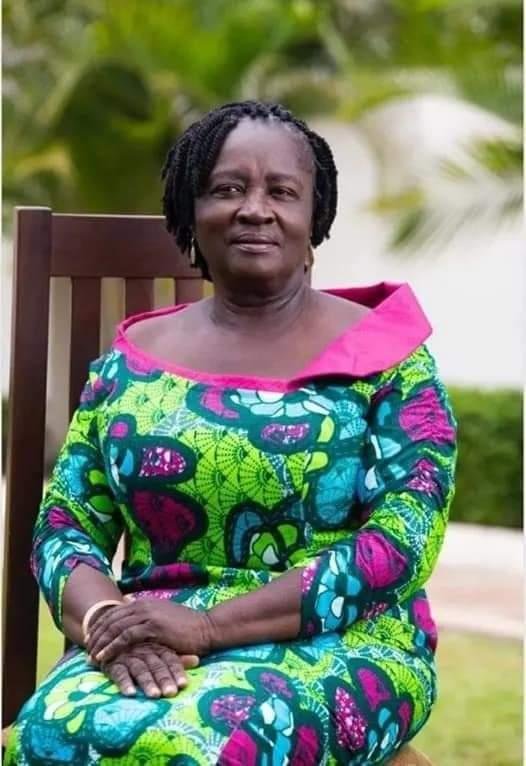
Professor Opoku-Agyemang during her official unveiling as the running mate for the National Democratic Congress (NDC) in Accra reiterated that women do not need handouts; they need opportunities to work hard and become successful, just like men.
“Women are the backbone of our society, and it is time we recognise their immense contributions and empower them to reach their full potential. As the next Vice President of Ghana, I will work tirelessly to ensure that women in this country have access to the resources, training, and support they need to succeed in business and become leaders in their communities,” she stated.
Professor Opoku-Agyemang explained that the bank would provide access to capital for women entrepreneurs, who are often underserved by traditional financial institutions.
“Women entrepreneurs must have access to capital for the entire sector to boost their businesses. That is why we will actively pursue the establishment of a Women Development Bank to nurture and grow women-owned, women-led businesses,” Professor Opoku-Agyemang.
She added that the vision for the Women Development Bank was to have a fully represented board, comprising trading associations and cooperatives that will make decisions and be accountable to its members.
Professor Opoku-Agyemang also highlighted the positive impact of women’s prosperity on families and communities, including increased stability, peace at home, and reduced dependency on financial support.
Referencing the achievements of entrepreneur Esther Ocloo, Professor Opoku-Agyemang encouraged the revival of the dreams and actions of successful entrepreneurs as models for aspiring business owners and underscored the need to support and appreciate those who participate in the private sector, regardless of personal preferences or biases.
She called for an end to the ‘killing of dreams’ of successful women entrepreneurs and called for encouragement, appreciation, and support for those participating in the private sector.
“Market women deserve the benefits of a clean, modernised marketplace and effort should not be limited to the Kejetia or Kotokoraba markets,” she said.
By Jemima Esinam Kuatsinu







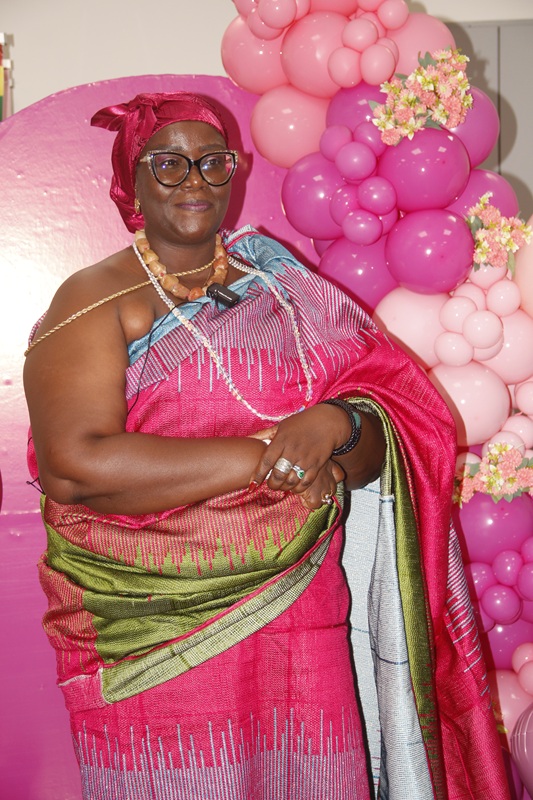
Women have been asked not to dismiss painless lumps in the breast, as the absence of pain does not mean a lump is harmless.
A Specialist Radiation Oncologist at the Korle-Bu Teaching Hospital, Dr Mary Ann Dadzie, said women should seek medical attention promptly whenever they noticed any unusual changes in the breast.
“A painless lump is not a harmless lump. You need to take action and not wait for pain,” she said.![Prof.Dr.Grace Ayensu-Danquah [middle] launching of Breast Cancer Awarencss Mouth with Dr.Caroline Reindorf Amissah[second from right] and other officials Photo Okai Elizabeth.](https://spectator.com.gh/wp-content/uploads/2026/10/Prof.Dr_.Grace-Ayensu-Danquah-middle-launching-of-Breast-Cancer-Awarencss-Mouth-with-Dr.Caroline-Reindorf-Amissahsecond-from-right-and-other-officials-Photo-Okai-Elizabeth.jpg)
Dr Dadzie made the call at the 2026 national launch of Breast Cancer Awareness Month, held on the theme, “early action, better outcomes.”
She expressed concern that about 45 per cent of breast cancer patients seen at Korle-Bu failed to return after starting treatment.
According to her, some patients began treatment but later stopped reporting to the hospital, leaving health professionals uncertain about their wellbeing.
She attributed the situation to several factors, including fear of death, financial difficulties, long distances to health facilities, lack of time and stigma.
Dr Dadzie urged women to know their breasts and seek medical attention within two weeks of noticing any abnormality.
She said warning signs could include a lump or thickening in the breast or armpit, changes in breast size, an inverted nipple, nipple discharge and changes in the skin, including redness, sores or an orange-peel appearance.
She cautioned women not to assume they were safe simply because they had no family history of breast cancer, explaining that only about five to 10 per cent of women with the disease had a familial or genetic mutation.
Dr Dadzie encouraged women to undergo regular clinical breast examinations and discuss appropriate screening options, including mammography and ultrasound, with health professionals.
She also called on families, particularly husbands and partners, to support women who needed breast examinations or treatment.
“Home is where the support begins,” she said, urging families to provide practical assistance such as transportation and childcare.
Dr Dadzie further appealed for breast cancer services to be brought closer to communities through increased access to mammography, ultrasound and biopsy services, as well as the training of more health professionals.
The Deputy Minister of Health, Prof. Dr Grace Ayensu- Danquah, said breast cancer remained a major health concern among women in Ghana, with an estimated 4,650 new cases and about 2,060 deaths recorded annually.
She said Ghana’s breast cancer response focused on prevention, early detection, equitable access to treatment and compassionate care.
Dr Ayensu-Danquah said the country was working to strengthen awareness, clinical breast examinations, referral systems, pathology and diagnostic services to improve breast cancer outcomes.
The World Health Organisation (WHO) representative, Dr Joana Ansong, said too many women continued to present with advanced breast cancer, resulting in avoidable suffering and deaths.
She called for stronger health education, timely diagnosis, rapid referral and equitable access to comprehensive treatment and support.
Dr Ansong said breast cancer awareness should move beyond campaigns to sustained action involving government, communities, health professionals, civil society organisations, the private sector and families.
By Esinam Jemima Kuatsinu
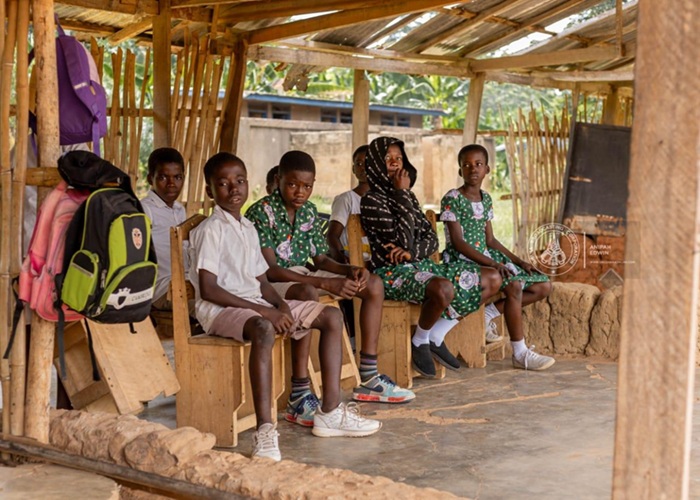
Authorities of Percheyire R/C Basic School in the Yilo Krobo District of the Eastern Region are concerned about the safety of teachers and learners of the school, as reports of the condition of the structure appear to have fallen on deaf ears.
The ramshackle classroom structure looks like one that could cave in in the case of a heavy storm and, according to the teachers, teaching and learning become impossible when the rains set in.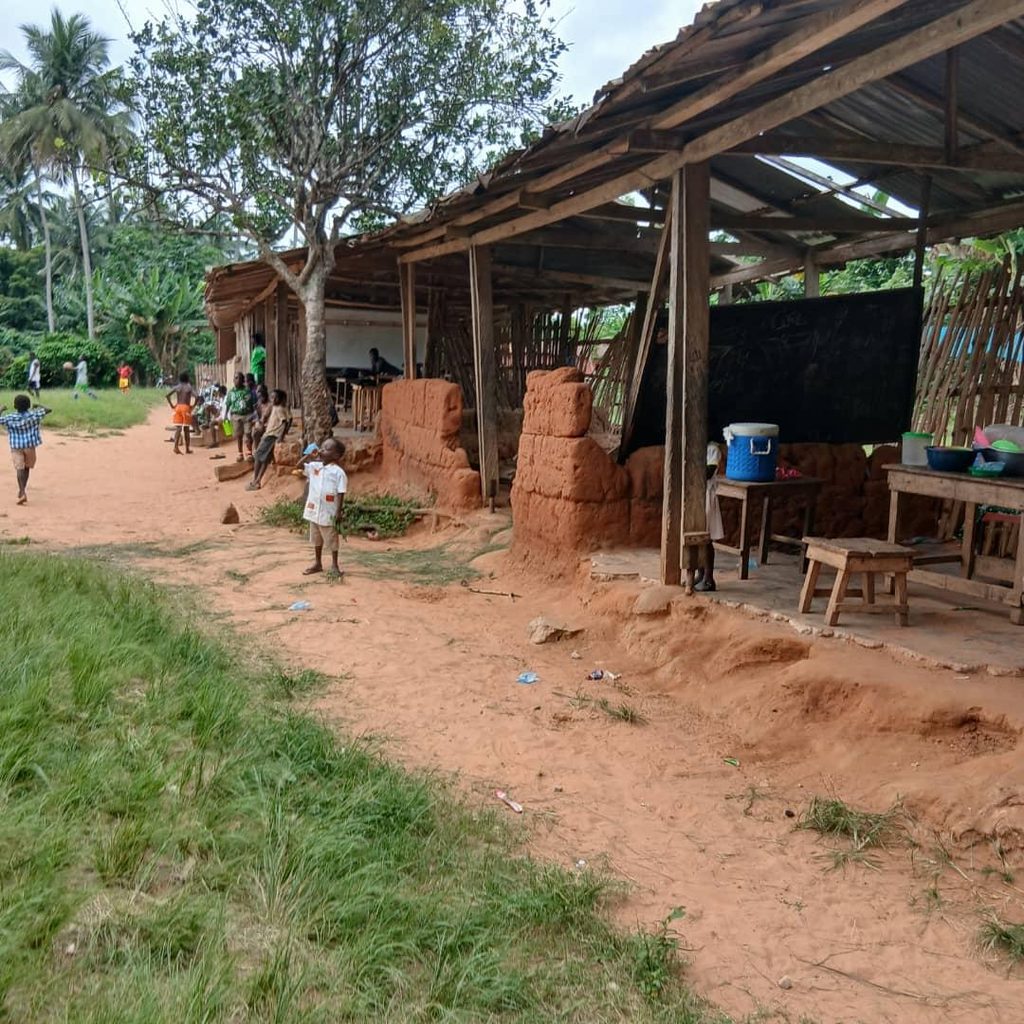
The structure, which accommodates pupils from Primary Four to Six, has worn-out roofing sheets, mud walls and sections supported by wood used as pillars.
A source at the school, who requested anonymity, told The Spectator in an interview that the situation was particularly difficult during the rainy season.
“When it rains, it means teaching and learning would come to an end,” he said.
The source explained that the challenge affected only the upper primary section, as pupils from Kindergarten to Primary Three were housed in a relatively better block.
According to the source, about 30 pupils from Primary Four to Six currently use the dilapidated structure, but expressed grave concern about its condition.
The source, however, said that the safety of the pupils, their furniture and books remained a concern, particularly during heavy rains.
The source said the situation had been reported to the relevant authorities and was hopeful that the structure would eventually be reconstructed.
Some pupils sitting in one of the classrooms
Despite the visit to the school, authorities indicated that work would be undertaken, but the school was yet to receive further information on when the project would begin.
The source also identified the poor road network to the school as another challenge affecting enrolment, saying the school serves pupils from Percheyire and three neighbouring communities.
It also emerged that an enrolment drive embarked upon in one of the communities, Togodo, showed that more than 60 school-going children lived in the community, but were unable to attend the school regularly because of the distance and poor road.
The school currently has about 110 pupils from Kindergarten through Junior High School, according to the source.
The source said improving both the classroom infrastructure and the road network would help create a more conducive learning environment and potentially improve enrolment.
A former teacher of the school, Rev. Elizabeth Korasare, said she was surprised to find the structure still in use after 38 years.
“I was surprised to see that the classroom I sat in 38 years ago is in the same state. Even though there are some new blocks, the upper primary is still housed in that same dilapidated structure,” she told The Spectator.
She therefore appealed to the relevant stakeholders to support the school by building a modern structure and improving the road network.
By Esinam Jemima Kuatsinu
SKIP THE QUEUE, TAP THE NEWS
You can now read the Ghanaian Times and The Spectator newspapers from the comfort of your device via TimesNewsPlus.
Join our WhatsApp Channel: https://whatsapp.com/channel/0029VbBElzjInlqHhl1aTU27