Hot!
I support Adwoa Safo’s apology – NPP’s National Chairman

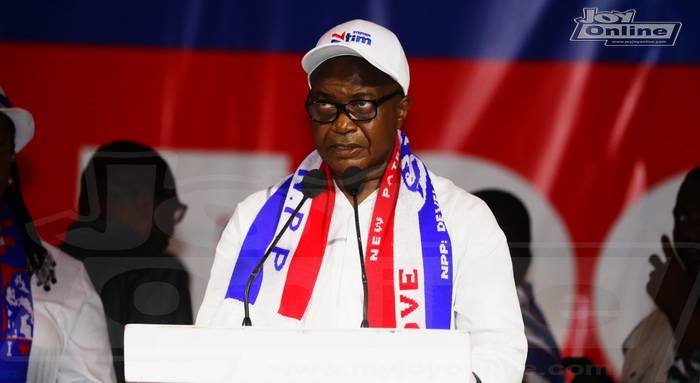
National Chairman of the New Patriotic Party (NPP), Stephen Ntim has described the embattled Dome-Kwabenya MP, Sarah Adwoa Safo’s public apology to the party and her constituents as appropriate and in order.
Mr Ntim says the apology emphasises that the MP has regretted her conduct.
According to him, Adwoa Safo did what was required of her (with her apology) and the party welcomed it.
“Adwoa Safo’s apology is in order; I really support her objective because she knows the NPP is the only party she belongs to. So, she is doing what is expected of her, I mean the apology and all that,” Chairman Ntim said.
However, Mr Ntim added that she is still a member of the party and whether she will return to Parliament depends on her constituents.
“If the constituents accept her to be an MP once again despite all that has gone on, I as Chairman and the rest of the party leadership will back her with our spirits to become an MP.
“So, her fate rests in the hands of Dome-Kwabenya delegates, from polling station to the constituency level,” Chairman Ntim added.
The former Gender Minister in a video posted on Facebook on September 14, apologised to the NPP for the controversies she caused during her extended absence from parliamentary duties.
She acknowledged her actions were unjustified and expressed regret, citing personal challenges.
She apologised to President Akufo-Addo, Dr Mahamadu Bawumia, the Chief of Staff, parliamentary leadership, the party hierarchy and her constituents.
“It was not my intention to disrespect you. There was a lot going on in my life and family. I’m using this medium to plead for your forgiveness in the name of God,” she said.
Adwoa Safo’s absence from parliament was one of the most discussed topics in the country in 2022 which left the house and party divided.
The discussion came on the back of her leaving the country in November 2021.
Source: Myjoyonline.com

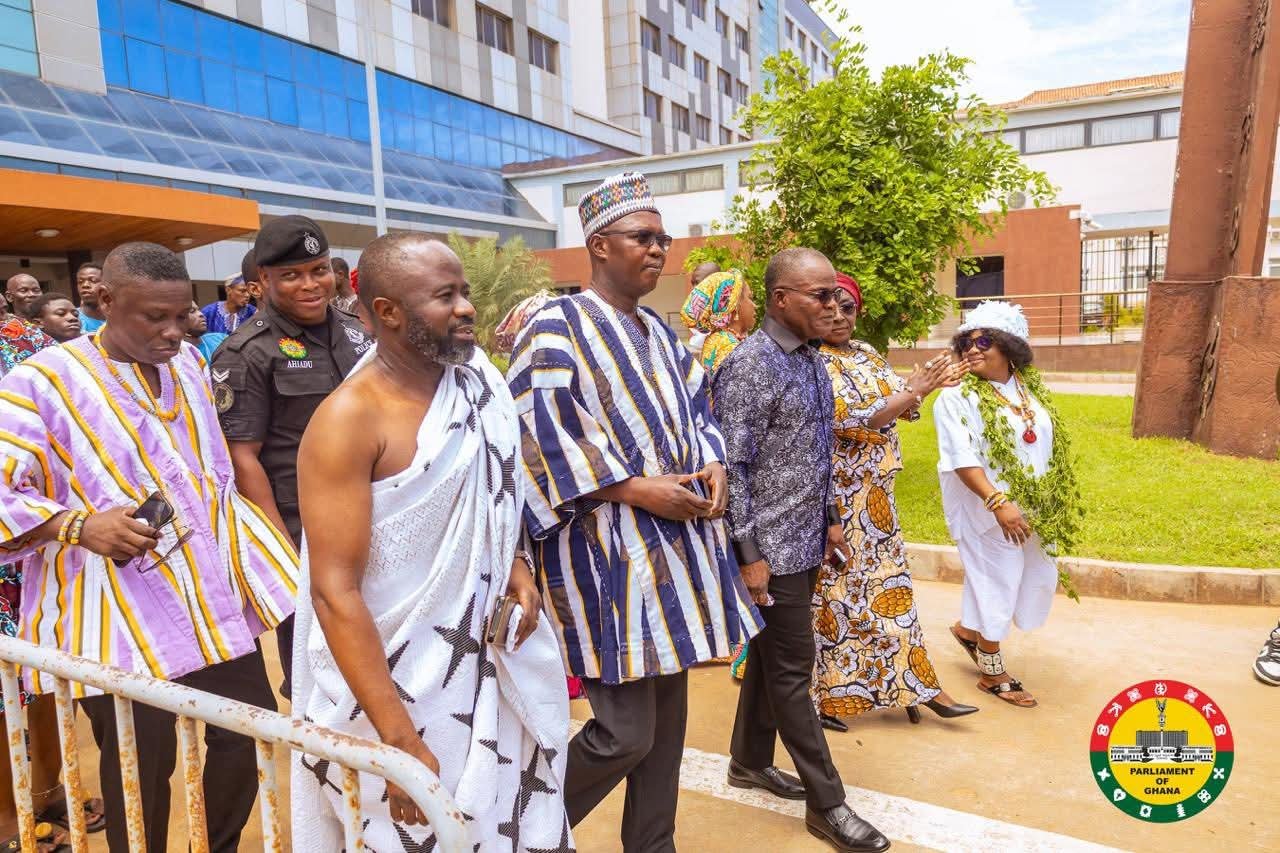
Ghana’s parliament has marked the 2nd edition of May Day 2026 under the theme “ Welcome Home”.
It was special day meant to celebrate the invaluable support of the workforce, recognizing the commitment, resilience, and contributions of workers to institutional growth and national development.
Delivering the message on behalf of the Speaker, the 1st Deputy Speaker, Bernard Ahiafor, described the theme as very apt, appropriate, and timely, noting that Parliament is more than a workplace, it is a shared home.

He emphasized that we cannot speak about work without speaking about people, reminding everyone that the true measure of our work is the well-being of our people.
He urged that our traditional clothing become an integral part of our everyday clothing, and that our local languages must become integral to our daily lives, interwoven into education and practiced at home.
Referencing Standing Order 63, which captures the use of local language as optional in deliberations, he encouraged a renewed commitment to identity, saying it is significant that we “come home” and present who we are so future generations can inherit a story they can fully tell.
The Clerk, Mr. Ebenezer Ahumah Djietror, in his remarks commended officers for their dedication and devotion to duty, calling on them to go the extra mile and leave legacies.
Echoing the reminder that an unexamined life is not worth living, he described the event as an invitation to reconnect with our roots through cultural revival.
The Deputy Clerk, C&FMS, Dr. Gloria Sarku Kumawu, urged all not to forget their roots, the people behind the stories of ministries, industries, and the strides made both in-house and beyond.
What began last year has now become a meaningful tradition, showcasing Ghanaian heritage, fostering unity, and encouraging innovation under the principle of diversity for unity and diversity for progress, she added.
The gathering brought together leadership, public officials, and staff across all levels, along with the media, standing as a unifying platform that honored service, celebrated culture, and reaffirmed a shared commitment to national development.
Hot!
Manhyia would serve as Ghana’s unifying force …Otumfuo assures on commemoration of 27 years on the Golden Stool

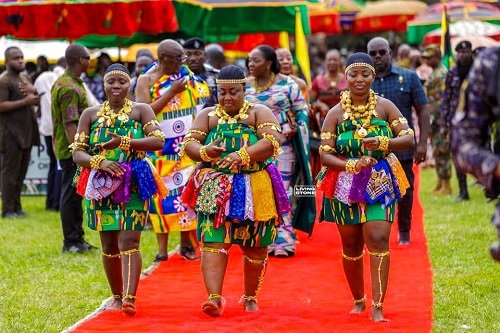
The Asantehene, Otumfuo Osei Tutu II, last Friday celebrated his 27th enstoolment with a colourful and culture-rich ceremony at the Manhyia Palace in Kumasi, drawing a distinguished gathering of dignitaries from across Ghana and beyond.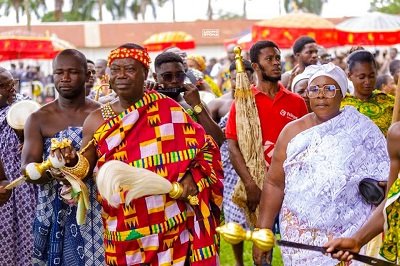
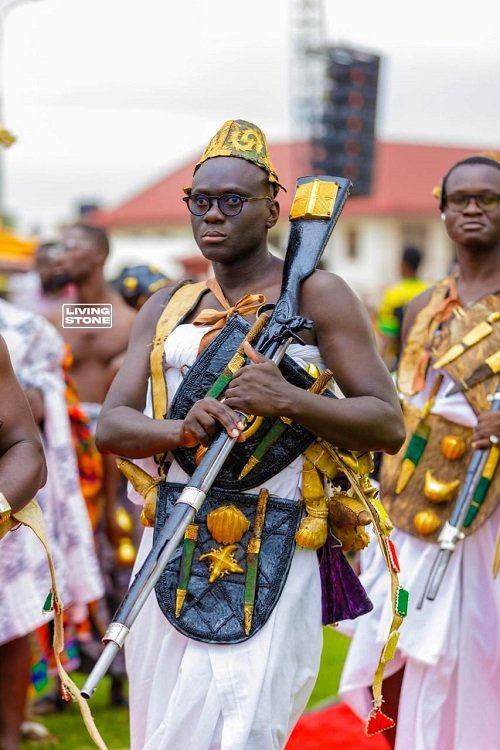
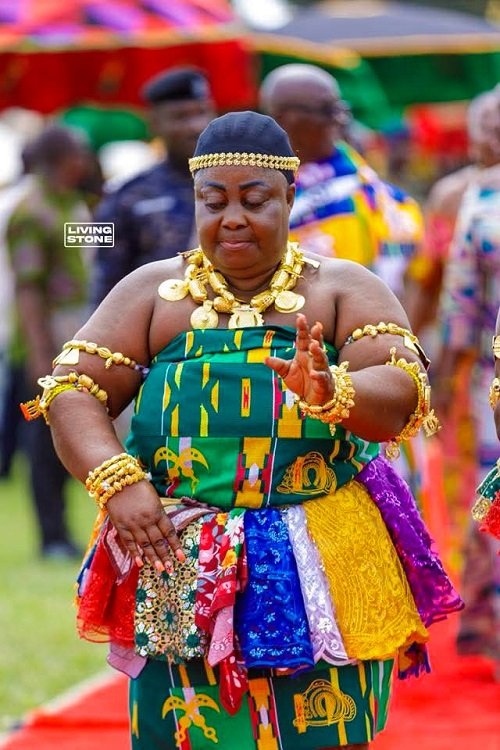
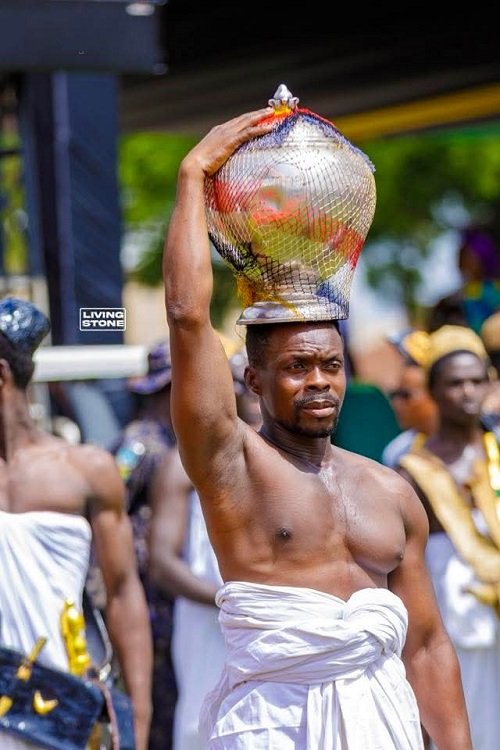
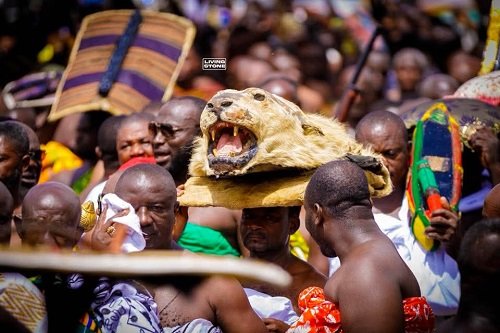
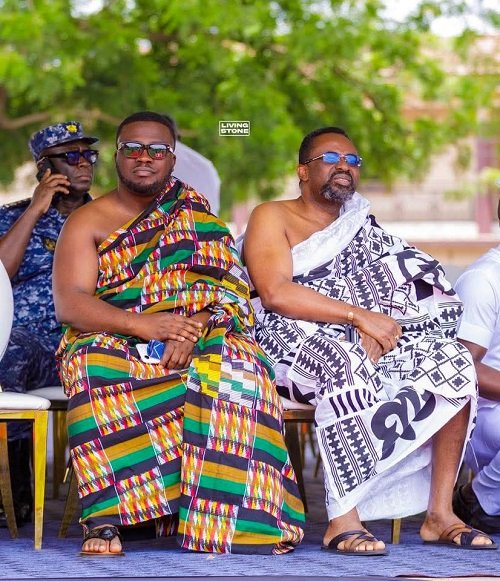
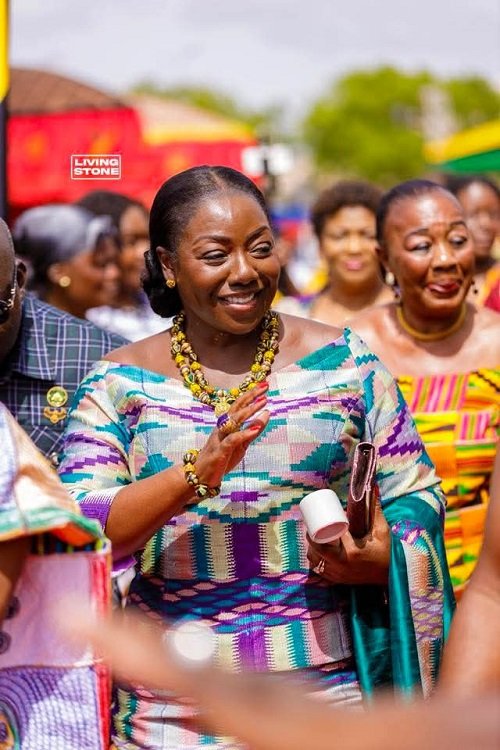
Clad in splendid kente and adorned in rich traditional regalia, the dignitaries added colour and elegance to the occasion, as the palace grounds came alive with a vibrant display of Ghanaian culture.
Traditional drumming, dancing and symbolic rites underscored the deep-rooted heritage of the Ashanti Kingdom, captivating guests and reaffirming the value of tradition in modern society.
Speaking at a high-level Executive Gala organised by the Diaspora Affairs Office of the Office of the President in strategic partnership with the E ON 3 Group, the ‘World-Meets-in-Ghana’ gala, the Asantehene urged Ghanaians to guard against the divisive tendencies of partisan politics.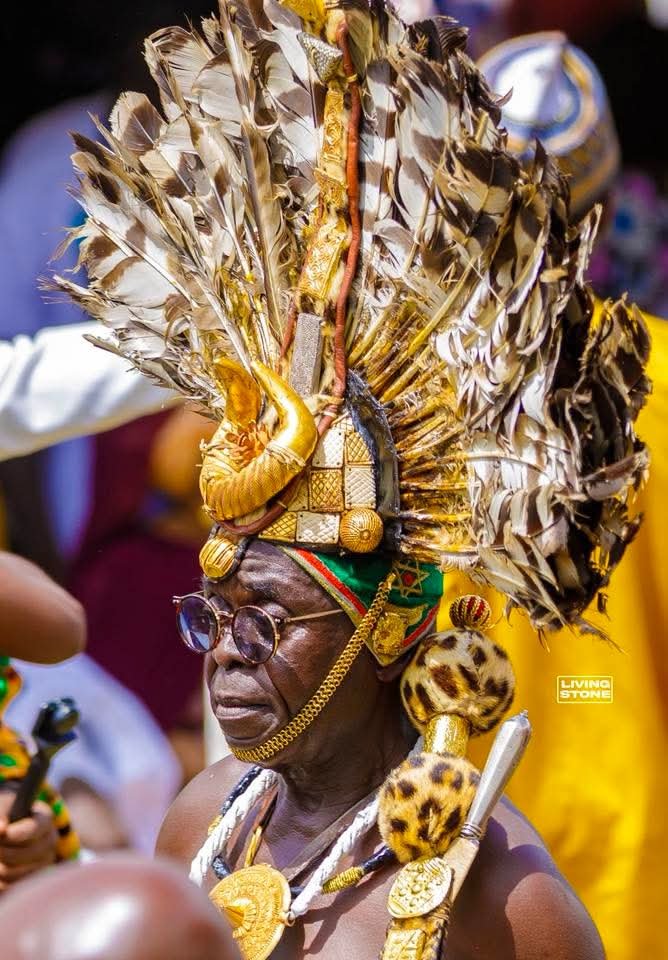
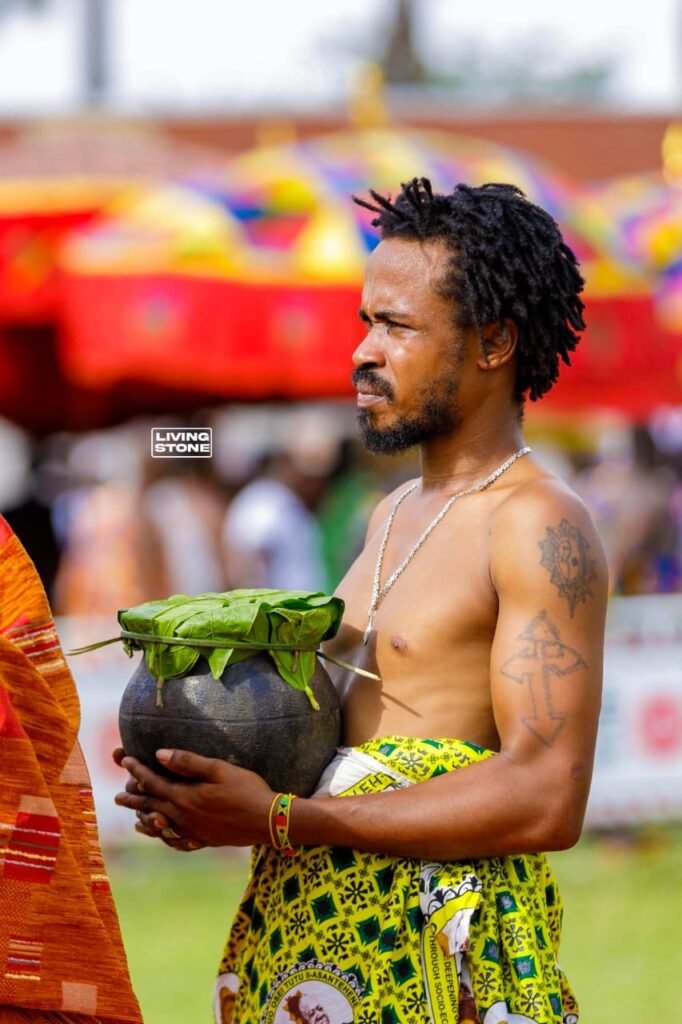
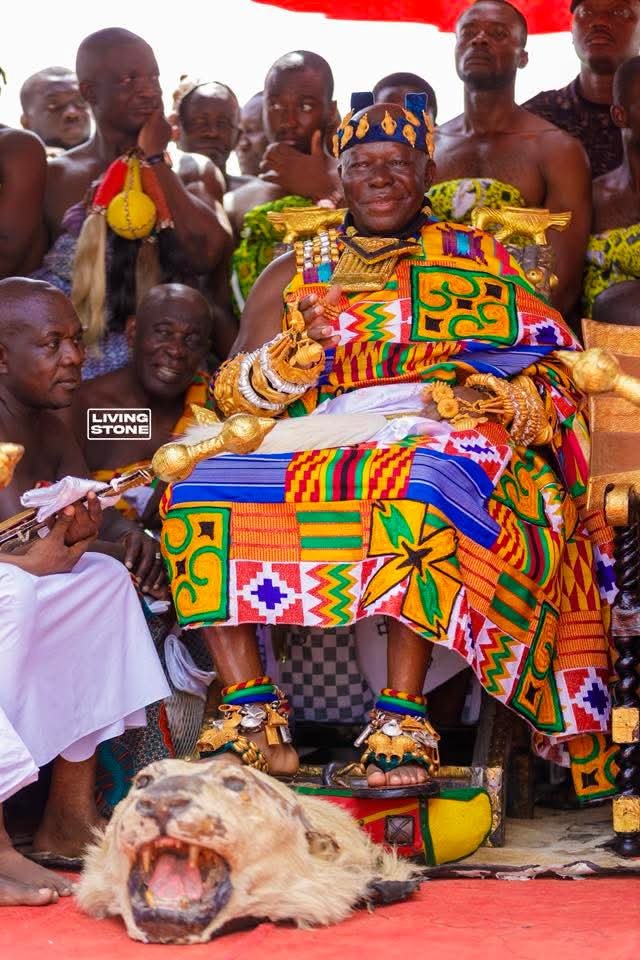
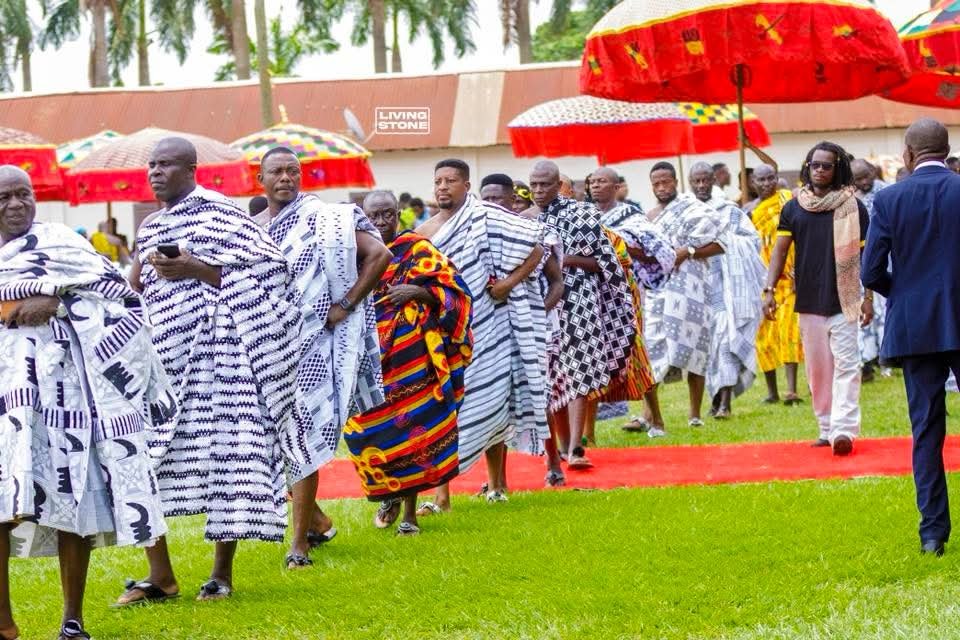
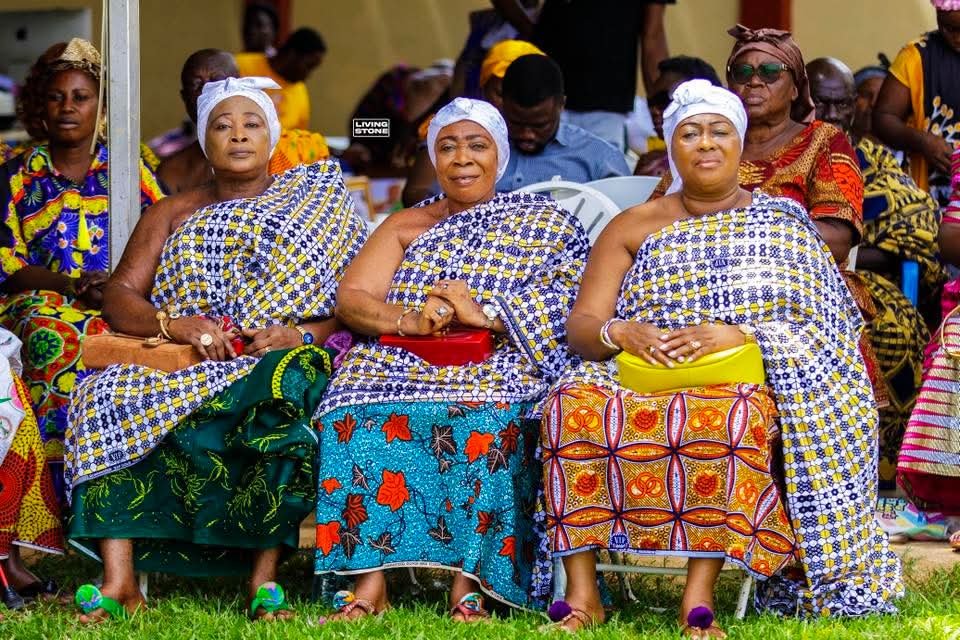
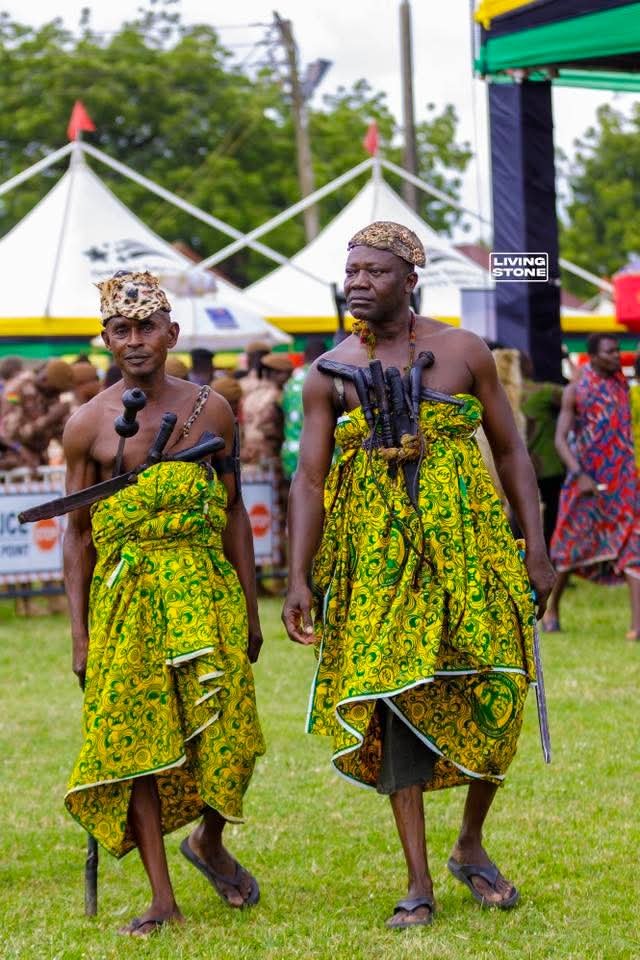
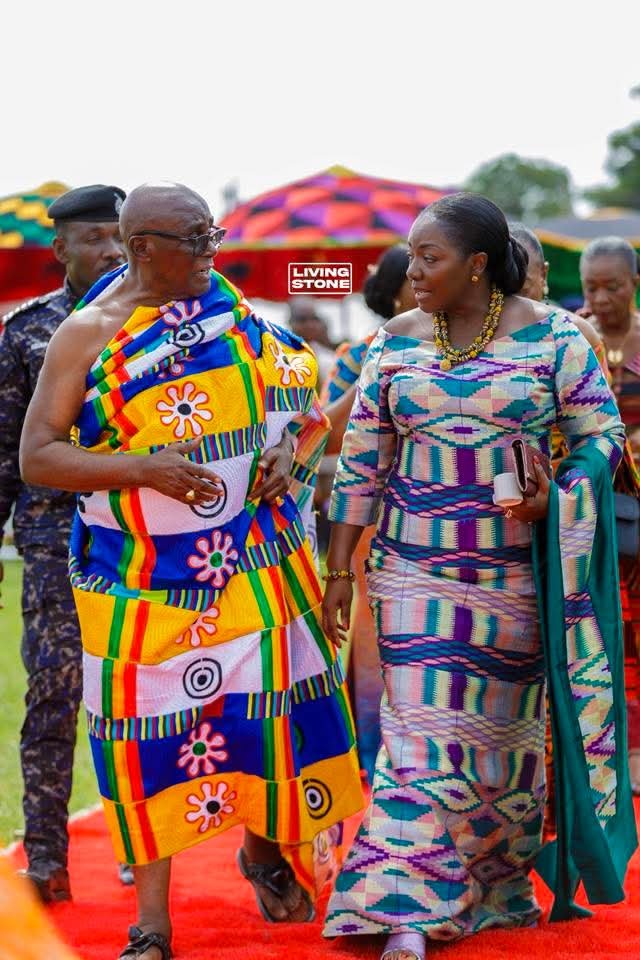
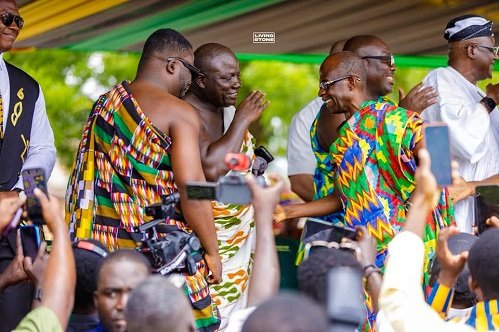
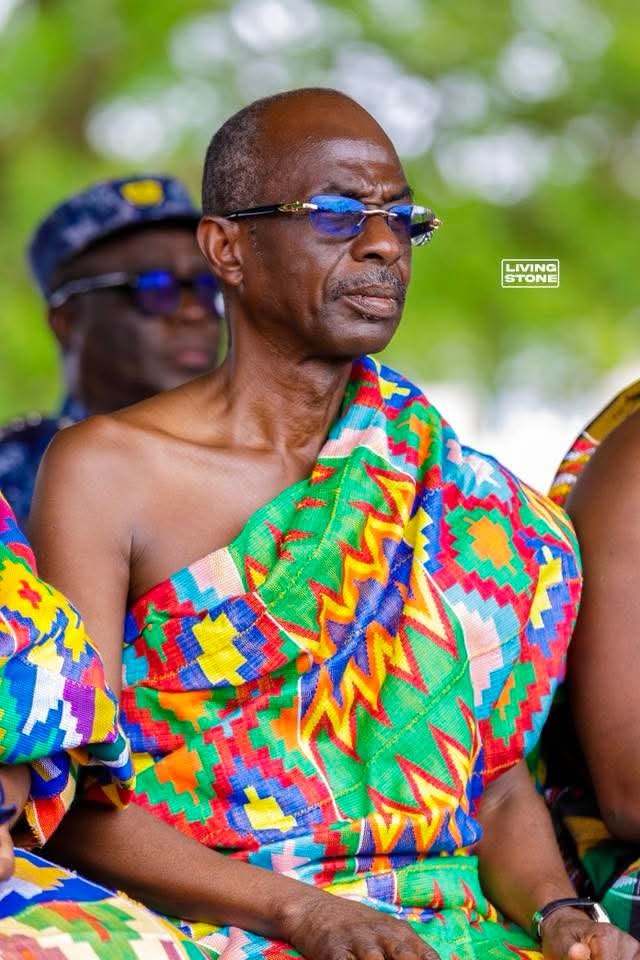
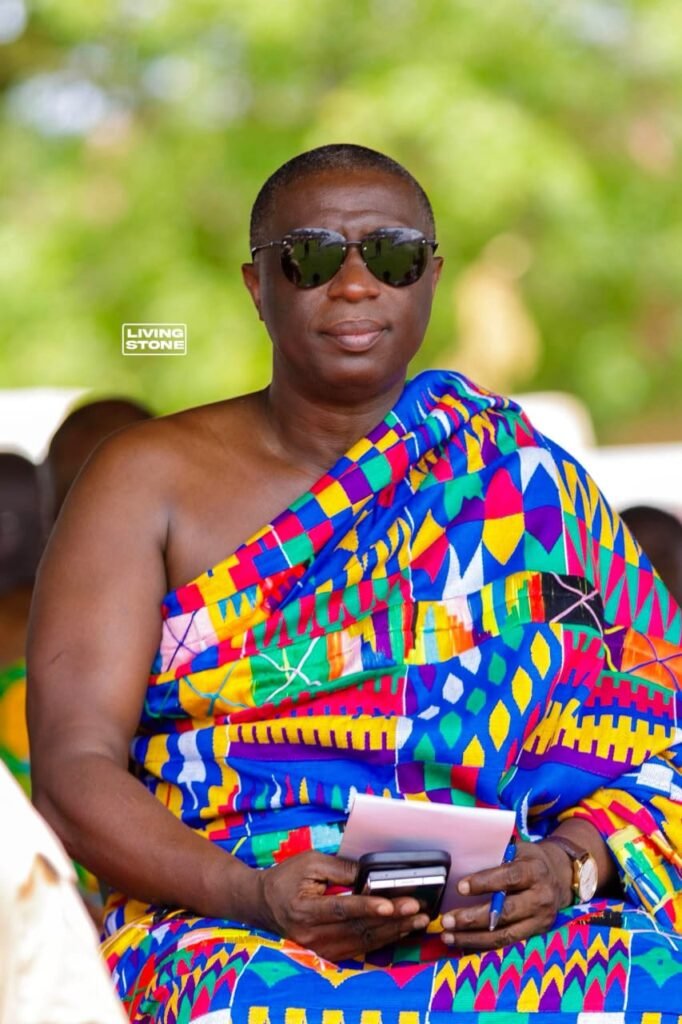
The event was to honour the Asantehene’s nearly three-decade reign under the theme ‘Advancing Peace and Sustainable Economic Development through Royal Vision’.
Otumfuo Osei Tutu II noted that such attitudes threatened the country’s long-standing values of unity, civility and brotherliness.
He assured that Manhyia would continue to serve as a unifying force for the nation.
The celebration also featured the presentation of commemorative gold coins to notable national leaders, including the President, John Dramani Mahama, former Presidents John Agyekum Kufuor and Nana Addo Dankwa Akufo-Addo as well as Dr Mahamudu Bawumia, a former Vice President in recognition of their contributions to peace and national development.
By Spectator Reporter